


Secondary sourceArtifact
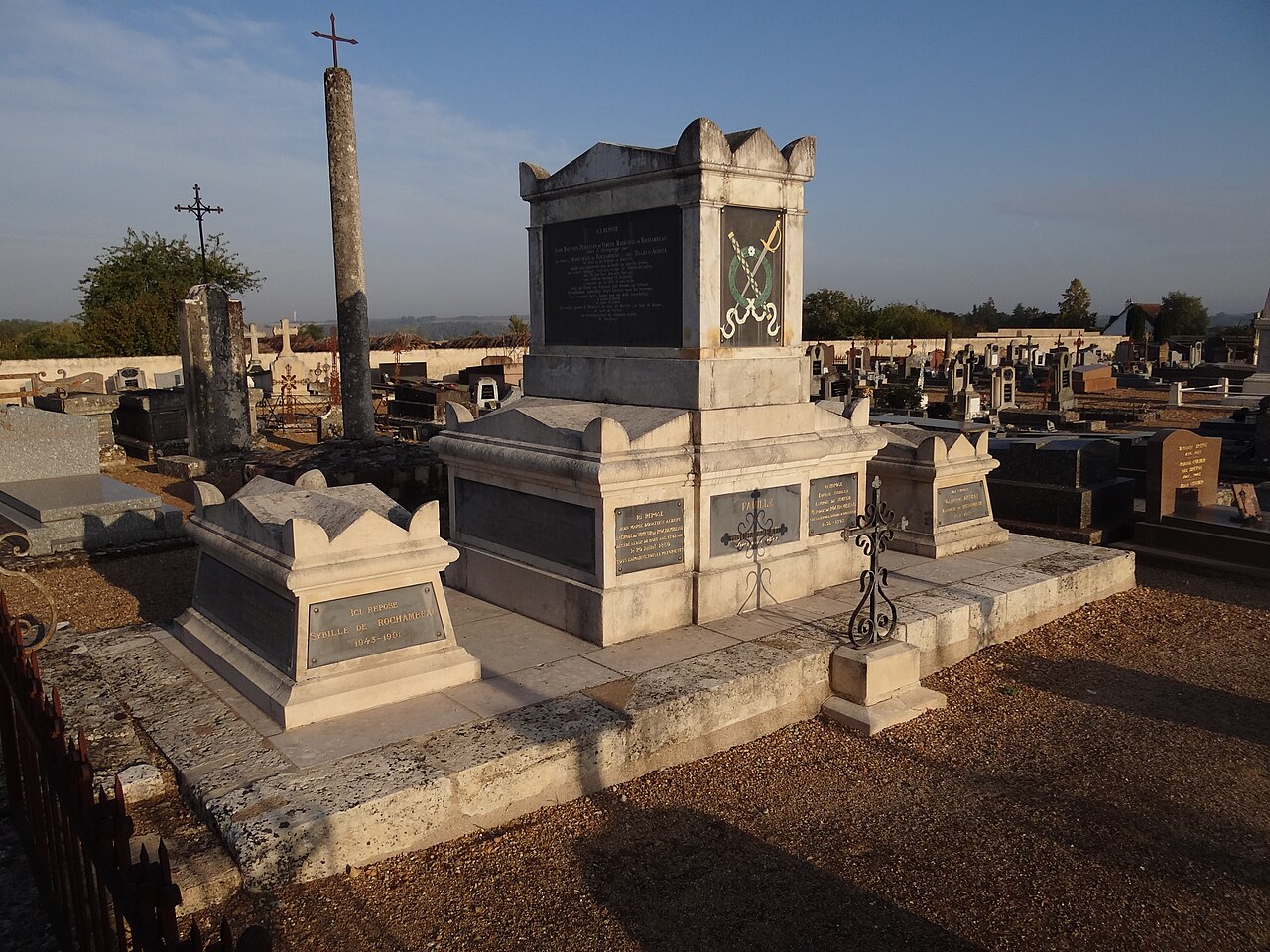
Grave of Jean-Baptiste Donatien de Vimeur, comte de Rochambeau
The tomb of Rochambeau and his family at Thoré-la-Rochette, marking his death in 1807.
This is Rochambeau's tomb, marking his death in 1807 at his family's home in Thoré-la-Rochette.
About this source
What it is
This photograph shows the white stone tomb monument of Rochambeau and his family in the cemetery at Thoré-la-Rochette. The central tomb bears an inscription and a crossed-swords emblem, with a smaller tomb nearby marked with his name and dates, 1725-1807.
Why it matters
The grave marks the end of Rochambeau's life, which spanned the final decades of the French monarchy, the Revolution, and into Napoleon's Empire. Its military emblem recalls his career as a soldier, while its location in his family's home region reflects his retirement there.
Look closer
- What does the crossed-swords emblem tell you about how Rochambeau wanted to be remembered?
- Why might a family choose to bury several generations together in one monument?
- What does a grave reveal about a person's life, and what does it leave out?
This artifact is part of the curated material that grounds the AI version of Jean-Baptiste Donatien de Vimeur, comte de Rochambeau on Humy.ai — when students ask about related events, the AI can quote it and cite it.
More Jean-Baptiste Donatien de Vimeur, comte de Rochambeau sources
Meet the AI Jean-Baptiste Donatien de Vimeur, comte de Rochambeau →Primary source
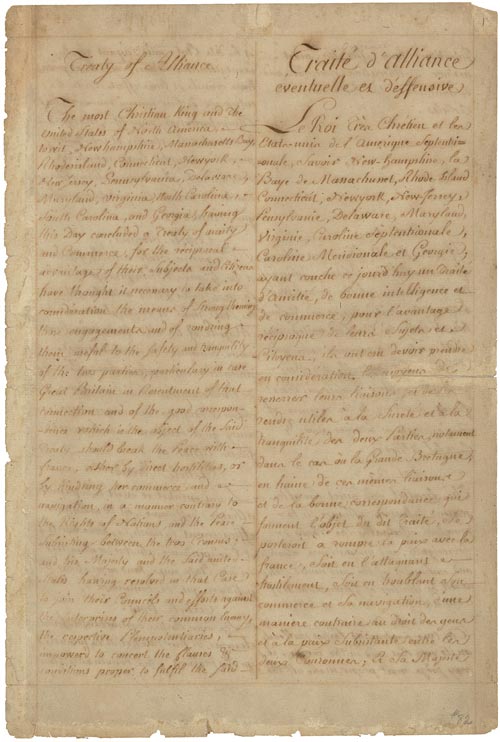
Articles of Capitulation, Yorktown
Charles Cornwallis; George Washington; Comte de Rochambeau; Comte de Barras · 19 October 1781
 Document
Primary source
Treaty of Alliance with France
6 February 1778
 Book
Primary source
Mémoires militaires, historiques et politiques de Rochambeau
comte de Rochambeau · 1809
 Painting
Primary source
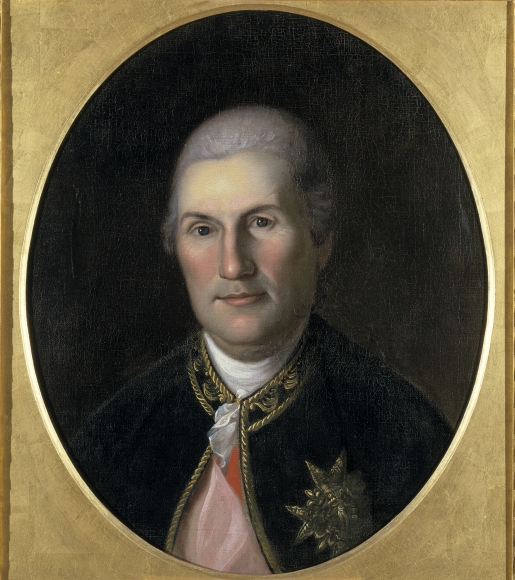
Portrait of Jean-Baptiste Donatien de Vimeur, comte de Rochambeau
Charles Willson Peale · 1782
 Painting
Secondary source
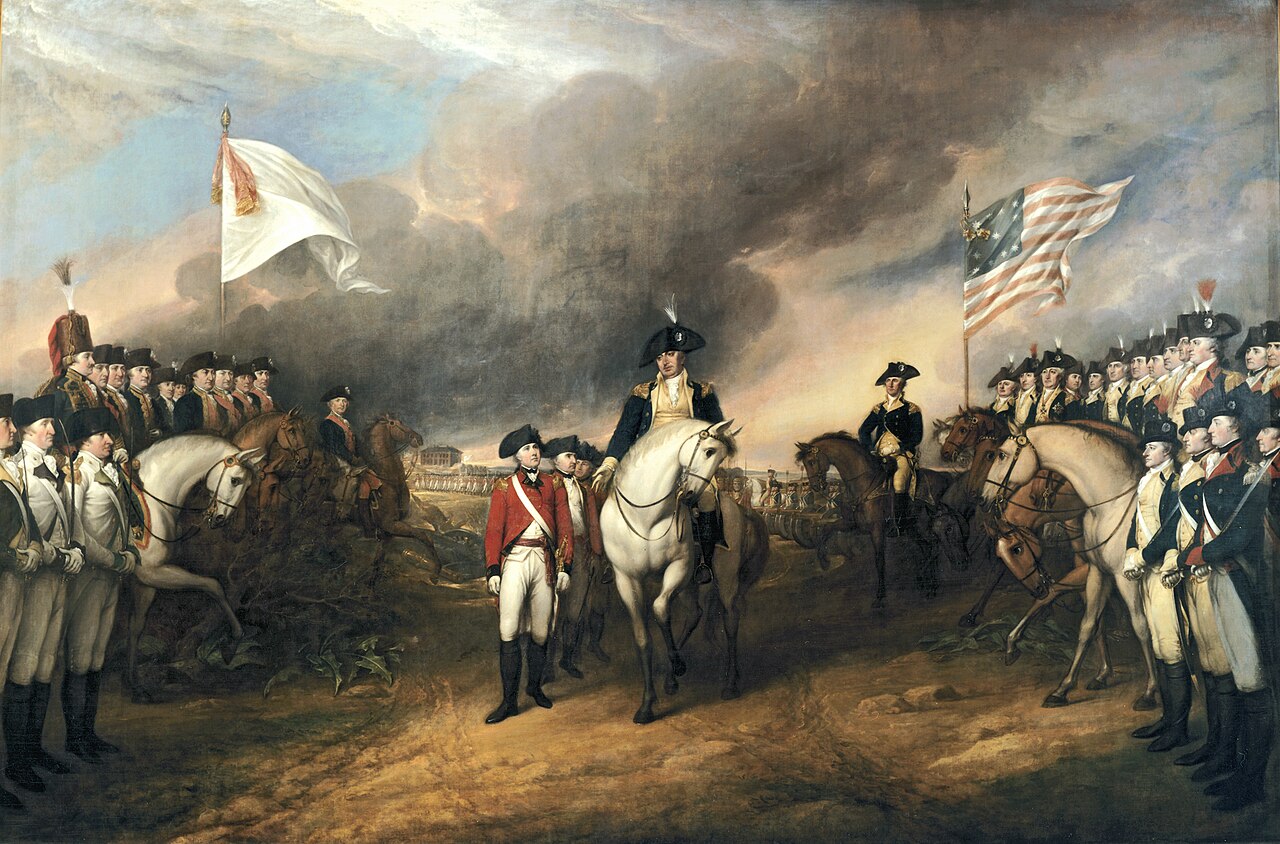
Surrender of Lord Cornwallis
John Trumbull · 1819
Ready when you are
Start chatting with Jean-Baptiste Donatien de Vimeur, comte de Rochambeau now.
20 messages free · No credit card · Available in 50+ languages.