


Secondary sourceArtifact1858–59 (built); 1873 (burial)
Grave of John Stuart Mill
1858–59 (built); 1873 (burial)
The marble tomb in Avignon that Mill built for Harriet Taylor and where he was later buried beside her.
The tomb Mill built for Harriet Taylor and in which he was buried beside her, marking the end of his life.
About this source
What it is
The marble tomb of John Stuart Mill in the Saint-Véran cemetery in Avignon, France. Mill had the tomb built in 1858–59 for Harriet Taylor, his close companion and intellectual partner, and he himself was buried in it in 1873.
Why it matters
The grave marks the end of a life closely intertwined with Harriet Taylor, whose influence Mill credited throughout his work. That Mill chose to be buried beside her shows how central their partnership was to him, beyond their shared writing and ideas. The site stands as a physical record of a relationship that shaped some of Mill's most important works.
Look closer
- Why might Mill have chosen to be buried in Avignon rather than in Britain?
- What does building a shared tomb suggest about how Mill viewed his relationship with Harriet Taylor?
- What questions does a grave leave unanswered about a person's life and ideas?
This artifact is part of the curated material that grounds the AI version of John Stuart Mill on Humy.ai — when students ask about related events, the AI can quote it and cite it.
More John Stuart Mill sources
Meet the AI John Stuart Mill →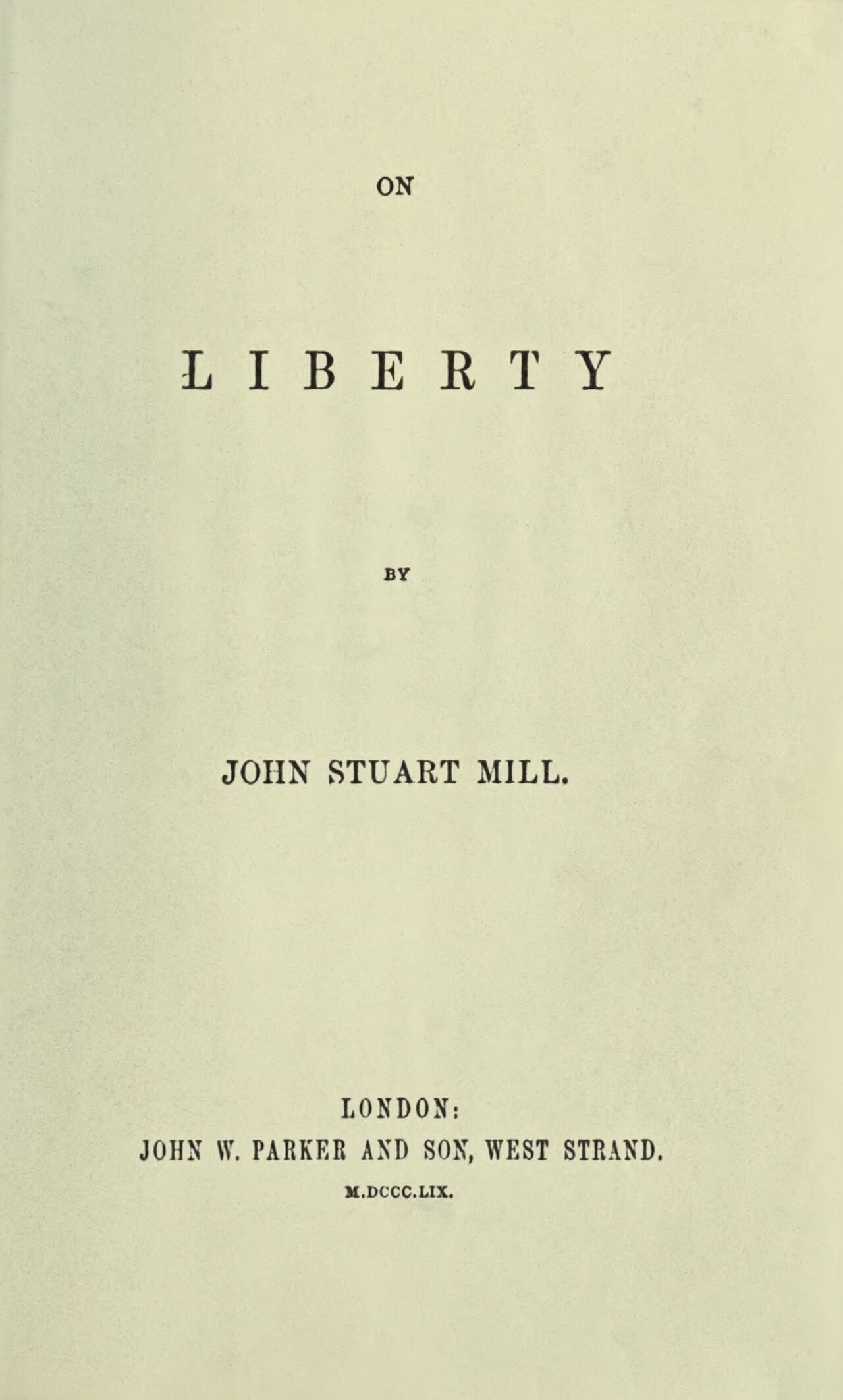 Book
Primary source
On Liberty
John Stuart Mill · 1859
 Book
Primary source
Utilitarianism
John Stuart Mill · 1861
 Book
Primary source
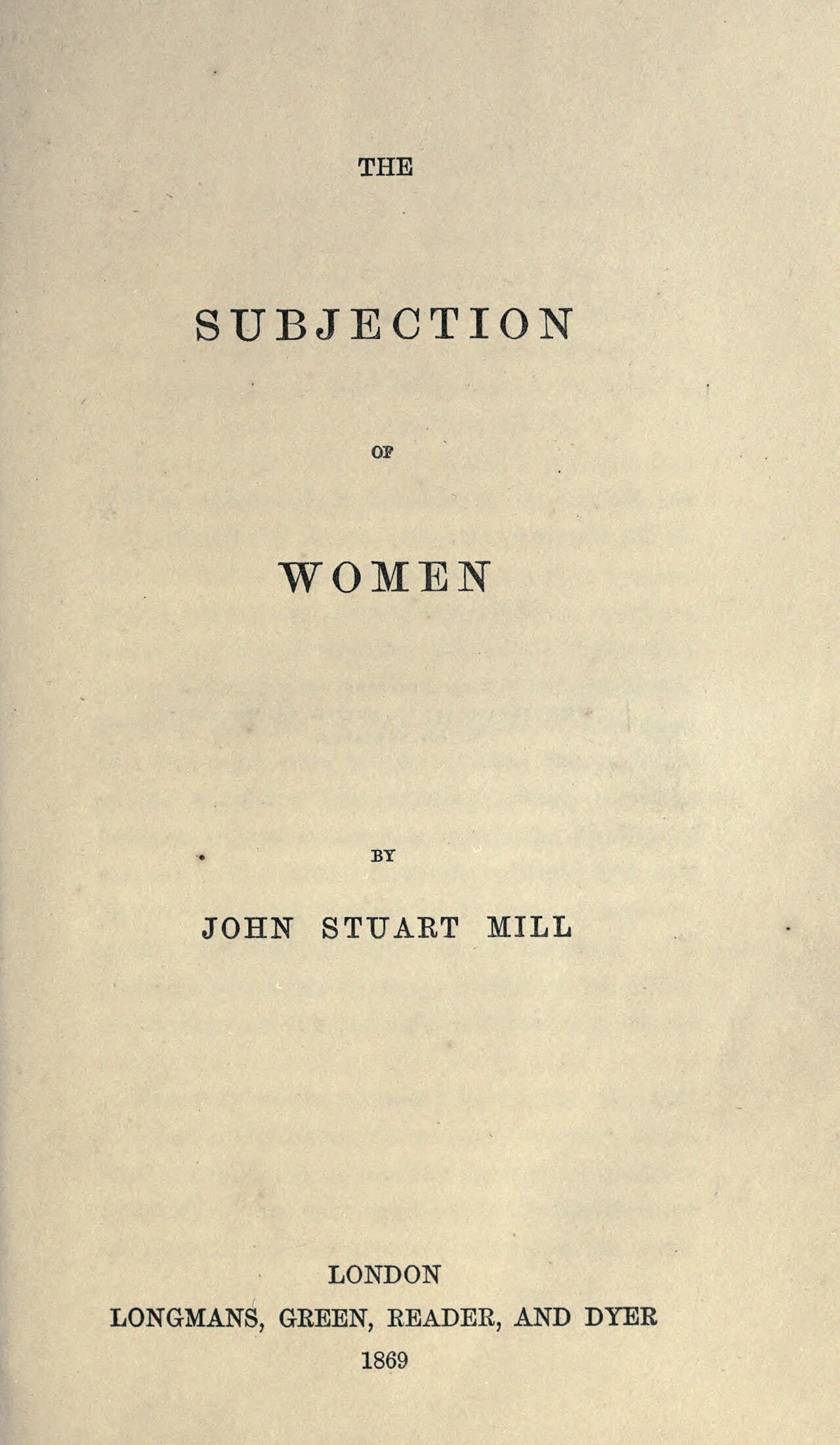
The Subjection of Women
John Stuart Mill · 1869
 Book
Primary source
Considerations on Representative Government
John Stuart Mill · 1861
Primary source
Autobiography
John Stuart Mill · 1873 (written; published posthumously)
Ready when you are
Start chatting with John Stuart Mill now.
20 messages free · No credit card · Available in 50+ languages.