


Primary sourceArtifact
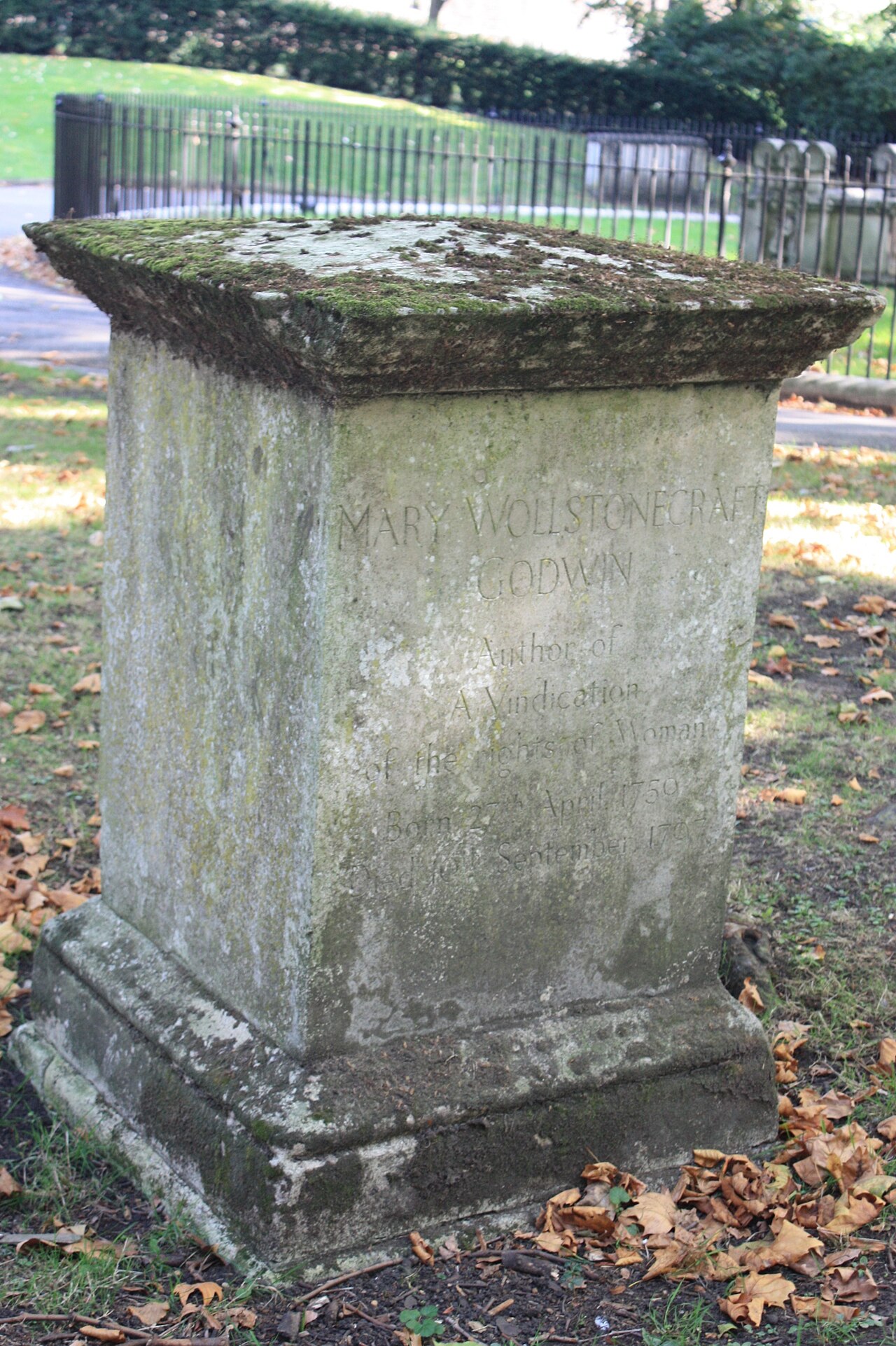
Grave of Mary Wollstonecraft
The original tomb erected by William Godwin in Old St Pancras churchyard, London, marking Wollstonecraft's burial place.
Marks her burial place and records her identity as the author of A Vindication of the Rights of Woman.
About this source
What it is
This is the gravestone of Mary Wollstonecraft in Old St Pancras churchyard, London, put up by her husband William Godwin after her death. The weathered stone marker records her name, her authorship of A Vindication of the Rights of Woman, and her birth and death dates.
Why it matters
The grave is a lasting physical marker of Wollstonecraft's life and legacy, built by Godwin to honour her memory. It is also historically significant because it was the site where her daughter, Mary Shelley, is said to have met the poet Percy Shelley, linking Wollstonecraft's memorial to the next generation of writers in her family.
Look closer
- What does the choice of words on the gravestone tell us about how Godwin wanted Wollstonecraft to be remembered?
- Why might a grave become an important site for later generations of writers and thinkers?
- What is lost when we only know a person through their memorial rather than their own words?
This artifact is part of the curated material that grounds the AI version of Mary Wollstonecraft on Humy.ai — when students ask about related events, the AI can quote it and cite it.
More Mary Wollstonecraft sources
Meet the AI Mary Wollstonecraft →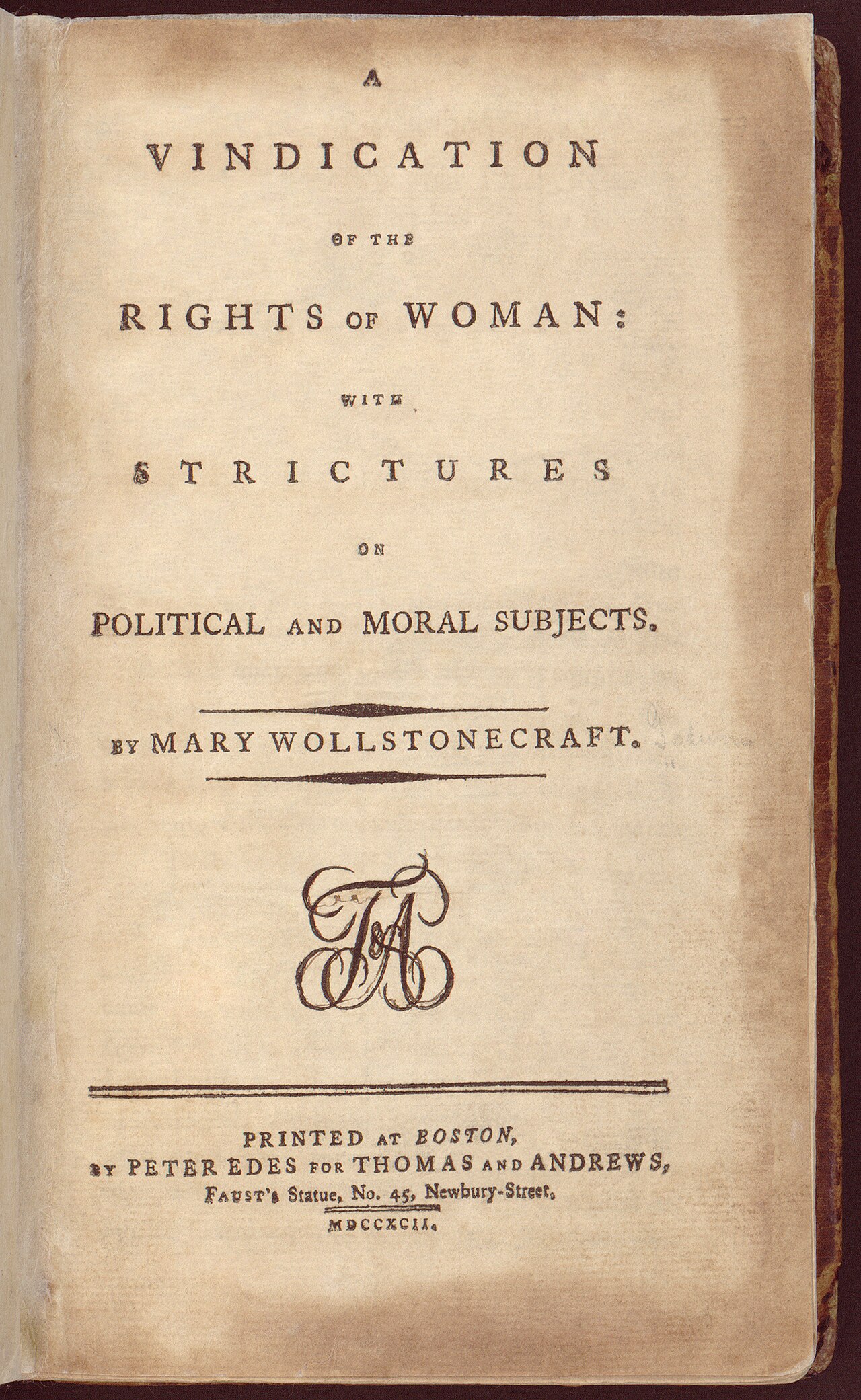 Book
Primary source
A Vindication of the Rights of Woman
Mary Wollstonecraft · 1792
Primary source
A Vindication of the Rights of Men
Mary Wollstonecraft · 1790
 Painting
Primary source
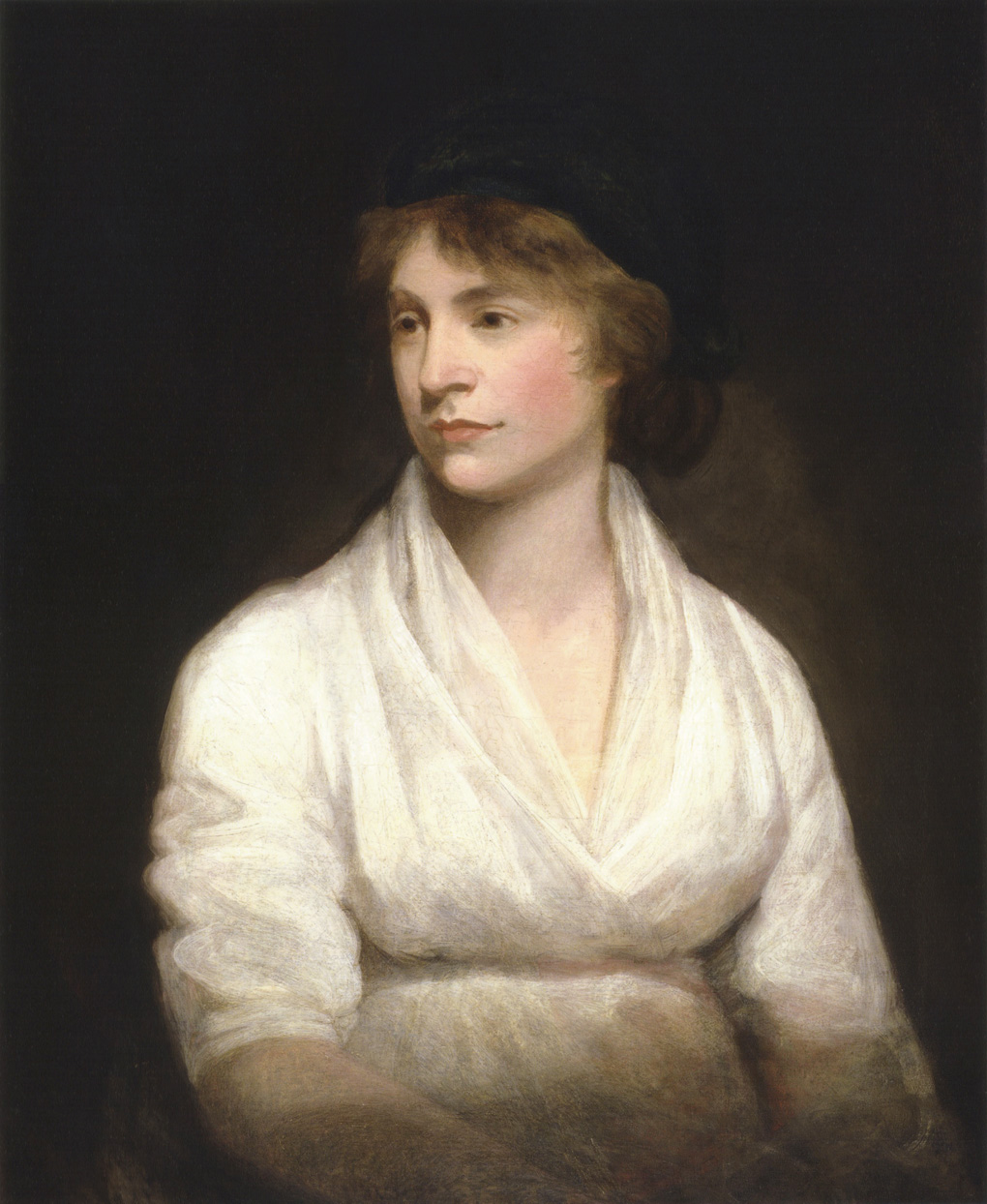
Mary Wollstonecraft
John Opie · 1797
 Book
Primary source
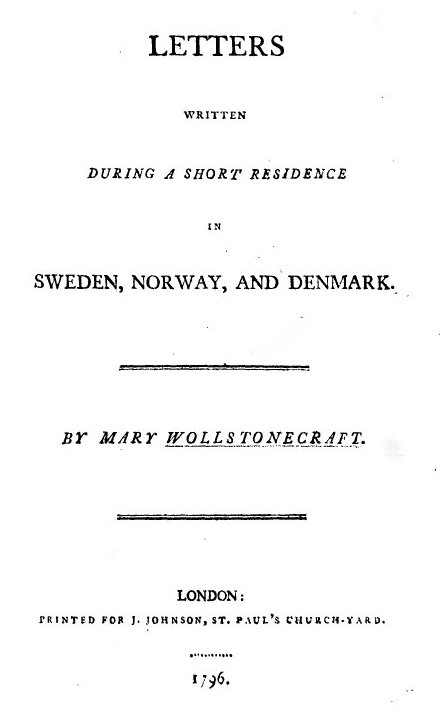
Letters Written During a Short Residence in Sweden, Norway, and Denmark
Mary Wollstonecraft · 1796
Primary source
Memoirs of the Author of A Vindication of the Rights of Woman
William Godwin · 1798
Ready when you are
Start chatting with Mary Wollstonecraft now.
20 messages free · No credit card · Available in 50+ languages.