


Secondary sourceArtifact
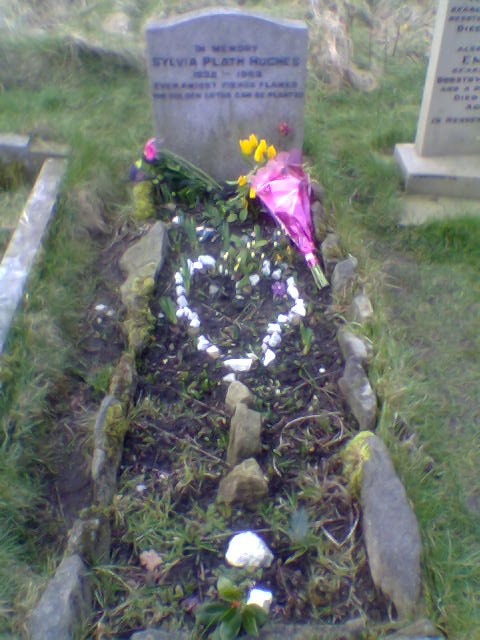
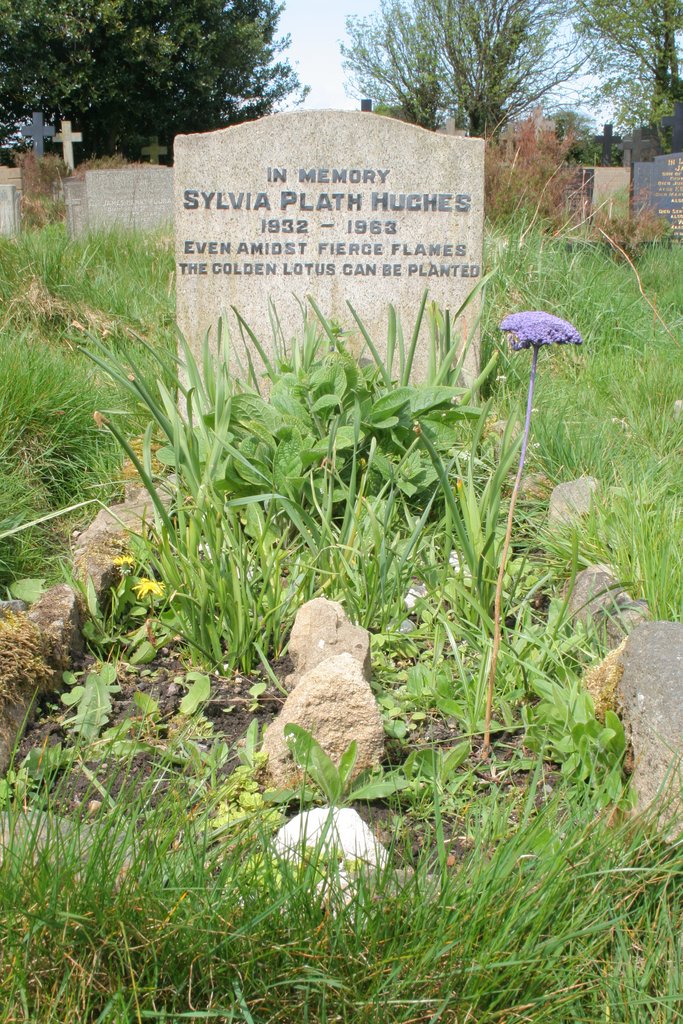
Grave of Sylvia Plath
Plath's gravestone at Heptonstall churchyard, inscribed with her married name, which has repeatedly been vandalised by critics of her husband Ted Hughes.
Plath's grave, whose repeatedly defaced name is physical evidence of the battles over how she is remembered.
About this source
What it is
This is a photograph of Sylvia Plath's grave in the churchyard at Heptonstall, West Yorkshire, England. The headstone reads "In memory Sylvia Plath Hughes 1932 to 1963" and the plot is decorated with flowers and a heart of white pebbles.
Why it matters
The grave records Plath's married surname, Hughes, after her husband the poet Ted Hughes. This has been controversial: some visitors have repeatedly defaced or chiselled off the name "Hughes" from the stone, seeing it as unfair given the pain surrounding their marriage and her death. The grave itself has therefore become a site of ongoing public argument over how Plath should be remembered.
Look closer
- Why might people care so much about which name appears on someone's grave?
- What does the repeated vandalism and repair of this stone tell us about how Plath's legacy has been fought over?
- What does a grave, as a historical object, tell us that a poem or letter cannot?
This artifact is part of the curated material that grounds the AI version of Sylvia Plath on Humy.ai — when students ask about related events, the AI can quote it and cite it.
More Sylvia Plath sources
Browse all 12 →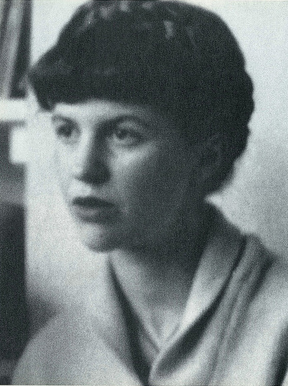 Photograph
Primary source
Portrait of Sylvia Plath
 Document
Primary source
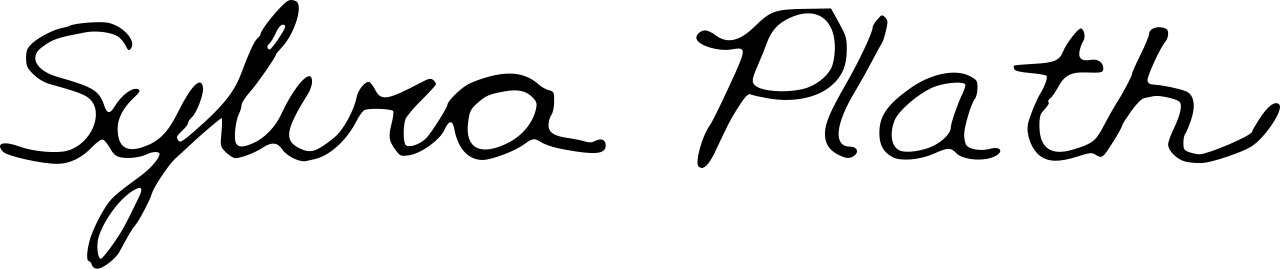
Signature of Sylvia Plath
Sylvia Plath · August 1953
Secondary source
Plath's Childhood Manuscripts at the NYPL
Gothamist · 21 February 2017
Secondary source
Plath's Books and Items at the NYPL
Gothamist · 13 October 2016
Free account
Read every Sylvia Plath source
Sign up free →
Ready when you are
Start chatting with Sylvia Plath now.
20 messages free · No credit card · Available in 50+ languages.