


Primary sourceArtifactc. 1780
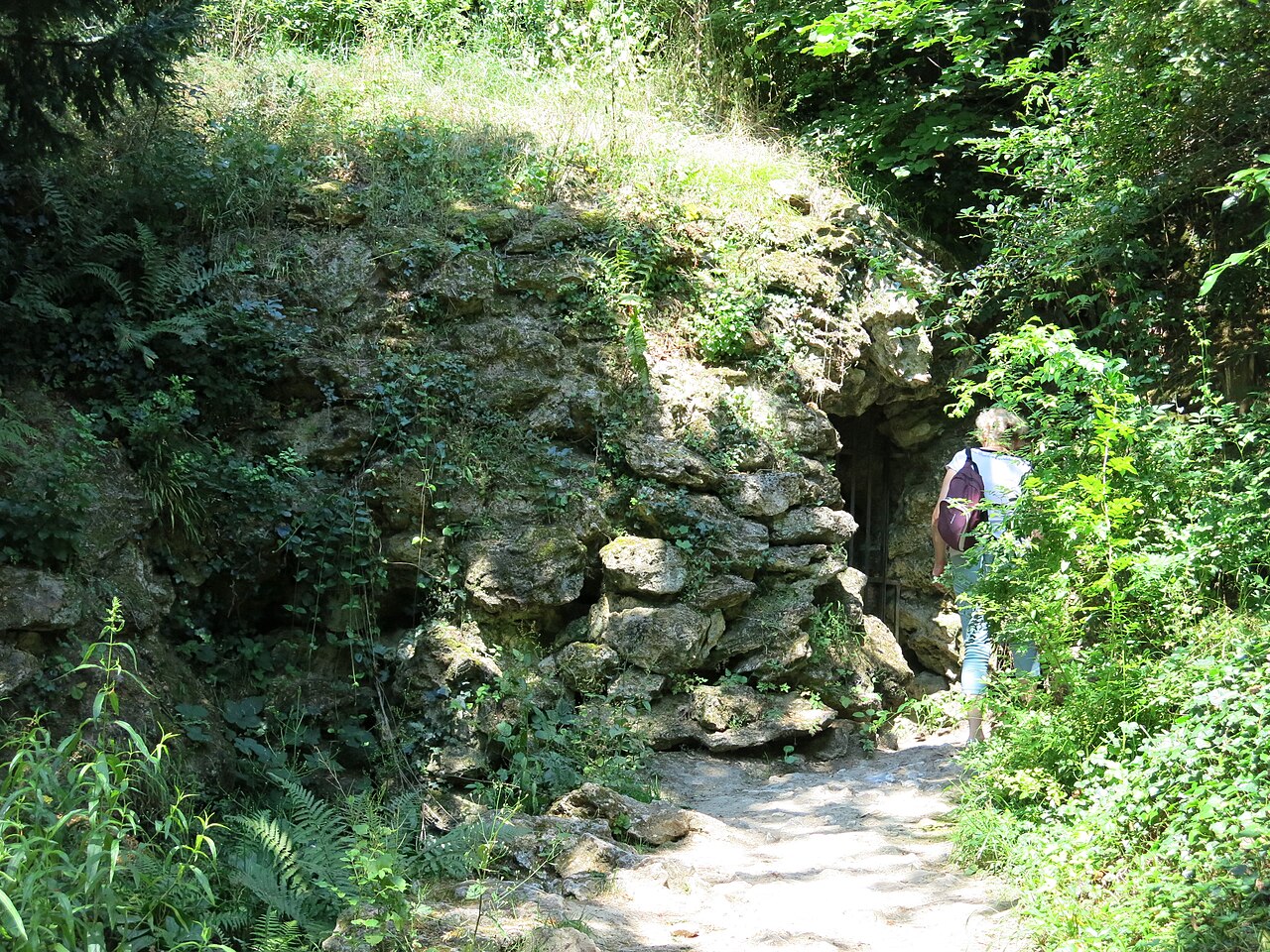
Grotto of the Petit Trianon
c. 1780
An artificial rock grotto in the English garden of the Petit Trianon, built around 1780 for Marie Antoinette.
Marie Antoinette commissioned this grotto for her private garden, and legend ties it to the start of the Revolution's turning point for her.
About this source
What it is
This is an artificial grotto built into the hillside of the English garden surrounding the Petit Trianon at Versailles, dated to around 1780. It is a rocky structure covered in moss and ferns, with a narrow doorway leading inside.
Why it matters
The grotto was part of the landscaped garden Marie Antoinette had created at the Petit Trianon, reflecting the fashionable taste for naturalistic English-style gardens among the French elite. According to tradition, it was here that she is said to have learned of the march on Versailles in October 1789, an event that forced the royal family back to Paris and marked a turning point in the Revolution.
Look closer
- Why might a queen want a 'natural'-looking cave built in her formal royal gardens?
- What does the legend about October 1789 add to how we remember this place?
- How might a photograph of the grotto today differ from how it looked in the 1780s?
This artifact is part of the curated material that grounds the AI version of Marie Antoinette on Humy.ai — when students ask about related events, the AI can quote it and cite it.
More Marie Antoinette sources
Meet the AI Marie Antoinette →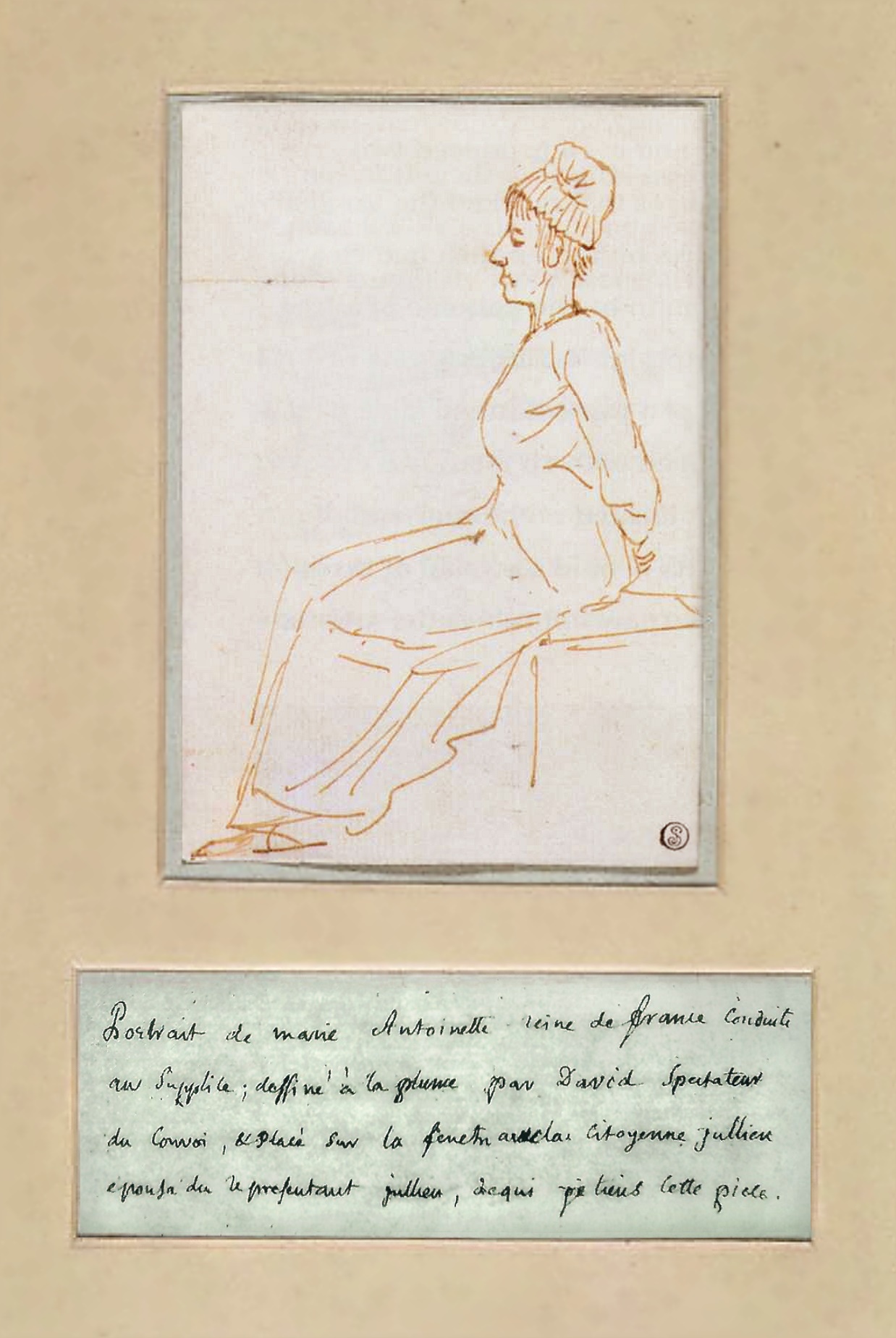 Painting
Primary source
Marie Antoinette Being Taken to Her Execution
Jacques-Louis David · 16 October 1793
 Painting
Primary source
Marie Antoinette and Her Children
Élisabeth Louise Vigée Le Brun · 1787
 Painting
Primary source
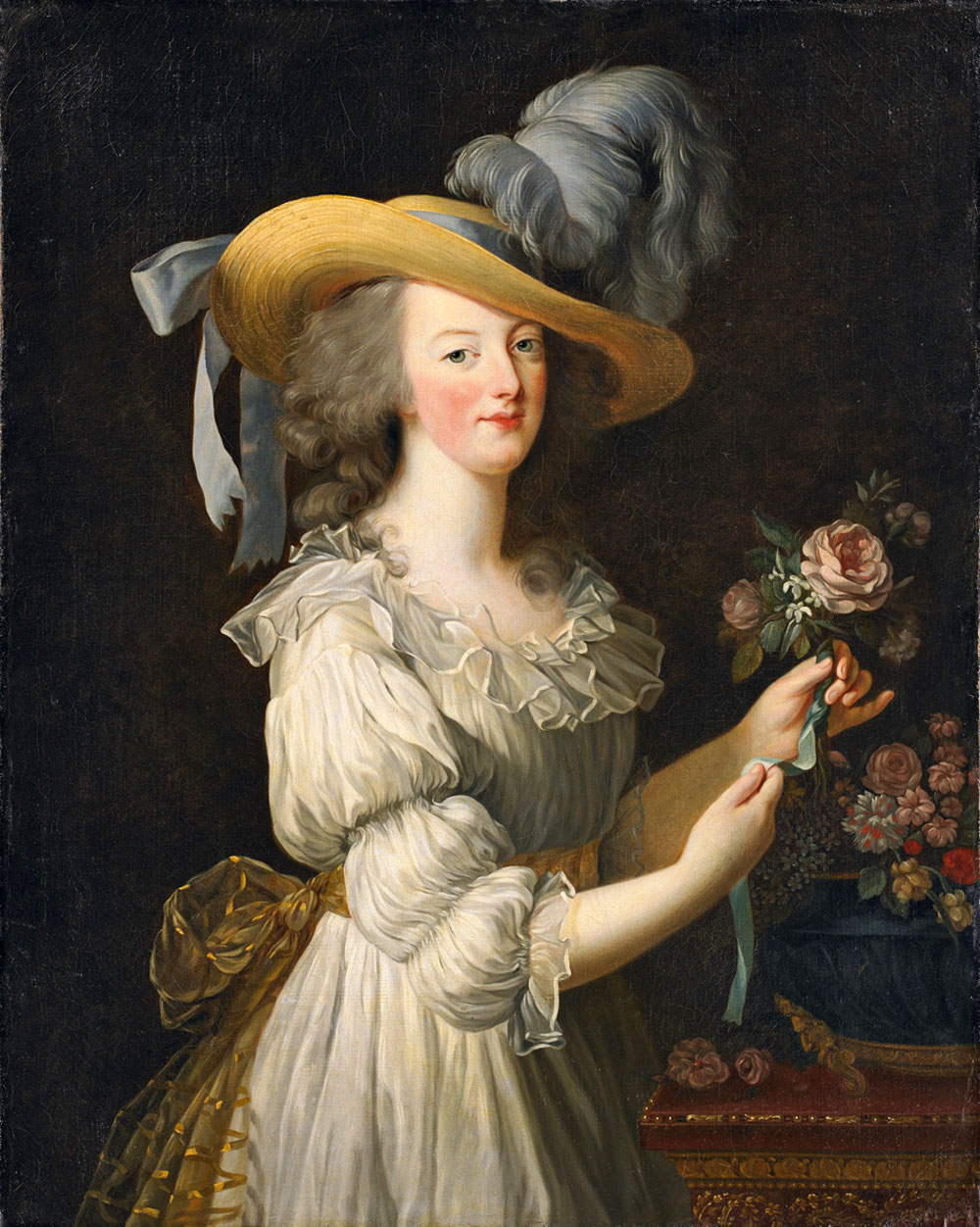
Marie Antoinette in a Muslin Dress
Élisabeth Louise Vigée Le Brun · 1783
 Letter
Primary source
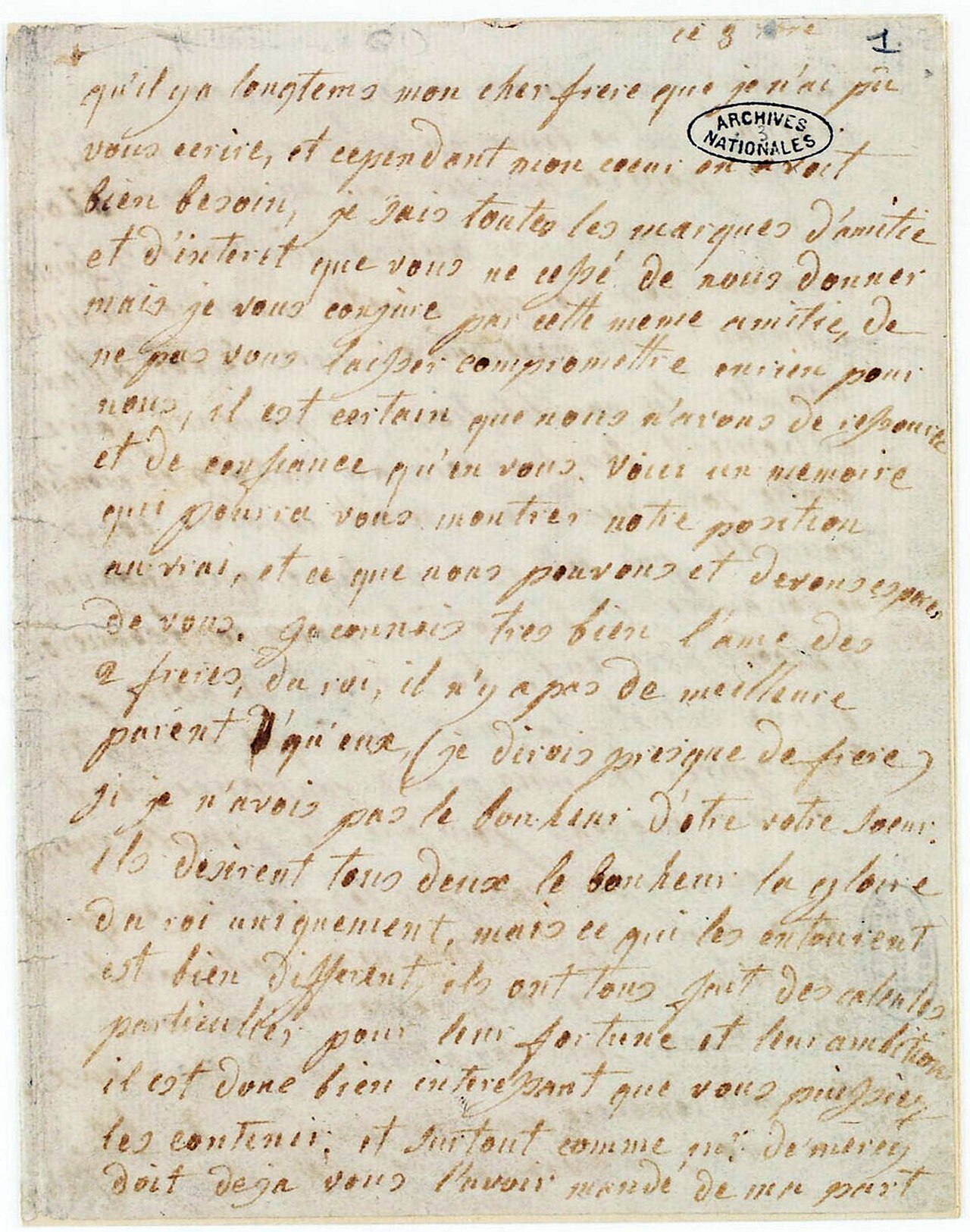
Letter to Her Brother Emperor Leopold II
Marie Antoinette · 8 September 1791
 Artifact
Primary source
Petit Trianon
Ange-Jacques Gabriel · 1762-1768
Ready when you are
Start chatting with Marie Antoinette now.
20 messages free · No credit card · Available in 50+ languages.