


Primary sourceBook1896-1904
Hadji Murat
Leo Tolstoy · 1896-1904
A late novella by Tolstoy about a real Avar rebel commander, exposing the cruelty of the Caucasian War.
One of Tolstoy's final major works, written from his own Caucasian War experience as he neared death.
About this source
What it is
A novella written by Leo Tolstoy between 1896 and 1904, published after his death in 1912 (full text 1917). It tells of Hadji Murat, a real Avar guerrilla commander who allies with the Russians against his former leader Shamil.
Why it matters
Tolstoy drew on his own military experience in the Caucasus and on Russian archives, including Hadji Murat's own account of his life, to contrast the rigid Russian imperial court with the mountain tribes' way of life. Written as Tolstoy's health failed, the work gave him, by his own account, a final burst of creative energy, and it critiques the despotism of both the Russian tsar and the rebel leader Shamil.
Look closer
- Why might Tolstoy have chosen a real historical figure as his main character?
- What does the opening image of a crushed but living thistle suggest about the story's themes?
- How does the story criticize power on both the Russian and Caucasian sides?
This book is part of the curated material that grounds the AI version of Leo Tolstoy on Humy.ai — when students ask about related events, the AI can quote it and cite it.
More Leo Tolstoy sources
Meet the AI Leo Tolstoy →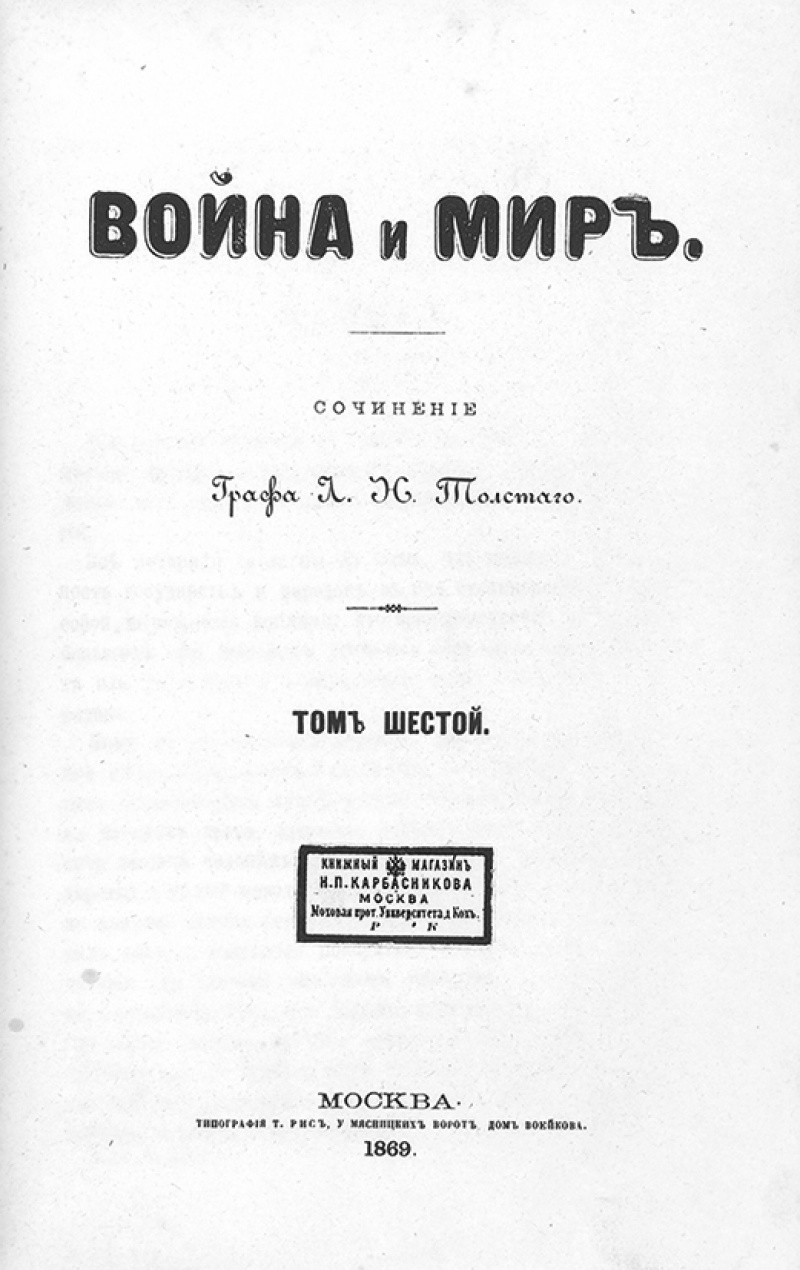 Book
Primary source
War and Peace
Leo Tolstoy · 1863–1869
 Photograph
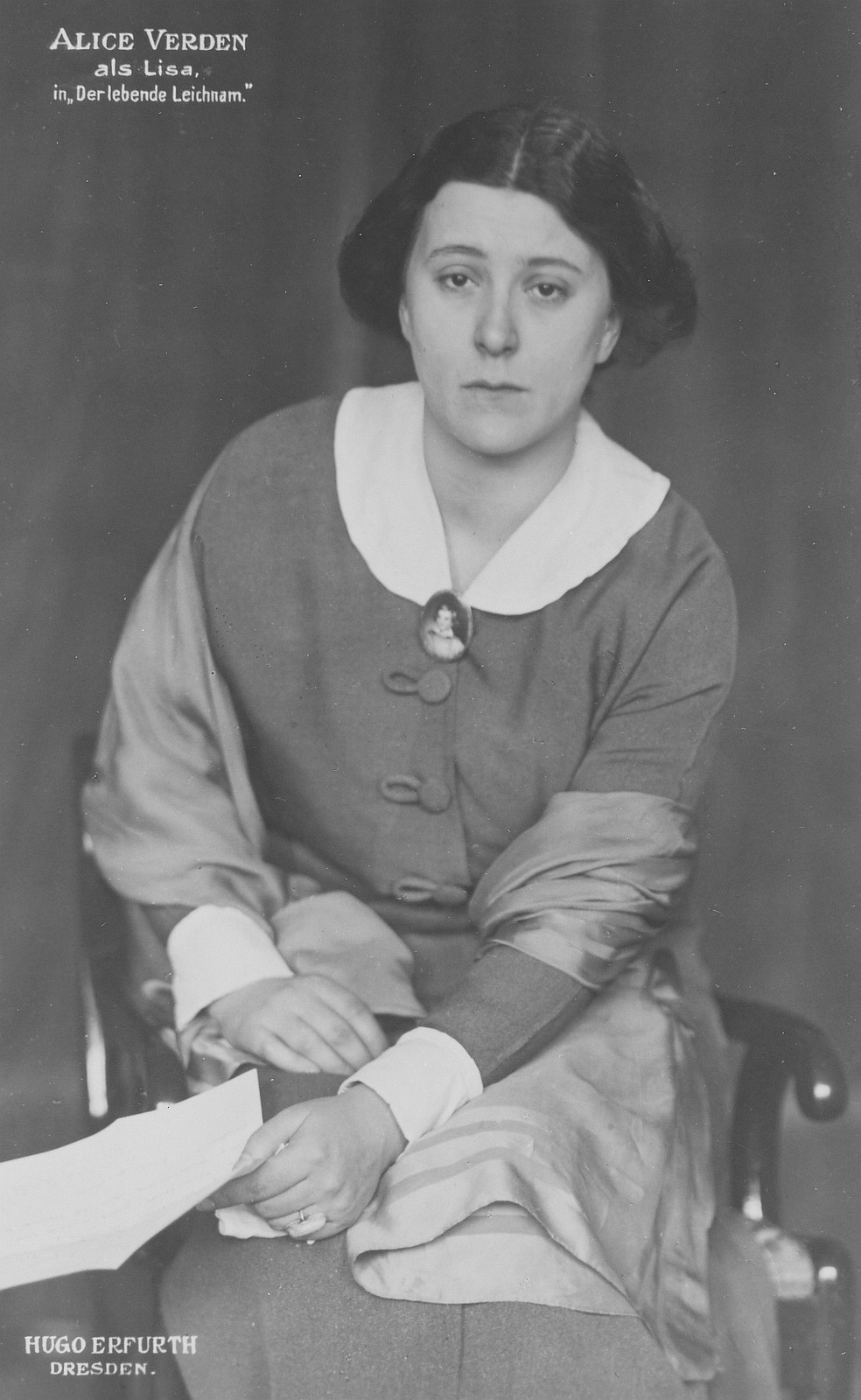
Secondary source
Alice Verden as Lisa in The Living Corpse
Hugo Erfurth · 23 December 1913
 Book
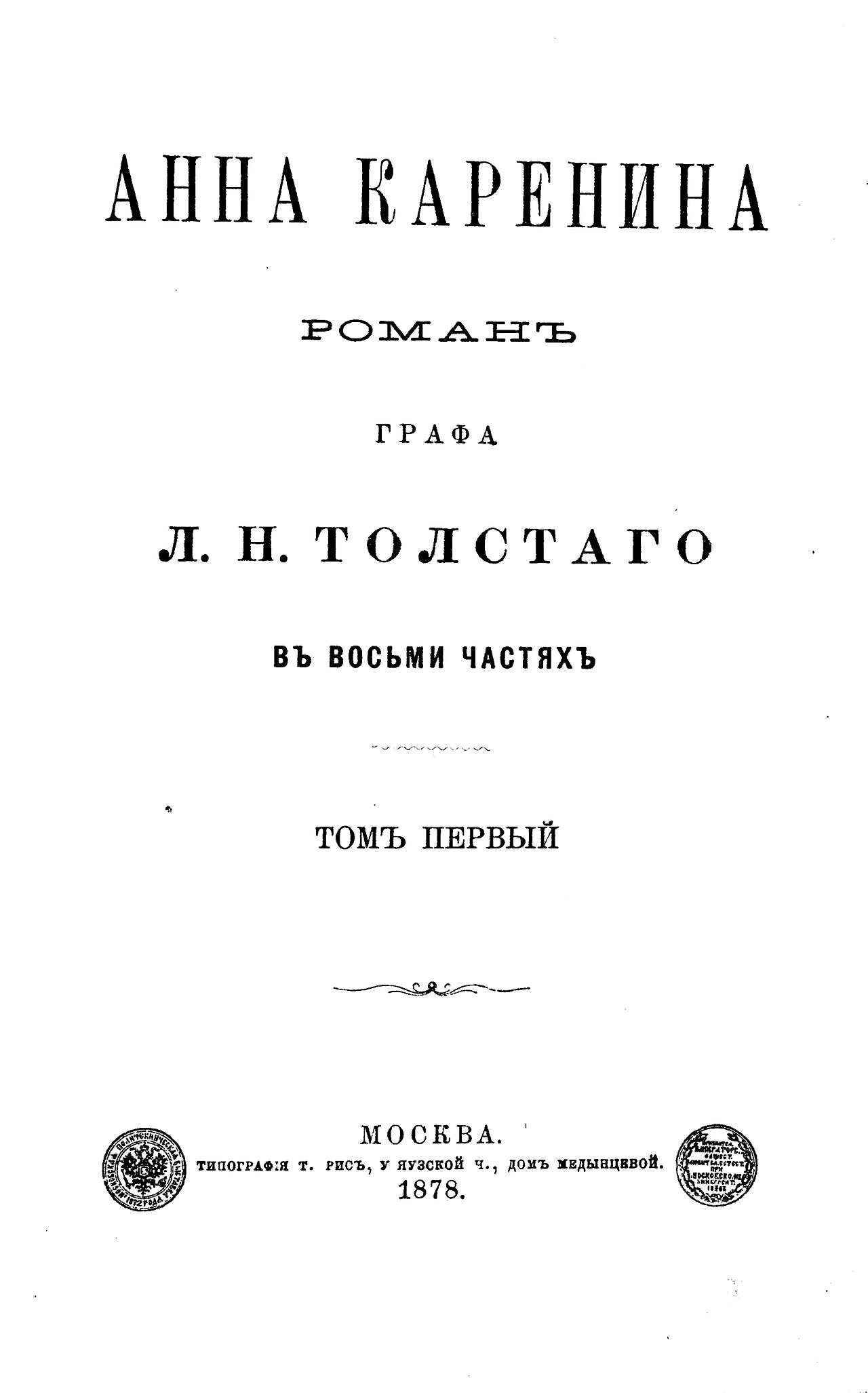
Primary source
Anna Karenina
Leo Tolstoy · 1875–1878
 Book
Primary source
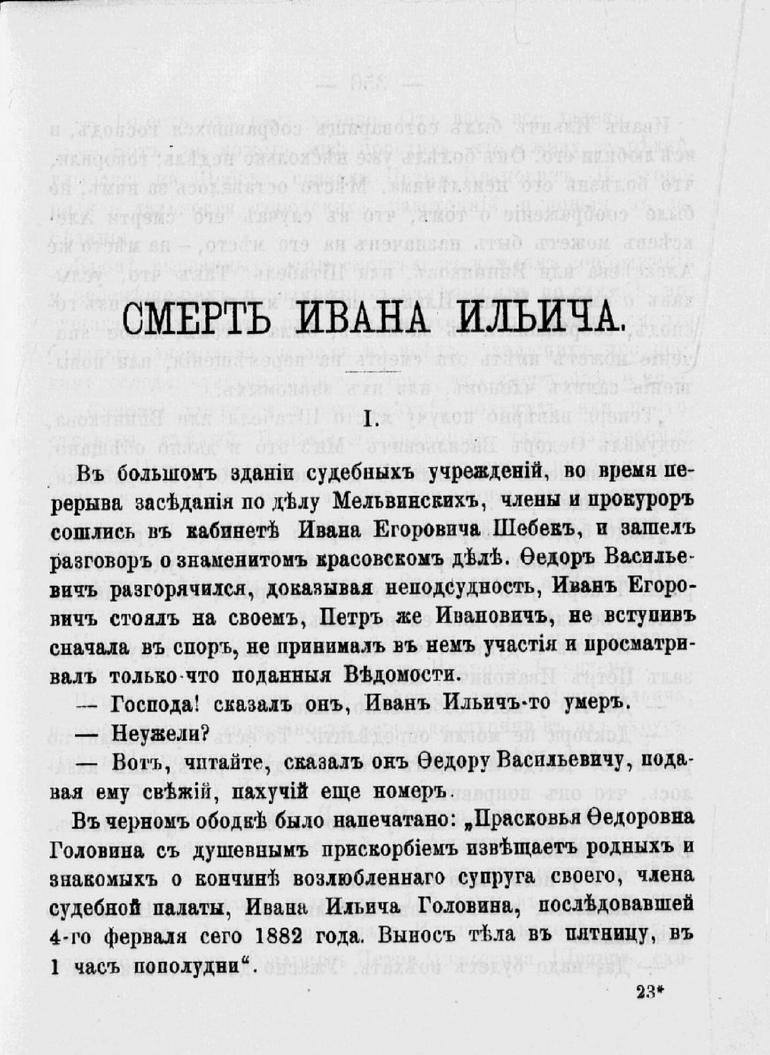
The Death of Ivan Ilyich
Leo Tolstoy · 1886 (written 1882)
Primary source
A Confession
Leo Tolstoy · written 1879–1880, published 1882
Ready when you are
Start chatting with Leo Tolstoy now.
20 messages free · No credit card · Available in 50+ languages.