


Primary sourceArtifactafter 118 BCE
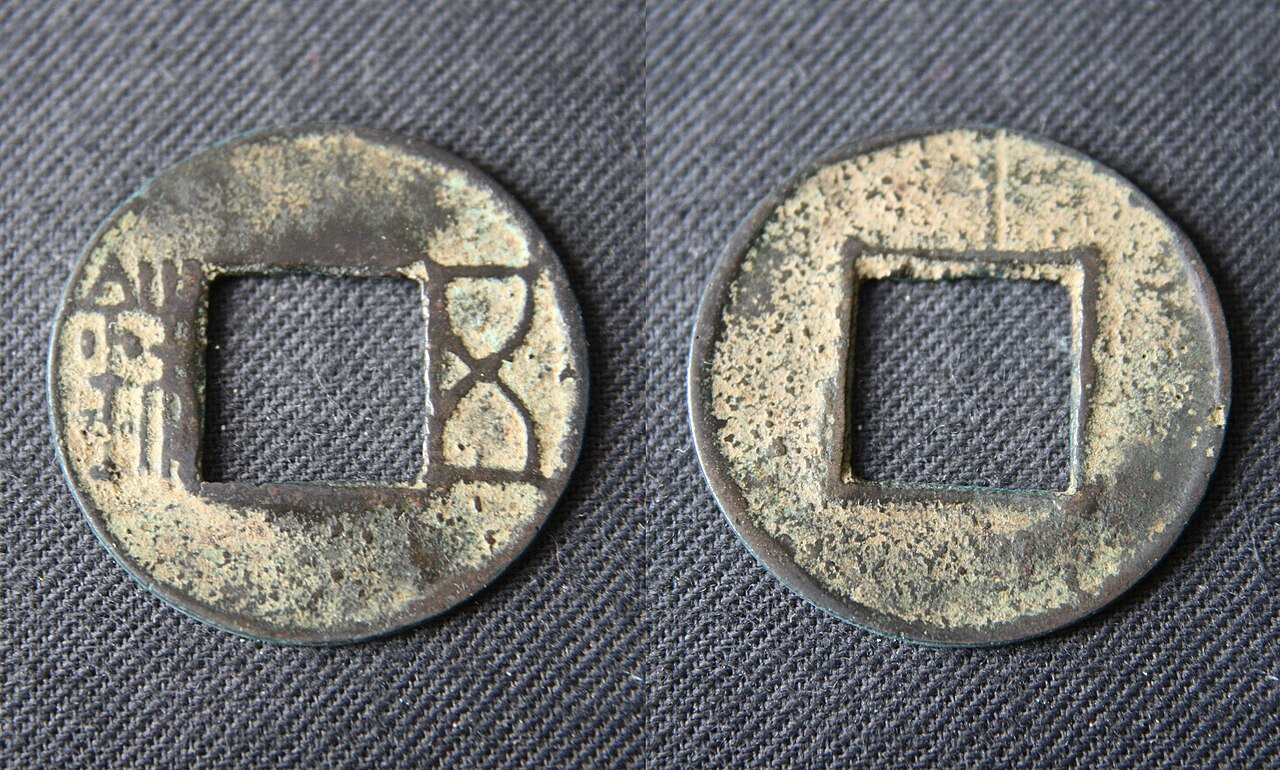
Han Wu Zhu Coin of Emperor Wu
after 118 BCE
A bronze wuzhu cash coin, the standard currency introduced under Emperor Wu's monetary reform, used in China for centuries.
This coin type was introduced under Wu's monetary reform, which centralised minting and became standard for centuries.
About this source
What it is
This photograph shows a corroded bronze wuzhu coin, a round coin with a square central hole and faint characters near the hole. The wuzhu coin type was introduced in 118 BCE when minting was centralised under Emperor Wu of Han.
Why it matters
This coin is direct physical evidence of one of Wu's major reforms: taking control of coinage away from private mints and standardising currency across the empire. The wuzhu went on to become China's standard coin for seven centuries, showing how long-lasting the effects of Wu's economic policies were.
Look closer
- What does the coin's simple design tell you about what a government wants from its currency?
- Why might a ruler want to centralise control of coin-making rather than leaving it to private mints?
- What does the coin's long use after Wu's reign suggest about the success of this reform?
This artifact is part of the curated material that grounds the AI version of Emperor Wu of Han on Humy.ai — when students ask about related events, the AI can quote it and cite it.
More Emperor Wu of Han sources
Browse all 93 →Primary source
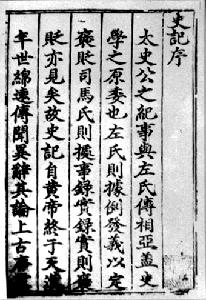
Annals of Emperor Xiaowu (Shiji, Vol. 12)
Sima Qian · c. 100 BCE
 Book
Secondary source
Records of the Grand Historian
Sima Qian · c. 90 BC
Primary source
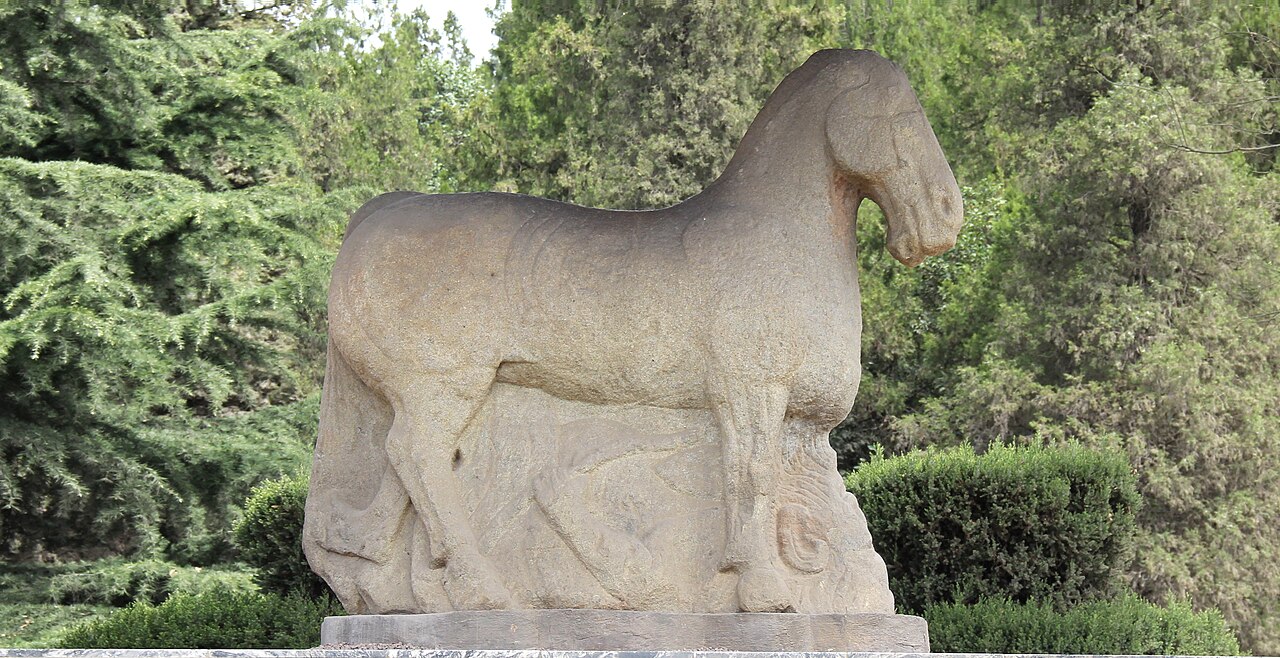
Autumn Wind Rhapsody
Emperor Wu of Han · 2nd century BCE
 Book
Secondary source
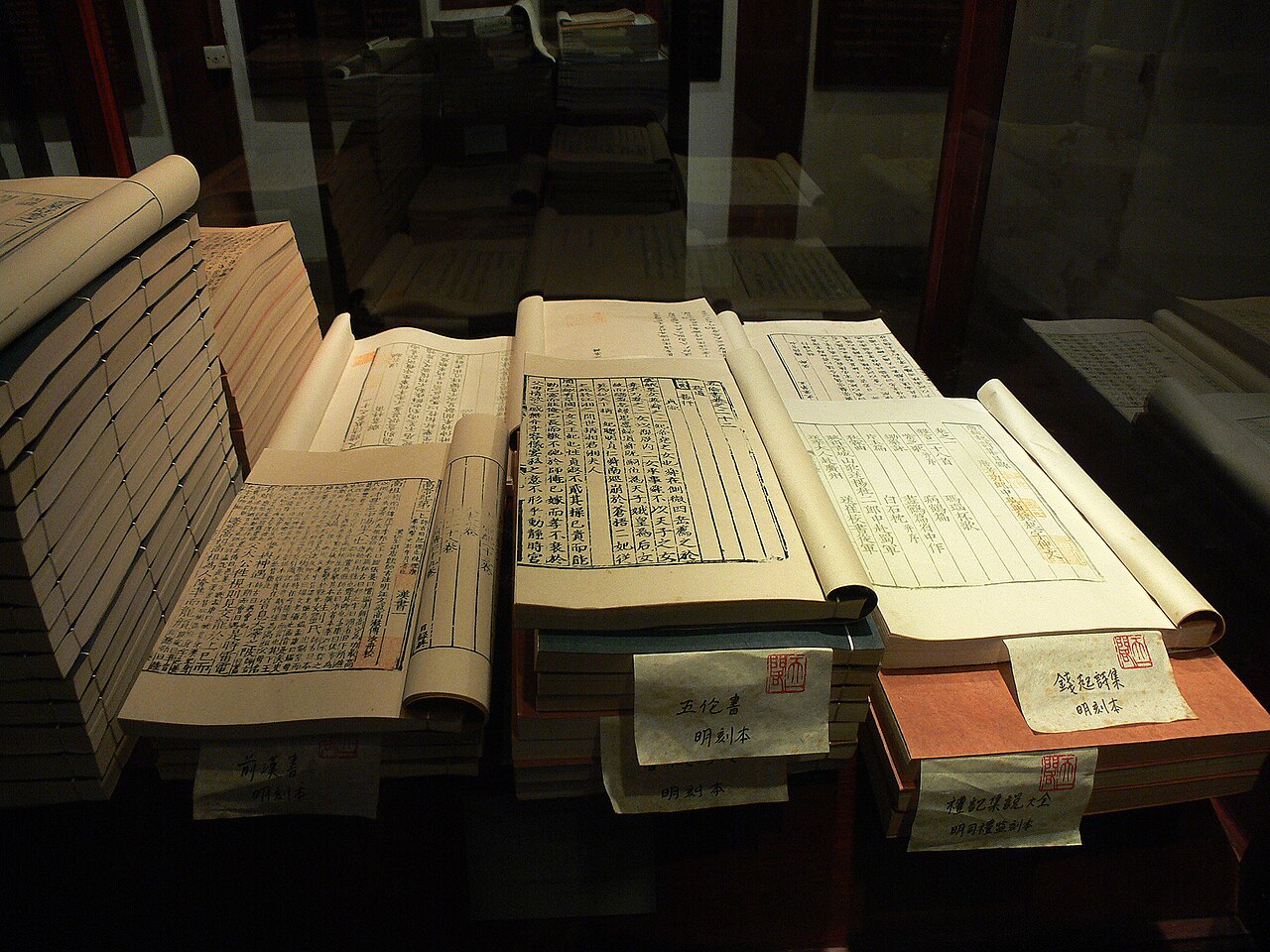
Book of Han
Ban Gu (with Ban Zhao and Ban Biao) · finished 111 CE

Free account
Read every Emperor Wu of Han source
Sign up free →
Ready when you are
Start chatting with Emperor Wu of Han now.
20 messages free · No credit card · Available in 50+ languages.