


Primary sourceDocumentc. 965
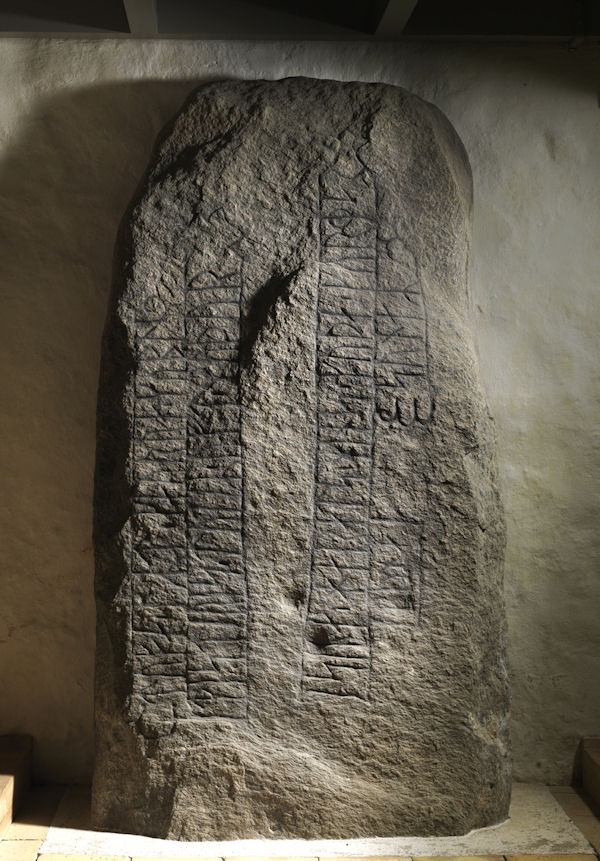
Harald's Runestone
Harald Bluetooth · c. 965
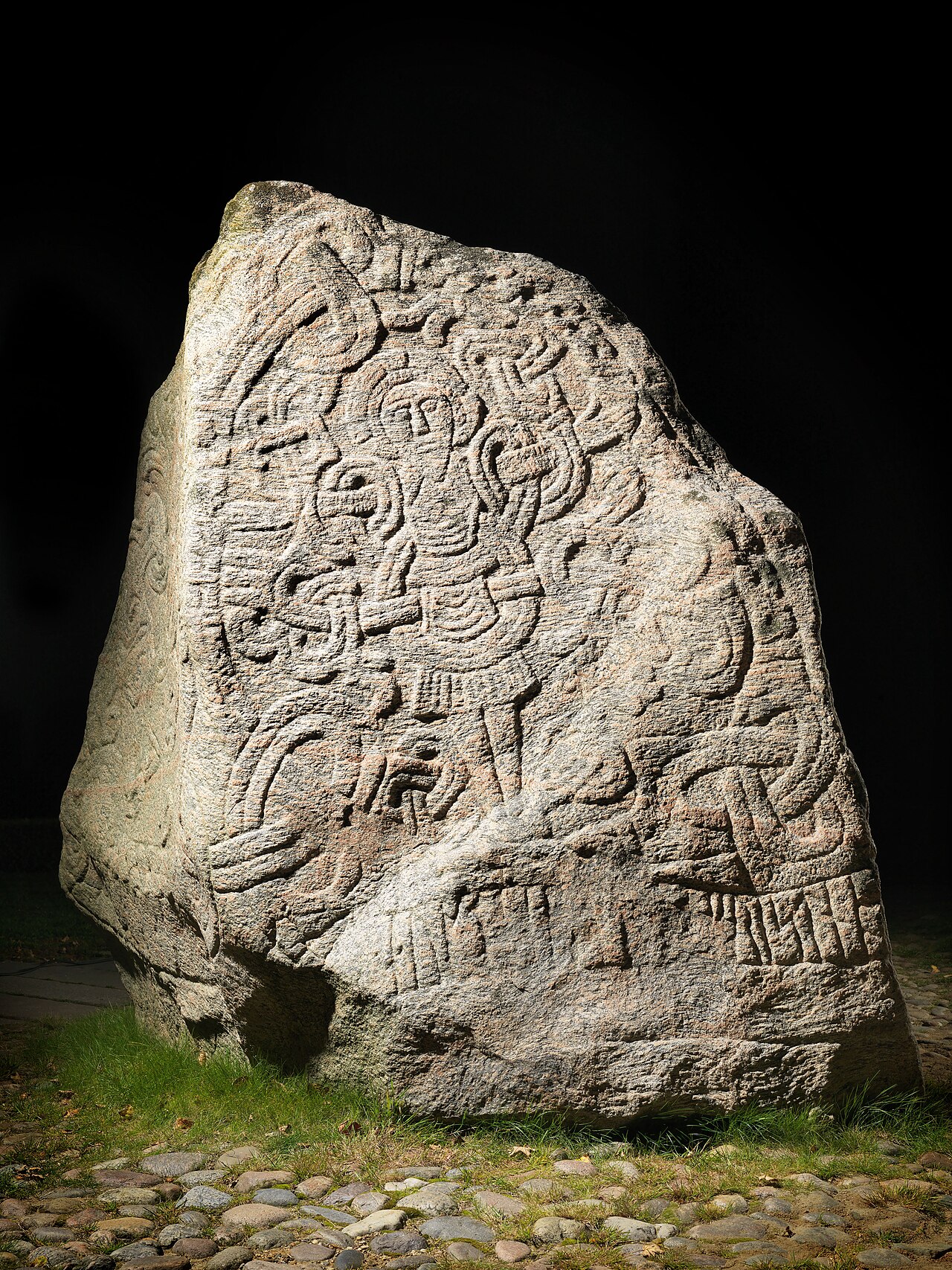
The large Jelling runestone, raised by Harald Bluetooth around 965, declares his conquest of Denmark and Norway and the Christianisation of the Danes.
Harald commissioned this stone himself to proclaim his conquests and his Christianisation of Denmark.
About this source
What it is
This granite runestone was commissioned by King Harald Bluetooth around 965 and still stands at Jelling, Denmark. It is covered in carved knotwork, animal ornament and figures, including the oldest known image of Christ in Scandinavia.
Its runic inscription records Harald's own claim that he won all of Denmark and Norway and made the Danes Christian.
Why it matters
Because it is Harald's own public statement, historians call it Denmark's 'baptismal certificate.' It shows how a Viking-age king used stone, writing and Christian imagery to announce political power and religious change at the same time.
- What does the runestone claim Harald achieved, and how might that differ from what actually happened?
- Why would a king want his achievements carved permanently in stone rather than just spoken or written on paper?
- What does the image of Christ tell us about why Harald wanted this message seen?
This document is part of the curated material that grounds the AI version of Harald Bluetooth on Humy.ai — when students ask about related events, the AI can quote it and cite it.
More Harald Bluetooth sources
Browse all 41 →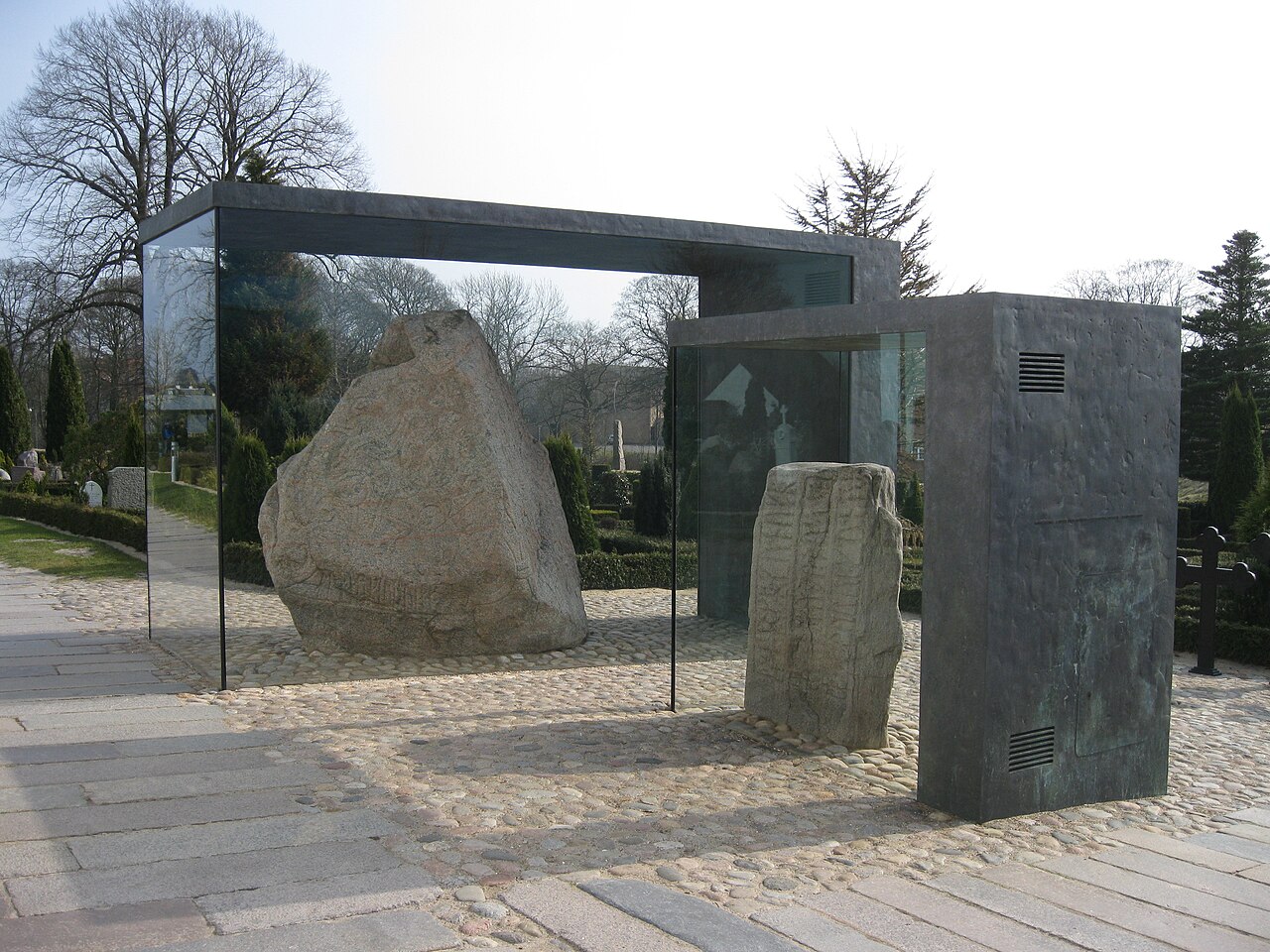

Ready when you are
Start chatting with Harald Bluetooth now.
20 messages free · No credit card · Available in 50+ languages.