


Secondary sourceArtifact1860
Have Mercy (Miserere), for five-part choir
Friedrich Wilhelm Nietzsche · 1860
A choral work for five voices composed by Nietzsche in 1860 as a contribution to Germania. This audio file is a later recording of the piece, not a recording from his lifetime.
This choral work by Nietzsche from 1860 shows his early composing, before he became known as a philosopher.
About this source
What it is
This is an audio file of Have Mercy, a choral work for five-part choir without instruments, composed by Friedrich Wilhelm Nietzsche in summer 1860 as a contribution to Germania. The work sets Psalm 51, a prayer for mercy and forgiveness, and Nietzsche uses only every second verse. The file is a recording made long after the composition. The record does not name the performers or the recording date, so students should not treat it as the voices of the 1860 performance.
Why it matters
The piece shows Nietzsche as a young composer, years before he became known for his philosophy. It reveals his early training in music and his interest in religious texts, even though he later turned away from religion. Listening to it helps students see another side of a figure usually studied only through his writings.
Look closer
- Why might Nietzsche have chosen only every second verse of the psalm?
- How does the sound of the recording differ from what the 1860 singers might have heard, and what might be lost?
- What does a piece of church music written for a magazine-like collection suggest about the audience he expected?
This artifact is part of the curated material that grounds the AI version of Friedrich Nietzsche on Humy.ai — when students ask about related events, the AI can quote it and cite it.
More Friedrich Nietzsche sources
Meet the AI Friedrich Nietzsche →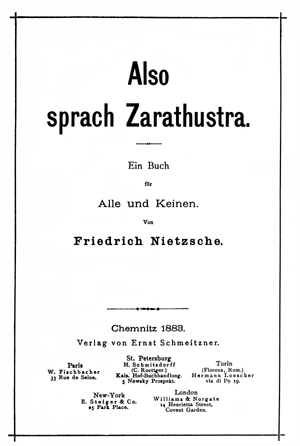 Book
Primary source
Thus Spoke Zarathustra
Friedrich Nietzsche · 1883-1885
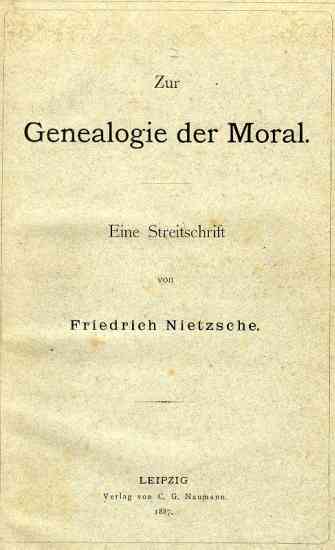 Book
Primary source
On the Genealogy of Morality
Friedrich Nietzsche · 1887
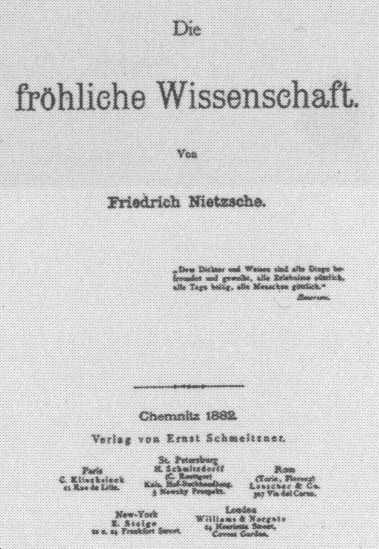 Book
Primary source
The Gay Science
Friedrich Nietzsche · 1882
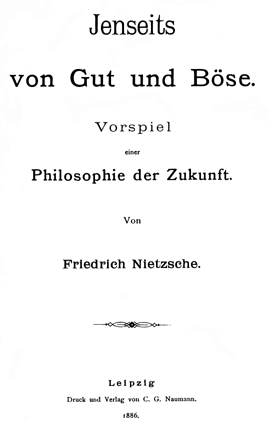 Book
Primary source
Beyond Good and Evil
Friedrich Nietzsche · 1886
 Book
Primary source
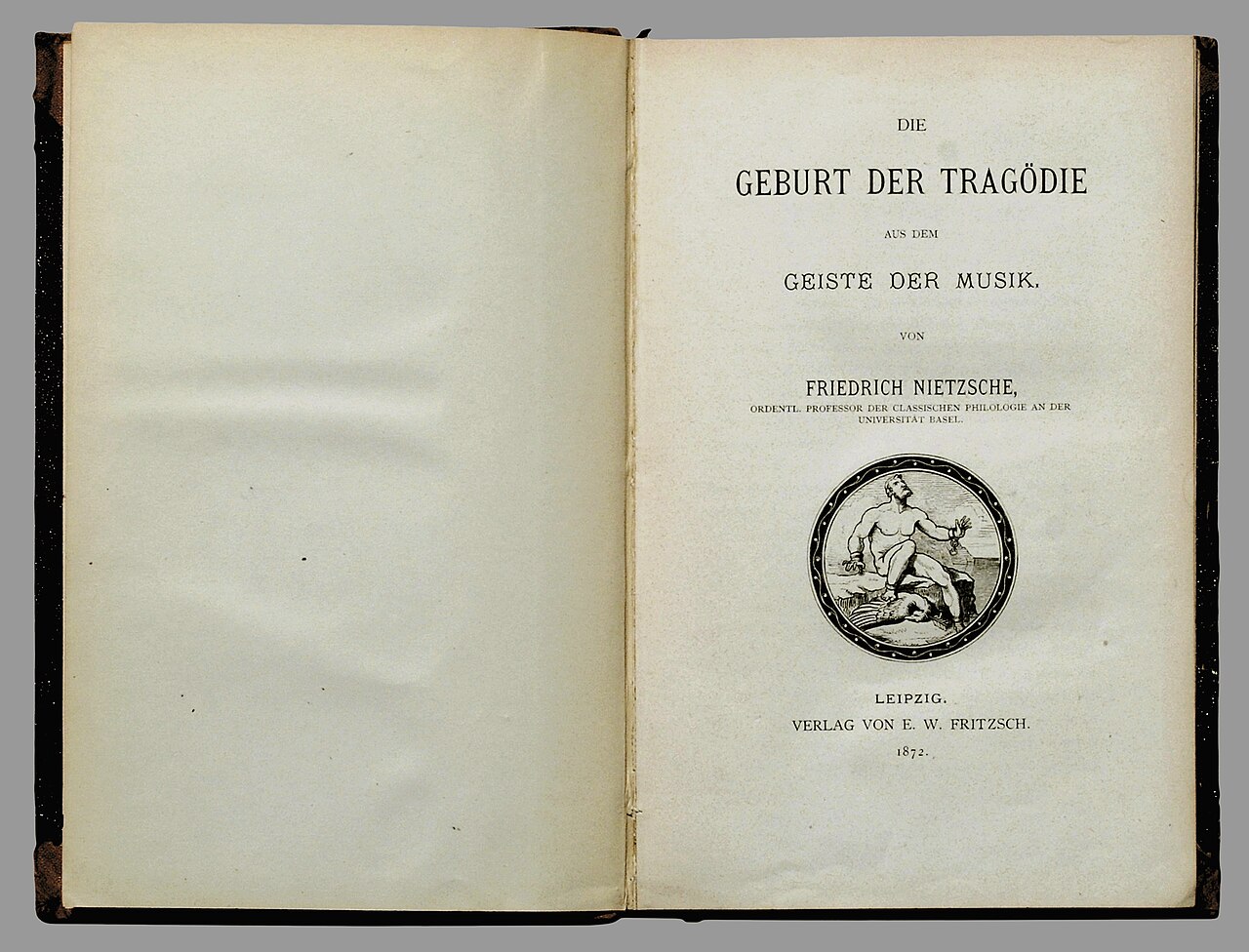
The Birth of Tragedy
Friedrich Nietzsche · 1872
Ready when you are
Start chatting with Friedrich Nietzsche now.
20 messages free · No credit card · Available in 50+ languages.