


Primary sourceArtifact1919
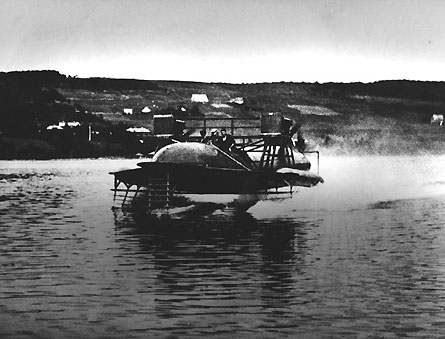
HD-4 Hydrofoil
Alexander Graham Bell and F. W. (Casey) Baldwin · 1919
The surviving hull of an experimental watercraft built by Bell and Casey Baldwin that set a world water-speed record in 1919.
A hydrofoil Bell co-designed late in life, showing his engineering work beyond the telephone.
About this source
What it is
The HD-4 was an experimental hydrofoil watercraft developed by Alexander Graham Bell together with F. W. (Casey) Baldwin. It is held at the Alexander Graham Bell National Historic Site in Baddeck, Nova Scotia.
Why it matters
Built late in Bell's life, the HD-4 set a world water-speed record in 1919 and shows his continued engineering ambitions decades after inventing the telephone. Working with Baldwin, Bell pursued hydrofoil design as part of a broader interest in transportation and aeronautics based at his Nova Scotia estate.
Look closer
- What does this project show about Bell's interests beyond the telephone, for which he is most famous?
- Why might an inventor already famous and wealthy continue risky experimental engineering work?
- What does the partnership with Casey Baldwin tell you about how inventions often involve teams, not lone geniuses?
This artifact is part of the curated material that grounds the AI version of Alexander Graham on Humy.ai — when students ask about related events, the AI can quote it and cite it.
More Alexander Graham sources
Meet the AI Alexander Graham →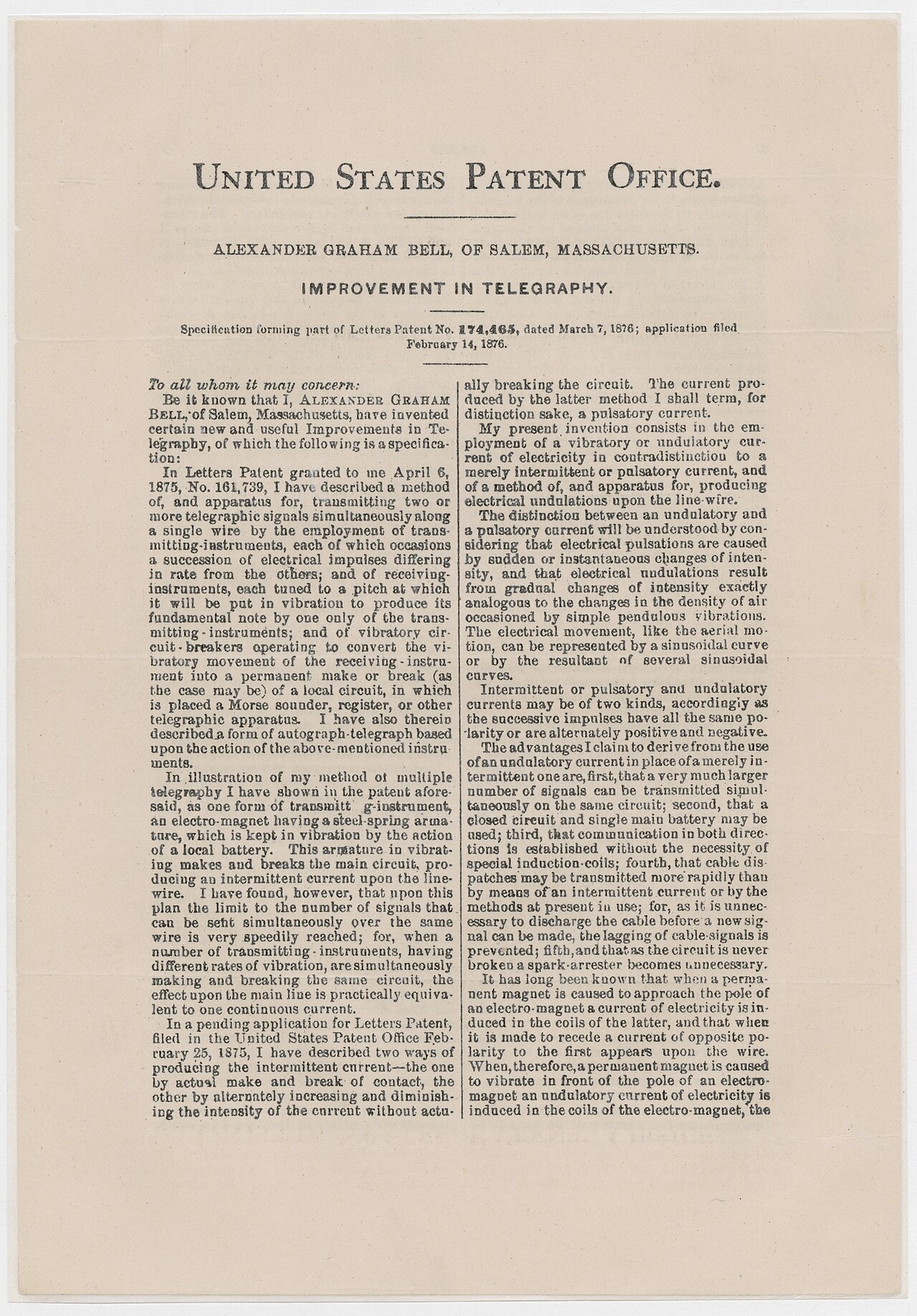 Document
Primary source
U.S. Patent No. 174,465, Improvement in Telegraphy
Alexander Graham Bell · 7 March 1876
Primary source
Recording of the Voice of Alexander Graham Bell
Alexander Graham Bell · 1885
 Painting
Primary source
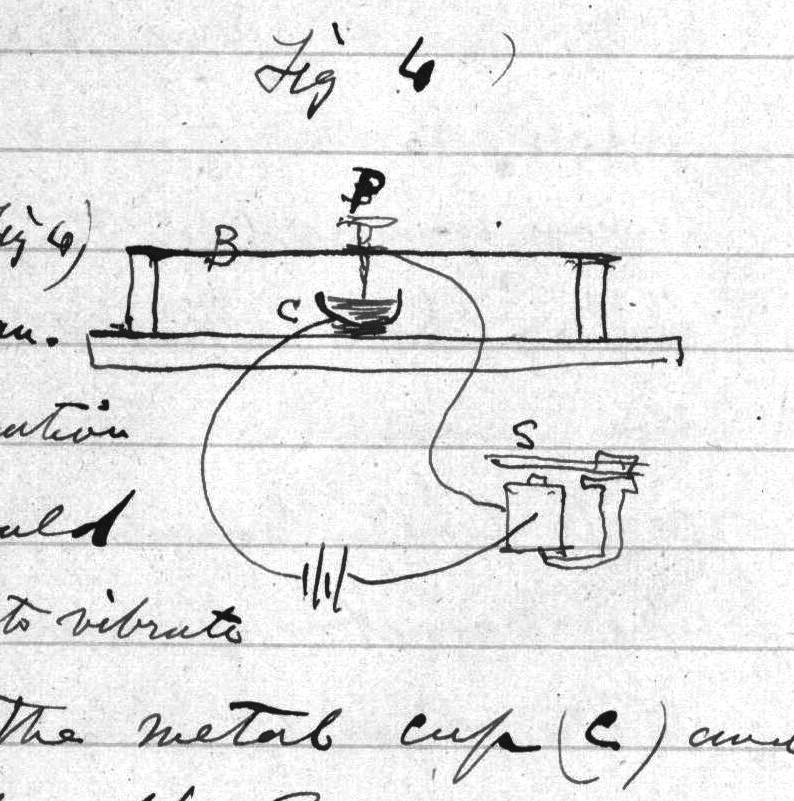
Drawing of a Liquid Transmitter, 8 March 1876
Alexander Graham Bell · 8 March 1876
Primary source
Memoir Upon the Formation of a Deaf Variety of the Human Race
Alexander Graham Bell · 1884
 Photograph
Primary source
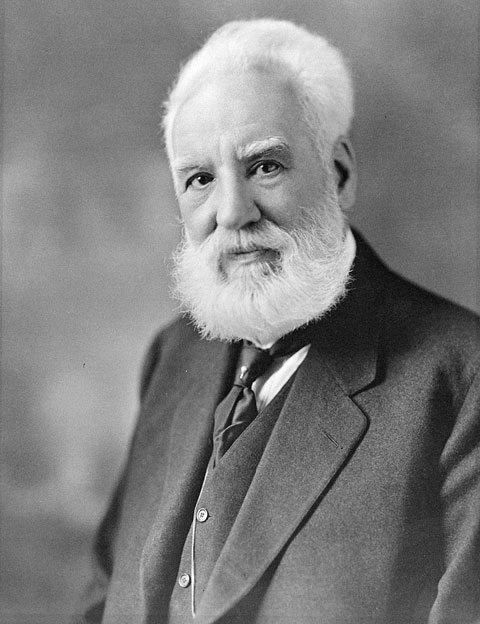
Portrait of Alexander Graham Bell
Moffett Studio
Ready when you are
Start chatting with Alexander Graham now.
20 messages free · No credit card · Available in 50+ languages.