


Primary sourcePainting1924-1925
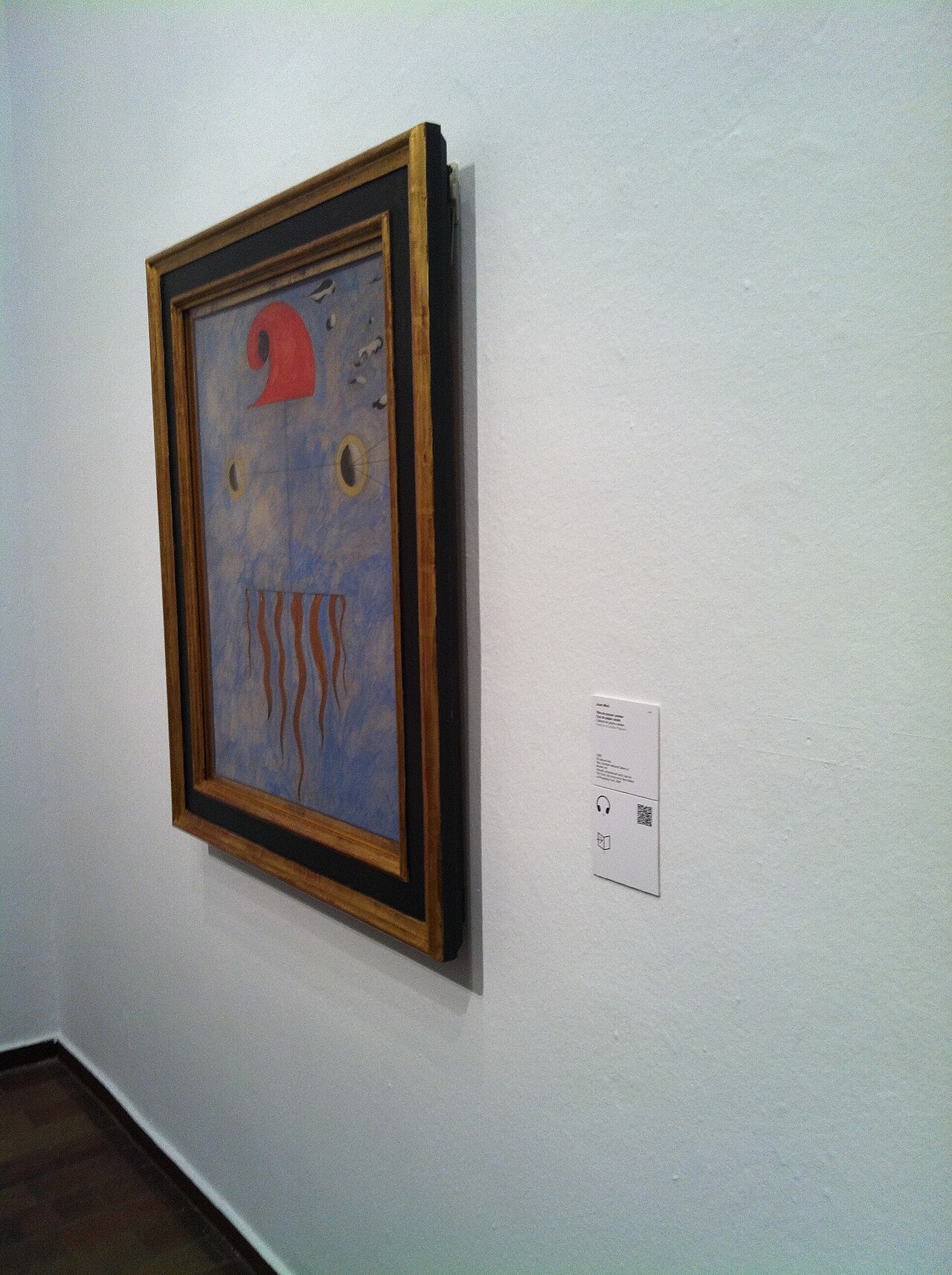
Head of a Catalan Peasant
Joan Miró · 1924-1925
A series of paintings by Joan Miró from the mid-1920s showing a simplified farmer's head, tied to his Catalan identity.
This series was painted entirely by Miró as a personal response to Catalan identity and politics of his time.
About this source
What it is
Head of a Catalan Peasant is a series of oil paintings and drawings made by Joan Miró between 1924 and 1925, partly while he was in Paris. Different versions are held today in museums including the Moderna Museet in Stockholm, the National Gallery of Art, and the Scottish National Gallery of Modern Art.
Why it matters
Miró created this series after the Catalan language was banned under the regime of Miguel Primo de Rivera, making the Catalan peasant's cap, or barretina, a symbol of his identity and resistance. The works show Miró developing his own simplified sign language, moving from the rural scenes of his homeland toward the Surrealist style he explored in Paris.
Look closer
- What simple shapes and symbols does Miró use to represent a whole person and a place?
- Why might an artist choose to simplify a figure rather than paint it realistically?
- How might political events, like a language being banned, show up in an artist's choice of subject?
This painting is part of the curated material that grounds the AI version of Joan Miró on Humy.ai — when students ask about related events, the AI can quote it and cite it.
More Joan Miró sources
Browse all 96 →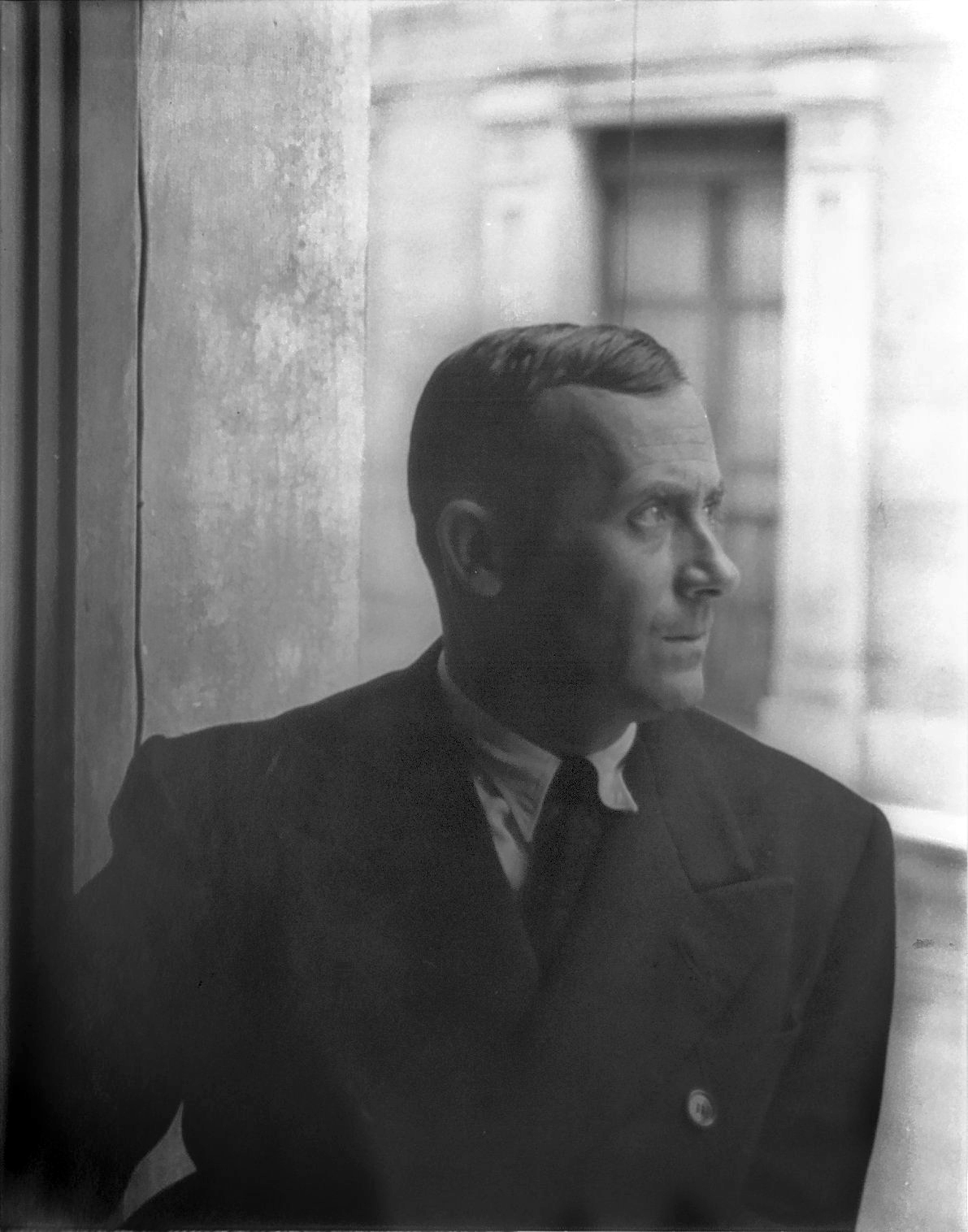 Photograph
Primary source
Portrait of Joan Miró, Barcelona
Carl Van Vechten · 13 June 1935
 Sculpture
Primary source
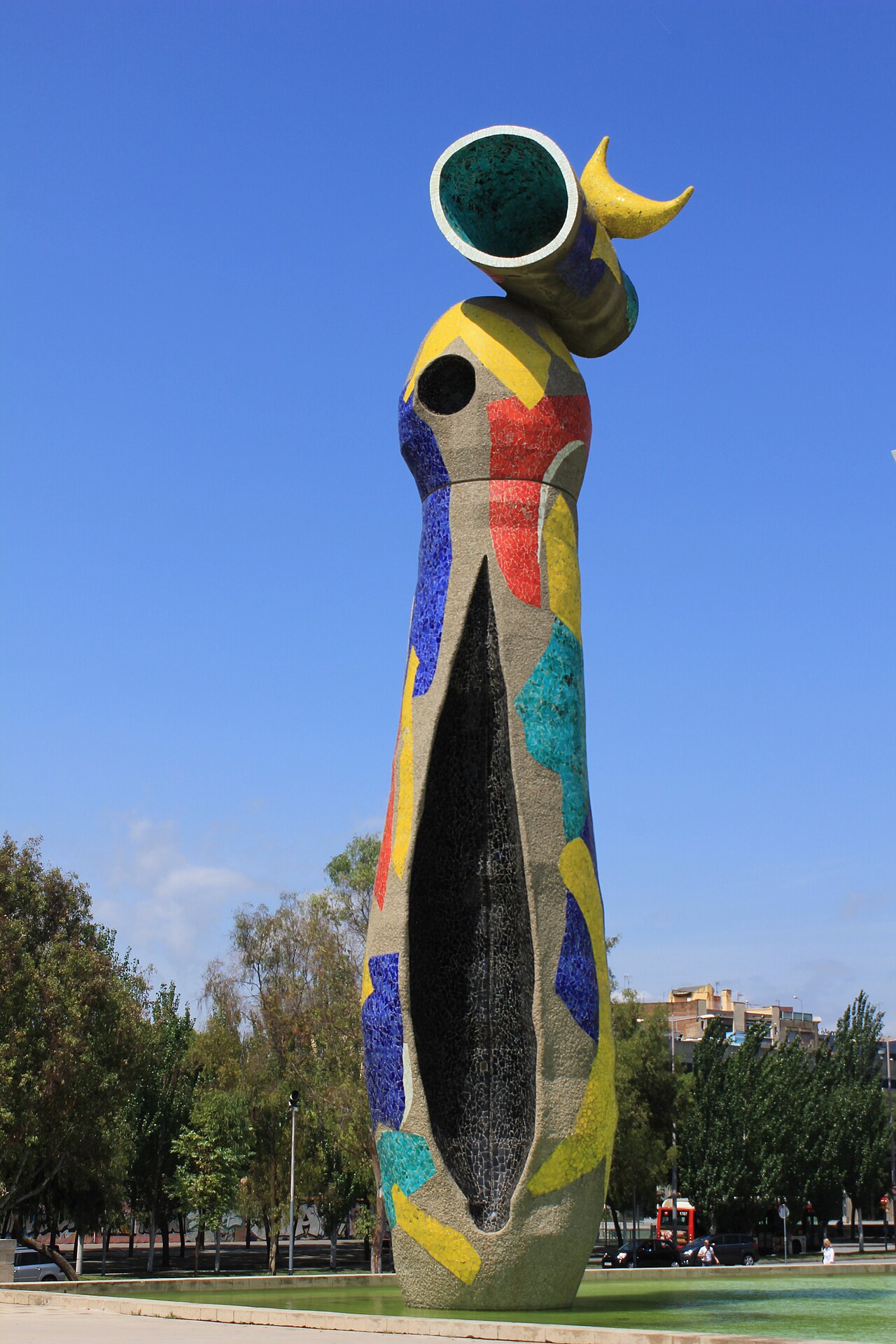
Dona i Ocell
Joan Miró · 1982-1983
 Document
Primary source
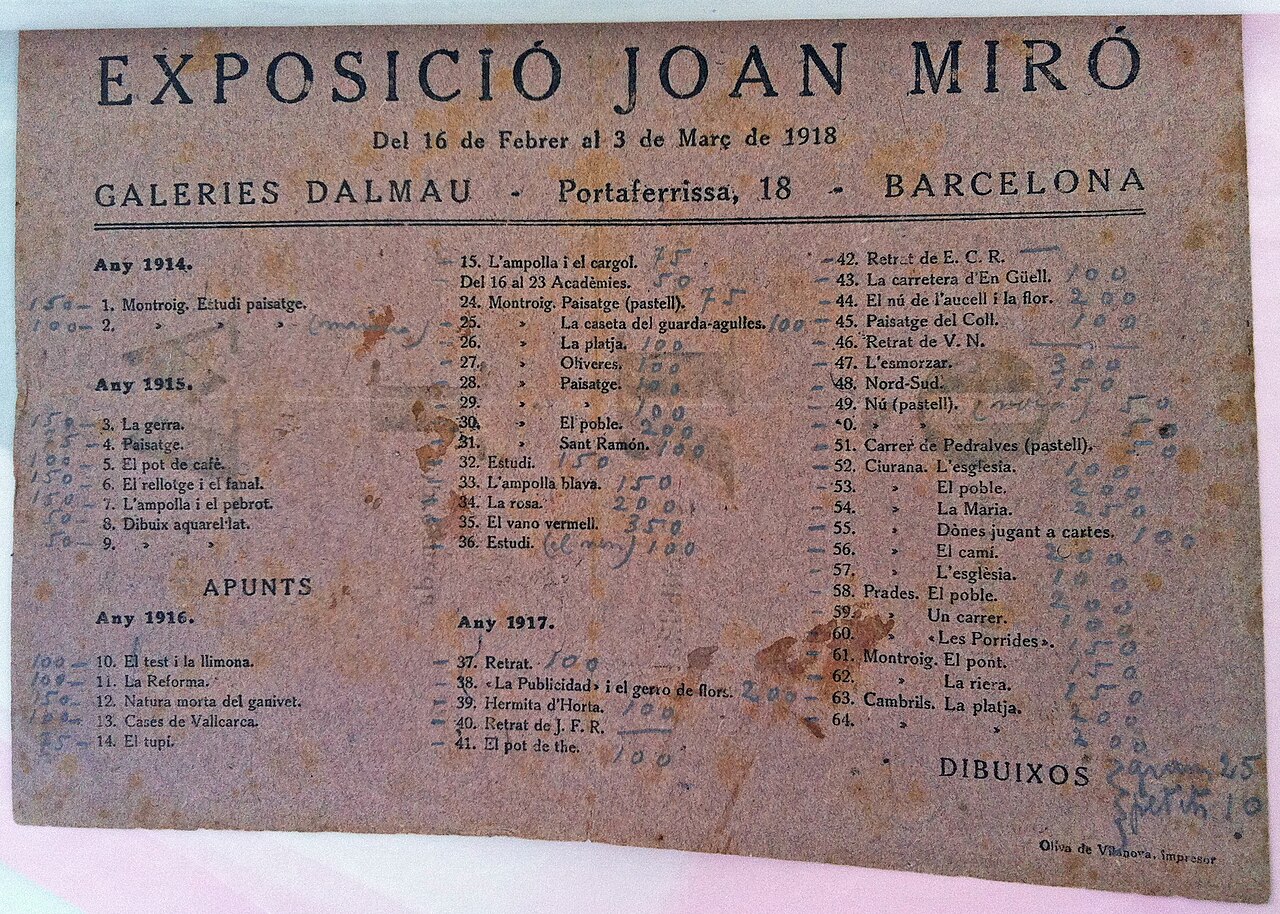
Catalogue of the First Joan Miró Exhibition, Galeries Dalmau
16 February – 3 March 1918
 Painting
Primary source
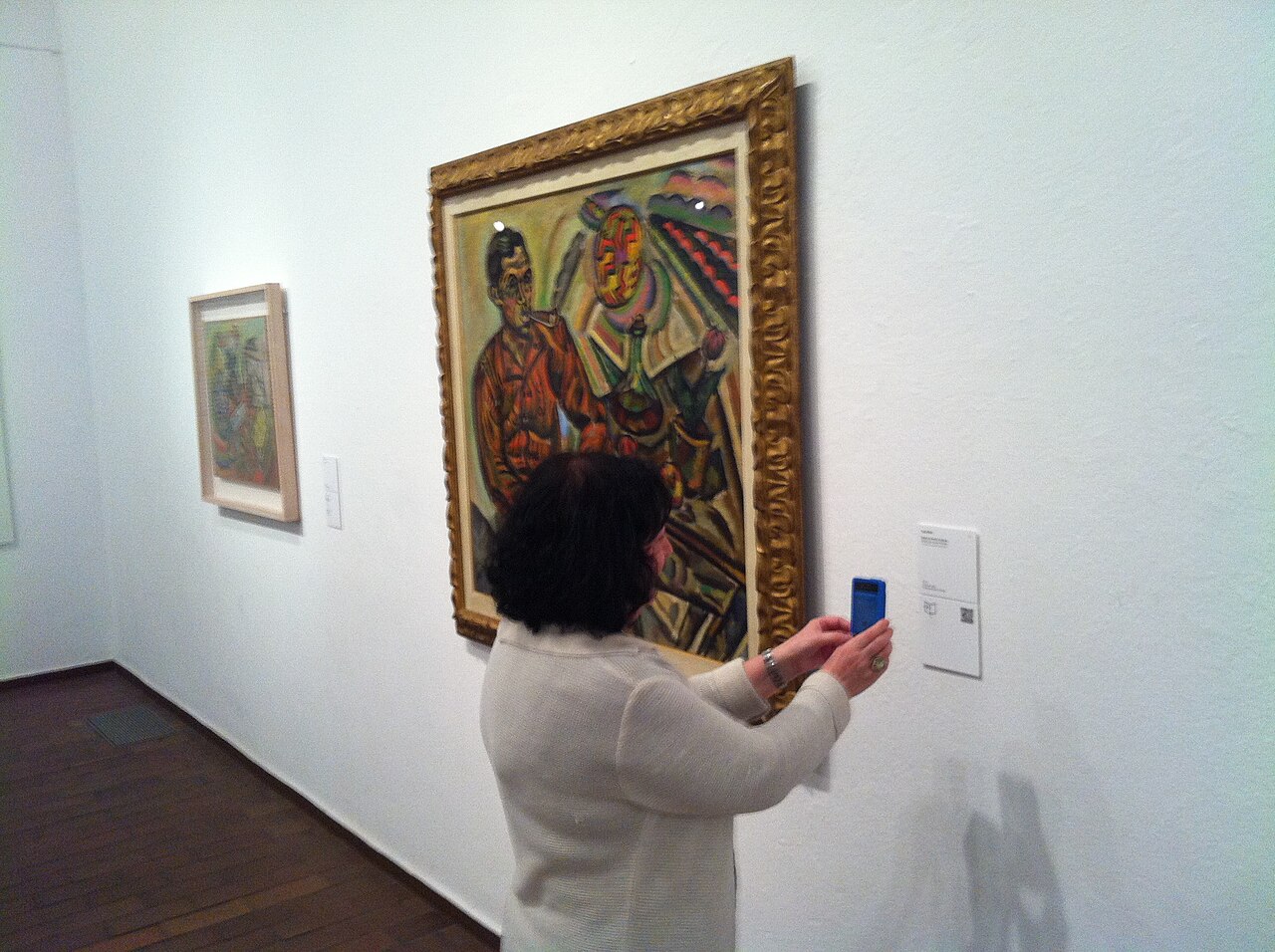
Portrait of Vincent Nubiola
Joan Miró · 1917
Free account
Read every Joan Miró source
Sign up free →
Ready when you are
Start chatting with Joan Miró now.
20 messages free · No credit card · Available in 50+ languages.