


Secondary sourceBookc. 1230
Heimskringla: Haralds saga hárfagra
Snorri Sturluson · c. 1230
Snorri Sturluson's 13th-century saga is the most detailed and influential later account of Harald's unification of Norway.
This saga gives the fullest later narrative of Harald's unification of Norway, including his famous hair vow.
Free Humy account · No credit card · 53,307 sources to read

About this source
What it is
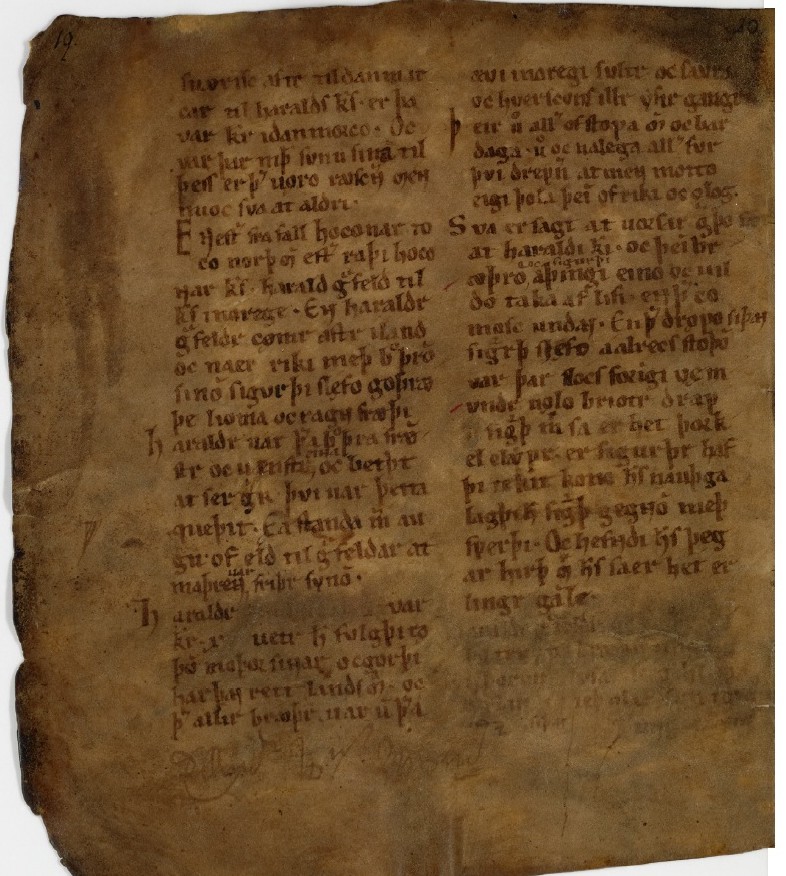
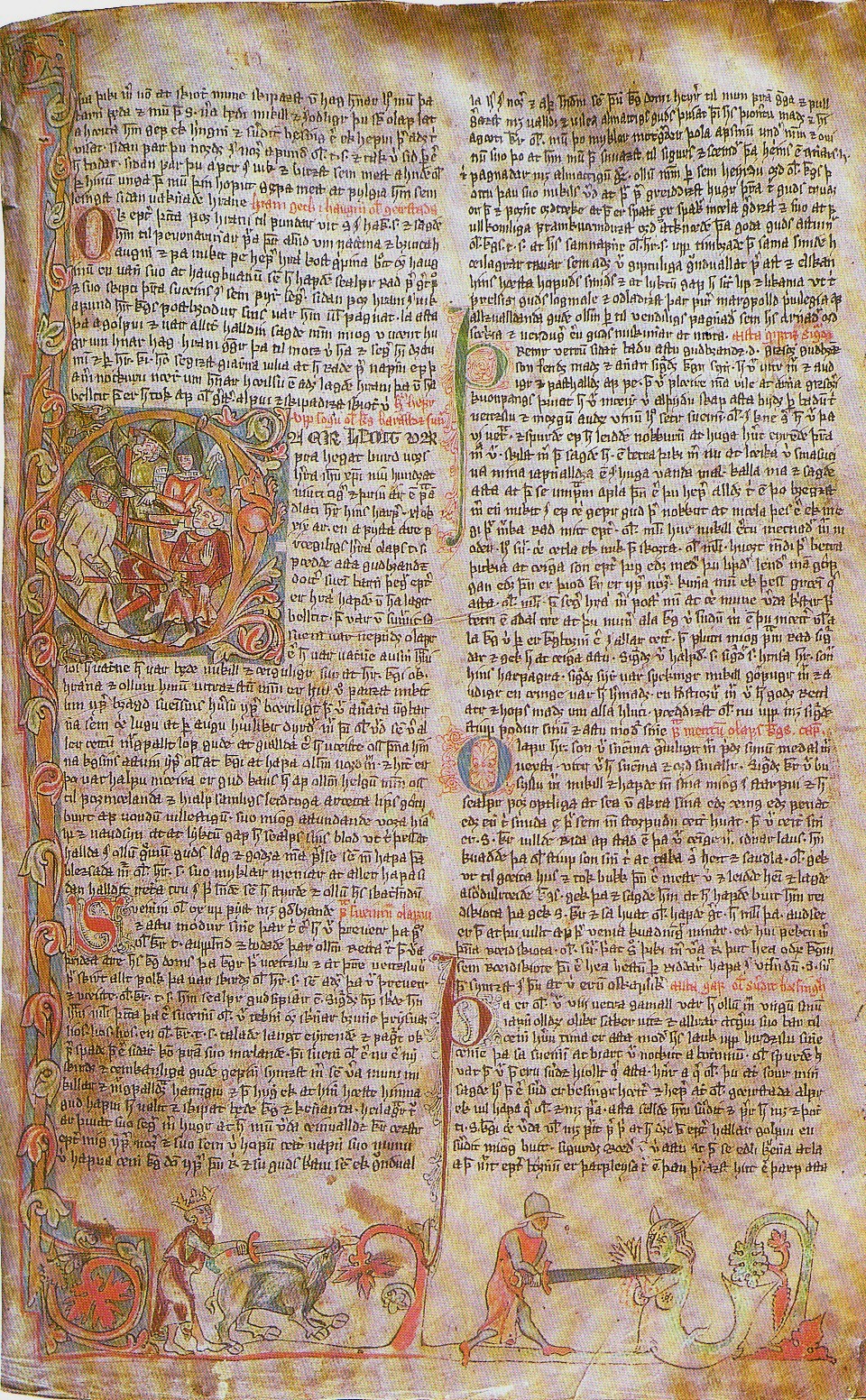
This saga, part of Snorri Sturluson's Heimskringla, was written around 1230, roughly three centuries after Harald's reign. It survives through a manuscript tradition held at the Árni Magnússon Institute. Shown here is a decorative title banner from a 1899 printed edition.
Why it matters
Snorri's saga shaped how later generations understood Harald, including the famous story of his vow not to cut his hair until he ruled all of Norway, and his victory at the Battle of Hafrsfjord. Because it was written long after Harald's death, historians compare it against earlier skaldic poems to see which details are reliable.
Look closer
- Why might a story written centuries after a king's death still be useful to historians?
- What might Snorri have added or changed compared to older poems about Harald?
- Why do you think later artists illustrated this saga with decorative titles?
This book is part of the curated material that grounds the AI version of Harald Fairhair on Humy.ai — when students ask about related events, the AI can quote it and cite it.
More Harald Fairhair sources
Browse all 47 →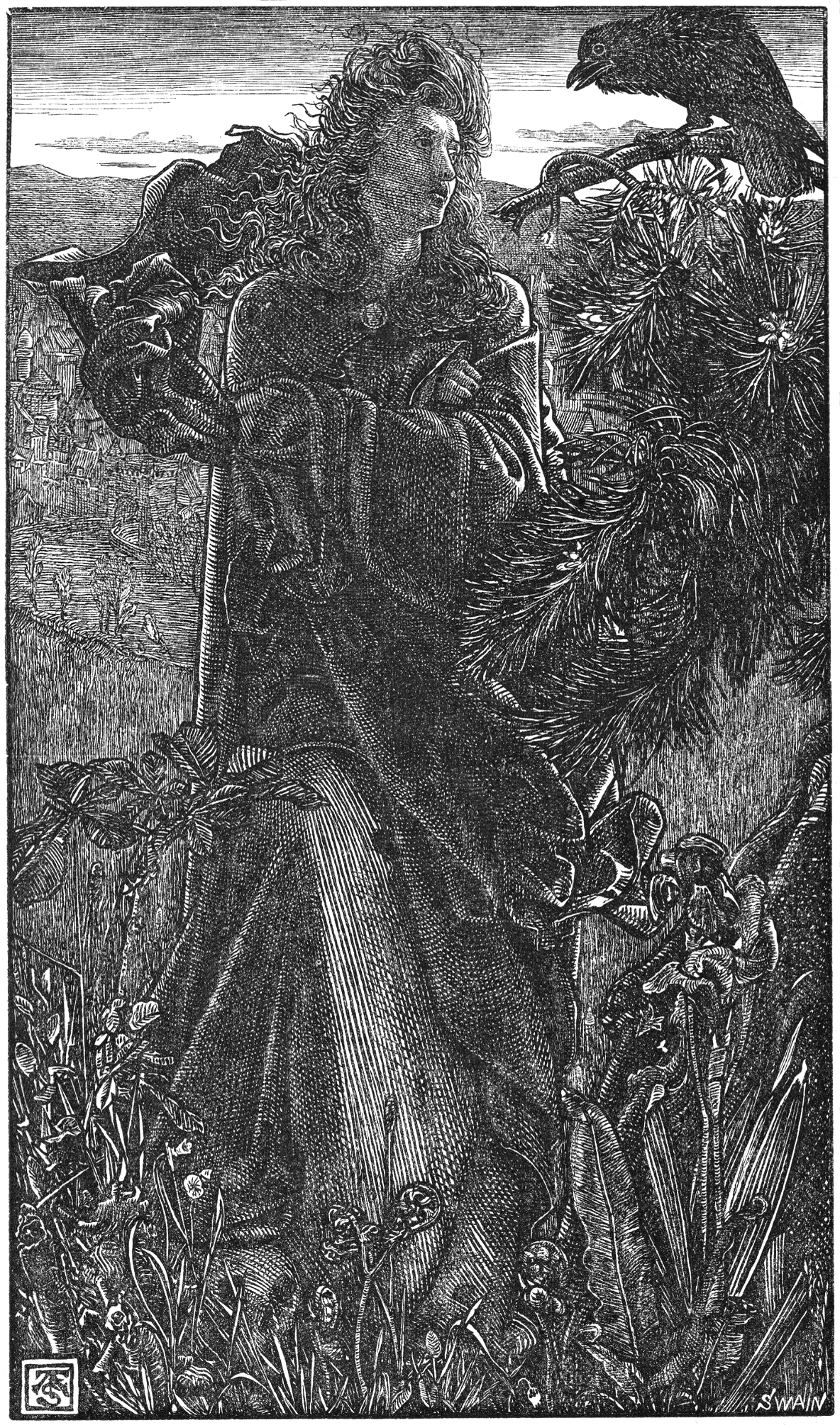 Speech
Primary source
Hrafnsmál
Þorbjörn hornklofi · c. 900
 Book
Secondary source
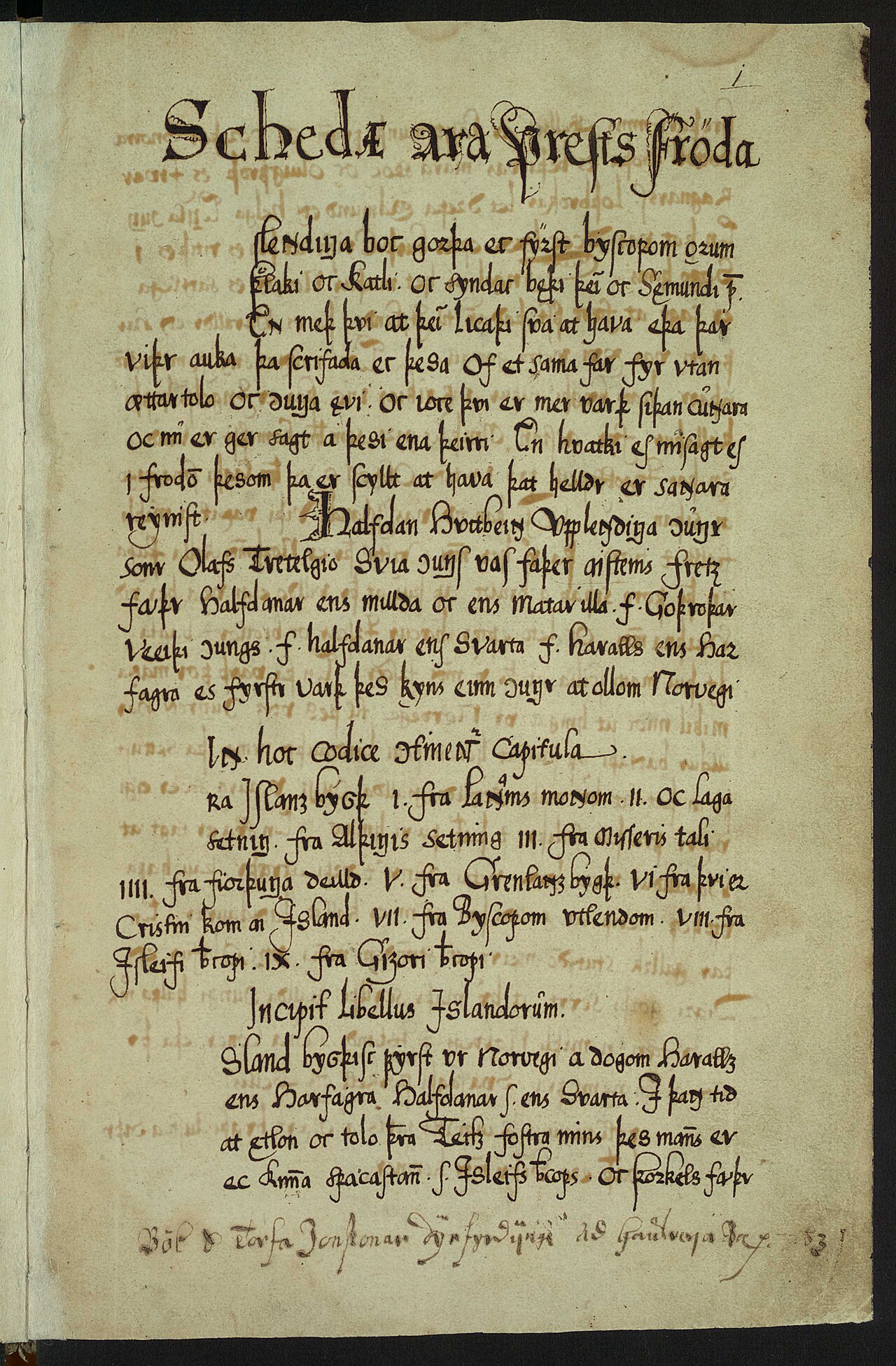
Íslendingabók
Ari Þorgilsson · c. 1122-1133
 Painting
Secondary source
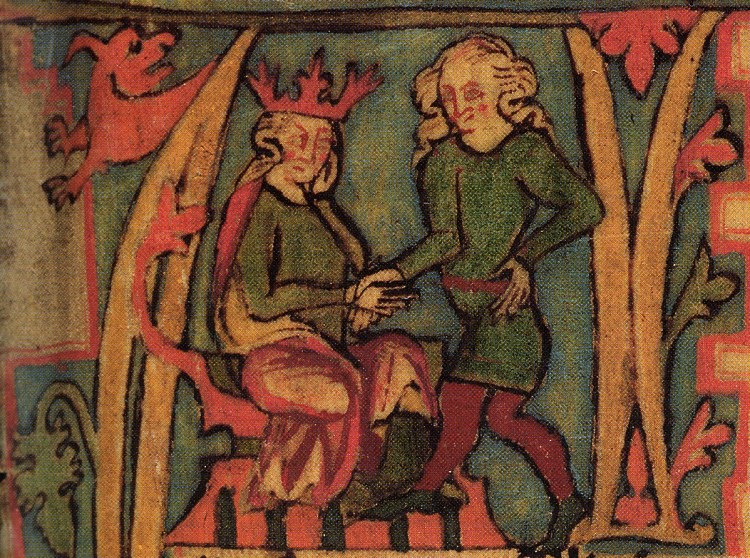
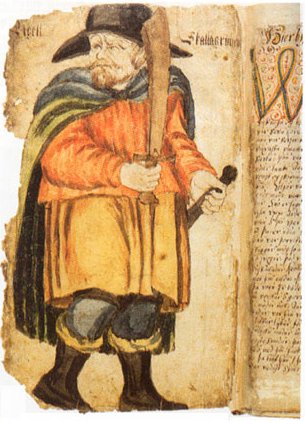
Portrait of Harald Fairhair
14th century
 Book
Secondary source
Landnámabók
Ari Þorgilsson · c. 1200
Free account
Browse every Harald Fairhair source
Sign up free →
Ready when you are
Start chatting with Harald Fairhair now.
20 messages free · No credit card · Available in 50+ languages.