


Secondary sourcePainting1870
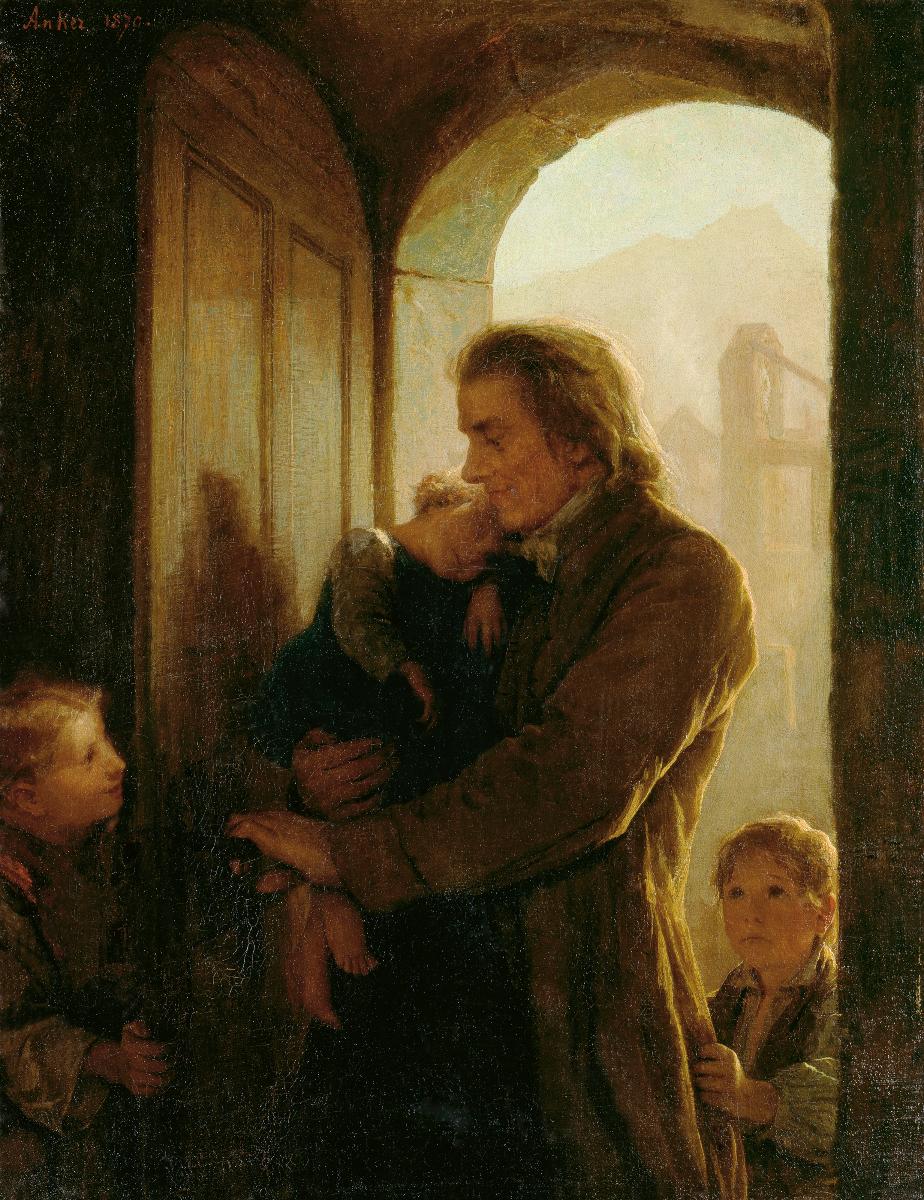
Heinrich Pestalozzi with the Orphans of Stans
Albert Anker · 1870
Albert Anker's 1870 painting shows Pestalozzi embracing children, the defining 19th-century image of him as the 'father of the poor'.
A later legend-building painting that shaped Pestalozzi's posthumous image as 'father of the poor'.
About this source
What it is
This oil painting was made by the Swiss artist Albert Anker in 1870, decades after Pestalozzi's death. It shows a man holding a child in a stone archway, with other children nearby, and is held today by the Kunsthaus Zürich.
Why it matters
Painted long after Pestalozzi died, this image became the most famous 19th-century picture of him, showing him as a caring father figure to orphaned and poor children. It tells us less about exactly what happened and more about how later generations wanted to remember Pestalozzi, as a legend of selfless devotion to the poor.
Look closer
- Since Anker painted this long after Pestalozzi's death, what parts might be imagined rather than documented fact?
- Why might later generations want to picture Pestalozzi this way?
- What feelings does the composition, with the children looking toward him, try to create in the viewer?
This painting is part of the curated material that grounds the AI version of Johann Heinrich Pestalozzi on Humy.ai — when students ask about related events, the AI can quote it and cite it.
More Johann Heinrich Pestalozzi sources
Browse all 96 →Primary source
Leonard and Gertrude
Johann Heinrich Pestalozzi · 1781
 Painting
Primary source
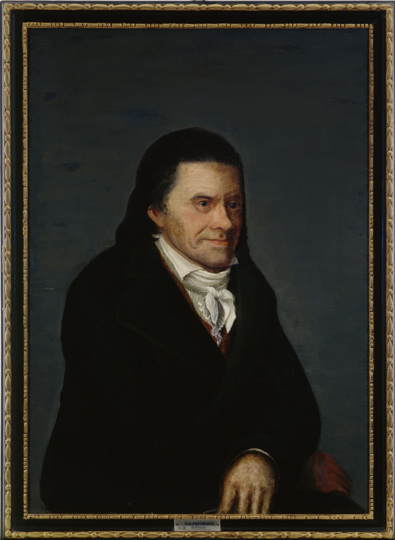
Portrait of Johann Heinrich Pestalozzi by Georg Friedrich Adolph Schöner
Georg Friedrich Adolph Schöner · 1804
 Sculpture
Primary source
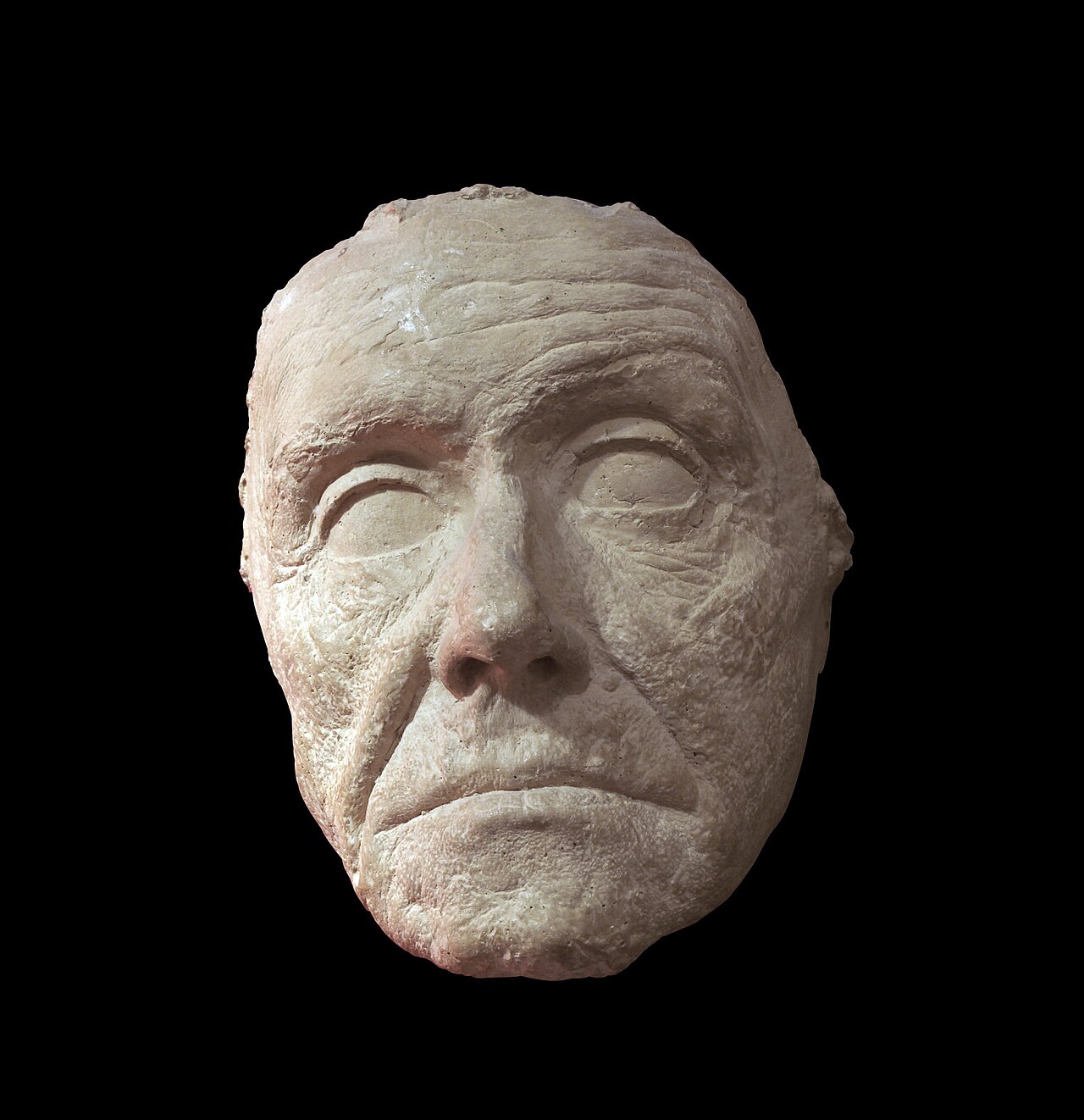
Terracotta Mask of Johann Heinrich Pestalozzi
J.M. Christen · 1809
 Painting
Primary source
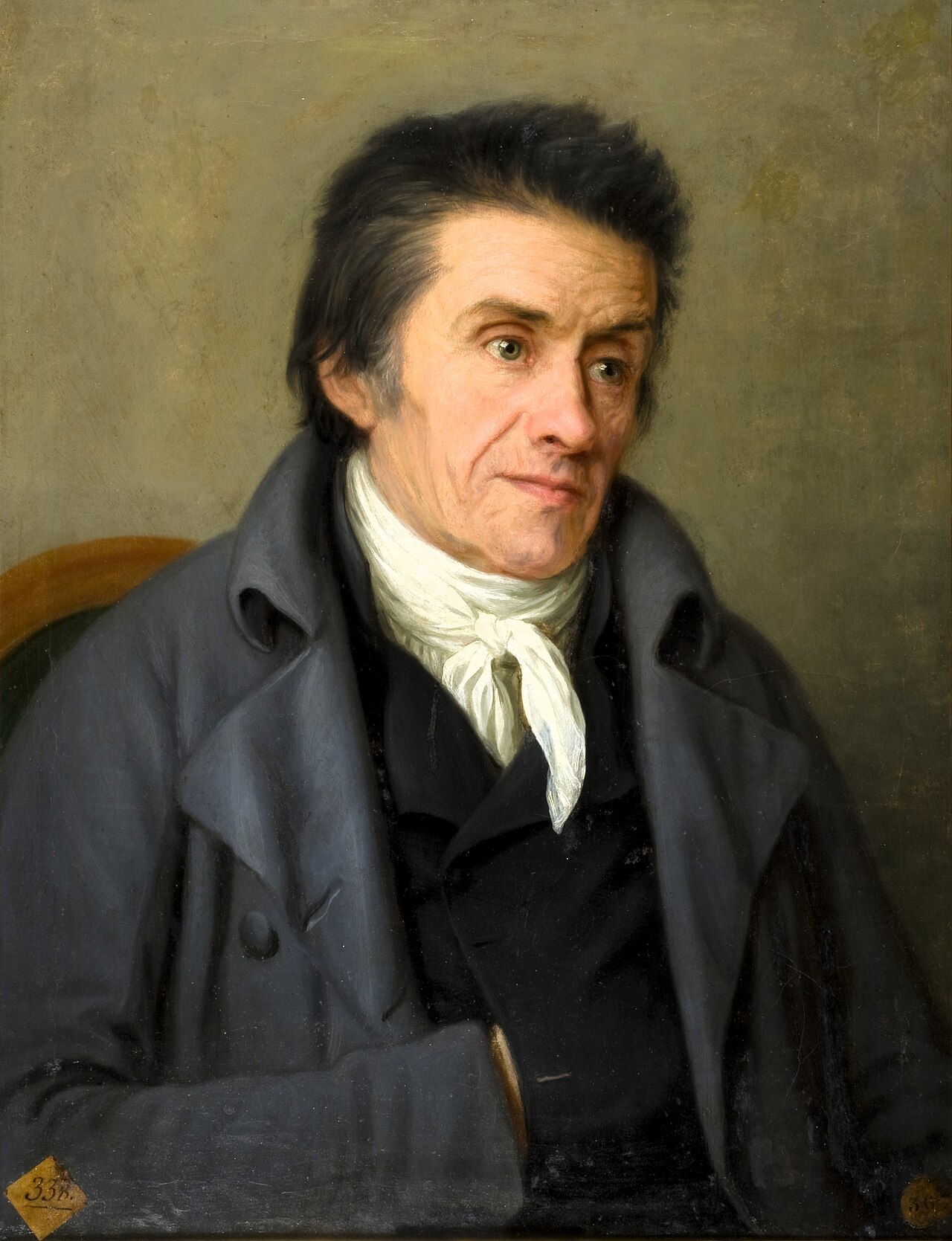
Portrait of Johann Heinrich Pestalozzi (Real Academia de San Fernando)
Free account
Read every Johann Heinrich Pestalozzi source
Sign up free →
Ready when you are
Start chatting with Johann Heinrich Pestalozzi now.
20 messages free · No credit card · Available in 50+ languages.