


Secondary sourceDocument1888
Helen Keller: A Second Laura Bridgman
Michael Anagnos · 1888
An 1888 report by Michael Anagnos of the Perkins Institution that first publicized young Helen Keller, comparing her to the deafblind pupil Laura Bridgman.
The report that first made the child Helen Keller nationally known, framing her as a successor to Laura Bridgman.
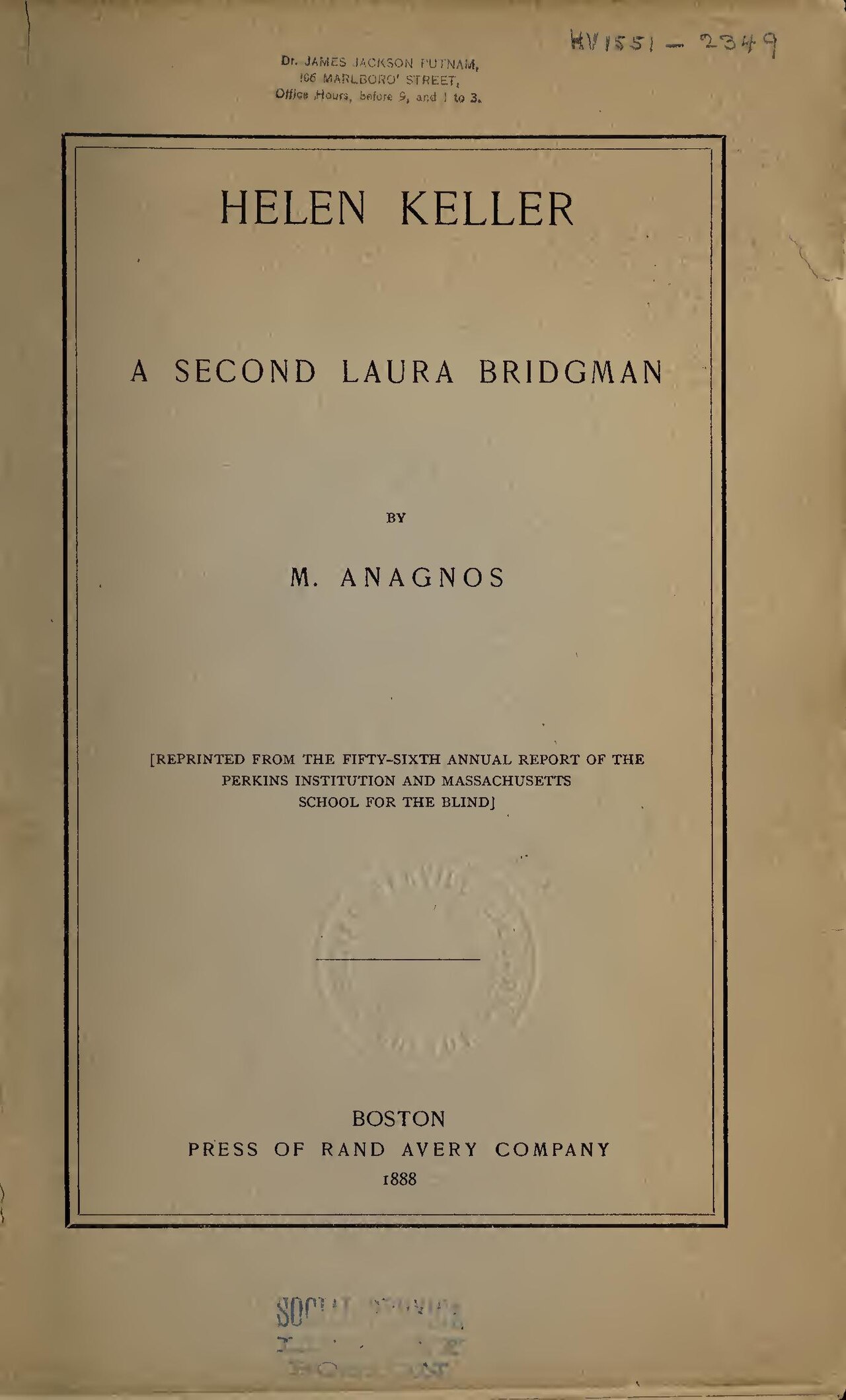
About this source
What it is
This pamphlet, reprinted from the 56th annual report of the Perkins Institution and Massachusetts School for the Blind, was written by Michael Anagnos, the institution's director, in 1888. It describes the young Helen Keller and compares her to Laura Bridgman, an earlier deafblind pupil at Perkins.
Why it matters
Anagnos's report was the piece of writing that first made Keller's story known to the wider public, helping to turn her into a national celebrity while she was still a child. It shows how institutions and administrators shaped public understanding of disability in the nineteenth century, often through dramatic language about overcoming darkness and silence.
Look closer
- What kind of language does Anagnos use to describe deafblindness, and how might that shape readers' views?
- Why would the Perkins Institution want to publicize Keller's story?
- How might comparing Keller to Laura Bridgman have affected expectations placed on her?
This document is part of the curated material that grounds the AI version of Helen Keller on Humy.ai — when students ask about related events, the AI can quote it and cite it.
More Helen Keller sources
Meet the AI Helen Keller →Primary source
The Story of My Life
Helen Keller · 1903
Primary source
Strike Against War
Helen Keller · 5 January 1916
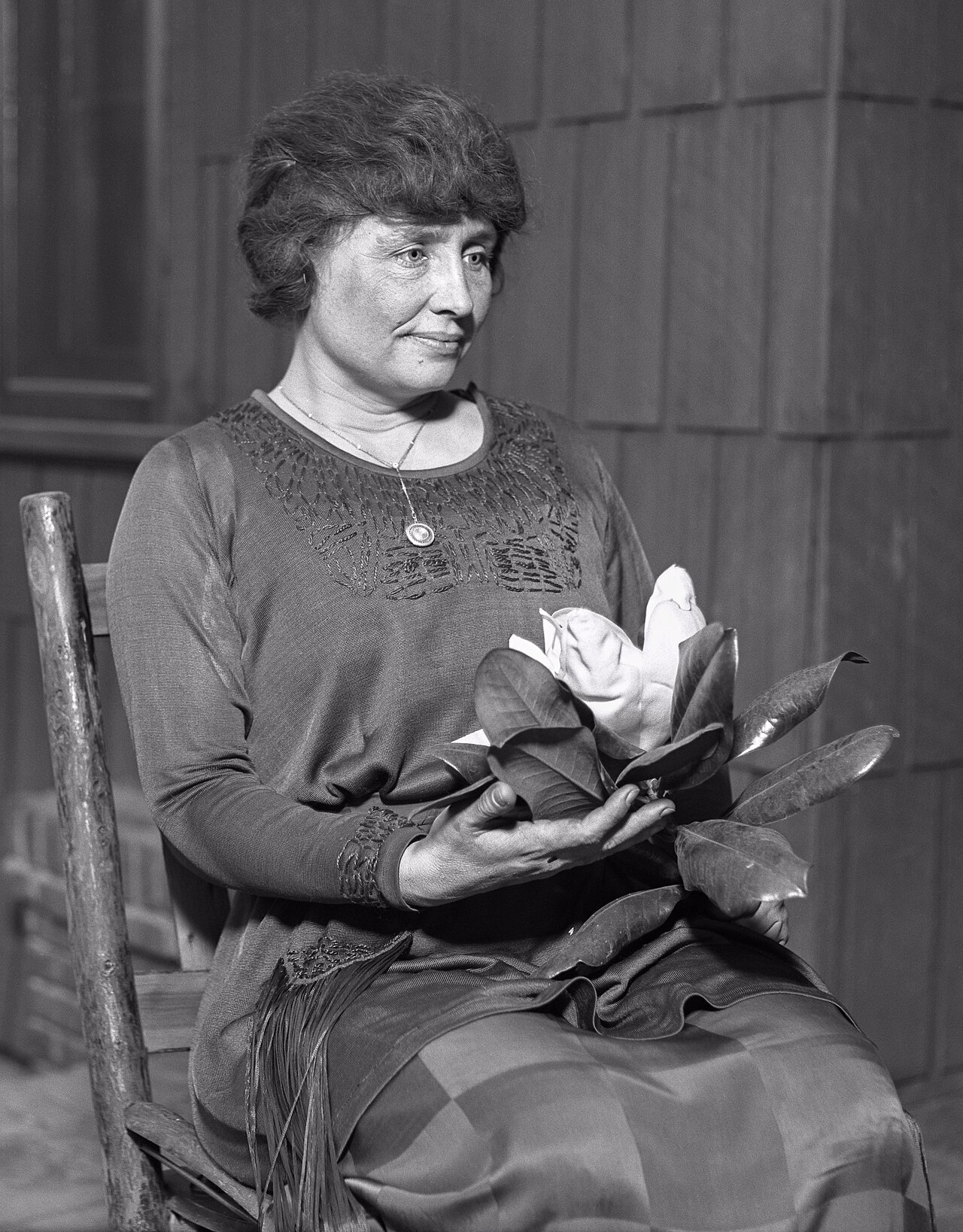 Photograph
Primary source
Portrait of Helen Keller
c. 1920
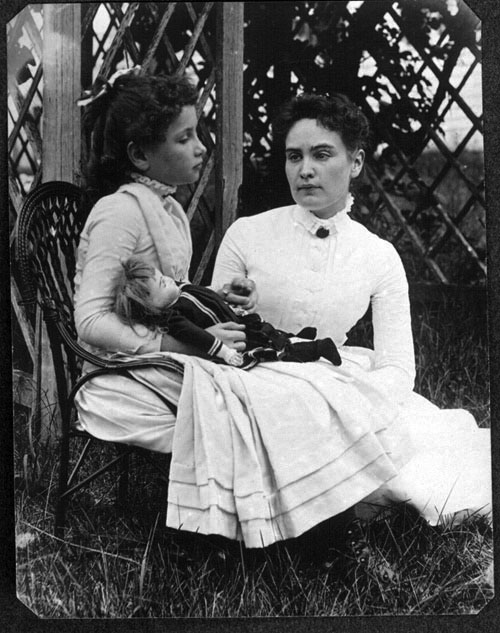 Photograph
Primary source
Photograph of Helen Keller and Anne Sullivan, Brewster, Cape Cod
Unknown photographer · July 1888
Primary source
Out of the Dark
Helen Keller · 1913
Ready when you are
Start chatting with Helen Keller now.
20 messages free · No credit card · Available in 50+ languages.