


Primary sourceBook1918
Hell Screen
Ryūnosuke Akutagawa · 1918
A 1918 story by Akutagawa about a painter who sacrifices his own daughter to complete a masterpiece, raising questions about art and obsession.
This story is central to understanding Akutagawa's aesthetic philosophy about art and sacrifice.
Free Humy account · No credit card · 120,912 sources to read
About this source
What it is
"Hell Screen" is a short story by Ryūnosuke Akutagawa, reworking a tale from the Uji Shūi Monogatari. It was first serialized in two newspapers in 1918. Narrated by a servant, it tells of the painter Yoshihide, who is commissioned to paint a screen depicting Buddhist hell and who inflicts real suffering on others, including his own daughter, to capture what he needs to paint.
Why it matters
The story is often read as Akutagawa's meditation on his own devotion to art, asking whether an artist is justified in destroying life for the sake of a masterpiece. It also questions the reliability of the narrator, who refuses to see what is in front of him, raising questions about truth and perception that run through much of Akutagawa's fiction.
Look closer
- Why does Akutagawa choose a servant, rather than Yoshihide himself, to narrate the story?
- What does the painter's choice reveal about the cost of artistic obsession?
- How does the story ask readers to judge both the painter and the lord who allows the horror to happen?
This book is part of the curated material that grounds the AI version of Ryūnosuke Akutagawa on Humy.ai — when students ask about related events, the AI can quote it and cite it.
More Ryūnosuke Akutagawa sources
Browse all 57 →Primary source
Rashōmon
Ryūnosuke Akutagawa · 1915
Primary source
The Spider's Thread
Ryūnosuke Akutagawa · 1918
Primary source
The Nose
Ryūnosuke Akutagawa · January 1916
 Photograph
Primary source
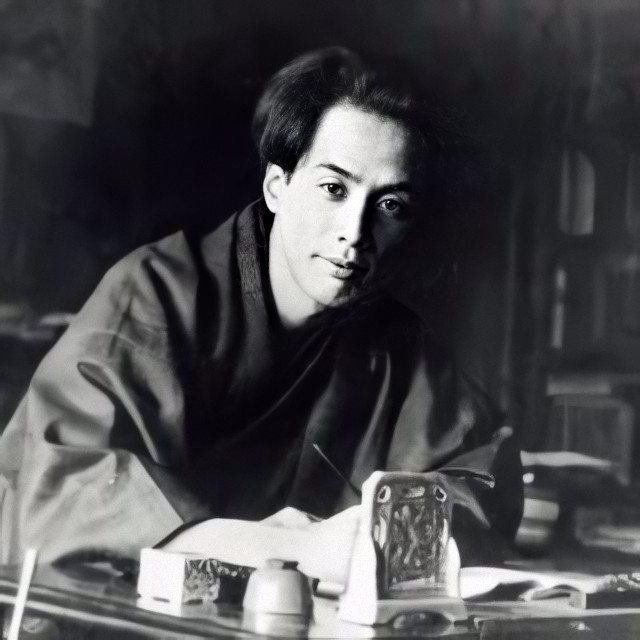
Portrait of Ryūnosuke Akutagawa
1926
Free account
Read every Ryūnosuke Akutagawa source
Sign up free →
Ready when you are
Start chatting with Ryūnosuke Akutagawa now.
20 messages free · No credit card · Available in 50+ languages.