


Primary sourceDocument1 August 1975
Helsinki Accords
1 August 1975
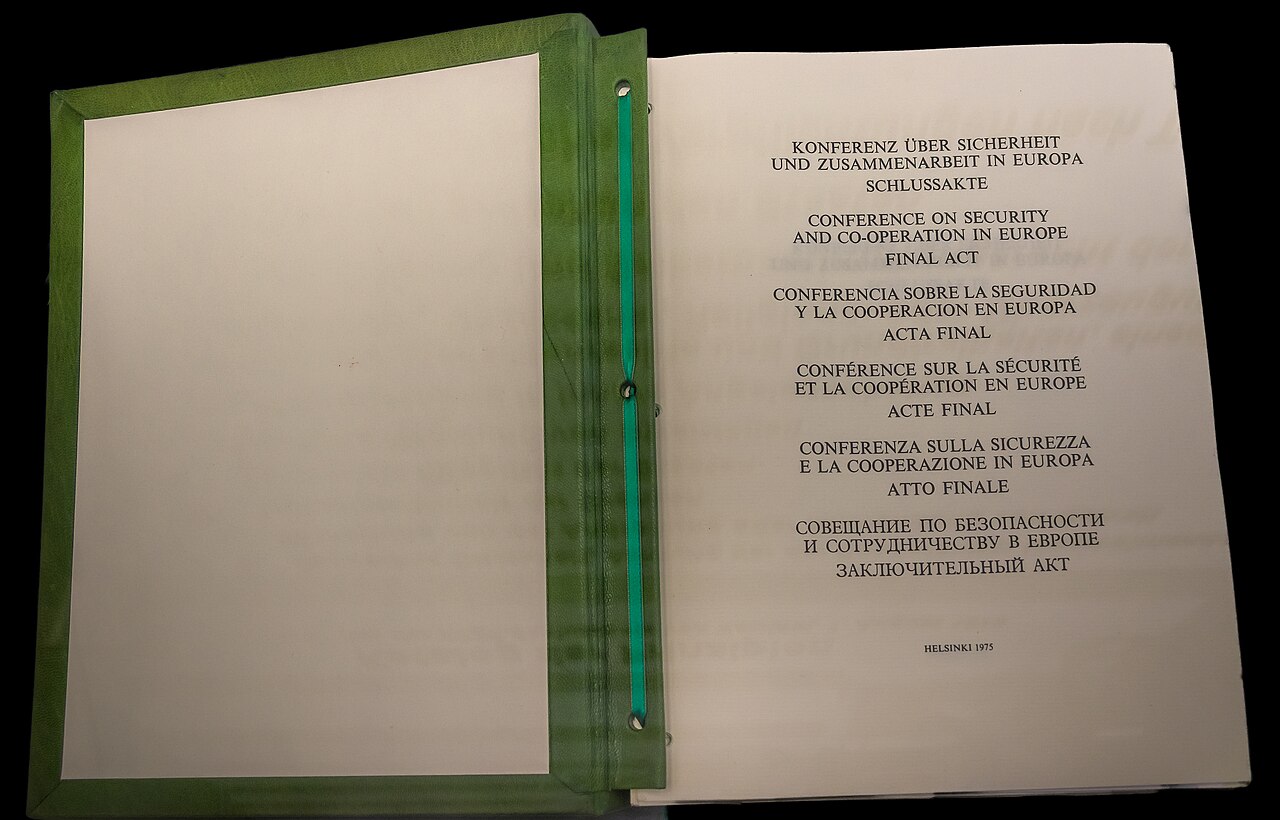
The 1975 Final Act of the Conference on Security and Co-operation in Europe, signed by Gerald Ford along with leaders of 34 other countries.
Ford signed the Helsinki Accords for the United States, marking the high point of détente during his presidency.
Free Humy account · No credit card · 53,307 sources to read
About this source
What it is
The Helsinki Final Act was signed in Helsinki, Finland, in August 1975 by representatives of 35 countries, including the United States and the Soviet Union. It was the result of two years of negotiation and set out principles on security, economic cooperation, and human rights. Gerald Ford signed on behalf of the United States. The document is held at Finlandia Hall.
Why it matters
The accords marked a high point of détente between East and West during the Cold War. Though not a binding treaty, its human-rights provisions later gave encouragement to dissidents and reform movements in Eastern Europe. Ford faced criticism at home, including from Americans worried about Soviet control over Eastern Europe, and for declining to meet dissident Aleksandr Solzhenitsyn before the conference.
Look closer
- Why might an agreement with no binding legal force still matter in history?
- What tensions does Ford's own statement to Eastern European Americans reveal about the limits of the accords?
- What does the long list of signing countries suggest about the scale of this diplomatic effort?
This document is part of the curated material that grounds the AI version of Gerald Ford on Humy.ai — when students ask about related events, the AI can quote it and cite it.
More Gerald Ford sources
Browse all 98 →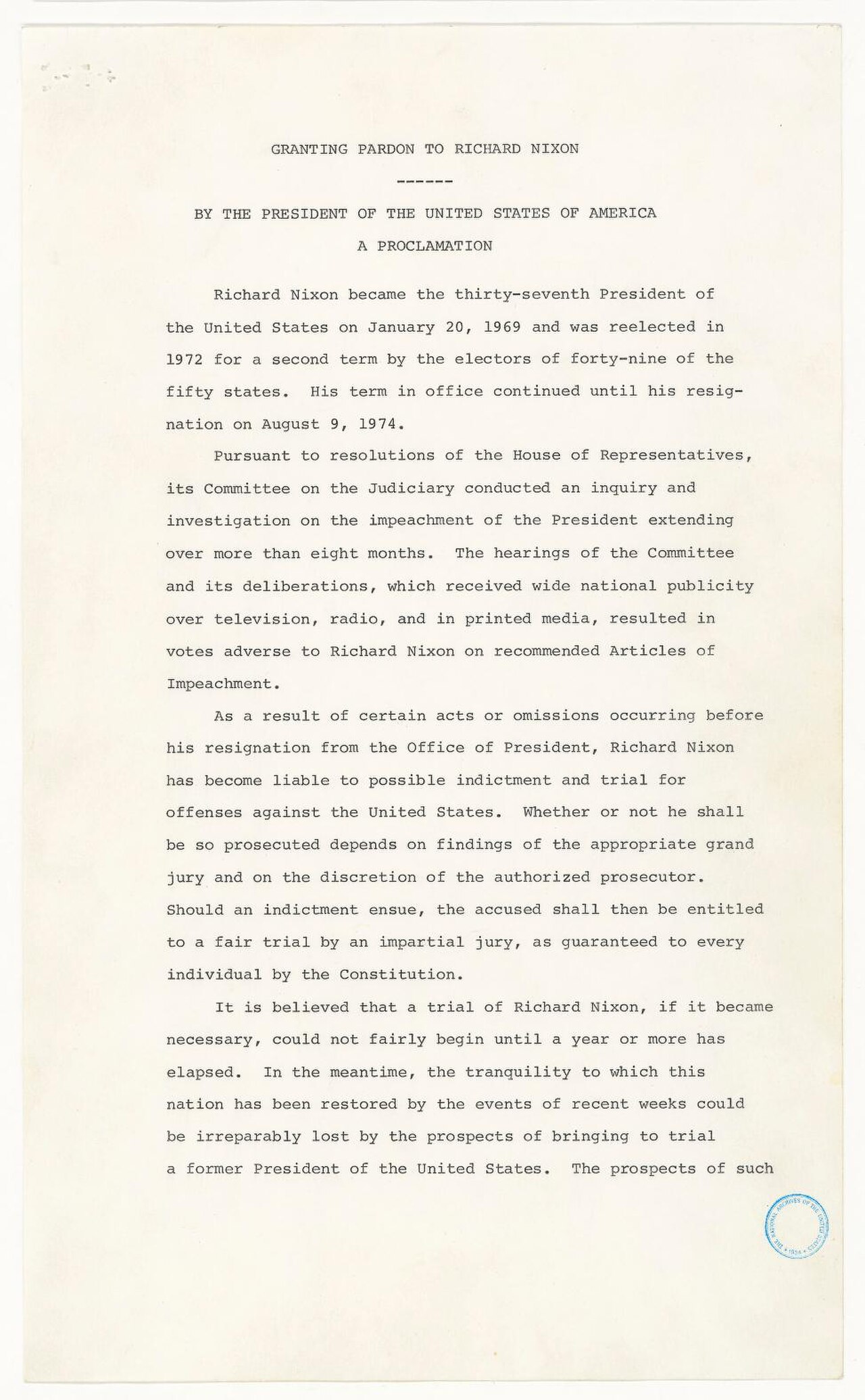 Document
Primary source
Presidential Proclamation 4311 Pardoning Richard Nixon
Gerald Ford · 8 September 1974
 Speech
Primary source
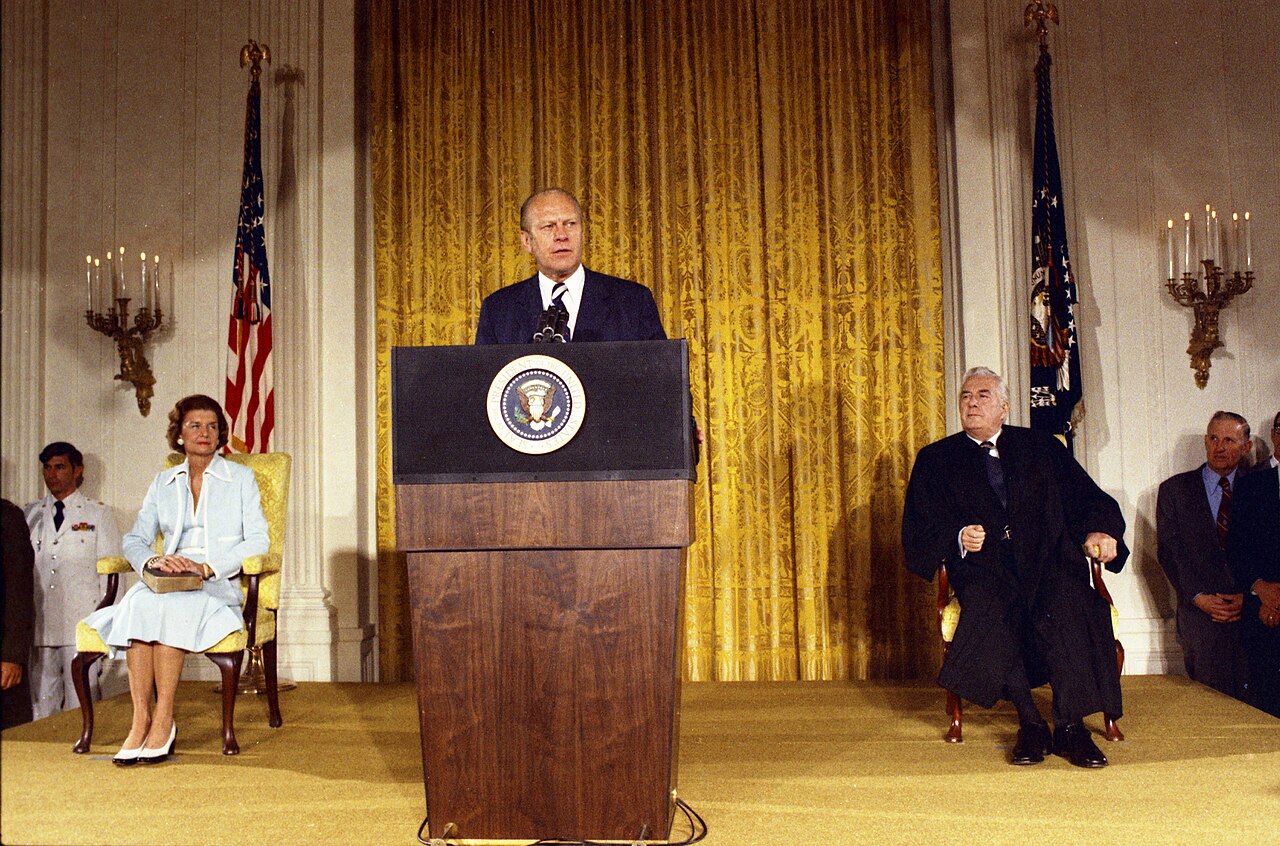
Remarks on Taking the Oath of Office as President
Gerald R. Ford · 9 August 1974
Primary source
Recording of Gerald Ford's Swearing-In Remarks
Gerald Ford · 1974
 Document
Secondary source
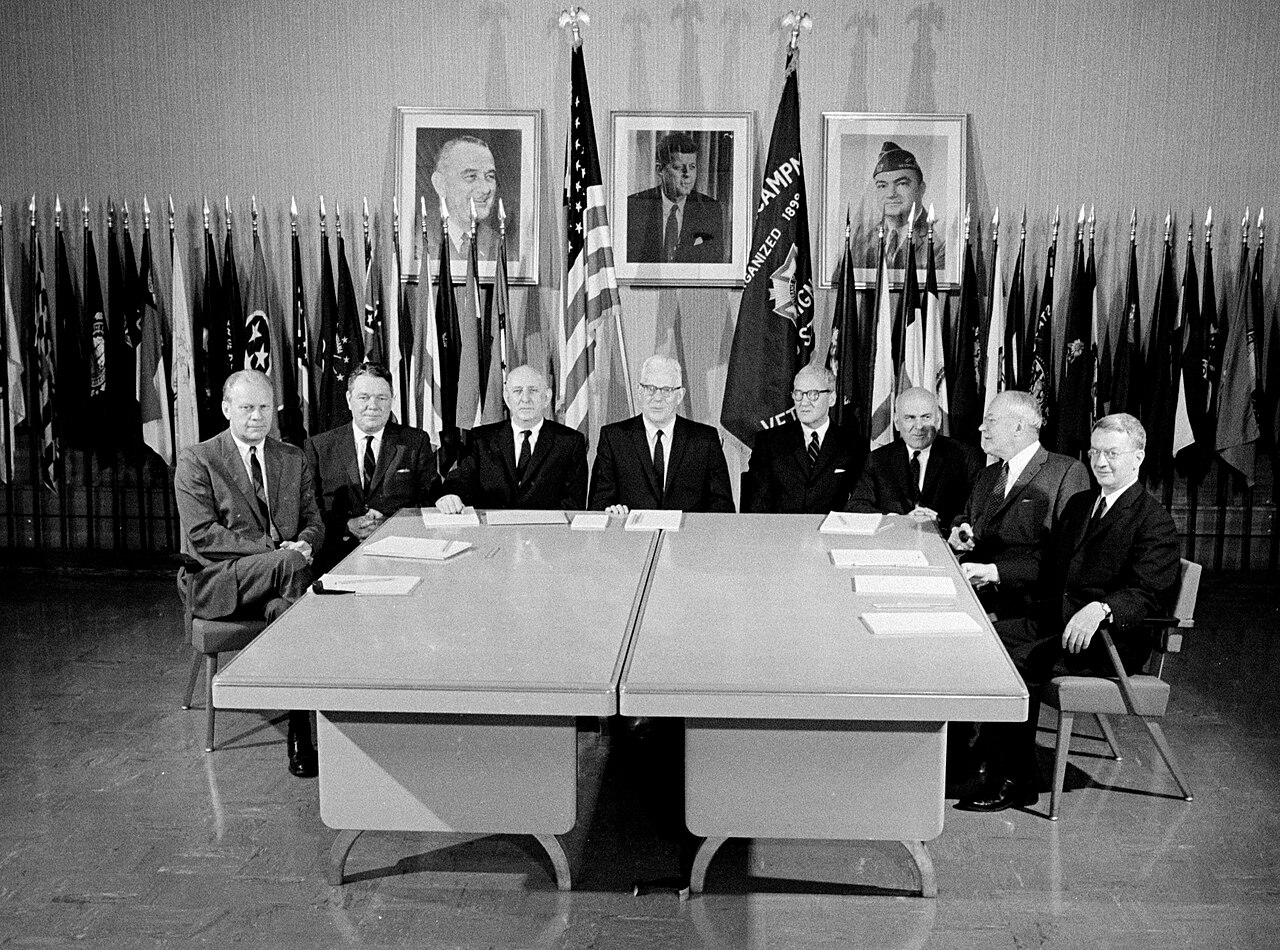
Warren Commission Report
Warren Commission · 24 September 1964

Free account
Browse every Gerald Ford source
Sign up free →
Ready when you are
Start chatting with Gerald Ford now.
20 messages free · No credit card · Available in 50+ languages.