


Primary sourceArtifact1799
Highland
1799
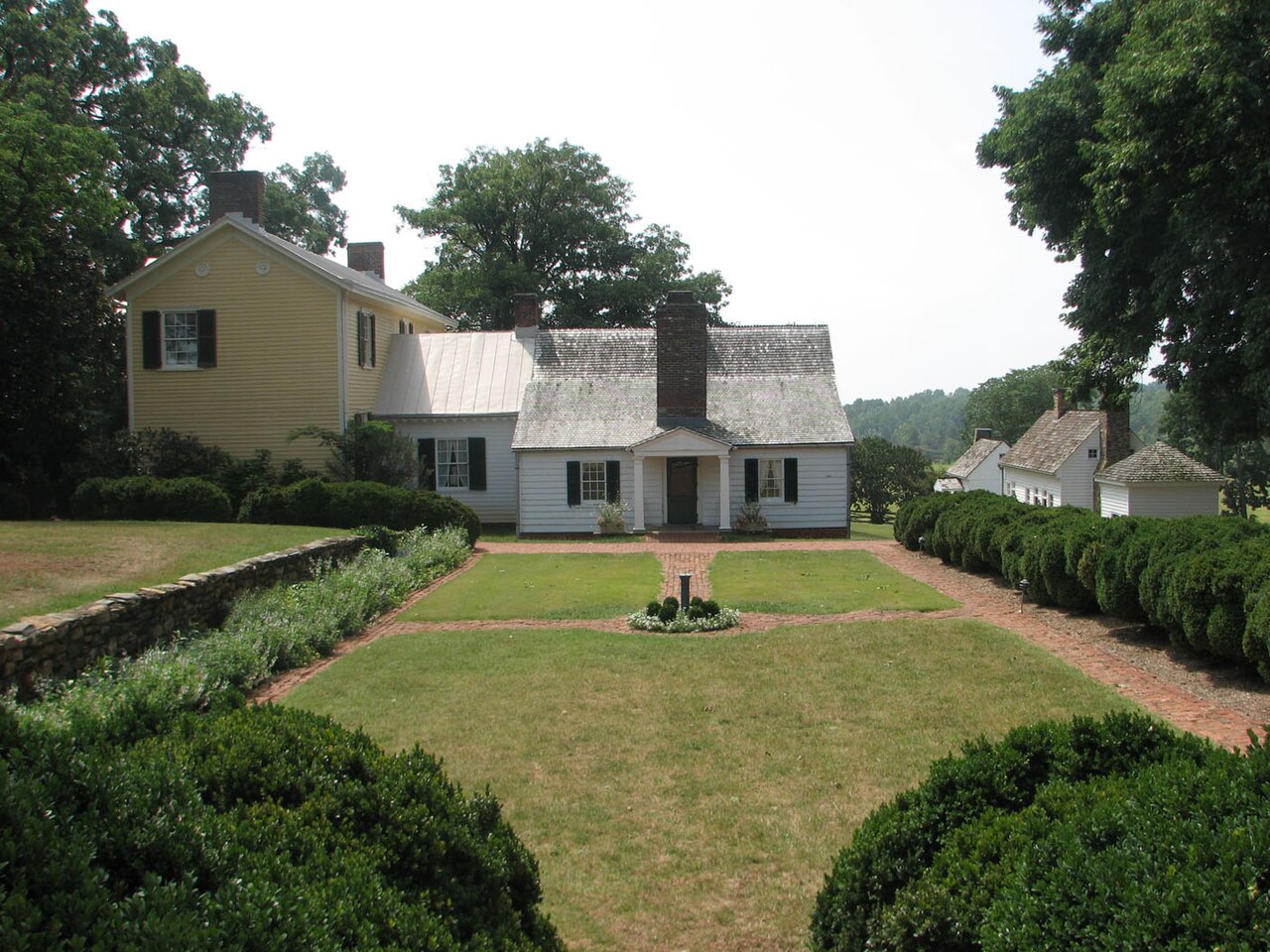
James Monroe's Albemarle County plantation, named Highland, which was worked by enslaved people.
This was Monroe's own plantation, revealing his role as a slaveholding Virginia planter.
About this source
What it is
Highland was a plantation in Albemarle County, Virginia, near Monticello, established around 1799 and named by its owner, James Monroe. It is now held by the College of William & Mary. For many years after Monroe's death the property was known as Ash Lawn-Highland or Ash Lawn.
Why it matters
Highland shows Monroe's life as a Virginia planter whose household and farm depended on the labor of enslaved people. As a neighbor of Thomas Jefferson's Monticello, the estate places Monroe within a community of enslaving Virginia statesmen whose political achievements existed alongside the exploitation of enslaved workers.
Look closer
- What does the comfortable appearance of the house conceal about the lives of the enslaved people who worked there?
- Why might the property's name have changed over time, and what does that change suggest about how history is remembered?
- How does Highland compare to Monroe's grander presidential home, Oak Hill?
This artifact is part of the curated material that grounds the AI version of James Monroe on Humy.ai — when students ask about related events, the AI can quote it and cite it.
More James Monroe sources
Meet the AI James Monroe →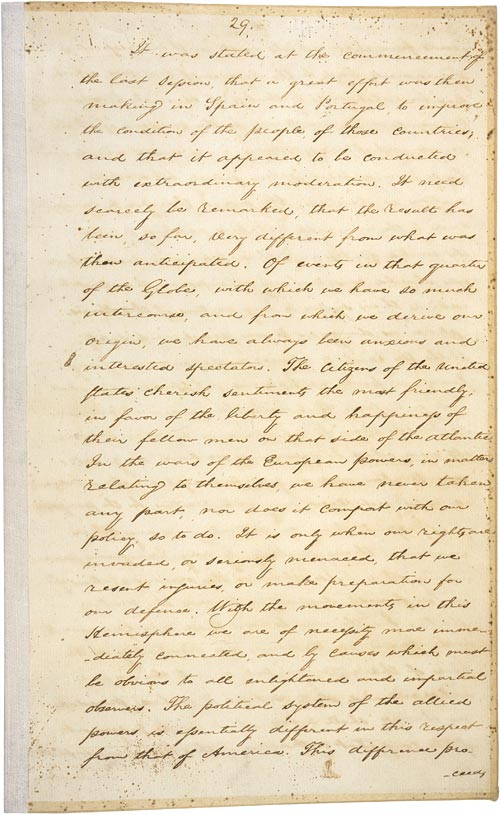 Speech
Primary source
Monroe Doctrine
James Monroe · 2 December 1823
Primary source
Louisiana Purchase Treaty
30 April 1803
 Document
Primary source
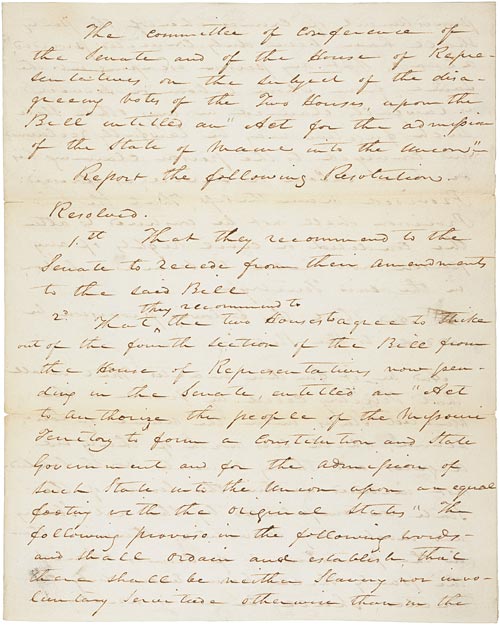
Missouri Compromise Conference Committee Report
1 March 1820
 Document
Primary source
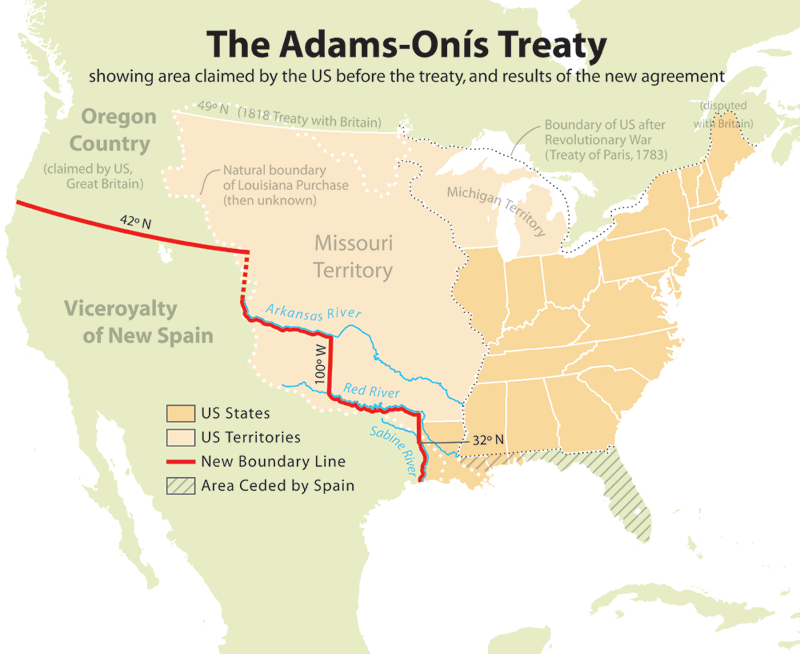
Adams–Onís Treaty
1819 (effective 1821)
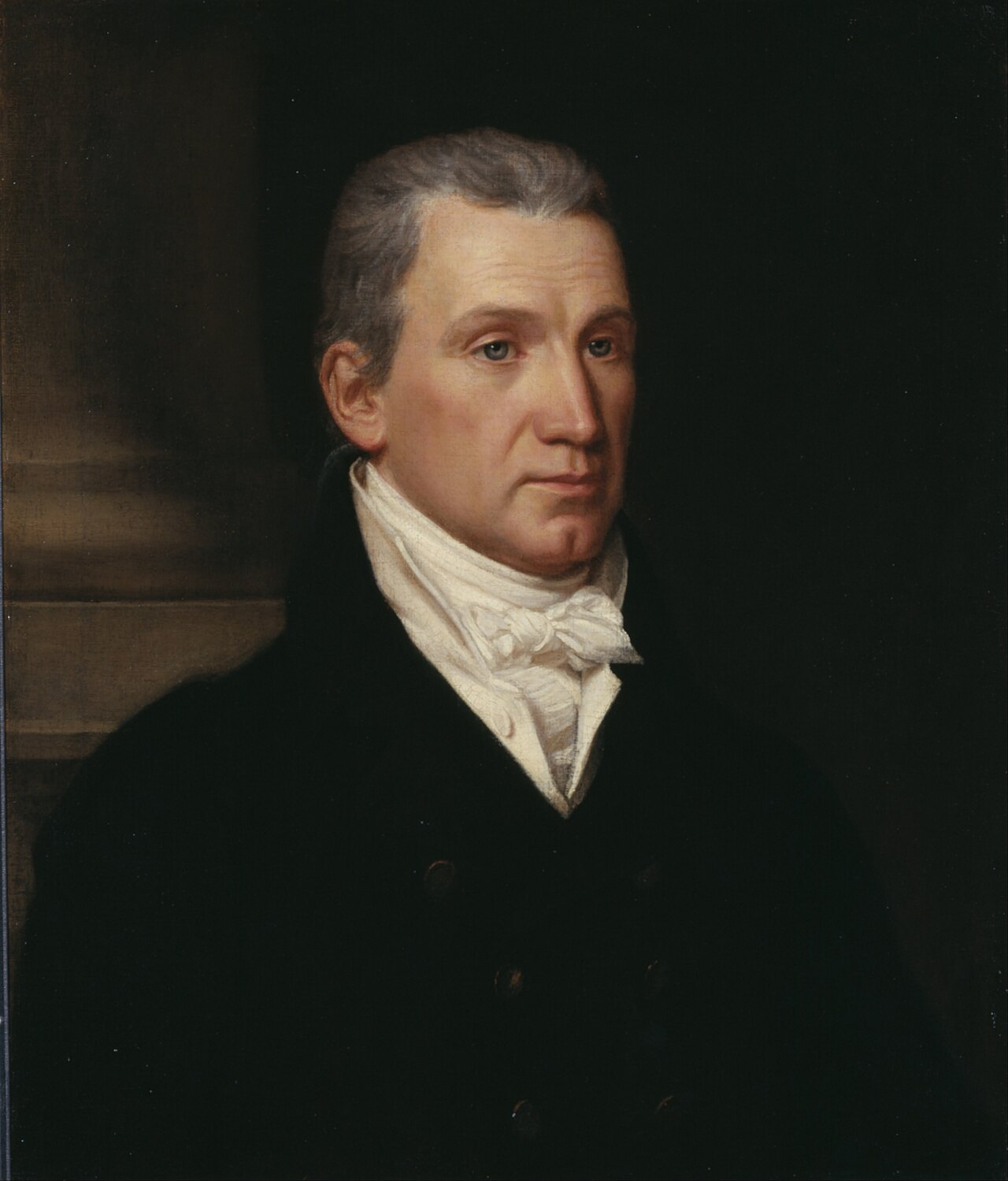 Painting
Primary source
James Monroe
John Vanderlyn · 1816
Ready when you are
Start chatting with James Monroe now.
20 messages free · No credit card · Available in 50+ languages.