


Primary sourceDocument20 May 1862
Homestead Acts
20 May 1862
The federal laws signed by Lincoln in 1862 that gave government land to settlers, reflecting his Republican economic vision during the Civil War.
A major law signed by Lincoln that shaped the settlement of the American West.
About this source
What it is
The Homestead Acts were laws allowing people to acquire ownership of government land. The first Homestead Act was signed into law by President Abraham Lincoln on 20 May 1862, after years of being blocked by Southern Democrats and vetoed by a previous president.
Why it matters
This law reflects Lincoln's Free Soil Republican vision of individual farmers owning their own land, contrasting with Southern slaveholding plantation systems. It became possible once Southern states had seceded and their representatives had left Congress, showing how the Civil War changed what laws could pass.
Why it matters
The Acts gave away huge amounts of public land, but this also came at the cost of Native American land and resources, which students should consider alongside the law's stated benefits.
Look closer
- Why had this kind of law been blocked before the Civil War, and what changed?
- Who benefited from this law, and who was excluded or harmed by it?
- What does this law reveal about Lincoln's economic and political goals beyond the war itself?
This document is part of the curated material that grounds the AI version of Abraham Lincoln on Humy.ai — when students ask about related events, the AI can quote it and cite it.
More Abraham Lincoln sources
Meet the AI Abraham Lincoln →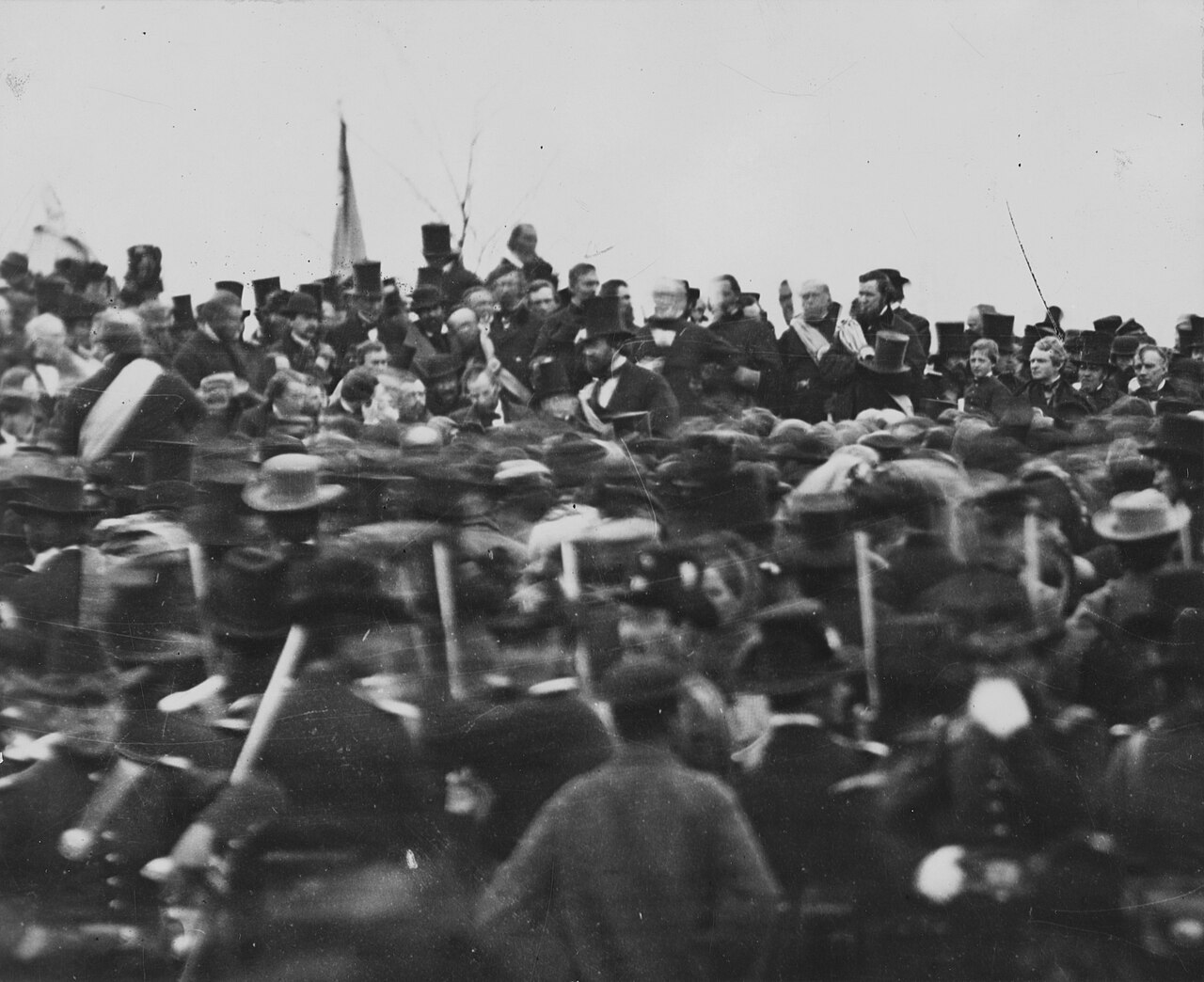 Speech
Primary source
Gettysburg Address
Abraham Lincoln · 19 November 1863
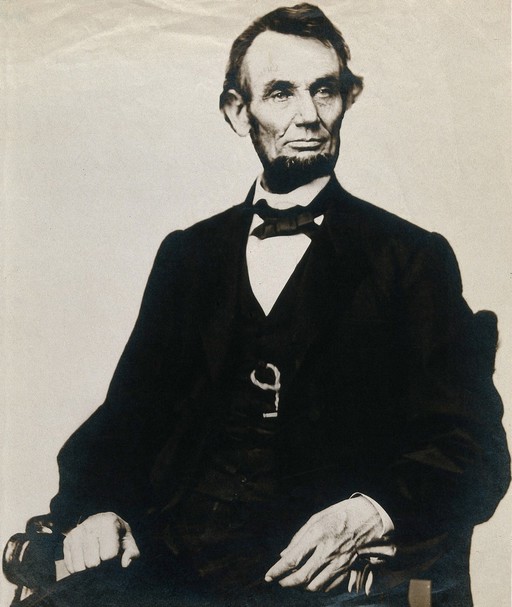 Photograph
Primary source
Abraham Lincoln Photograph after Mathew Brady
Mathew B. Brady · 1864
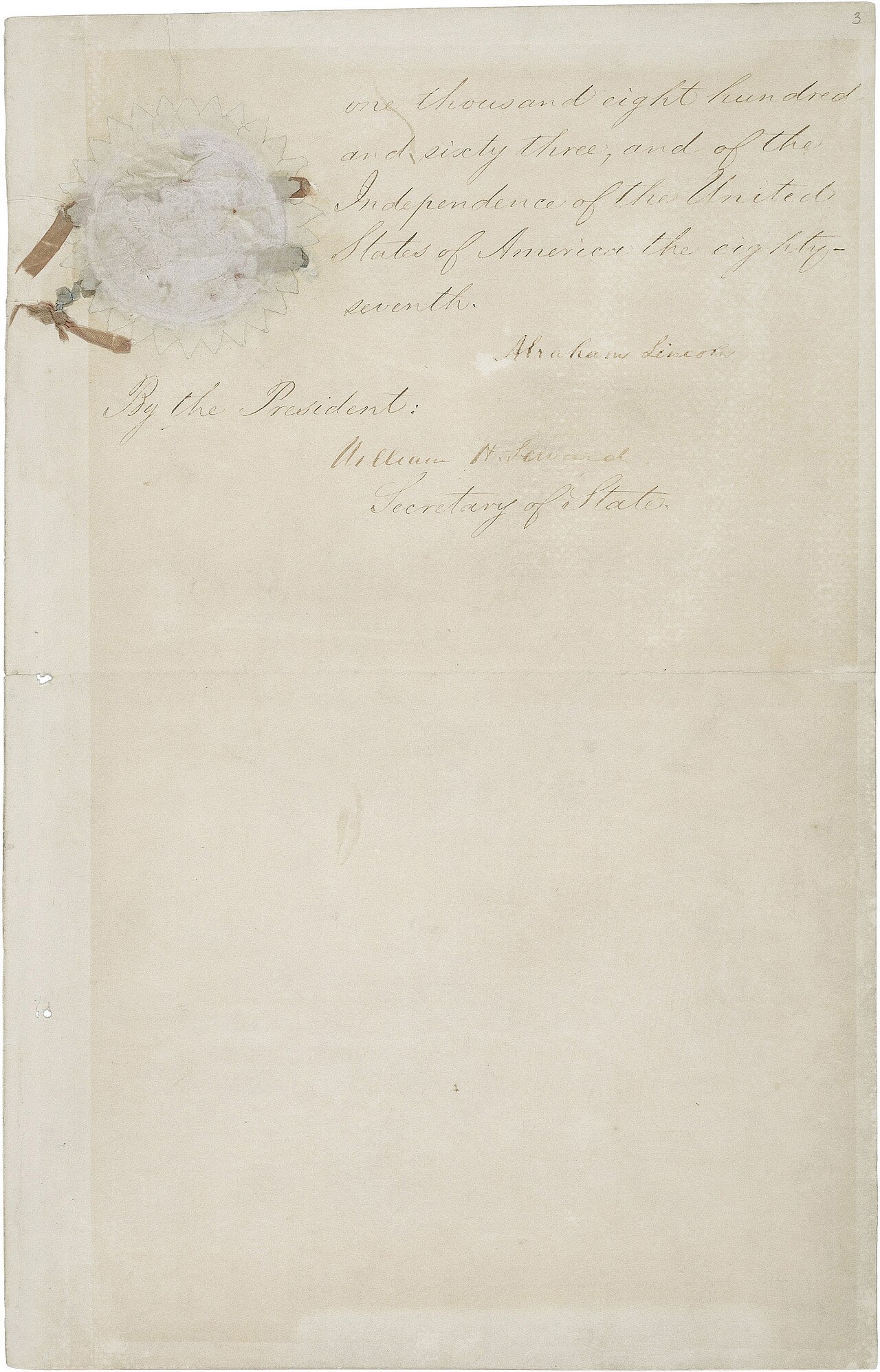 Document
Primary source
Emancipation Proclamation
Abraham Lincoln · 1 January 1863
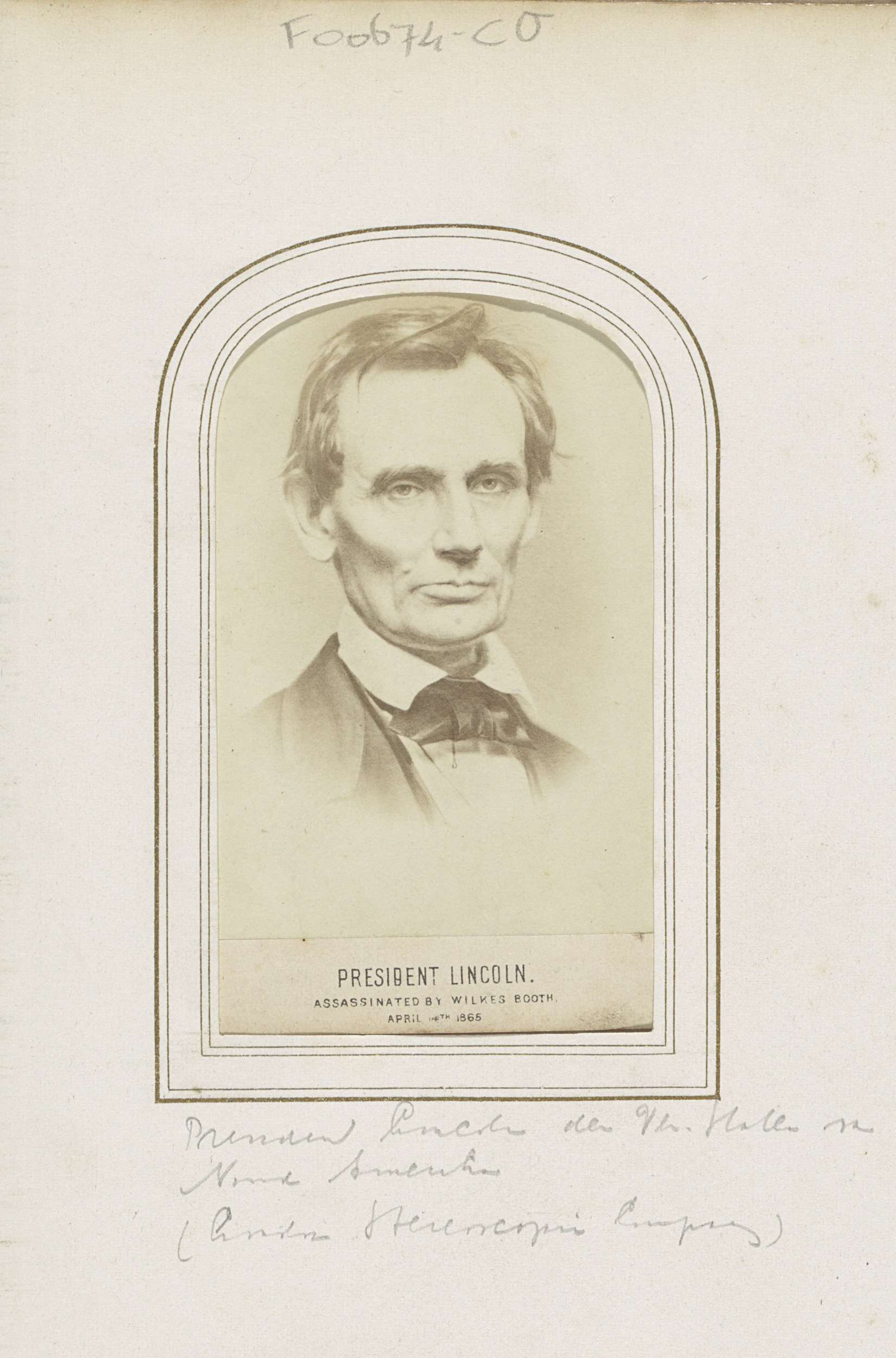 Photograph
Primary source
Carte-de-visite Portrait of Abraham Lincoln
19th century
 Speech
Primary source
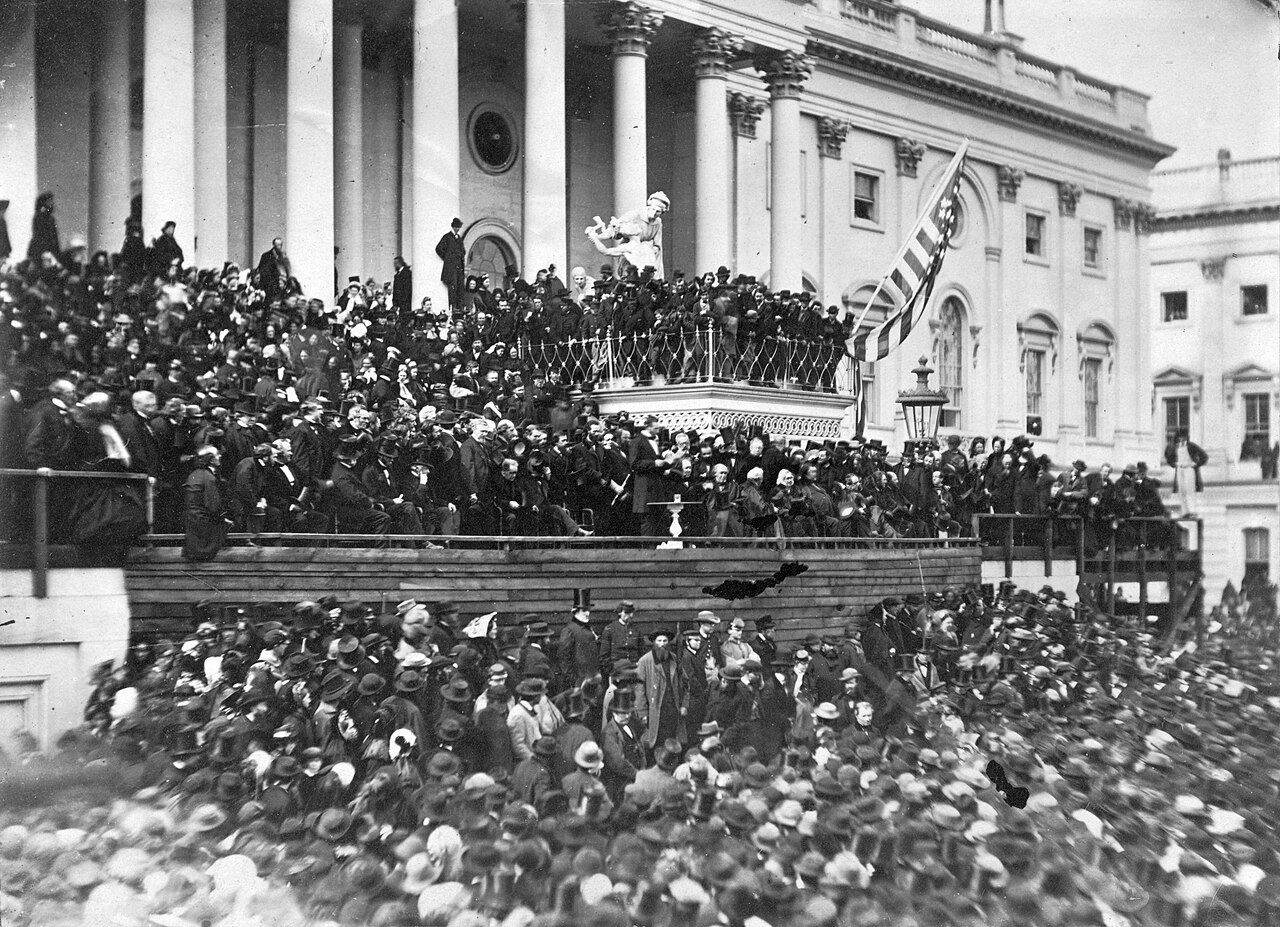
Abraham Lincoln's Second Inaugural Address
Abraham Lincoln · 4 March 1865
Ready when you are
Start chatting with Abraham Lincoln now.
20 messages free · No credit card · Available in 50+ languages.