


Secondary sourceArtifact1845
Hungerford Bridge
Isambard Kingdom Brunel · 1845
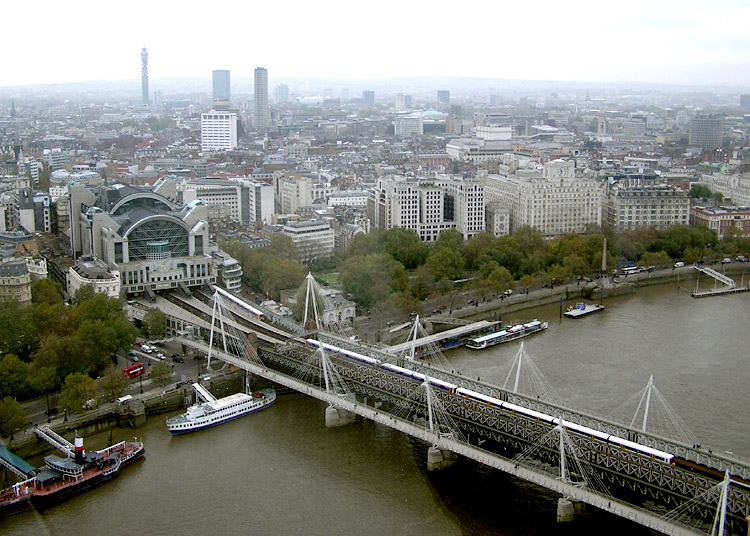
Brunel's 1845 suspension footbridge across the Thames, later demolished, with its chains reused in the Clifton Suspension Bridge.
Brunel designed the original footbridge here; its chains were later reused in his Clifton Suspension Bridge.
About this source
What it is
The first Hungerford Bridge was a suspension footbridge across the River Thames in London, designed by Isambard Kingdom Brunel and opened in 1845. It connected the South Bank to Hungerford Market near Charing Cross. In 1859 it was bought by a railway company and replaced in 1864 by a new structure designed by Sir John Hawkshaw.
Why it matters
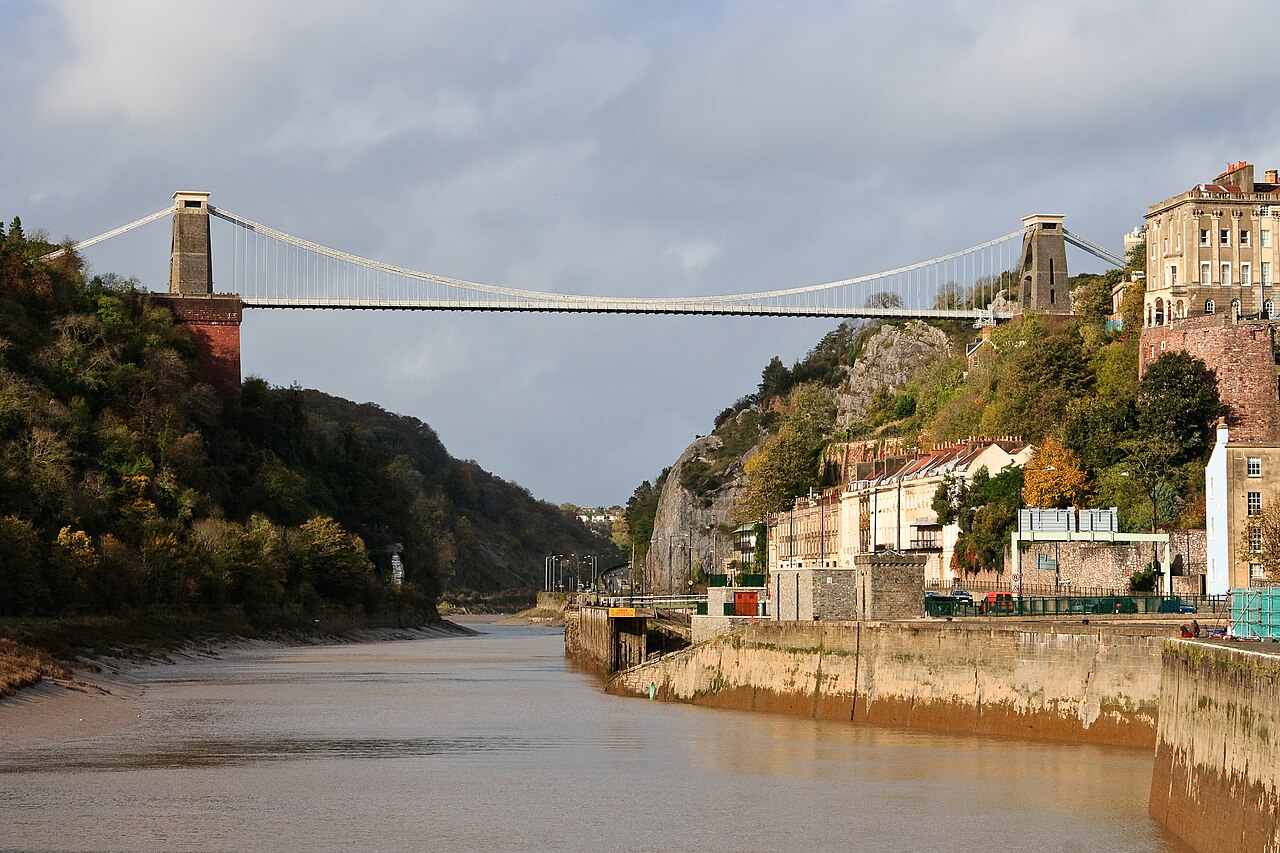
Though Brunel's footbridge no longer stands, its chains were reused in the Clifton Suspension Bridge in Bristol, linking two of his projects together. The brick buttresses from his original bridge still survive today, a physical trace of his work hidden within a much-changed structure.
Look closer
- What can you still see in the modern photograph that might trace back to Brunel's original structure?
- Why do you think parts of demolished bridges, like the chains, were reused rather than scrapped?
- What does the repeated rebuilding of this crossing tell you about how London's needs changed over time?
This artifact is part of the curated material that grounds the AI version of Isambard Kingdom Brunel on Humy.ai — when students ask about related events, the AI can quote it and cite it.
More Isambard Kingdom Brunel sources
Meet the AI Isambard Kingdom Brunel →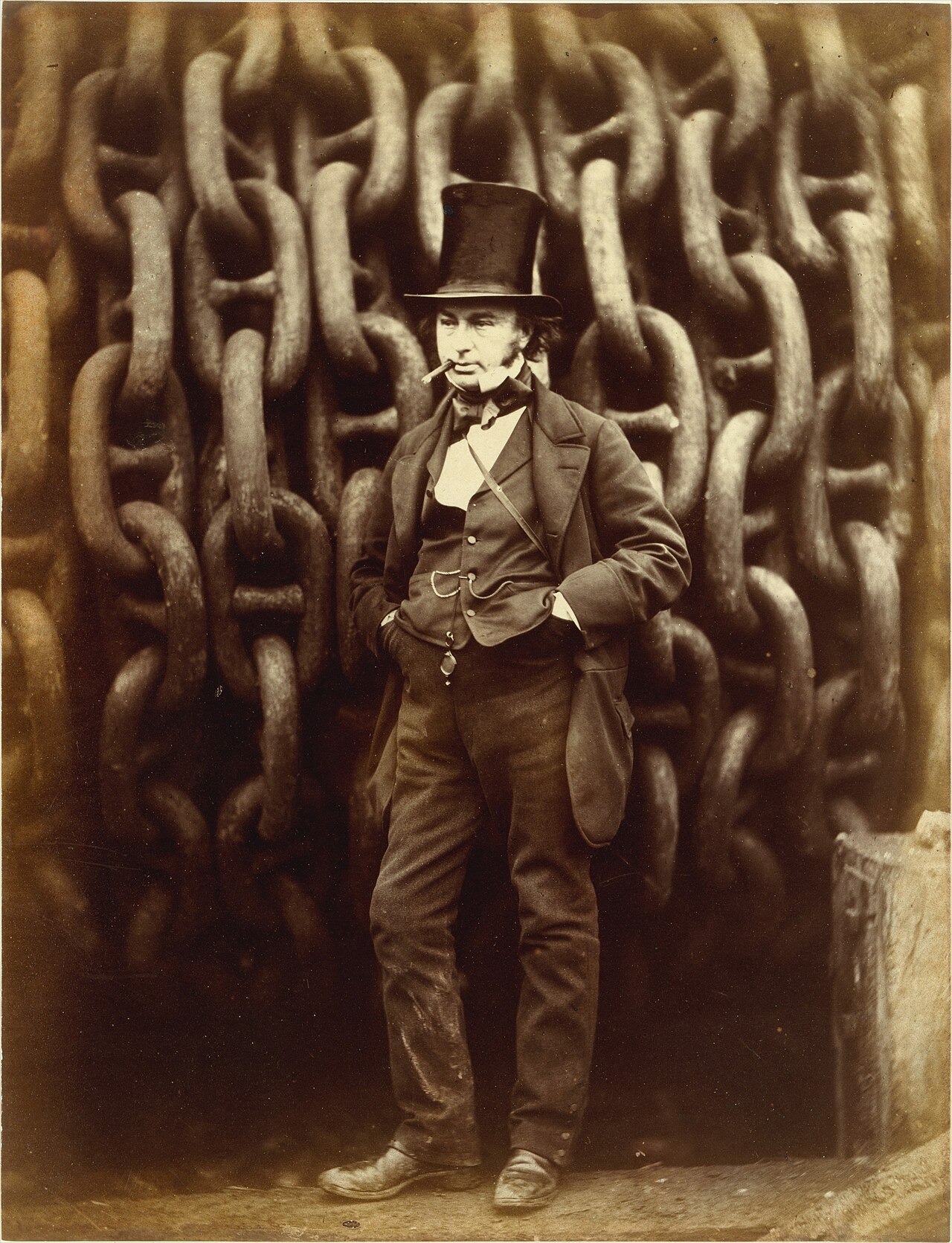 Photograph
Primary source
Isambard Kingdom Brunel Standing Before the Launching Chains of the Great Eastern
Robert Howlett · November 1857
 Artifact
Primary source
Clifton Suspension Bridge
William Henry Barlow and John Hawkshaw, after a design by Isambard Kingdom Brunel · 1864 (completed)
 Artifact
Primary source
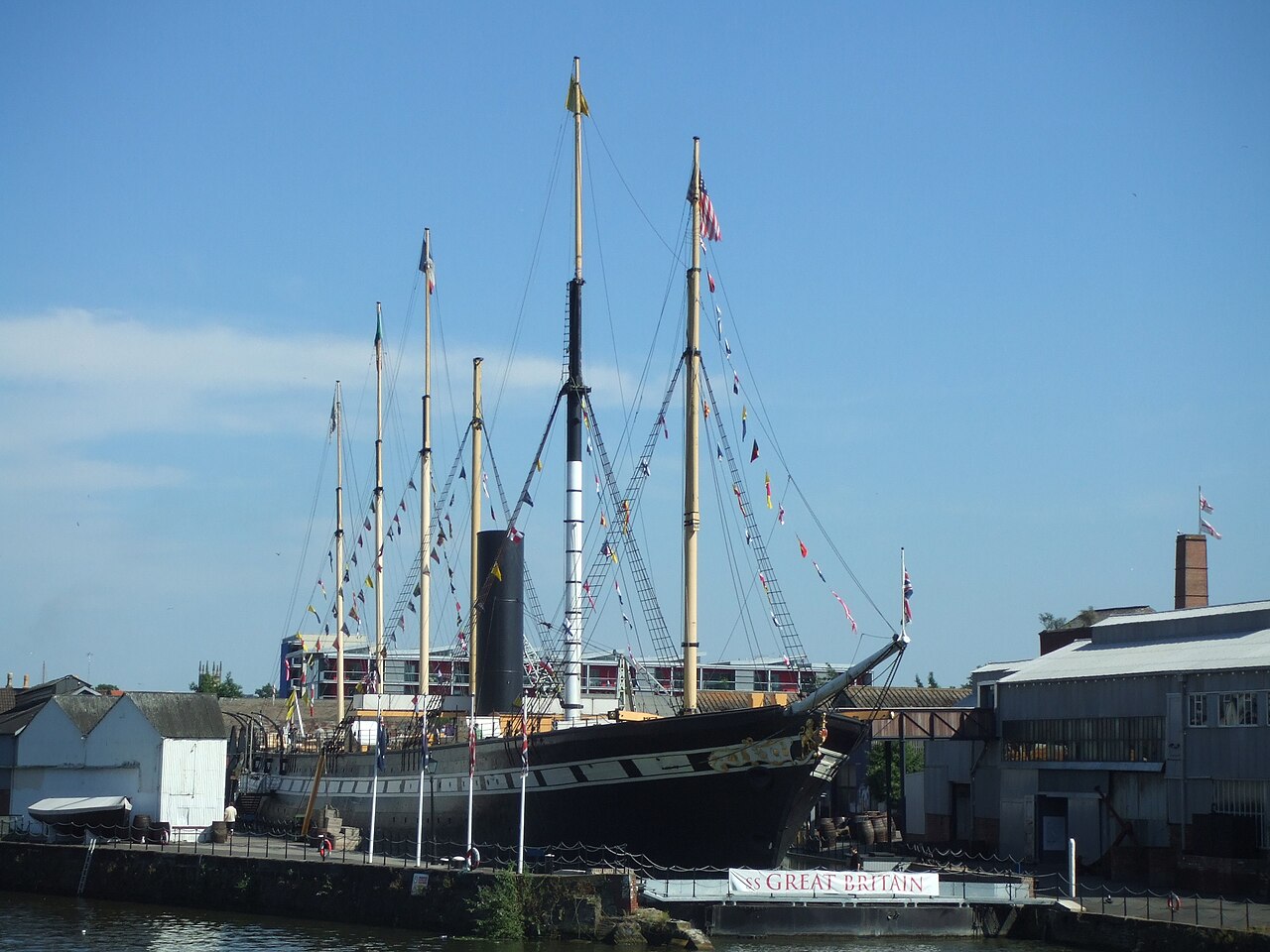
SS Great Britain
Isambard Kingdom Brunel · 1843 (launched)
 Artifact
Primary source
Thames Tunnel
Marc Brunel, with Isambard Kingdom Brunel as resident engineer · 1825-1843
 Artifact
Primary source
SS Great Eastern
Isambard Kingdom Brunel · 1858 (launched)
Ready when you are
Start chatting with Isambard Kingdom Brunel now.
20 messages free · No credit card · Available in 50+ languages.