


Primary sourceDocument1446
Hunminjeongeum
Sejong the Great · 1446
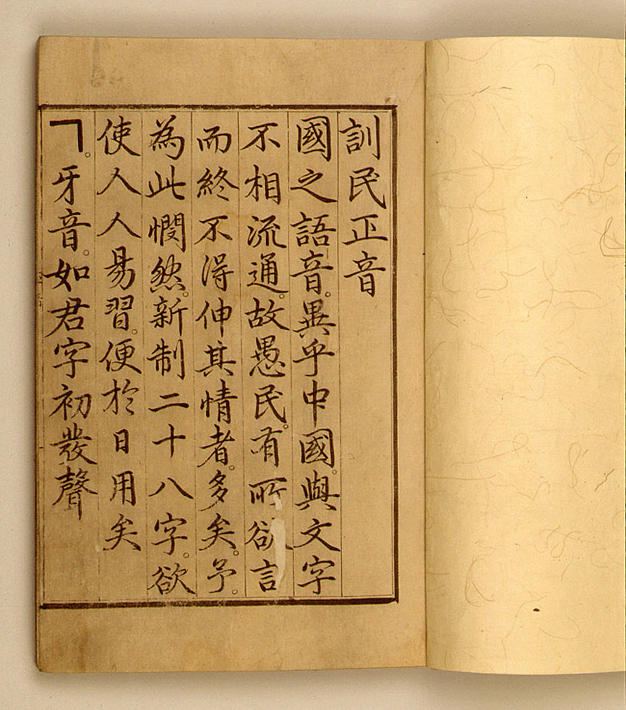
Sejong's 1446 proclamation of the Korean alphabet, explaining in his own preface why he created new letters for common people to write their own speech.
This is Sejong's own proclamation of Hangul, written and issued by him to explain why he invented the alphabet.
Free Humy account · No credit card · 120,912 sources to read
About this source
What it is
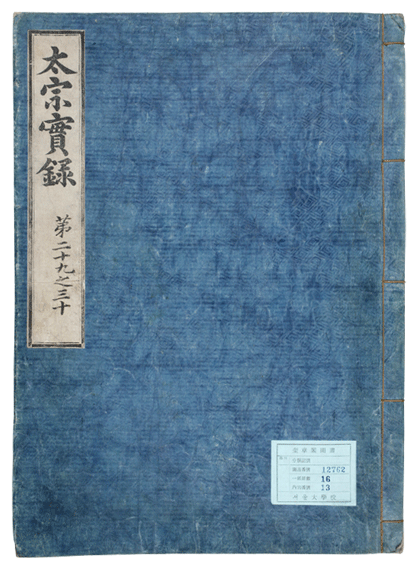
The Hunminjeongeum is the 1446 text that formally introduced the Korean alphabet, now called Hangul. It was written by King Sejong the Great, who ruled Joseon from 1418 to 1450. The fuller Haerye edition adds a commentary that was lost for centuries and rediscovered in 1940. A surviving copy is kept as a National Treasure of South Korea and is listed on the UNESCO Memory of the World Register.
Why it matters
Before this, Korea wrote only with Chinese characters, which were hard to learn and poorly suited to the Korean language, so most common people could not read or write. In his preface Sejong explains that he designed 28 new letters so that ordinary people could express their thoughts in writing. The document shows Sejong not just as a ruler but as a scholar directly involved in a major cultural invention.
Look closer
- Why might a king personally create a writing system instead of leaving it to scholars?
- What does the preface tell you about how Sejong saw ordinary, uneducated people?
- Why do you think this text was originally written in Chinese characters rather than in the new Hangul itself?
This document is part of the curated material that grounds the AI version of Sejong the Great on Humy.ai — when students ask about related events, the AI can quote it and cite it.
More Sejong the Great sources
Browse all 74 →

Ready when you are
Start chatting with Sejong the Great now.
20 messages free · No credit card · Available in 50+ languages.