


Primary sourceArtifact1954
IBM 704
1954
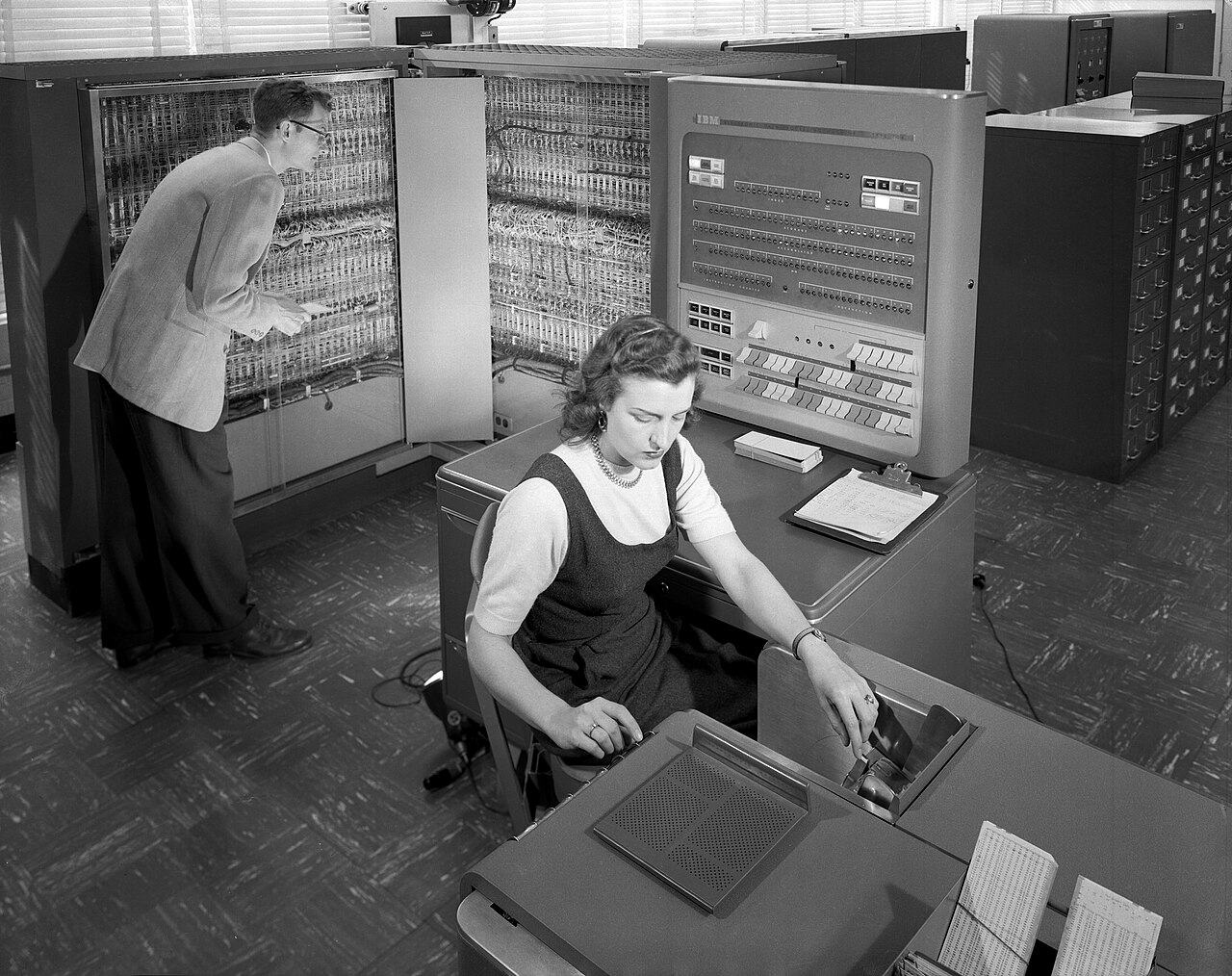
A 1954 IBM electronic computer, the kind of machine whose arrival at NASA led Dorothy Vaughan to teach herself and her staff the FORTRAN programming language.
The arrival of computers like this one led Vaughan to teach herself and her staff FORTRAN programming.
About this source
What it is
The IBM 704 was a large digital mainframe computer introduced by IBM in 1954, designed by John Backus and Gene Amdahl. It was the first mass-produced computer with hardware for floating-point arithmetic, and the FORTRAN and LISP programming languages were first developed on it.
Why it matters
Machines like the IBM 704 replaced the hand calculations once done by NASA's human computers. Dorothy Vaughan, who had led a team of African-American women mathematicians at Langley, taught herself and her staff the FORTRAN programming language so they could keep working as electronic computers took over their earlier tasks.
Look closer
- What does this photo show about who operated these early computers?
- Why might learning a new skill like programming have mattered for keeping a job?
- How did the arrival of machines like this change the kind of work people like Vaughan did?
This artifact is part of the curated material that grounds the AI version of Dorothy Vaughan, Nathaniel Rochester, Arthur Samuel, John McCarthy and Frank Rosenblatt on Humy.ai — when students ask about related events, the AI can quote it and cite it.
More Dorothy Vaughan sources
Browse all 34 → Artifact
Secondary source
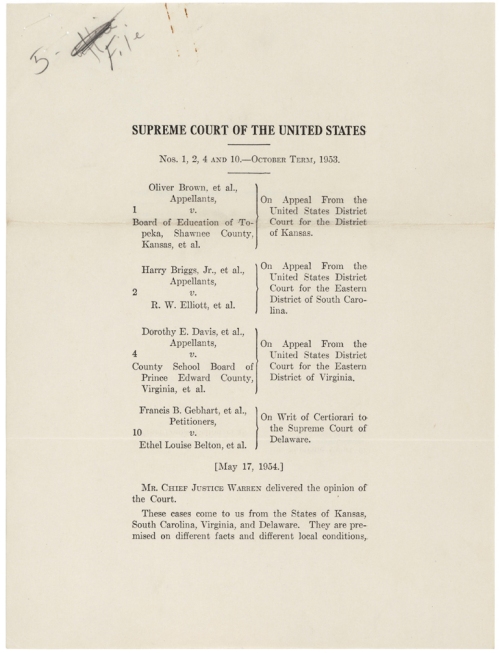
Robert Russa Moton Museum
1939
 Photograph
Primary source
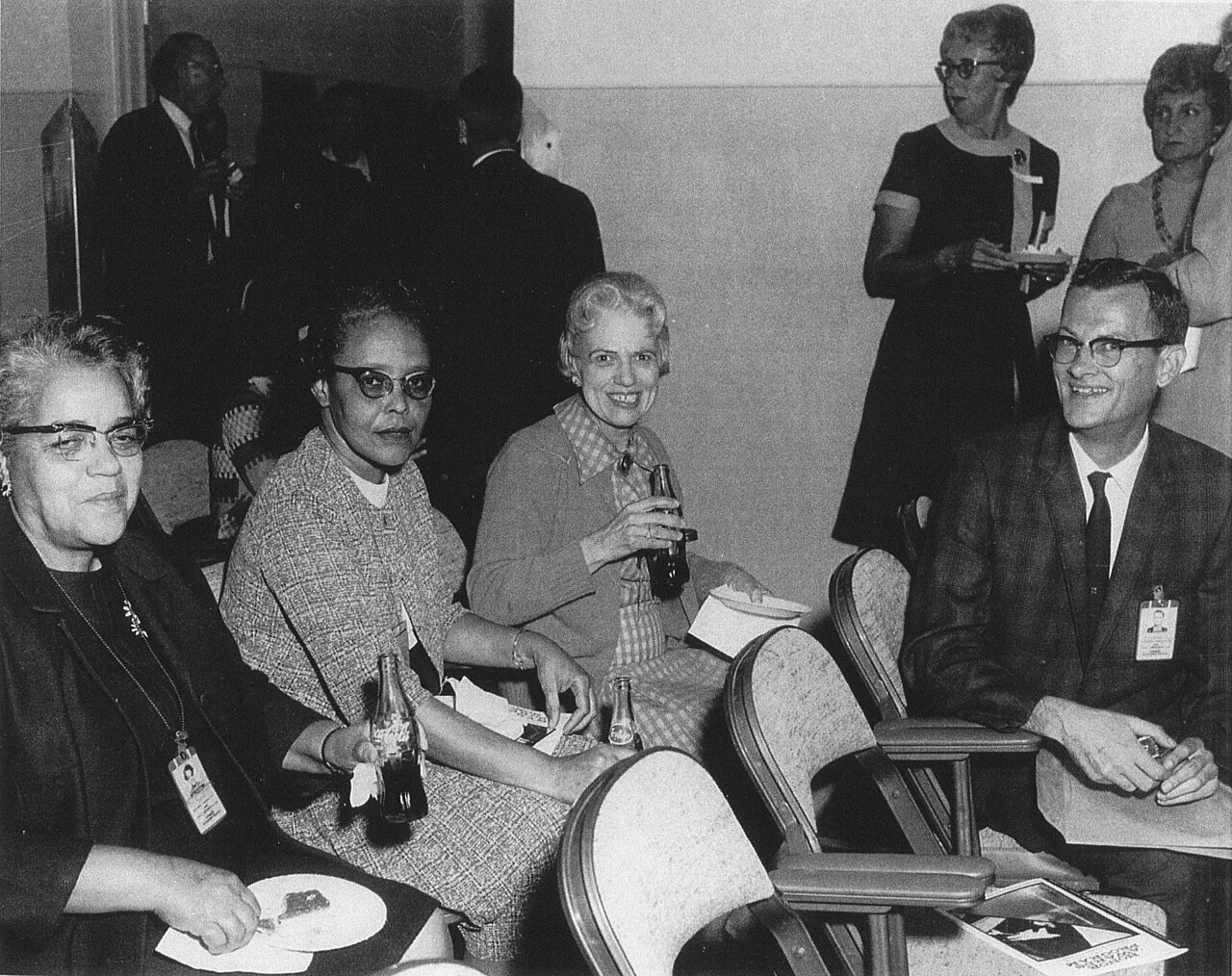
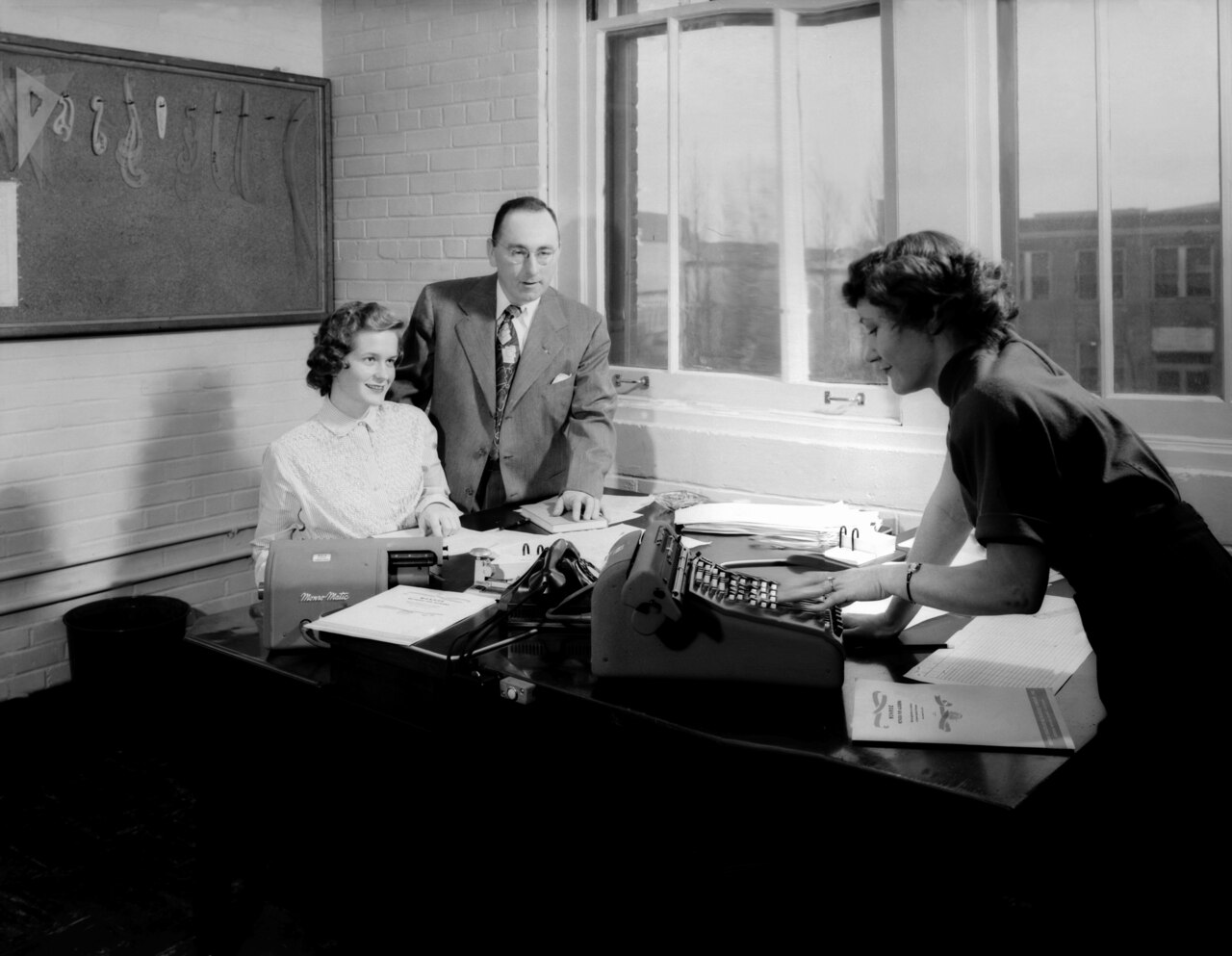
Dorothy Vaughan with Fellow Human Computers
NASA
 Photograph
Primary source
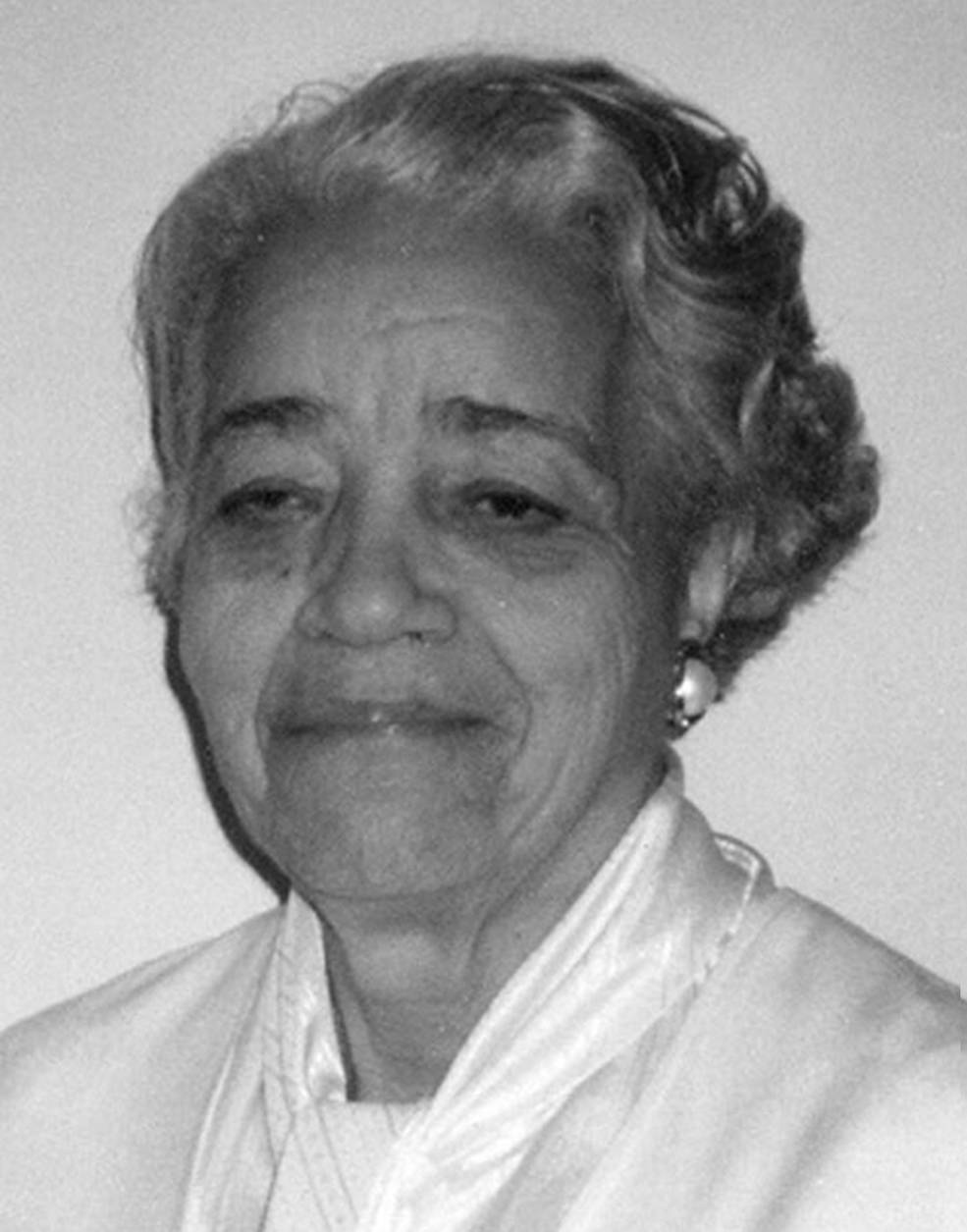
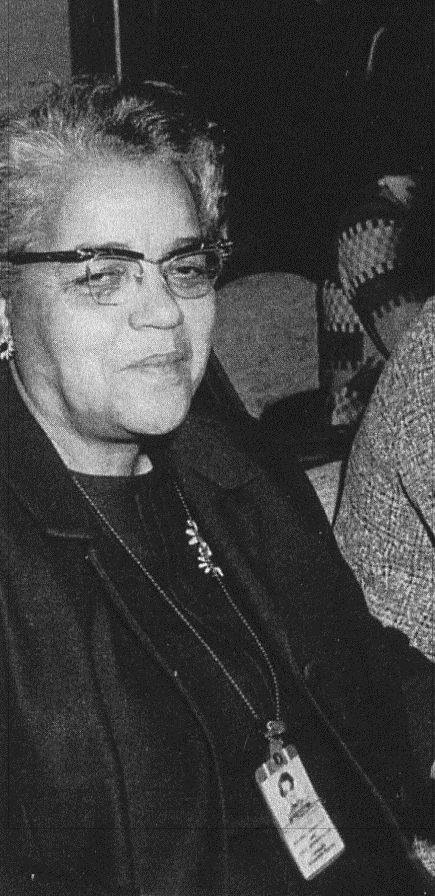
Portrait of Dorothy Vaughan
NASA on The Commons
 Speech
Primary source
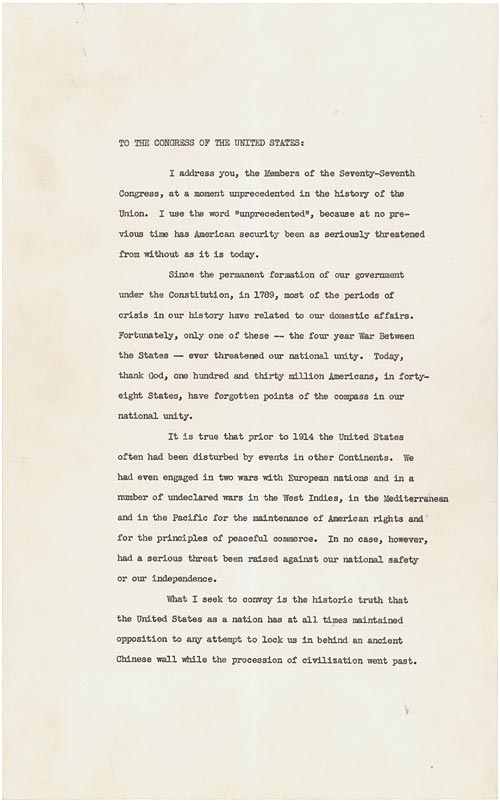
Four Freedoms Speech
Franklin Delano Roosevelt · 6 January 1941
Free account
Read every Dorothy Vaughan source
Sign up free →
Ready when you are
Start chatting with Dorothy Vaughan now.
20 messages free · No credit card · Available in 50+ languages.