


Primary sourcePhotographc. 1893
Ida B. Wells-Barnett Portrait
Mary Garrity · c. 1893
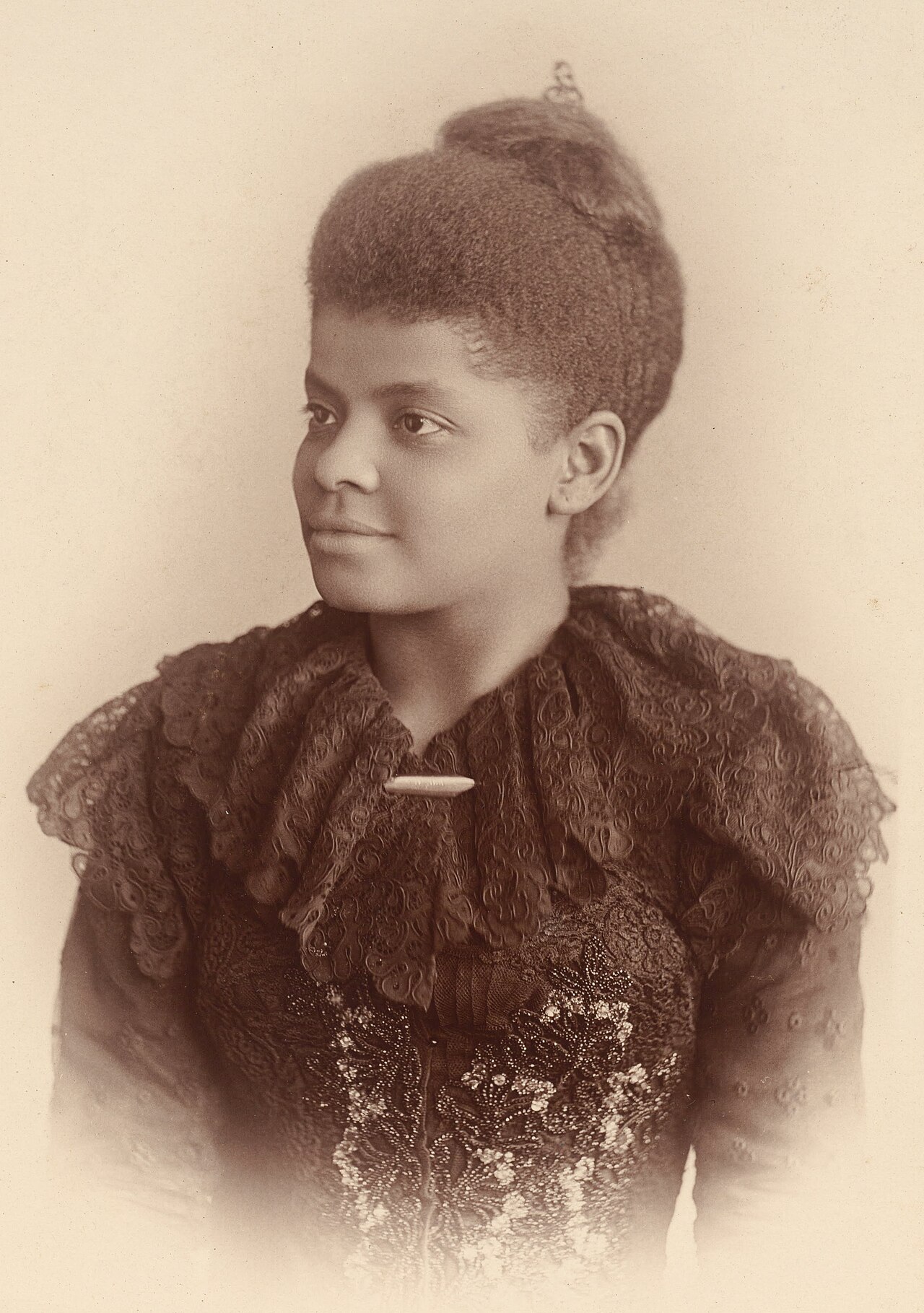
A sepia studio portrait of Ida B. Wells taken around 1893, the best-known lifetime image of her at the height of her anti-lynching campaign.
This is the best-known lifetime photograph of Wells, taken during her anti-lynching campaign.
About this source
What it is
This photograph, taken around 1893 by Mary Garrity, shows Ida B. Wells in a studio portrait. It is the most widely used image of her from her lifetime.
Why it matters
This portrait dates from the period when Wells was becoming internationally known for her anti-lynching journalism and speaking tours. Because it is so often reproduced, it has become the standard way later generations picture her, shaping how she is remembered.
Look closer
- What does her clothing and pose suggest about how she wanted to be seen?
- Why might this particular photograph have become so widely used compared to others?
- What can't a formal studio portrait tell you about a person's life and work?
This photograph is part of the curated material that grounds the AI version of Ida B. Wells on Humy.ai — when students ask about related events, the AI can quote it and cite it.
More Ida B. Wells sources
Meet the AI Ida B. Wells →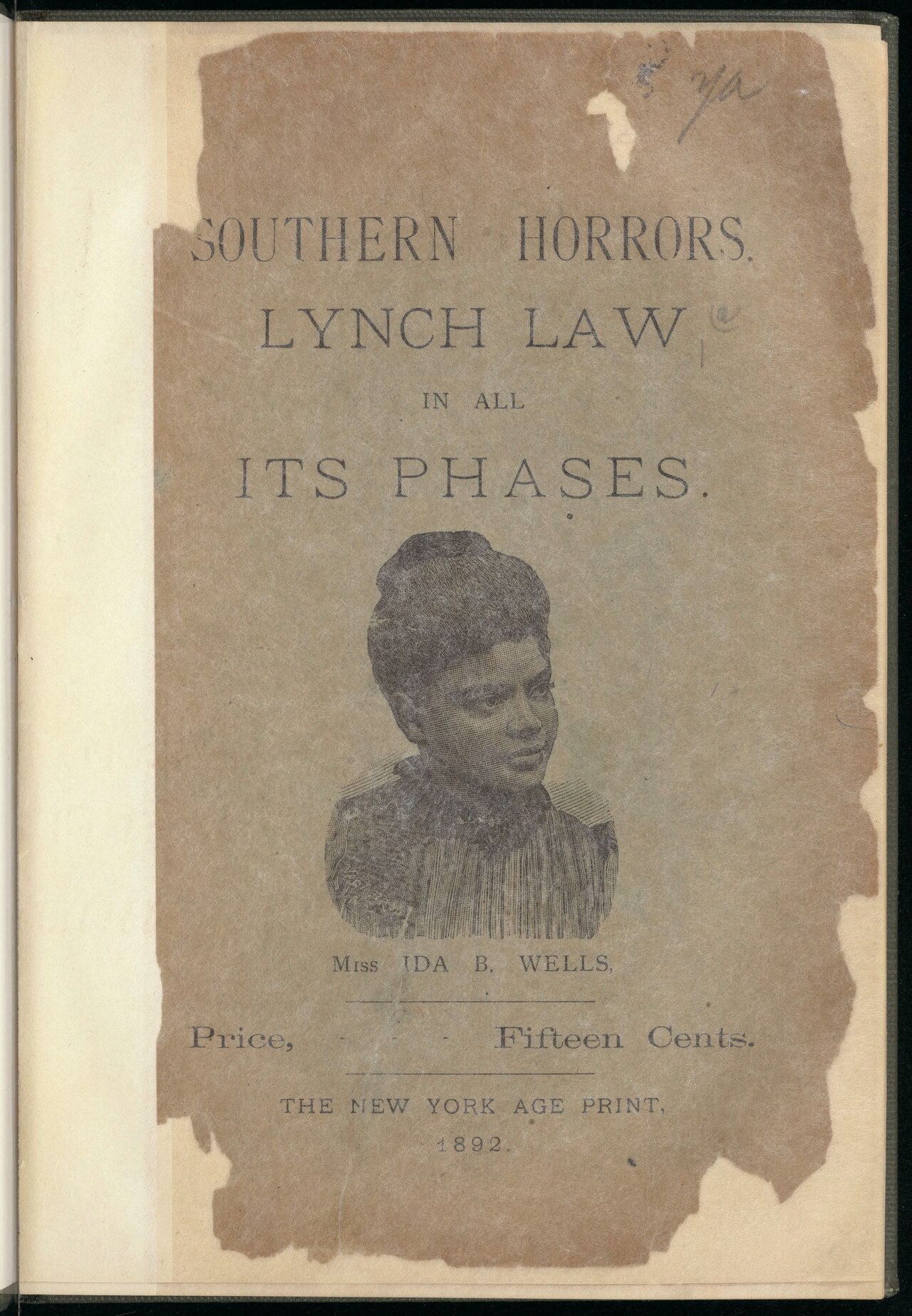 Book
Primary source
Southern Horrors: Lynch Law in All Its Phases
Ida B. Wells · 1892
Primary source
The Red Record
Ida B. Wells-Barnett · 1895
 Photograph
Primary source
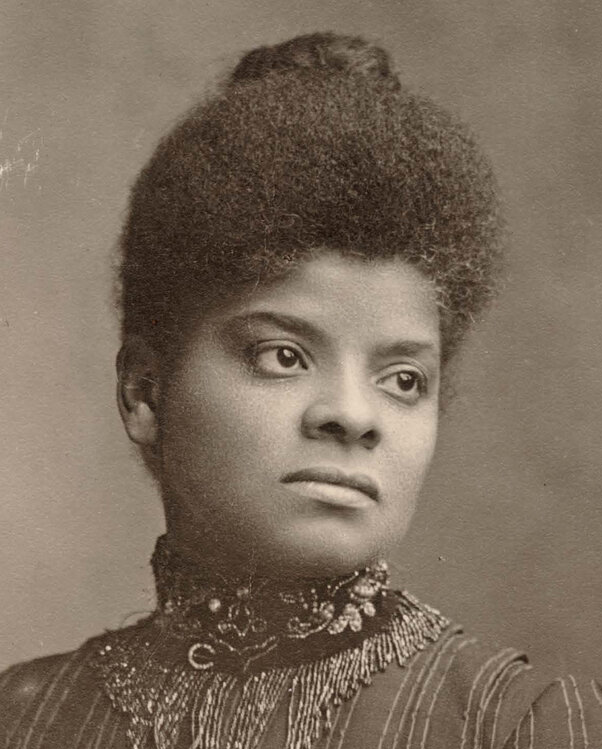
Ida B. Wells Portrait by Cihak and Zima
Cihak and Zima · c. 1895
 Newspaper article
Primary source
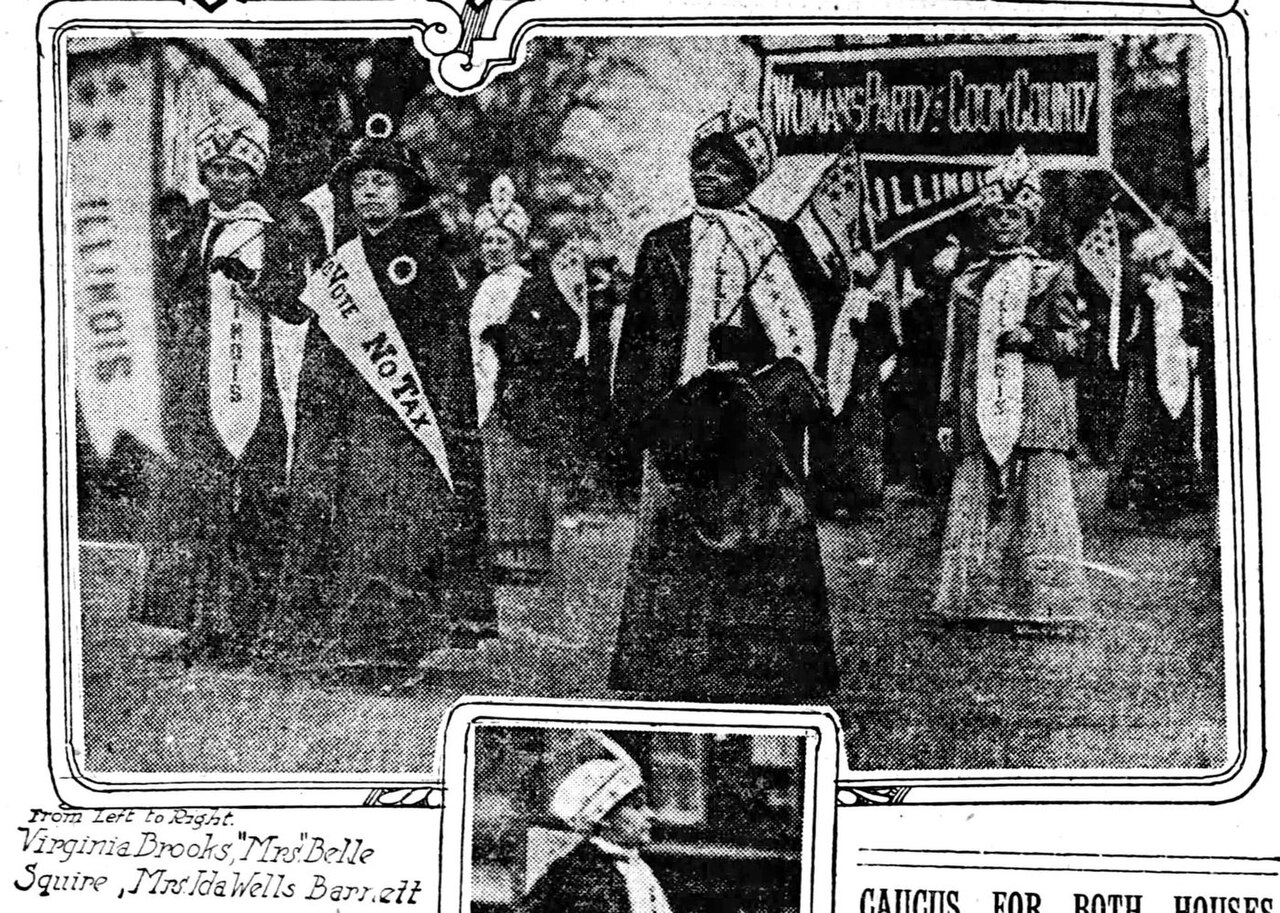
Ida B. Wells at 1913 Suffrage Parade
May 1913
Primary source
The Arkansas Race Riot
Ida B. Wells-Barnett · 1920
Ready when you are
Start chatting with Ida B. Wells now.
20 messages free · No credit card · Available in 50+ languages.