


Secondary sourcePainting1889
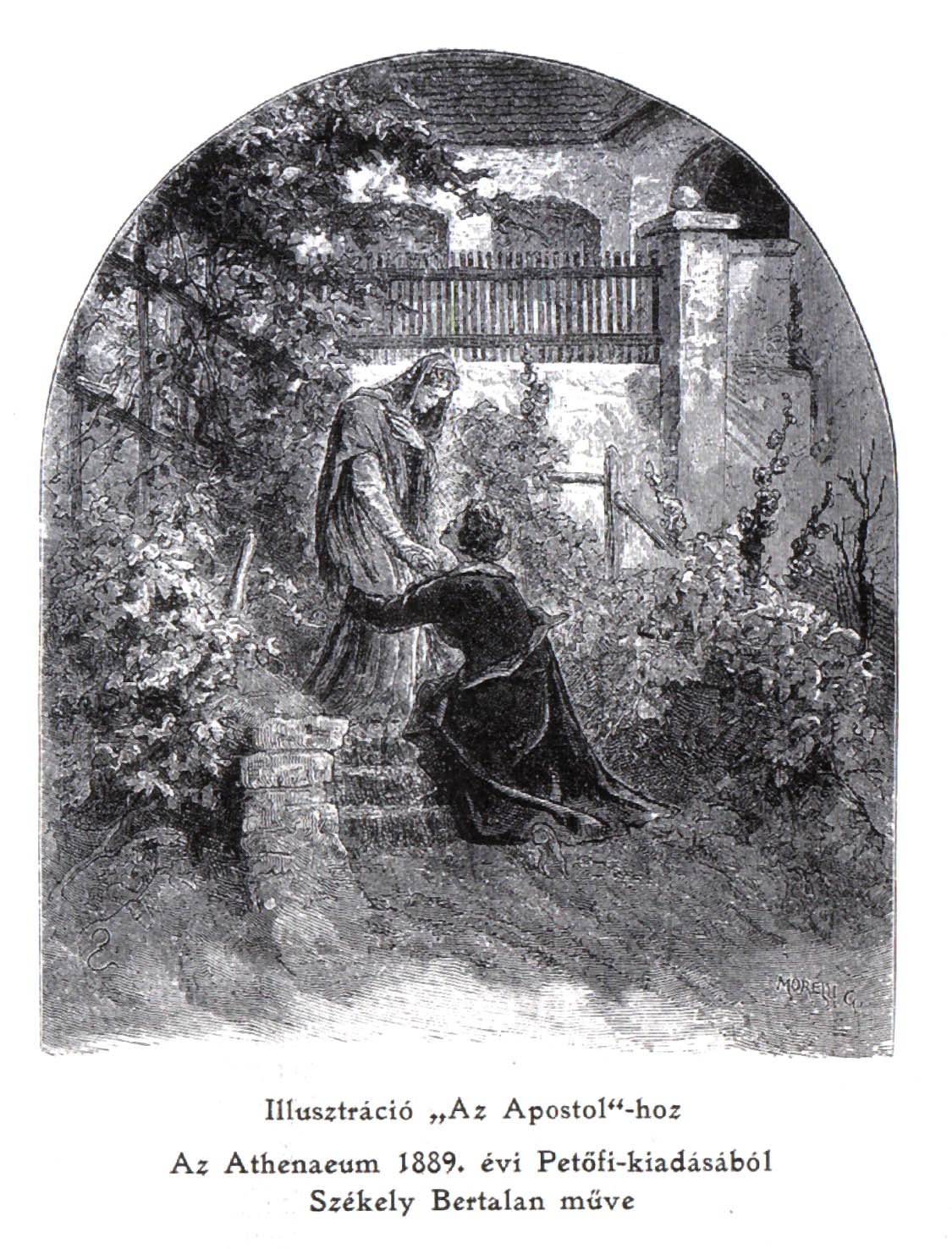
Illustration to The Apostle
Bertalan Székely · 1889
An 1889 engraved illustration by Bertalan Székely for Petőfi's revolutionary epic poem The Apostle.
This later illustration visualizes a scene from Petőfi's epic poem The Apostle, showing his lasting influence on Hungarian art.
About this source
What it is
This is a black-and-white engraved illustration created by the Hungarian artist Bertalan Székely in 1889 for an edition of Sándor Petőfi's poem The Apostle, published by Athenaeum. It shows a woman in a cloak reaching toward a kneeling man in a garden setting, framed by an arched border.
Why it matters
This image shows how Hungarian artists of the generation after Petőfi visualized the dramatic and emotional scenes from his most ambitious revolutionary poem. It reflects how Petőfi's work continued to inspire artistic interpretation long after his death, keeping his revolutionary ideas alive in Hungarian culture.
Look closer
- What emotions does the artist capture in the pose of the two figures?
- Why might an artist in 1889, decades after Petőfi's death, choose to illustrate this particular scene?
- What does the setting—a garden with vines and a fence—tell you, or not tell you, about the story?
This painting is part of the curated material that grounds the AI version of Sándor Petőfi on Humy.ai — when students ask about related events, the AI can quote it and cite it.
More Sándor Petőfi sources
Meet the AI Sándor Petőfi →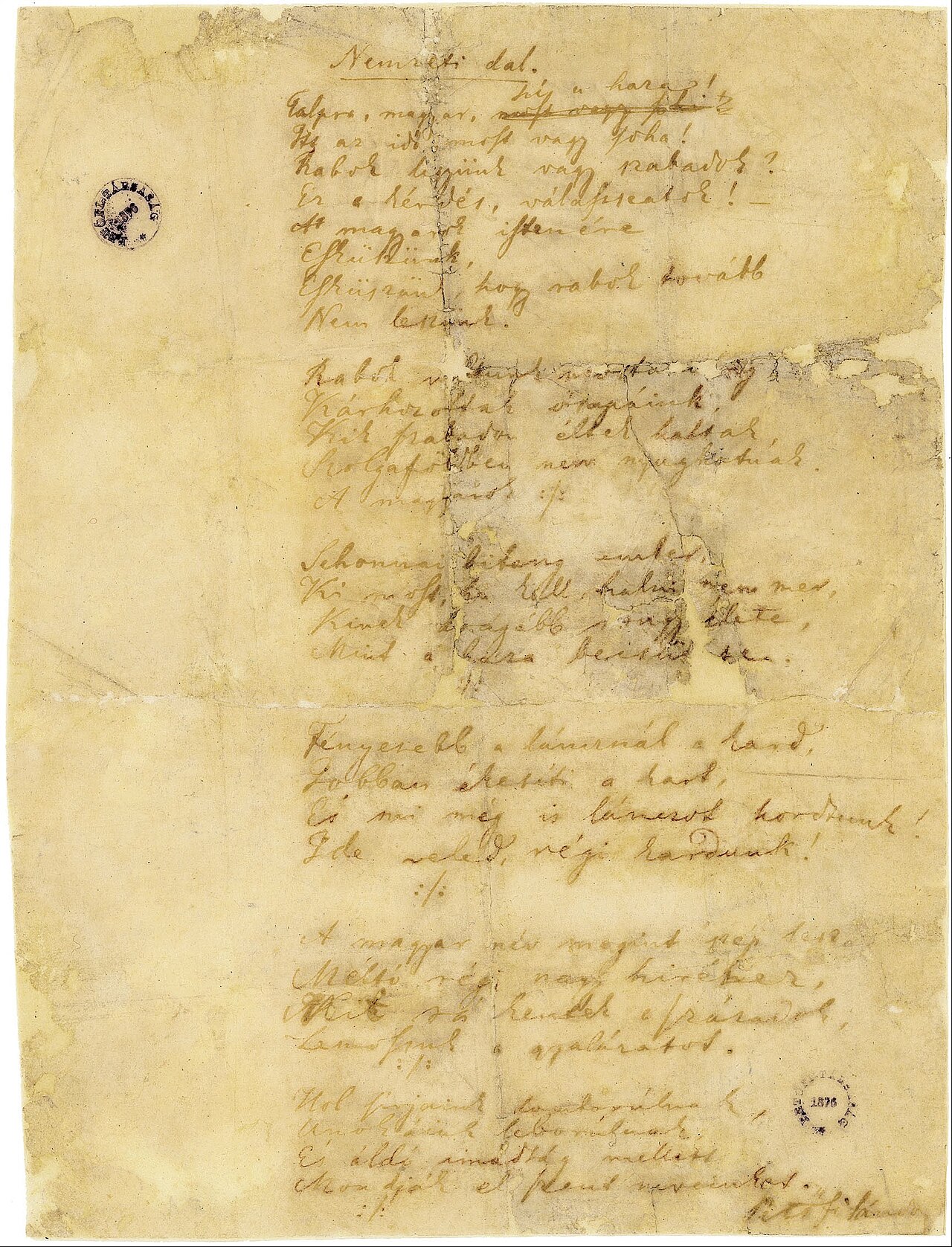 Book
Primary source
Nemzeti dal
Sándor Petőfi · 13 March 1848
 Document
Primary source
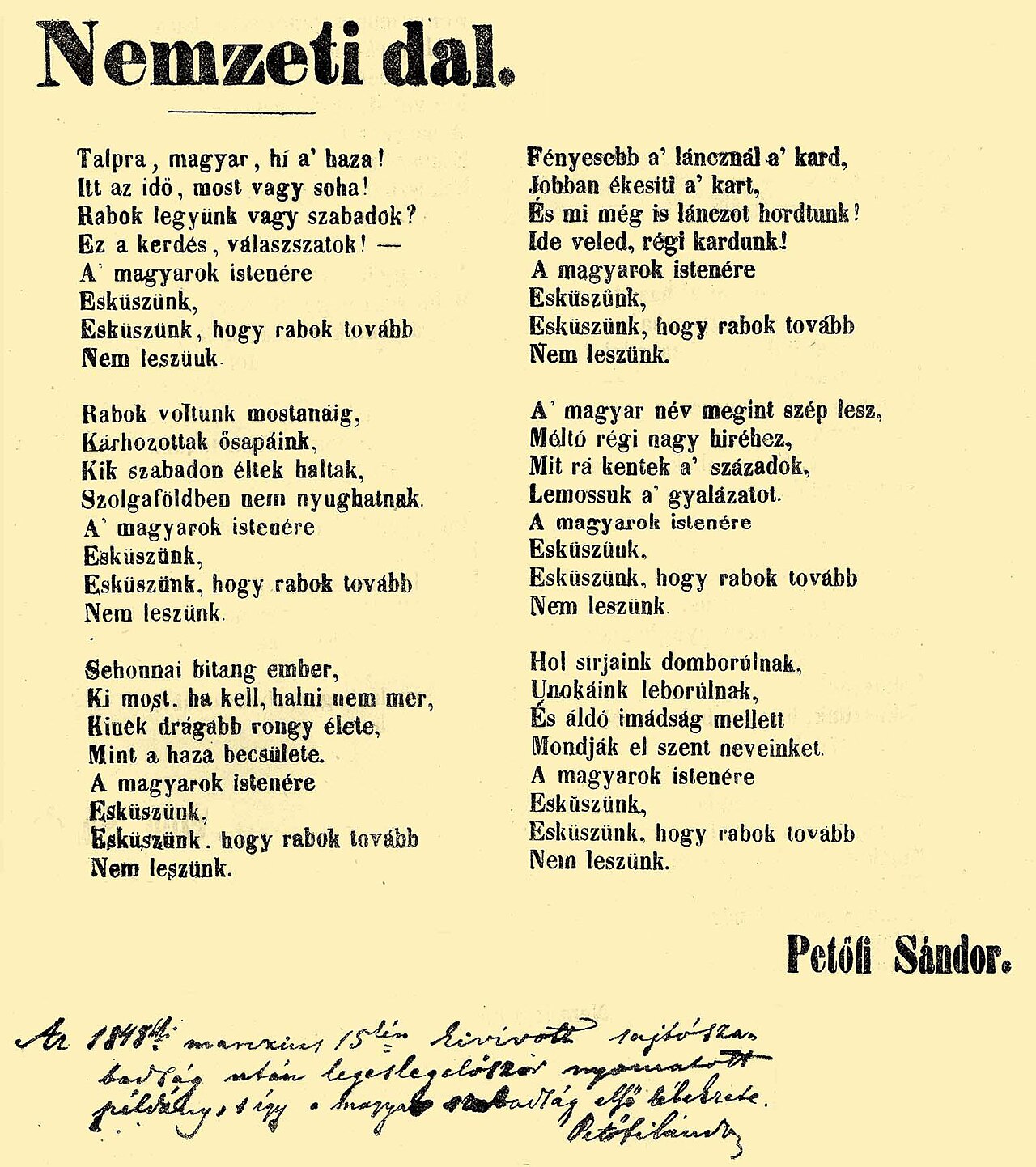
Nemzetidal broadside
Sándor Petőfi · 15 March 1848
 Book
Primary source
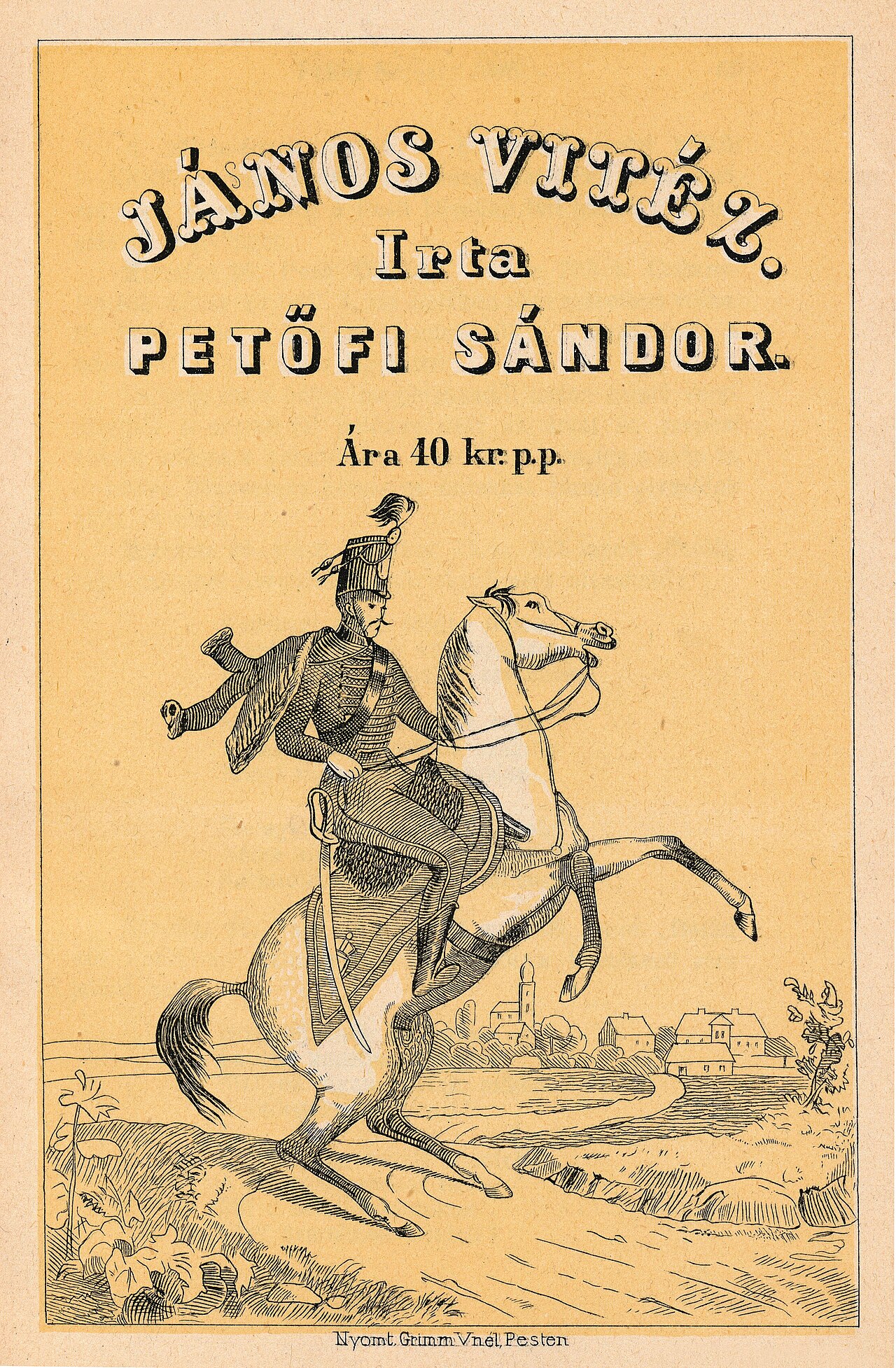
János vitéz
Sándor Petőfi · 1845 (written 1844)
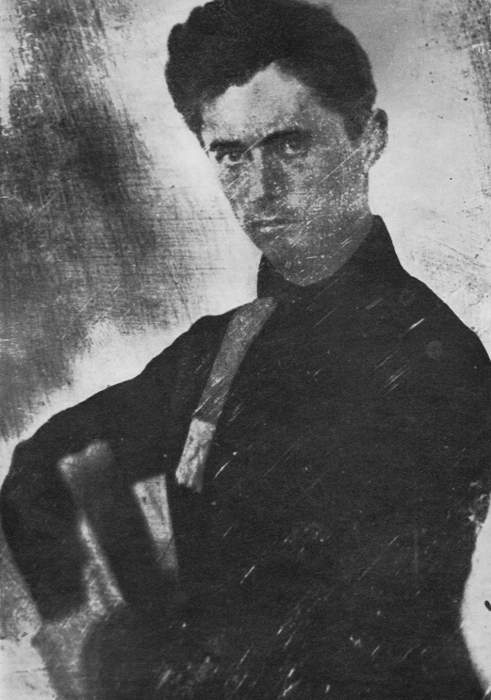 Photograph
Primary source
Sándor Petőfi
Gábor Egressy · 1844
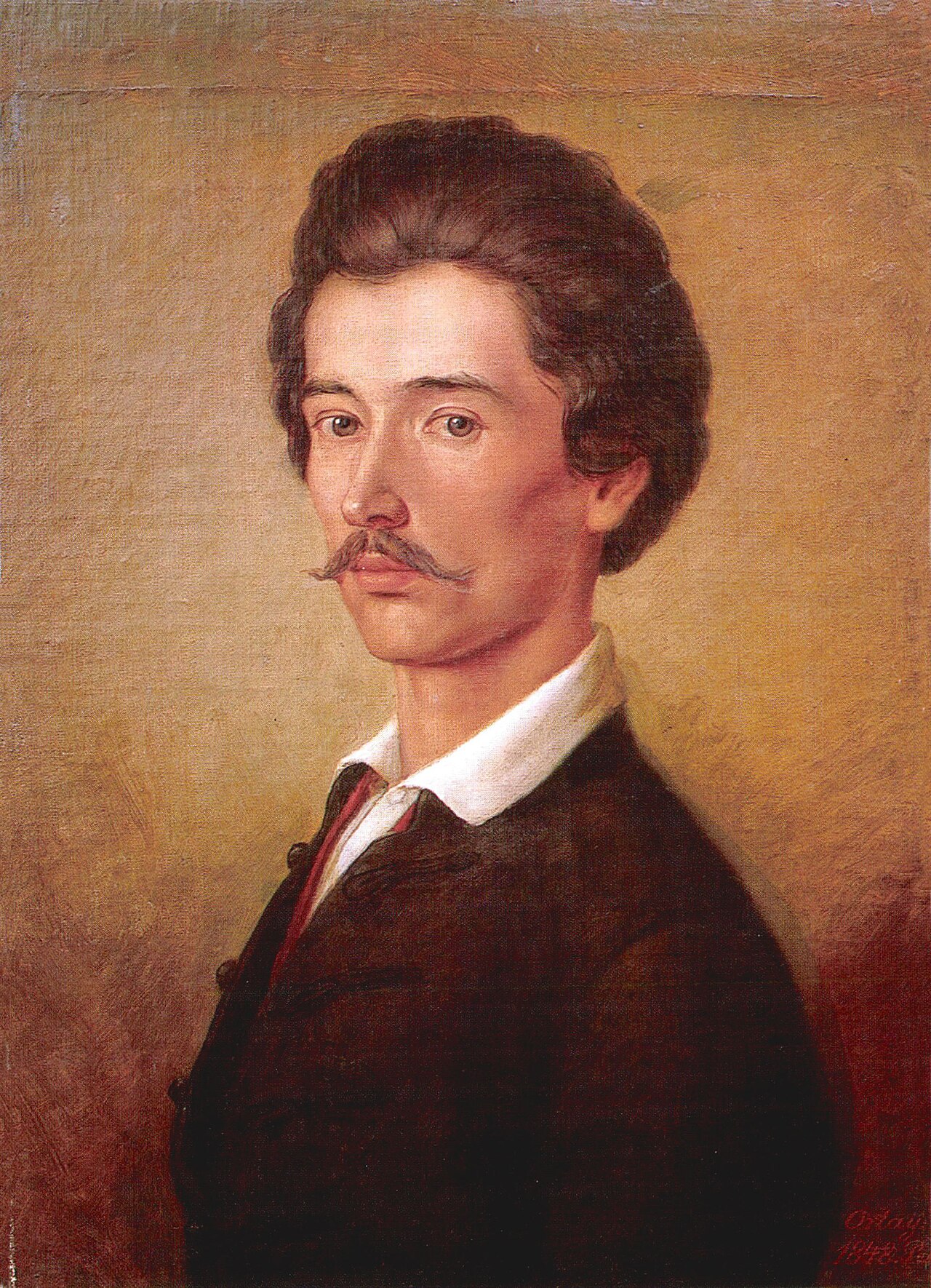 Painting
Primary source
Portrait of Sándor Petőfi
Orlai Petrich Soma
Ready when you are
Start chatting with Sándor Petőfi now.
20 messages free · No credit card · Available in 50+ languages.