


Primary sourceDocument1971
Immigration Act 1971
1971
A statute passed under Heath's government that redefined the right of Commonwealth citizens to settle in Britain.
This statute from Heath's government reshaped Commonwealth immigration rights amid preparations for EEC entry.
Free Humy account · No credit card · 120,912 sources to read
About this source
What it is
This act of Parliament, passed in 1971, almost entirely remade British immigration law. It introduced the concept of 'patriality', or right of abode, restricting the right of Commonwealth citizens to settle in the UK while giving priority to future European Community citizens.
Why it matters
Passed under Edward Heath's government, the act was partly designed to clarify the rights of Commonwealth citizens ahead of joining the European Communities. It reveals how immigration policy and European membership were linked in this period, and how debates over 'Old Commonwealth' versus European migration divided Heath's own party.
Look closer
- Why might a government change immigration rules just before joining a new international organisation?
- What does the division among backbenchers over the Immigration Rules show about disagreement within the Conservative Party?
- Whose voices are missing from a legal document like this one?
This document is part of the curated material that grounds the AI version of Edward Heath on Humy.ai — when students ask about related events, the AI can quote it and cite it.
More Edward Heath sources
Browse all 76 →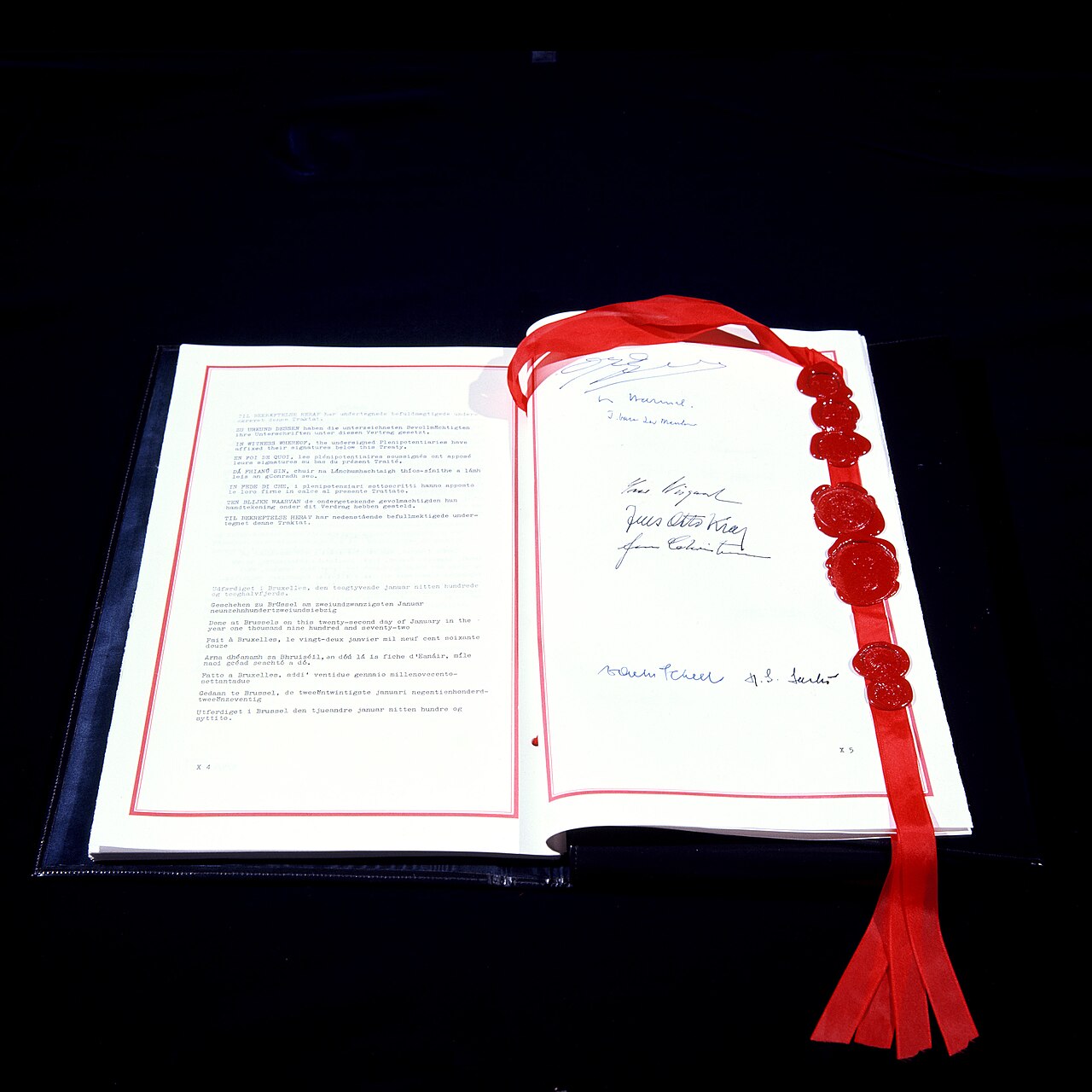 Document
Primary source
Treaty of Accession 1972
1972
Primary source
European Communities Act 1972
1972
 Speech
Primary source
Rivers of Blood speech
Enoch Powell · 20 April 1968
 Photograph
Primary source
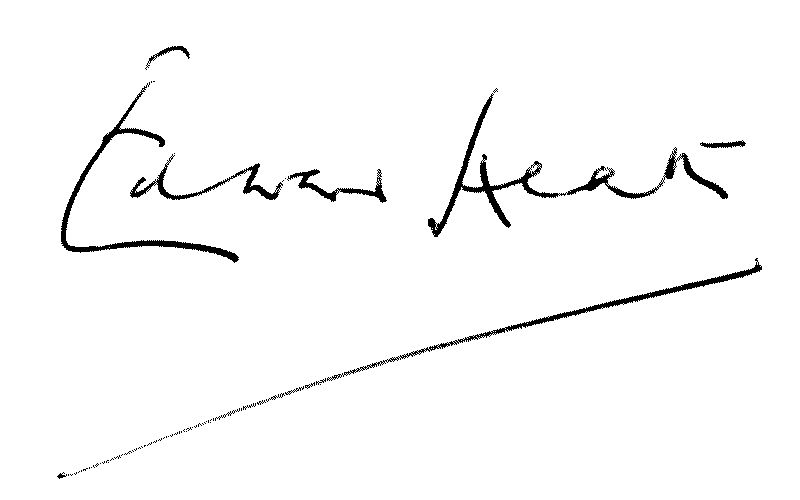
Sir Edward Heath
Central Office of Information


Free account
Read every Edward Heath source
Sign up free →
Ready when you are
Start chatting with Edward Heath now.
20 messages free · No credit card · Available in 50+ languages.