


Primary sourceDocument26 May 1868
Improved Explosive Compound Patent
Alfred Nobel · 26 May 1868
Nobel's 1868 American patent for dynamite, describing nitroglycerin absorbed in an inert material to make it safer to handle.
Nobel's own patent for the explosive compound that built his fortune and shaped his life's legacy.
Free Humy account · No credit card · 65,431 sources to read
About this source
What it is
This is a United States patent granted to Alfred Nobel in 1868 for an 'Improved Explosive Compound.' It describes mixing nitroglycerin with an absorbent substance to make a safer, more transportable explosive. The patent is held by the United States Patent and Trademark Office.
Why it matters
This invention, dynamite, made Nobel's fortune and his international reputation. The patent shows how he presented his invention to the world: as a practical improvement in safety, not as a weapon. It is a key document for understanding how one invention shaped both industry and Nobel's later life.
Look closer
- How does Nobel describe the problem he is solving in his own words?
- Why might a patent emphasize safety rather than destructive power?
- What does this document leave out about how the invention would actually be used?
This document is part of the curated material that grounds the AI version of Alfred Nobel on Humy.ai — when students ask about related events, the AI can quote it and cite it.
More Alfred Nobel sources
Browse all 98 →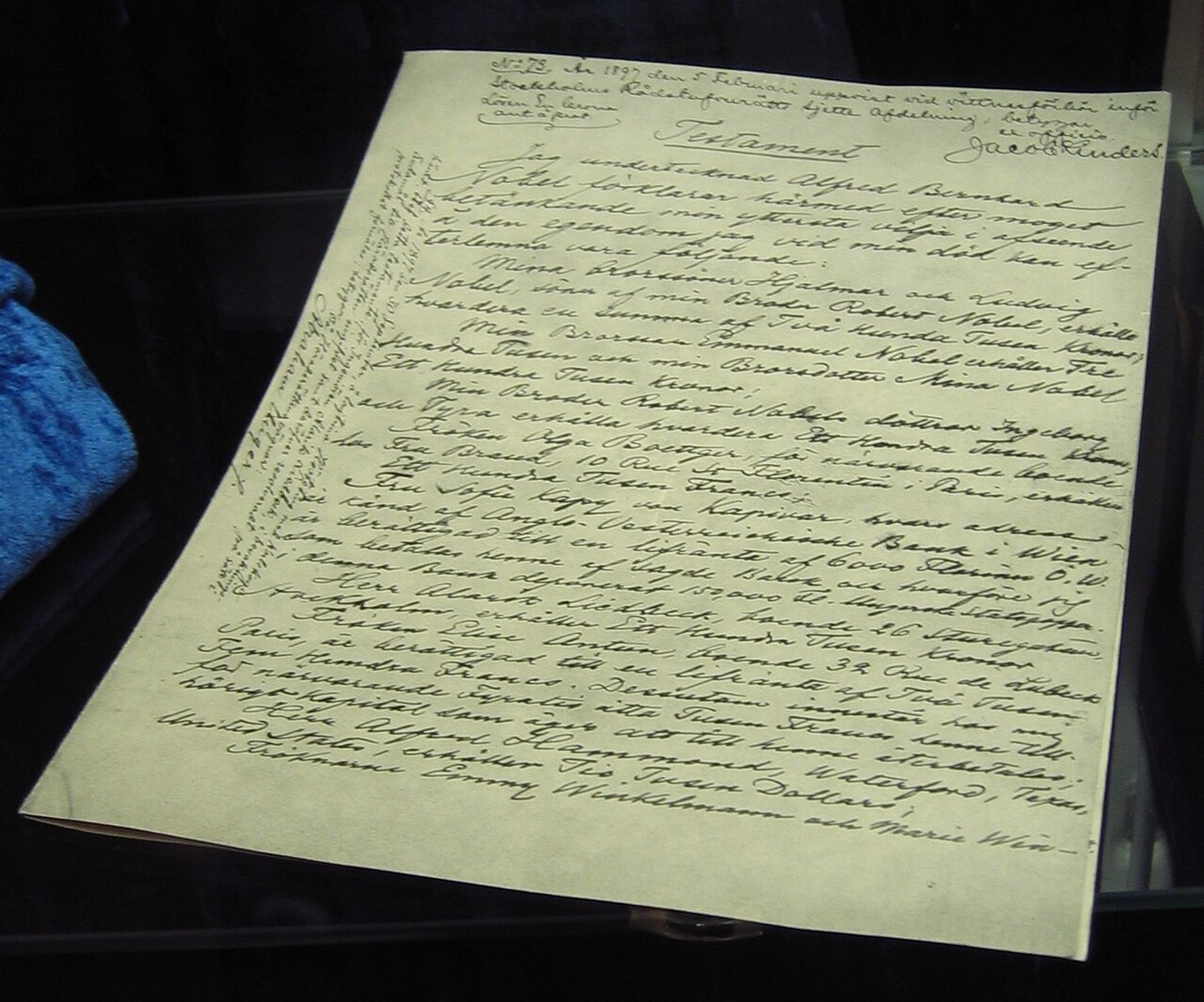 Document
Primary source
Alfred Nobel's Will
Alfred Nobel · 27 November 1895
 Letter
Primary source
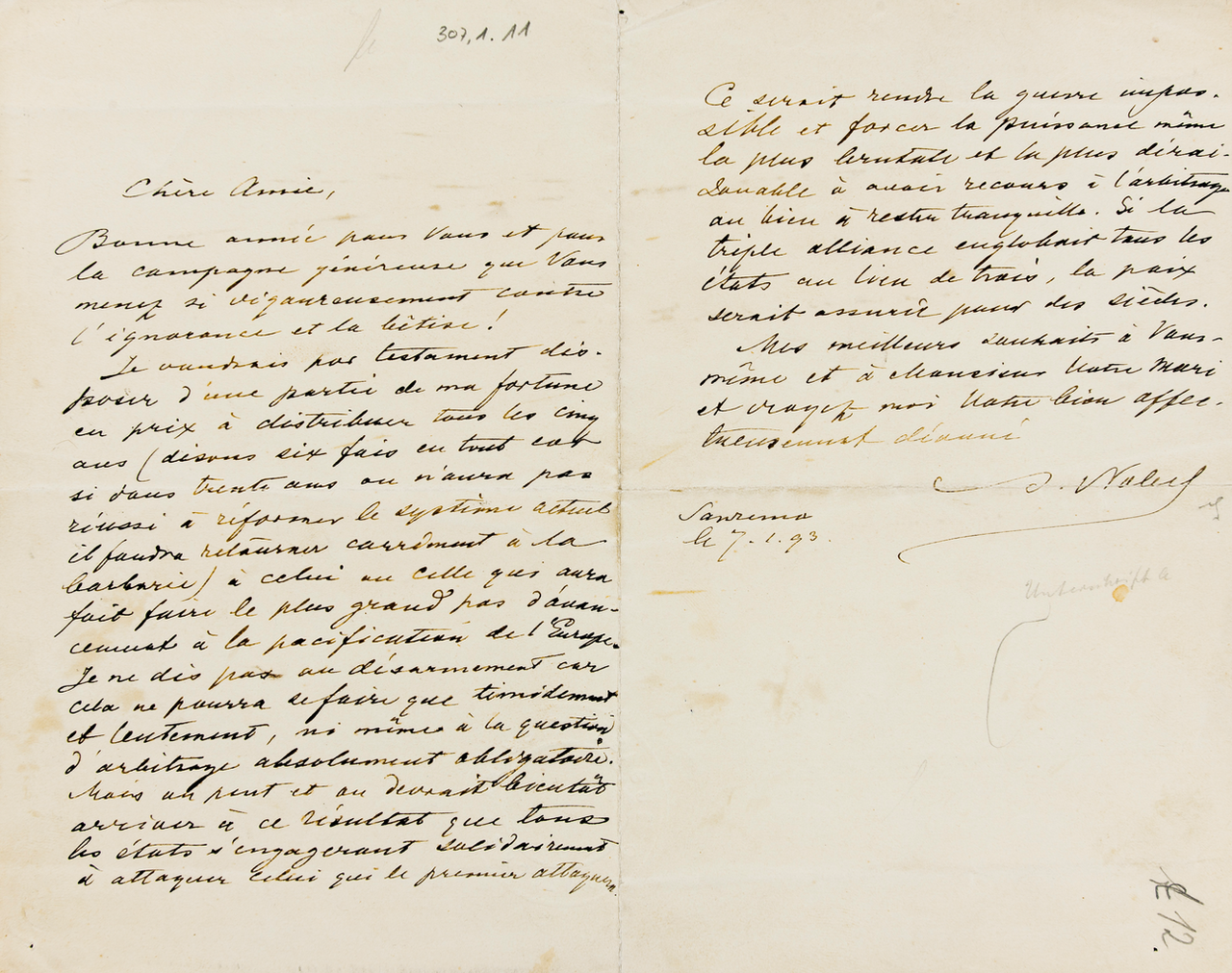
Letter from Alfred Nobel to Bertha von Suttner
Alfred Nobel · 7 January 1893
 Book
Primary source
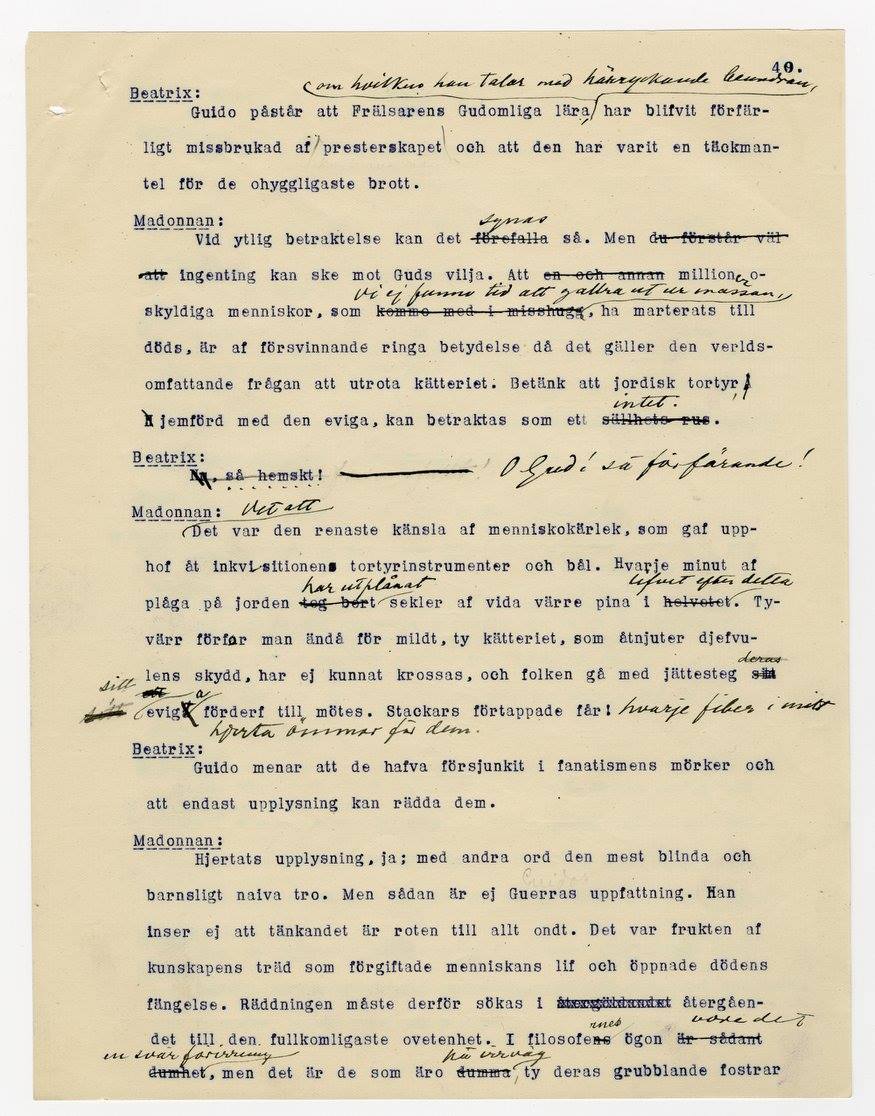
Nemesis
Alfred Nobel · 1896
 Letter
Primary source
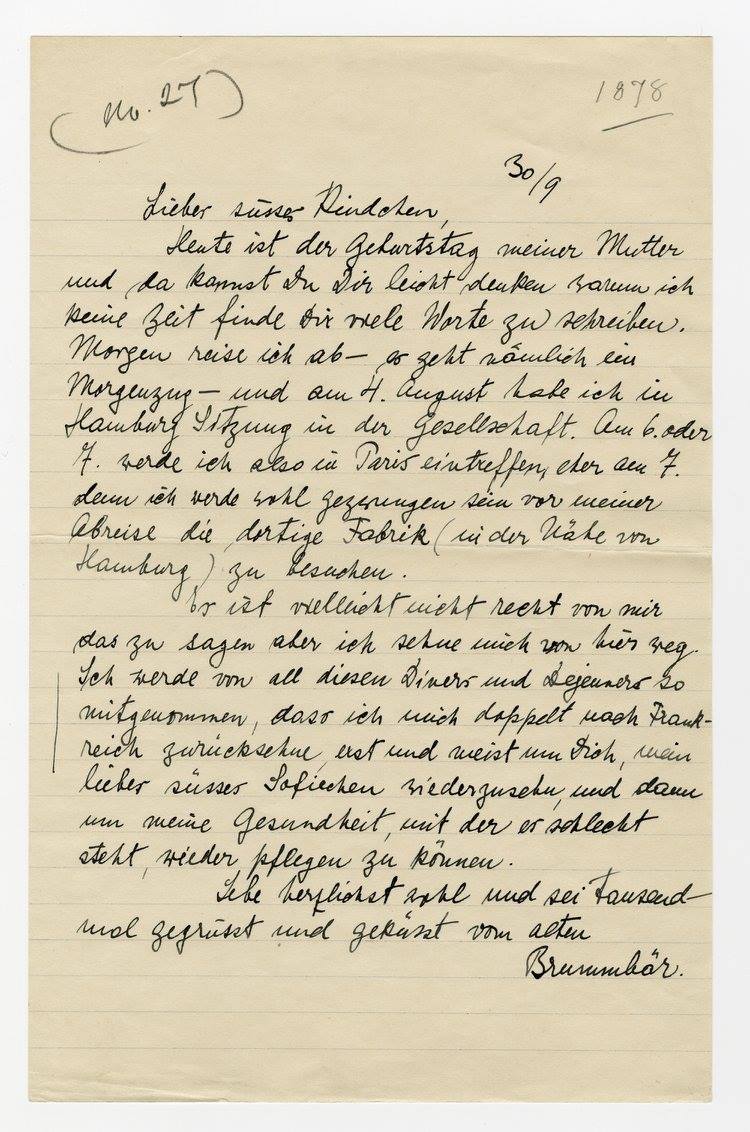
Letter from Alfred Nobel to Sofie Hess, 30 September 1878
Alfred Nobel · 30 September 1878
Free account
Read every Alfred Nobel source
Sign up free →
Ready when you are
Start chatting with Alfred Nobel now.
20 messages free · No credit card · Available in 50+ languages.