


Primary sourceDocument1947
Indian Independence Act 1947
Parliament of the United Kingdom · 1947
The Act of the UK Parliament that ended British rule in India, receiving royal assent from George VI in 1947.
George VI gave royal assent to this Act, which ended his title Emperor of India.
Free Humy account · No credit card · 120,912 sources to read
About this source
What it is
The Indian Independence Act 1947 is an act of the Parliament of the United Kingdom. It passed the House of Commons on 15 July 1947 and the House of Lords the next day, receiving royal assent on 18 July 1947. It partitioned British India into the two new dominions of India and Pakistan, both coming into existence on 15 August 1947.
Why it matters
The Act ended centuries of British rule in India and created two new independent nations. It also abolished the use of the title "Emperor of India" by the British monarch, a change carried out by King George VI through a royal proclamation the following year. For George VI, this meant giving up a title held by his father and grandfather before him, marking the transformation of the British Empire into the Commonwealth.
Look closer
- What does it mean that the King gave assent to an act that reduced his own title and empire?
- Why do you think the Act set such a specific date for independence?
- What is left out of the Act's legal language about the human impact of partition?
This document is part of the curated material that grounds the AI version of George VI, Muhammad Ali Jinnah, Lord Mountbatten, Clement Attlee and Vallabhbhai Patel on Humy.ai — when students ask about related events, the AI can quote it and cite it.
More George VI sources
Browse all 97 →Primary source
King George VI's VE Day Speech
George VI · 8 May 1945
 Document
Primary source
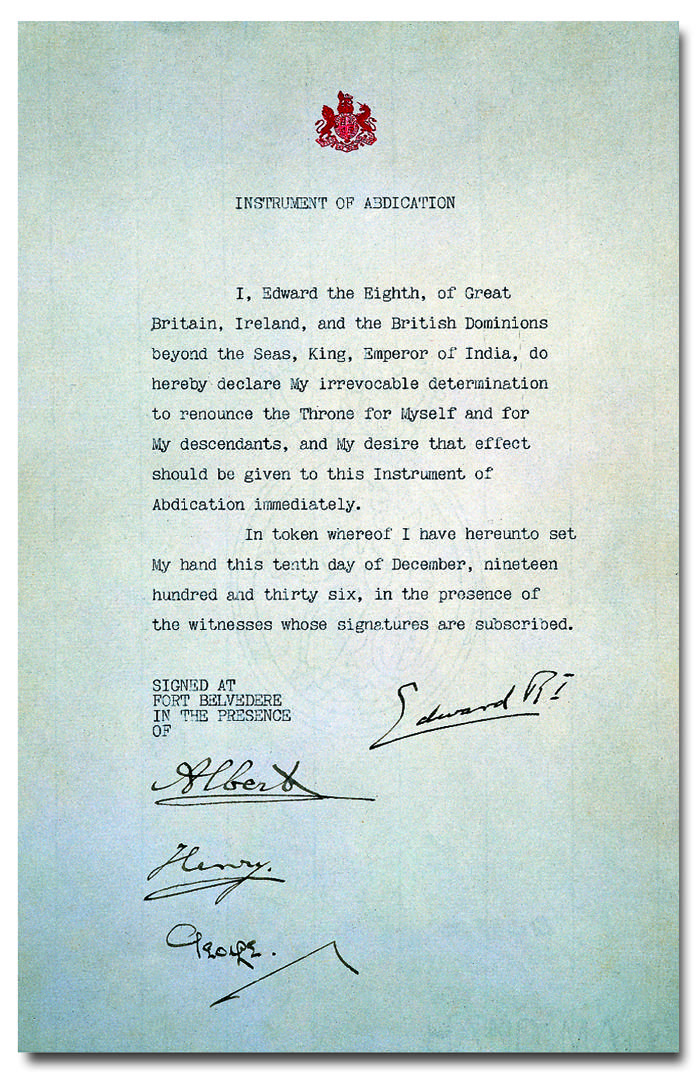
Instrument of Abdication
Edward VIII · 10 December 1936
 Painting
Primary source
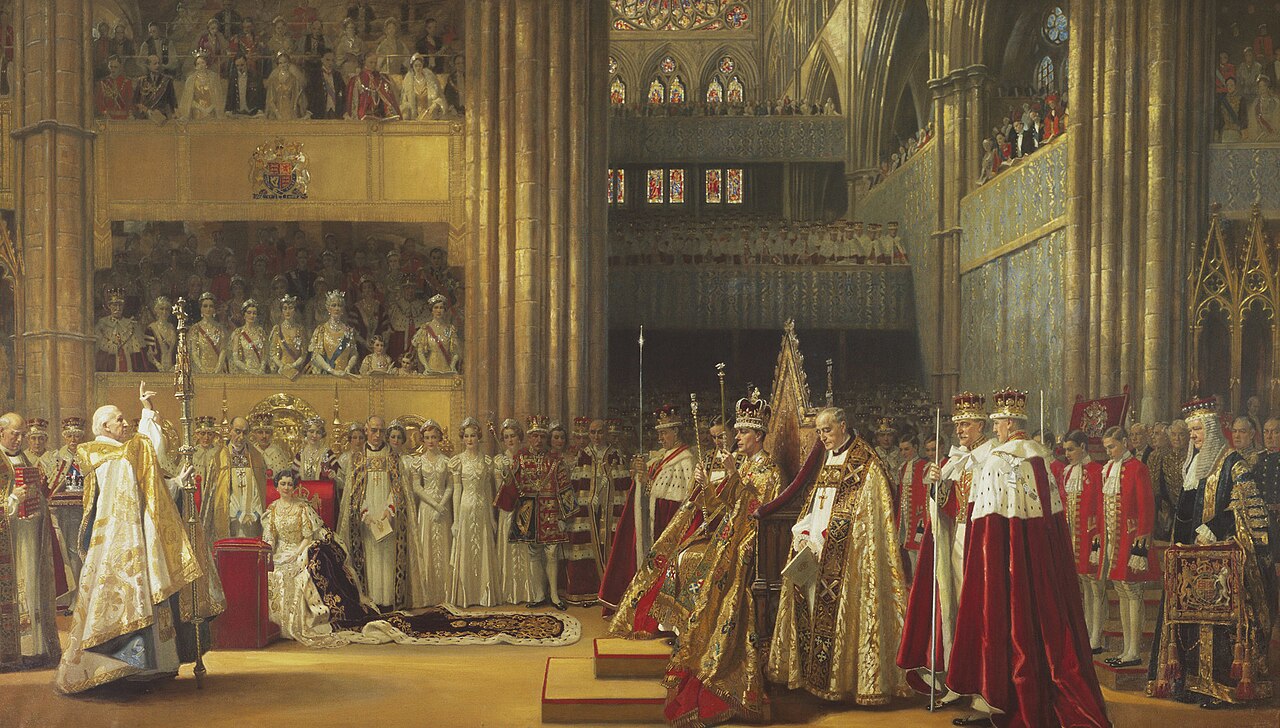
The Coronation of King George VI
Frank O. Salisbury · 1938
 Artifact
Primary source
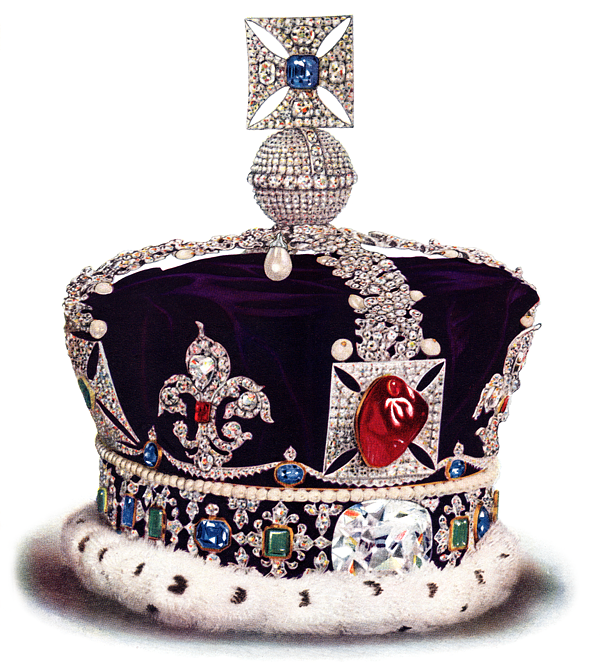
Imperial State Crown
Garrard & Co · 1937
Free account
Read every George VI source
Sign up free →
Ready when you are
Start chatting with George VI now.
20 messages free · No credit card · Available in 50+ languages.