


Primary sourceDocument28 May 1830
Indian Removal Act
United States Congress · 28 May 1830
The 1830 law signed by Andrew Jackson authorizing the forced relocation of American Indian nations west of the Mississippi River.
Jackson championed, pushed for, and signed this law, which became central to his legacy as president.
About this source
What it is
This is the Indian Removal Act, a law passed by Congress and signed by President Andrew Jackson on May 28, 1830. It gave the president power to negotiate treaties exchanging Native American land east of the Mississippi for land in the west.
Why it matters
The Act is one of the most consequential laws Jackson signed. It led to dozens of removal treaties and the forced relocation of tens of thousands of Native Americans, including the Cherokee, Creek, and others, in a process marked by widespread death and suffering, most famously the Trail of Tears. Historians today debate whether this amounted to ethnic cleansing. The Act shows how Jackson used presidential and legislative power to reshape the country at enormous human cost to Native nations.
Look closer
- Who benefited from this law, and who was harmed?
- Why might Congress have passed this law by only a narrow majority?
- What does the formal legal language of the Act leave out about its human consequences?
This document is part of the curated material that grounds the AI version of Andrew Jackson on Humy.ai — when students ask about related events, the AI can quote it and cite it.
More Andrew Jackson sources
Meet the AI Andrew Jackson →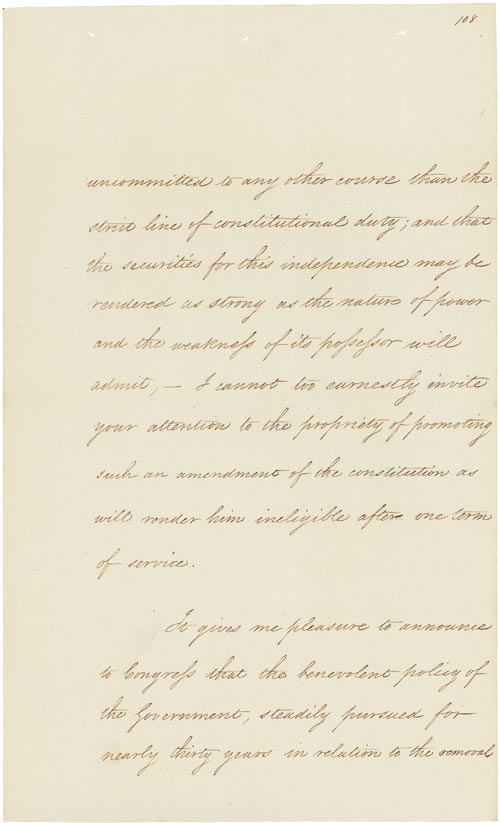 Speech
Primary source
Message to Congress On Indian Removal
Andrew Jackson · 6 December 1830
 Painting
Primary source
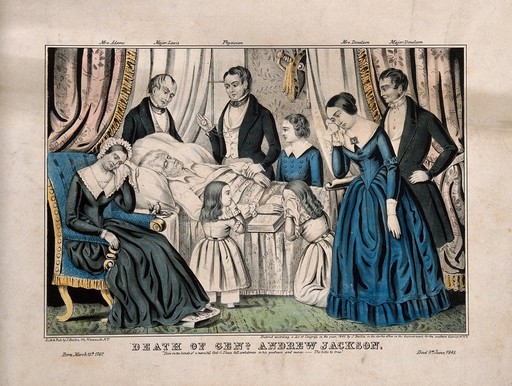
Death of General Andrew Jackson
1845
 Painting
Primary source
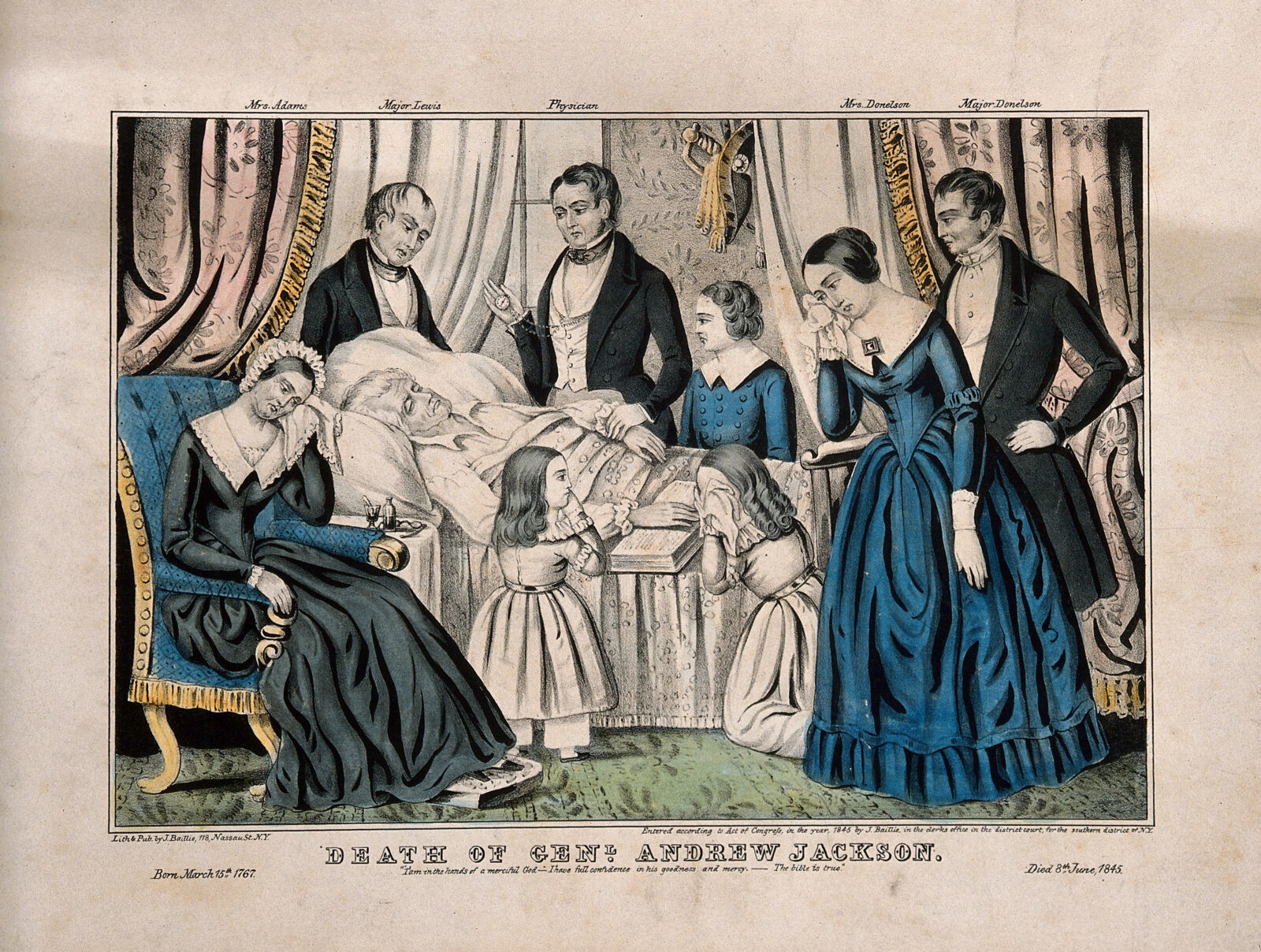
The Death of President Andrew Jackson
1845
 Photograph
Secondary source
Photograph of the Andrew Jackson Equestrian Statue, Lafayette Park
Clark Mills · c. 1880
 Document
Primary source
Proclamation to the People of South Carolina
Edward Livingston · 10 December 1832
Ready when you are
Start chatting with Andrew Jackson now.
20 messages free · No credit card · Available in 50+ languages.