


Primary sourcePainting1819
James Monroe
Samuel Finley Breese Morse · 1819
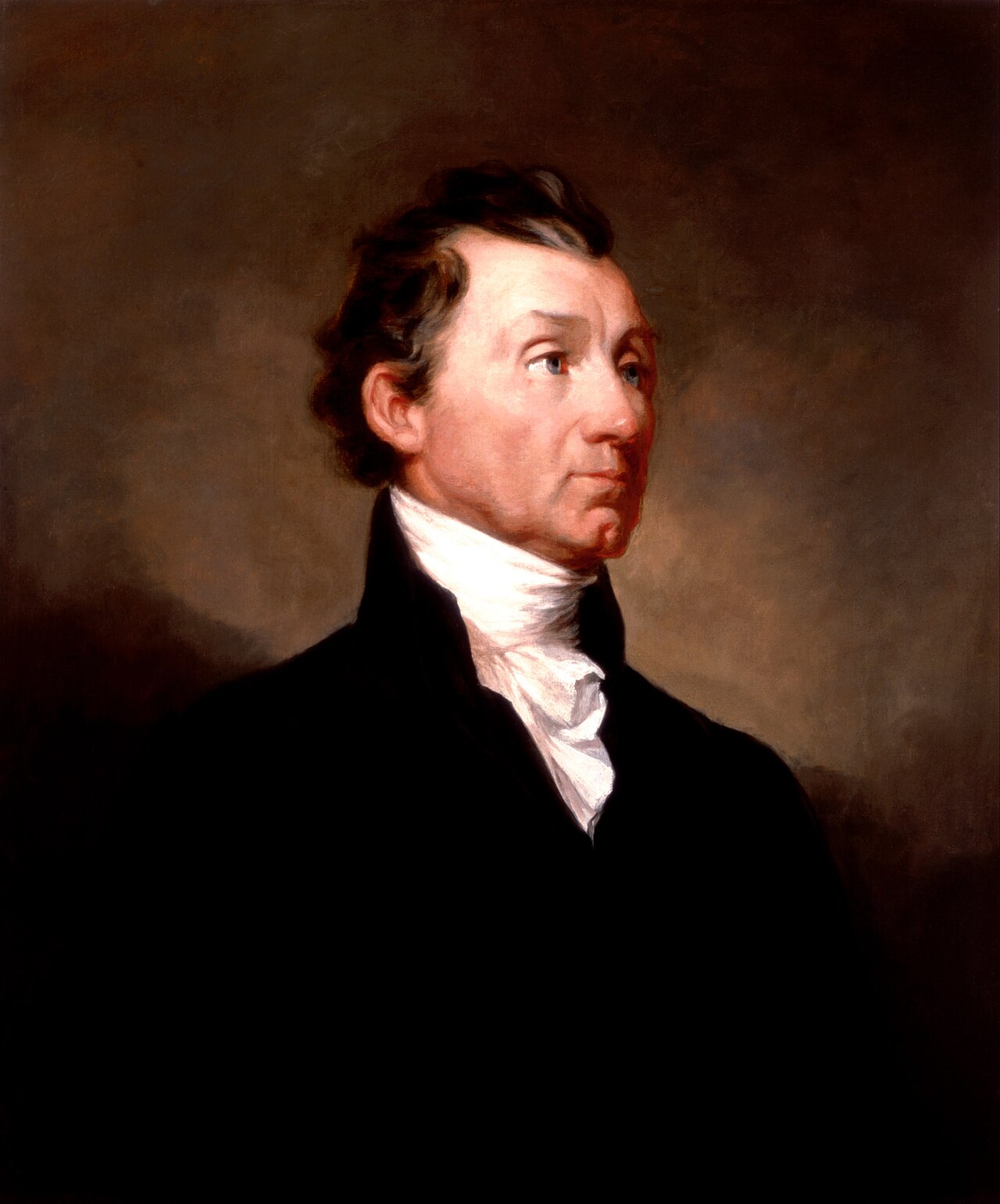
Samuel F. B. Morse's 1819 portrait of James Monroe painted while he was serving as president, now held at the White House.
A formal portrait of Monroe painted during his presidency, showing him as a sitting head of state.
About this source
What it is
This oil portrait of James Monroe was painted in 1819 by the American artist Samuel F. B. Morse, better known today as the inventor of the telegraph. It is held at the White House.
The portrait shows Monroe turned to one side, wearing a black high-collared coat and a white cravat, with his gaze directed off to the side.
Why it matters
Painted during Monroe's presidency, at the height of the so-called Era of Good Feelings, the portrait captures him still dressed in clothing styles from the Revolutionary era, decades after that war. It links the artistic career of Morse, later famous for a very different kind of invention, to the presidency of Monroe.
Look closer
- What might Monroe's old-fashioned clothing suggest about how he wanted to present himself as president?
- Why might an artist choose to paint a sitting president at this particular time?
- What is left out of a formal portrait like this that a letter or diary might reveal instead?
This painting is part of the curated material that grounds the AI version of James Monroe and Samuel Morse on Humy.ai — when students ask about related events, the AI can quote it and cite it.
More James Monroe sources
Meet the AI James Monroe →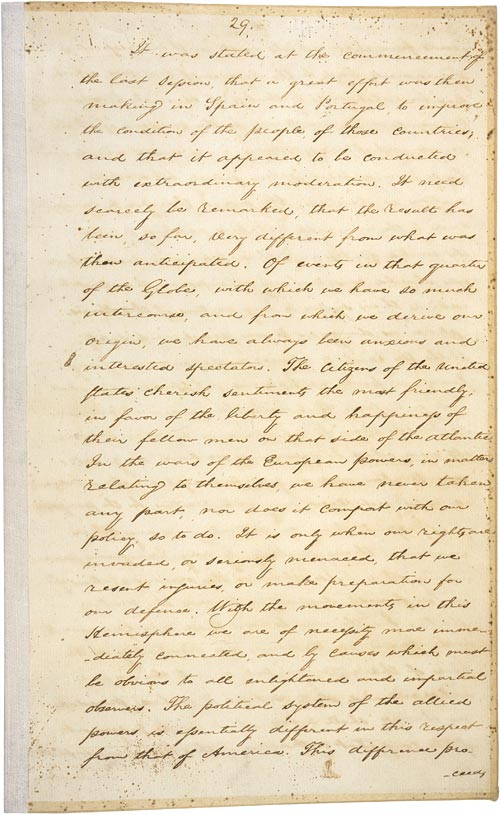 Speech
Primary source
Monroe Doctrine
James Monroe · 2 December 1823
Primary source
Louisiana Purchase Treaty
30 April 1803
 Document
Primary source
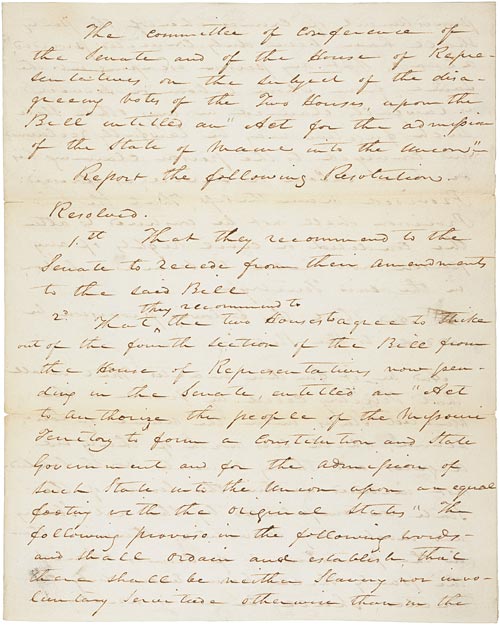
Missouri Compromise Conference Committee Report
1 March 1820
 Document
Primary source
Adams–Onís Treaty
1819 (effective 1821)
 Painting
Primary source
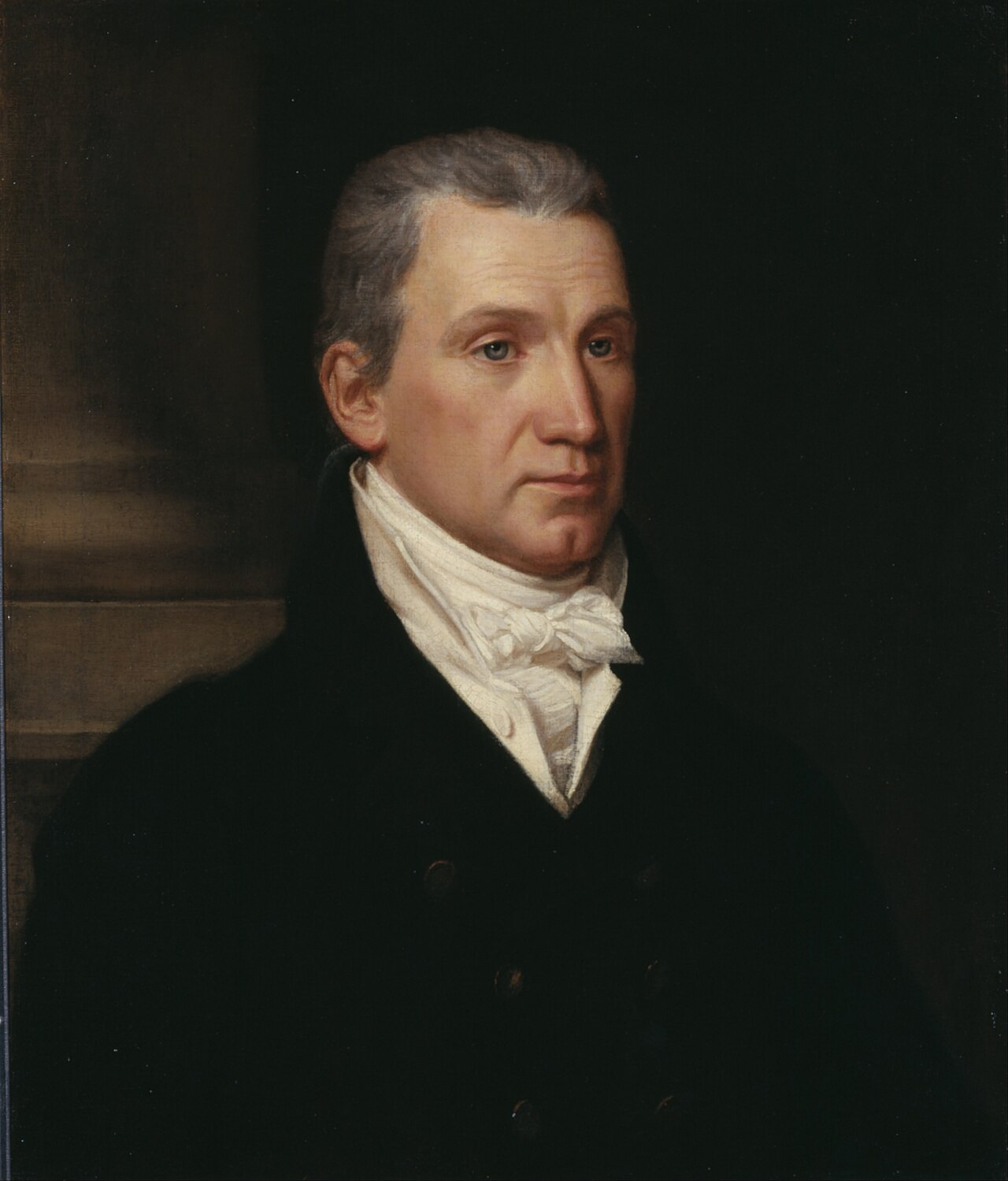
James Monroe
John Vanderlyn · 1816
Ready when you are
Start chatting with James Monroe now.
20 messages free · No credit card · Available in 50+ languages.