


Primary sourceDocument1795
Jay's Treaty
1795
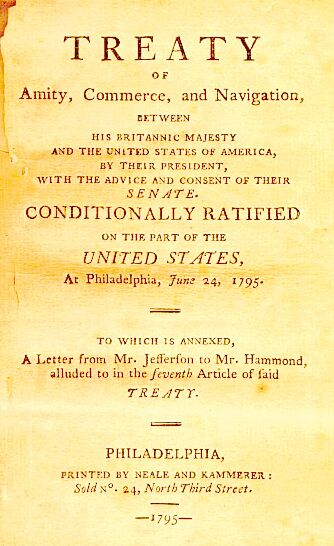
A 1795 printed pamphlet of the Jay Treaty, the agreement with Britain that Hamilton helped shape and publicly defended.
Hamilton shaped this treaty's terms behind the scenes and defended it publicly, making it central to his political legacy.
About this source
What it is
This is a 1795 printed pamphlet titled 'Treaty of Amity, Commerce, and Navigation' between Great Britain and the United States, conditionally ratified on 24 June 1795 in Philadelphia. It was printed by Neale and Kammerer.
Why it matters
The Jay Treaty settled disputes left over from the American Revolution and set trade terms with Britain, but it was highly controversial. Alexander Hamilton worked behind the scenes to shape the treaty and then publicly defended it in his 'Camillus' essays. This pamphlet preserves the actual text that caused such political division in the early United States.
Look closer
- Why do you think a treaty needed to be printed and distributed as a pamphlet?
- What might make a trade and diplomacy agreement so controversial among ordinary citizens?
- What does the involvement of people like Hamilton, who were not official signers, tell you about political influence?
This document is part of the curated material that grounds the AI version of Alexander Hamilton on Humy.ai — when students ask about related events, the AI can quote it and cite it.
More Alexander Hamilton sources
Meet the AI Alexander Hamilton →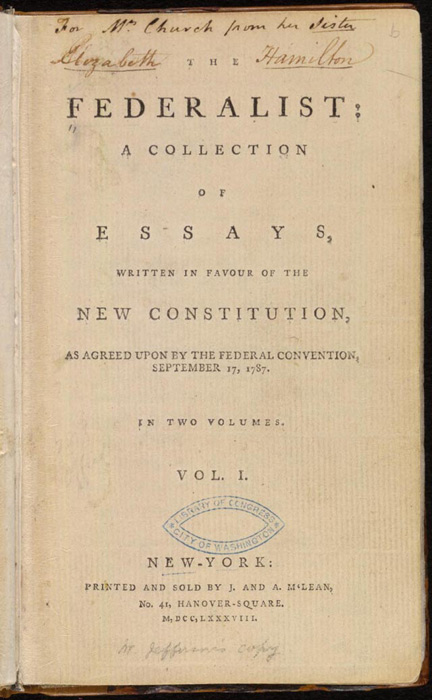 Book
Primary source
The Federalist Papers
Alexander Hamilton, James Madison, John Jay · 1788
Primary source
Federalist No. 78
Alexander Hamilton · 1788
Primary source
Federalist No. 70
Alexander Hamilton · 15 March 1788
 Document
Primary source
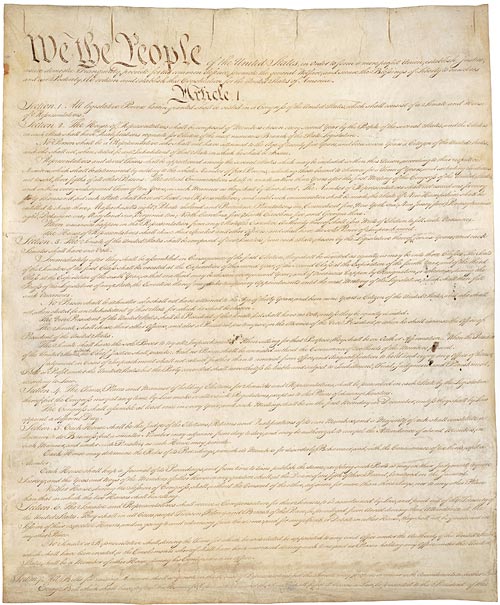
United States Constitution
Constitutional Convention · 17 September 1787
 Document
Primary source
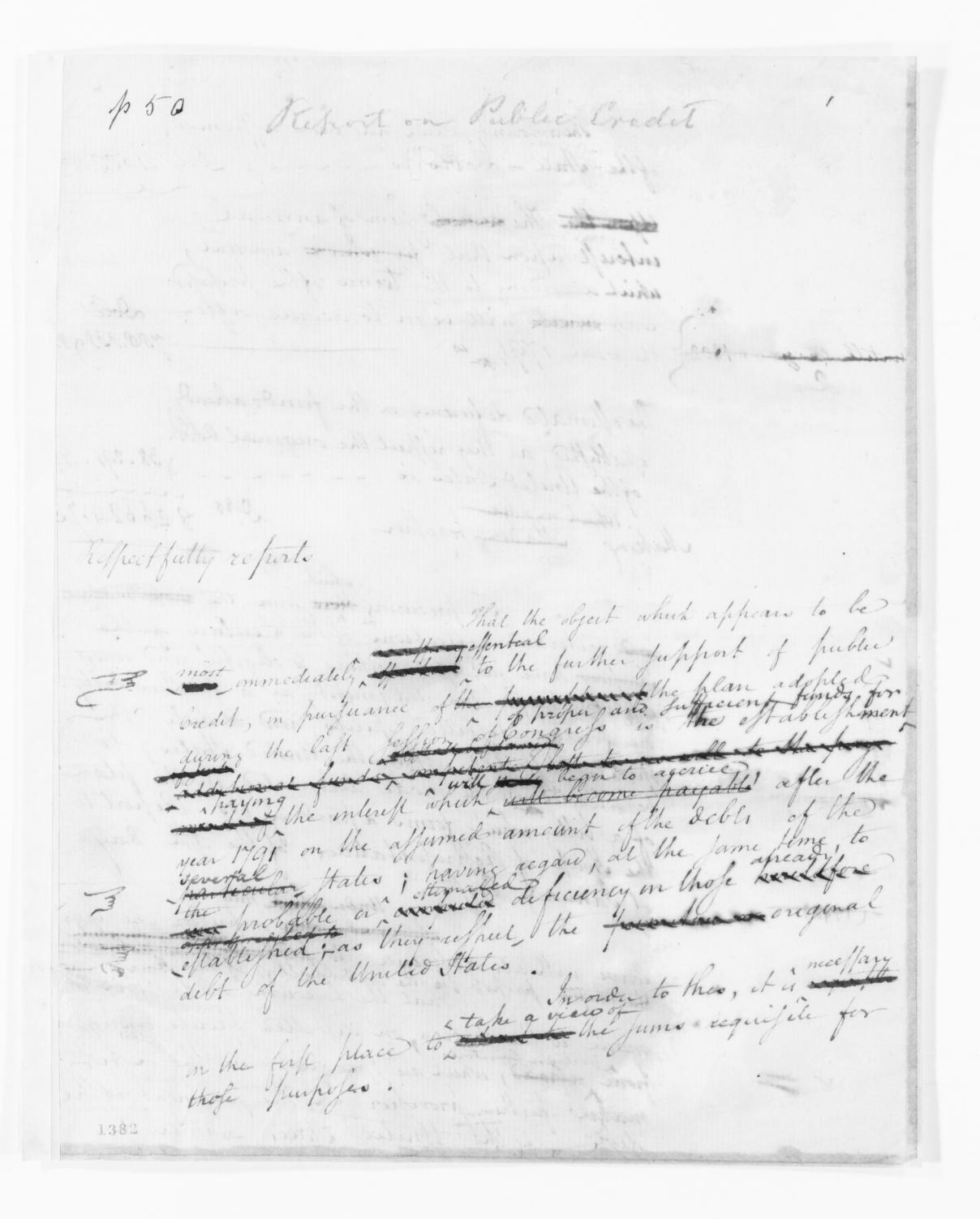
First Report on the Public Credit
Alexander Hamilton · 1790
Ready when you are
Start chatting with Alexander Hamilton now.
20 messages free · No credit card · Available in 50+ languages.