


Primary sourcePhotographc. 1950
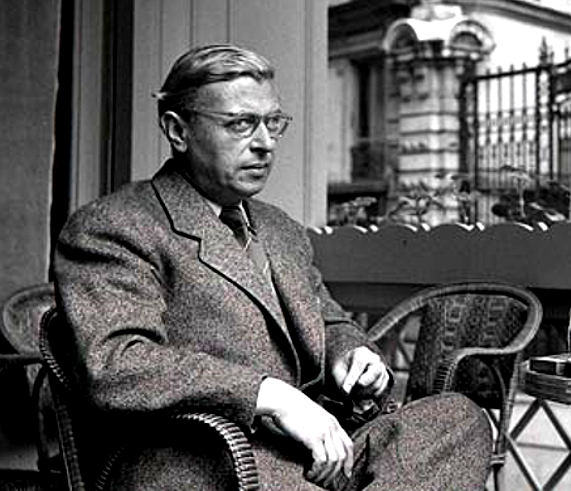
Jean-Paul Sartre, c. 1950
Unknown · c. 1950
A widely reproduced photographic portrait of Sartre around 1950, at the height of his fame as the face of existentialism.
A photographic portrait of Sartre himself, taken at the height of his postwar fame.
About this source
What it is
A black-and-white photographic portrait of Jean-Paul Sartre, taken by an unknown photographer around 1950. It shows him seated on a terrace.
Why it matters
By 1950 Sartre had become internationally famous as the leading figure of existentialism, and this portrait is one of many images that fixed his public image for later generations: the round glasses, the thoughtful gaze, the intellectual's jacket and tie.
Look closer
- What impression does this photograph try to give of Sartre as a thinker?
- Why do you think a photograph like this was reproduced so widely?
- What does the setting, a terrace with an iron railing, suggest about the kind of life being shown?
This photograph is part of the curated material that grounds the AI version of Jean-Paul Sartre on Humy.ai — when students ask about related events, the AI can quote it and cite it.
More Jean-Paul Sartre sources
Browse all 58 → Speech
Primary source
Existentialism and Humanism
Jean-Paul Sartre · 1946
 Photograph
Primary source
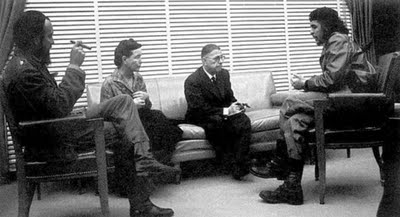
Che Guevara Meeting with Sartre and Beauvoir
Alberto Korda · 1960
 Photograph
Primary source
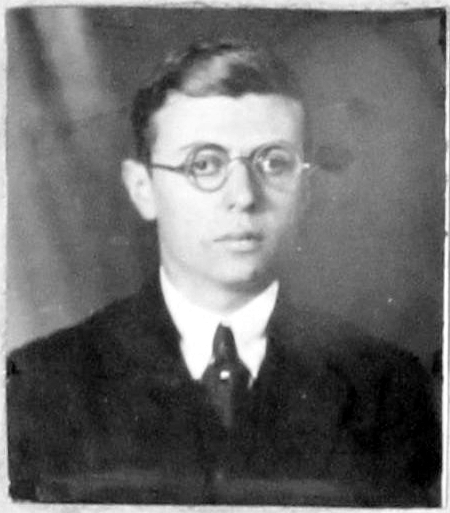
Jean-Paul Sartre, 1924
Unknown author · 1924
 Photograph
Primary source
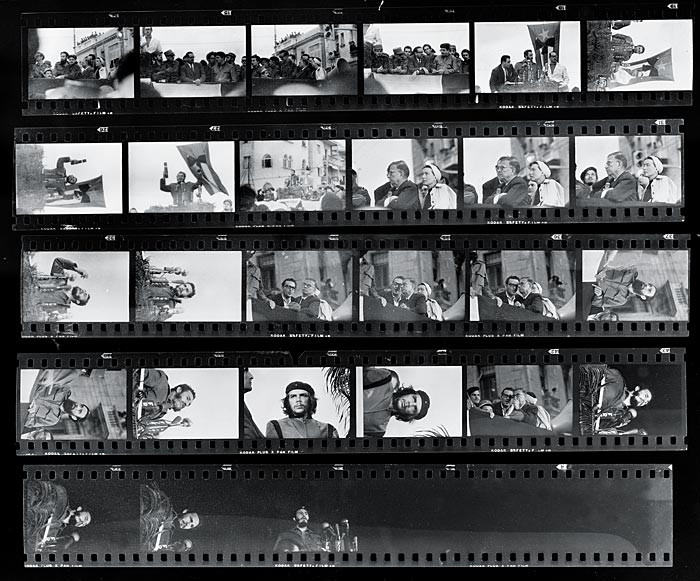
Korda Film Roll of the La Coubre Memorial
Alberto Korda · 5 March 1960
Free account
Read every Jean-Paul Sartre source
Sign up free →
Ready when you are
Start chatting with Jean-Paul Sartre now.
20 messages free · No credit card · Available in 50+ languages.