


Secondary sourcePainting1850
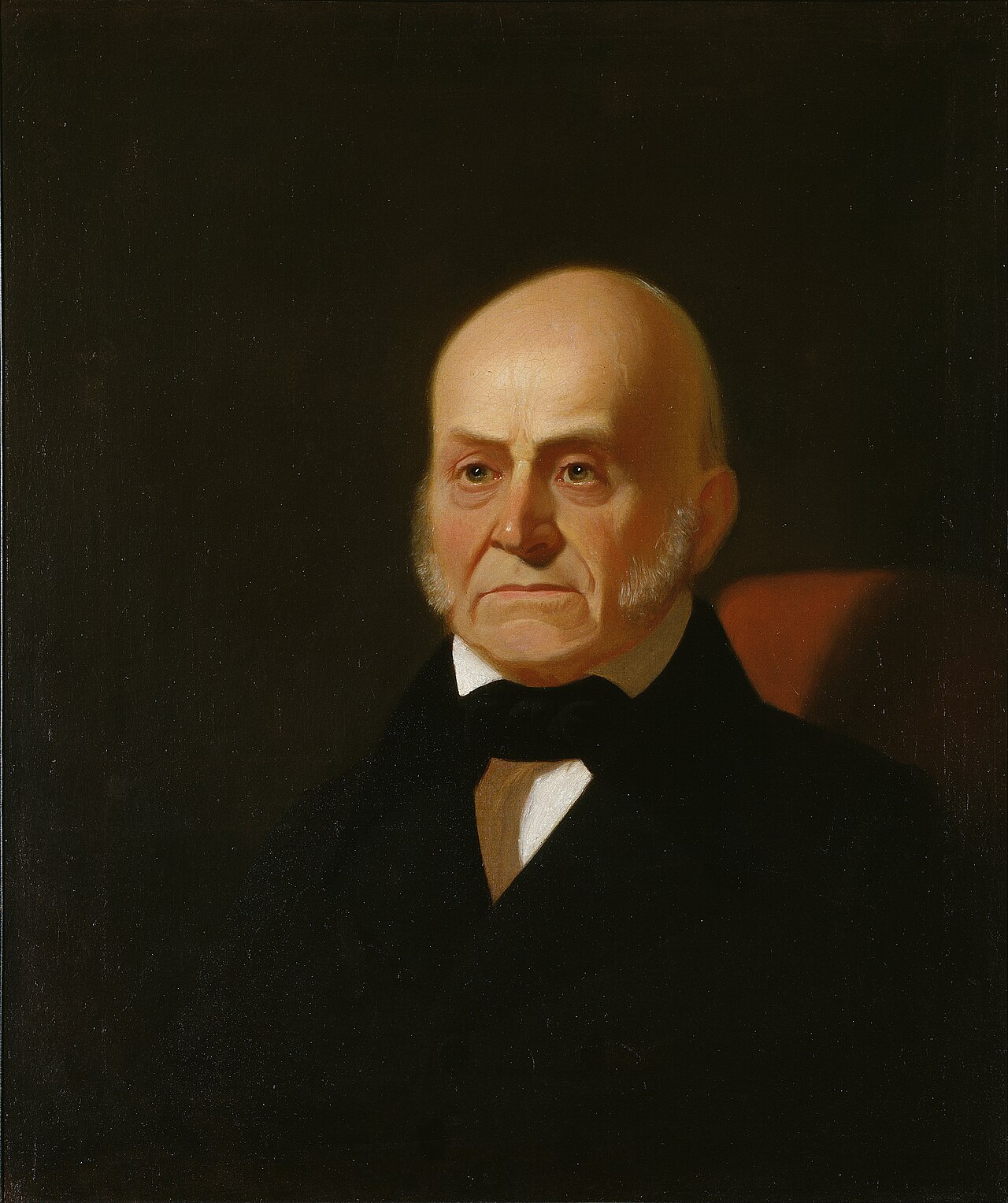
John Quincy Adams
George Caleb Bingham · 1850
George Caleb Bingham's 1850 posthumous portrait memorializing Adams soon after his death.
A posthumous 1850 portrait made to memorialize Adams shortly after his death.
About this source
What it is
An oil portrait of John Quincy Adams painted by George Caleb Bingham in 1850, two years after Adams died. It is held by the National Portrait Gallery, where it is displayed near a daguerreotype of Adams.
Why it matters
Because it was painted after Adams's death, this portrait shows how he was remembered and honored soon after he died. A New York Times critic later praised it as among the best presidential portraits, and a Reason magazine writer described its plain, direct style as reflecting the more sober mood of the generation after the Founding Fathers, including Adams's father John Adams.
Look closer
- Since Bingham painted this after Adams's death, how might that affect the way he chose to show him?
- What does the plain, direct style described by critics suggest about how Americans wanted to remember Adams?
- Compare this portrait with a photograph of Adams—what differences do you notice?
This painting is part of the curated material that grounds the AI version of John Quincy Adams on Humy.ai — when students ask about related events, the AI can quote it and cite it.
More John Quincy Adams sources
Meet the AI John Quincy Adams →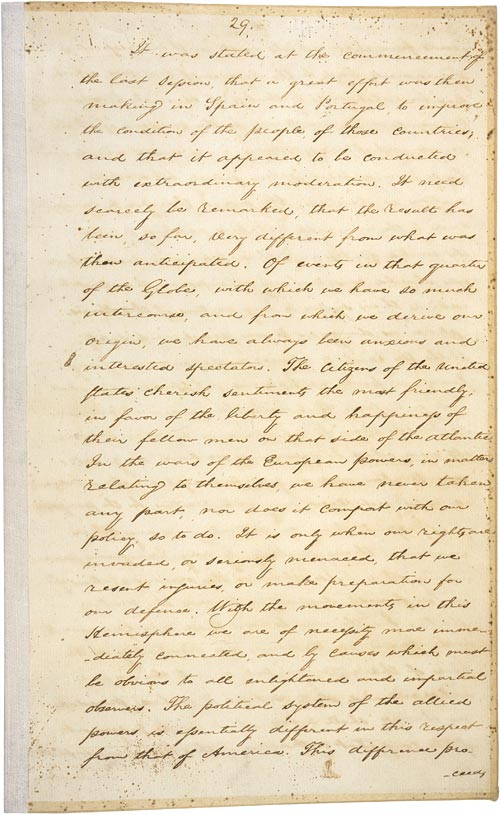 Speech
Primary source
Monroe Doctrine
James Monroe · 2 December 1823
 Diary entry
Primary source
Diary of John Quincy Adams
John Quincy Adams · 1779–1848
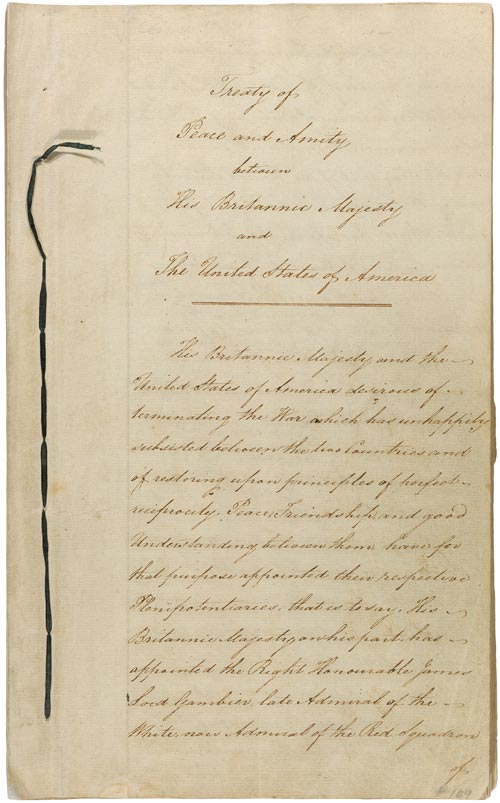 Document
Primary source
Treaty of Ghent
24 December 1814
 Document
Primary source
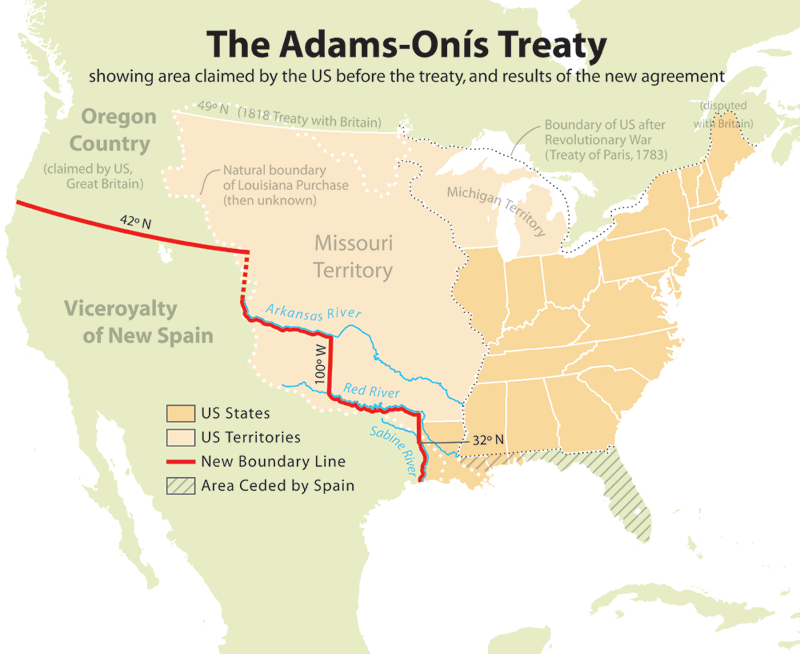
Adams–Onís Treaty
1819 (effective 1821)
 Speech
Primary source
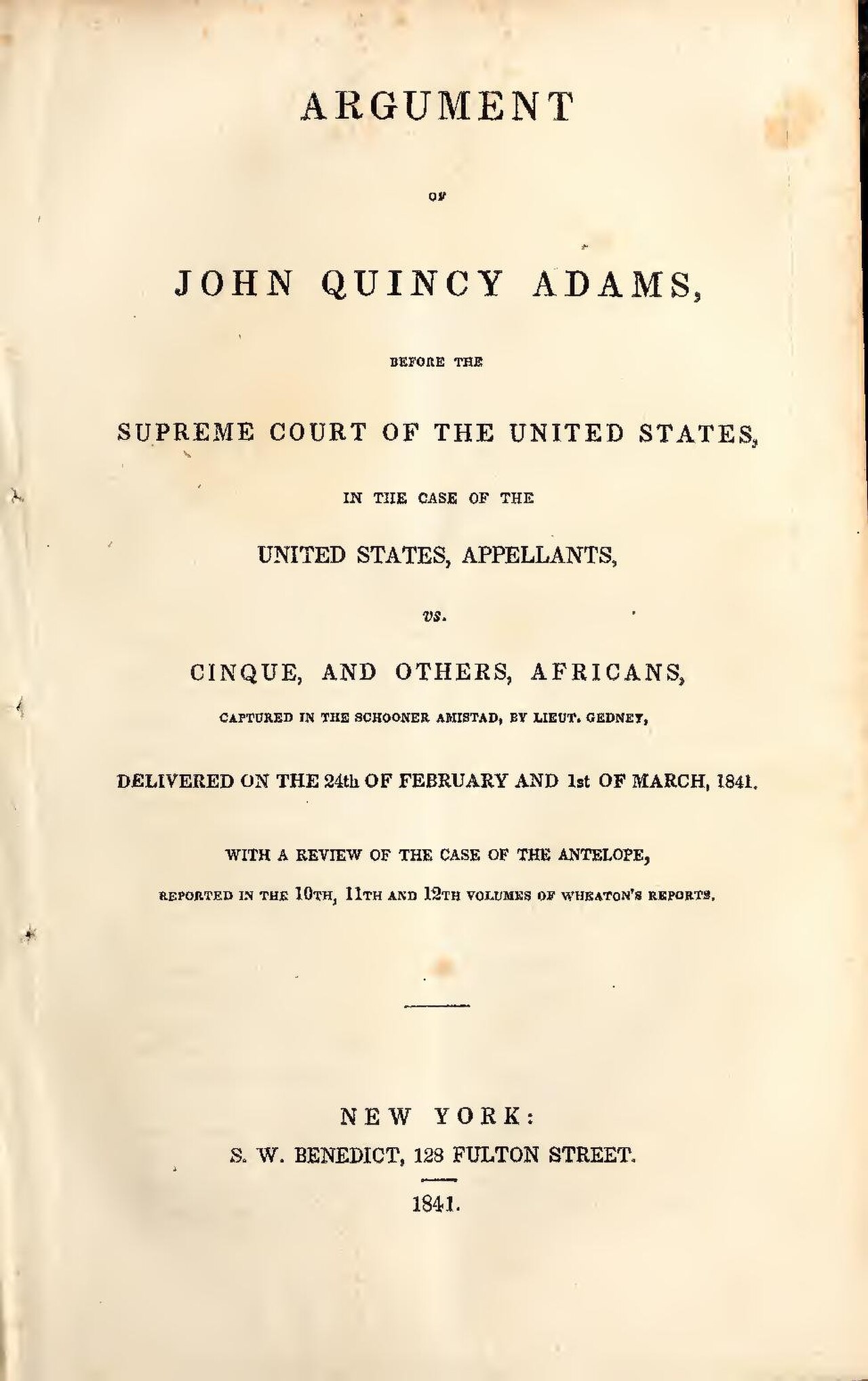
Argument of John Quincy Adams before the Supreme Court in the case of United States v. Cinque (Amistad)
John Quincy Adams · 24 February and 1 March 1841
Ready when you are
Start chatting with John Quincy Adams now.
20 messages free · No credit card · Available in 50+ languages.