


Primary sourceArtifactc. 300-100 BC
Joseph Smith Papyri
Ancient Egyptian scribes · c. 300-100 BC
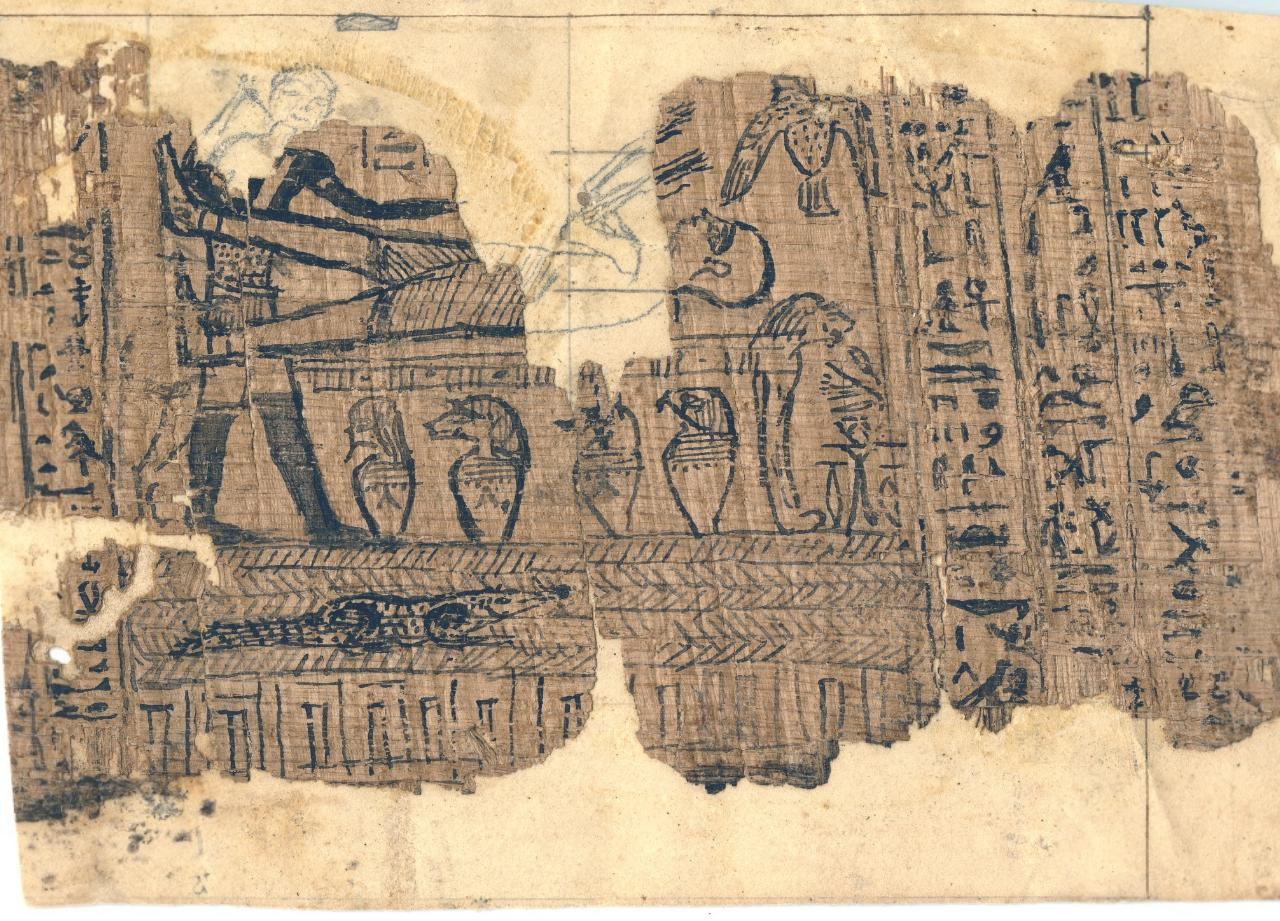
Surviving fragments of the ancient Egyptian papyri that Joseph Smith purchased in 1835 and said contained the writings of Abraham.
Smith purchased these papyri in 1835 and claimed they were the source of his Book of Abraham translation.
About this source
What it is
These are fragments of ancient Egyptian funerary papyri, written by Egyptian scribes around 300-100 BC. They are part of the collection Joseph Smith bought in 1835, thought lost after a fire, then rediscovered in 1966. They are now held by the Church History Library in Salt Lake City.
Why it matters
These fragments let historians compare the actual papyri against Smith's claimed translation, the Book of Abraham. Egyptologists have identified the papyri as ordinary funerary texts rather than ancient writings of Abraham, making this one of the most studied and debated sources connected to Smith's work as a translator.
Look closer
- What do the images and hieroglyphics on the papyrus actually show?
- How might comparing an original document to a claimed translation help or challenge a historical claim?
- Why do you think these fragments were considered lost for over a century?
This artifact is part of the curated material that grounds the AI version of Joseph Smith on Humy.ai — when students ask about related events, the AI can quote it and cite it.
More Joseph Smith sources
Meet the AI Joseph Smith →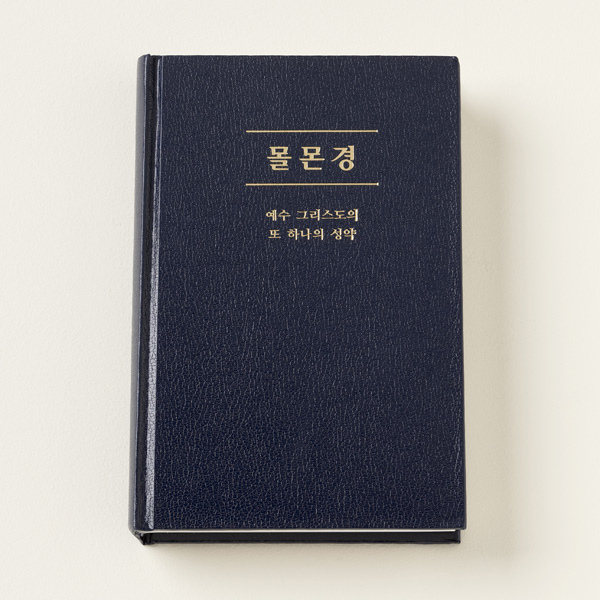 Book
Primary source
Book of Mormon
Joseph Smith · 1830
 Document
Primary source
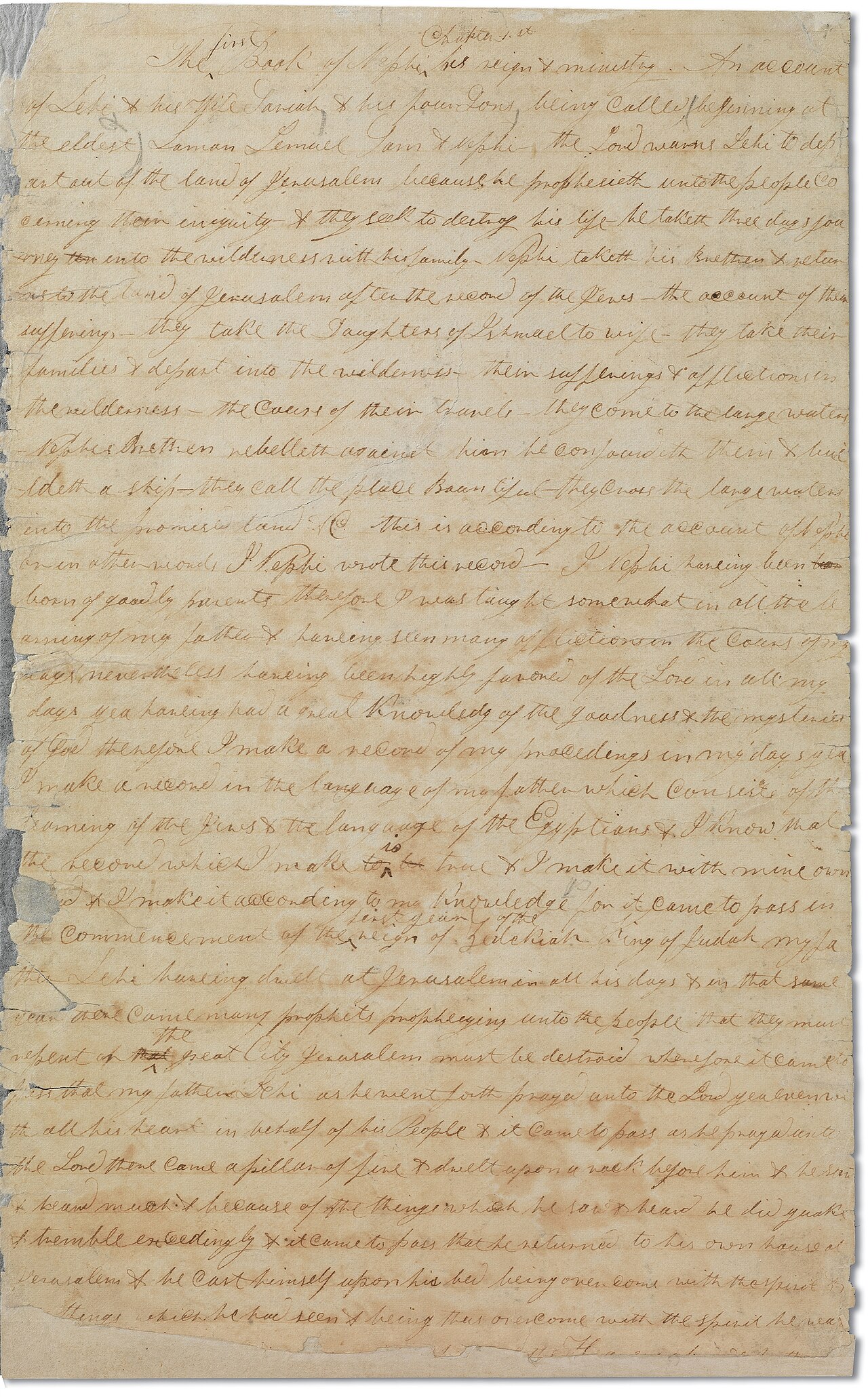
Printer's Manuscript of the Book of Mormon
Joseph Smith (dictated); Oliver Cowdery and other scribes · 1829–1830
 Book
Primary source
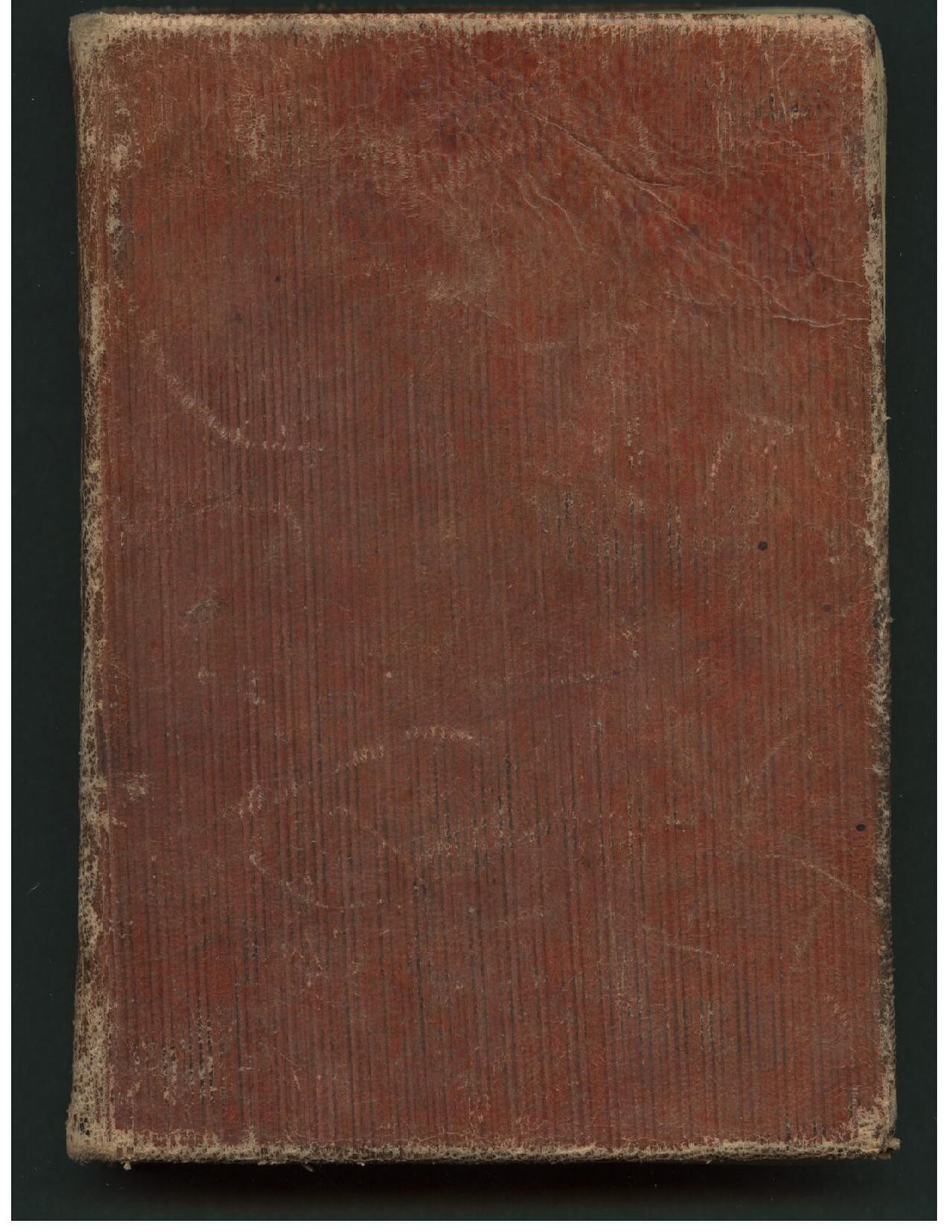
A Book of Commandments for the Government of the Church of Christ
Joseph Smith · 1833
 Document
Primary source
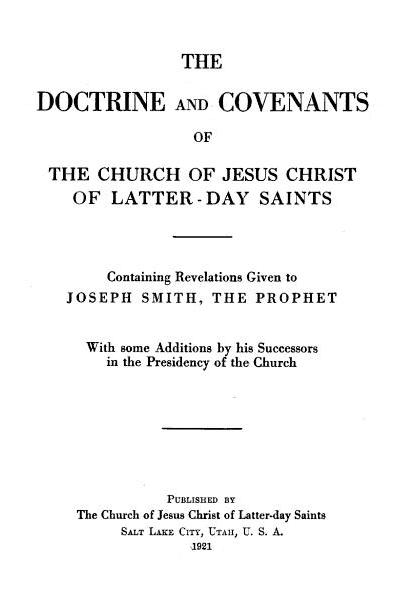
Doctrine and Covenants
Joseph Smith · 1835
Primary source
Wentworth Letter
Joseph Smith · 1842
Ready when you are
Start chatting with Joseph Smith now.
20 messages free · No credit card · Available in 50+ languages.