


Primary sourceBook1932
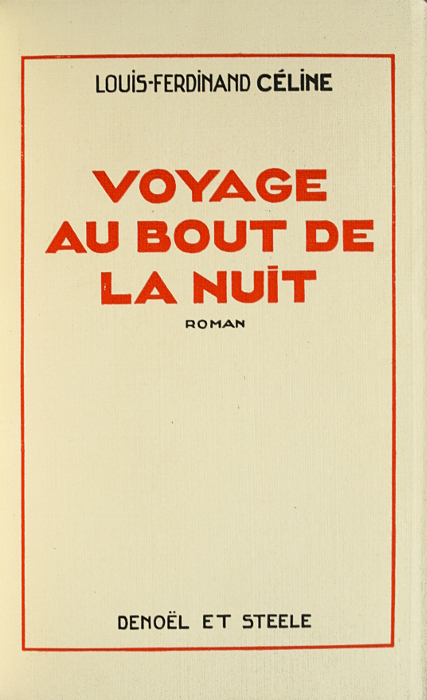
Journey to the End of the Night
Louis-Ferdinand Céline · 1932
Céline's debut novel, blending his war, African, American and Parisian medical experiences into the picaresque tale of Bardamu.
Céline's first and most famous novel, built from his own wartime and colonial experiences.
About this source
What it is
Journey to the End of the Night is a novel by Louis-Ferdinand Céline, first published in 1932 by Denoël et Steele. It follows the medical student Ferdinand Bardamu through World War One, colonial Africa, the United States and the poor suburbs of Paris.
Why it matters
The book won the Prix Renaudot in 1932 and is now seen as one of the great novels of the twentieth century. Critics were divided by its bleak view of human nature and its style, built from working-class speech, slang and invented words. It drew heavily on Céline's own life as a soldier, colonial worker, and doctor in Clichy, revealing how personal experience shaped his writing.
Look closer
- Why might Céline have chosen a 'spoken' style instead of formal written French?
- What does the novel's pessimism about war, colonialism and poverty tell us about the era it was written in?
- How might using a fictional narrator let an author explore painful personal experience?
This book is part of the curated material that grounds the AI version of Louis-Ferdinand Céline on Humy.ai — when students ask about related events, the AI can quote it and cite it.
More Louis-Ferdinand Céline sources
Browse all 39 →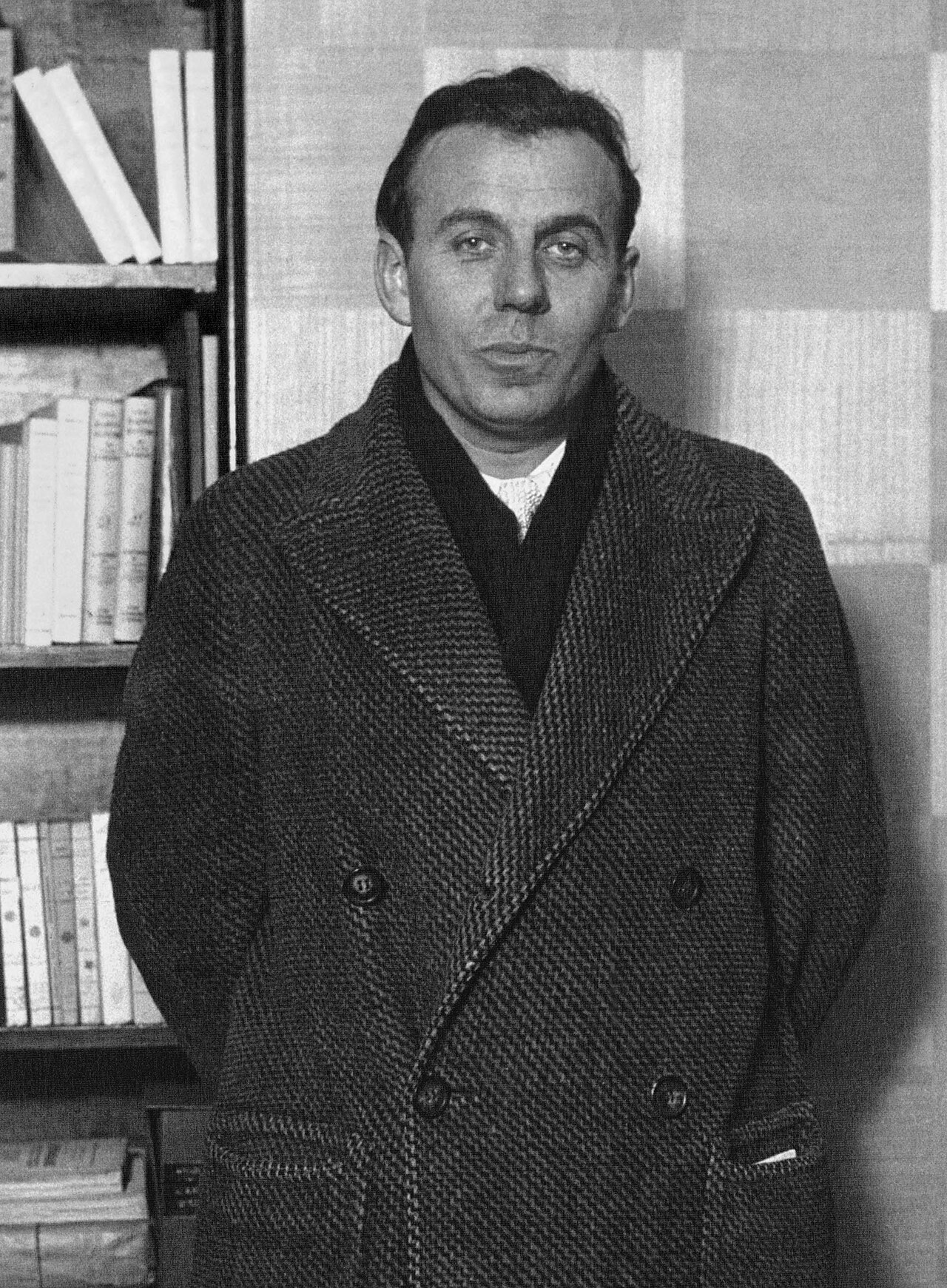 Photograph
Primary source
Louis-Ferdinand Céline, 1932
Agence de presse Meurisse · 1932
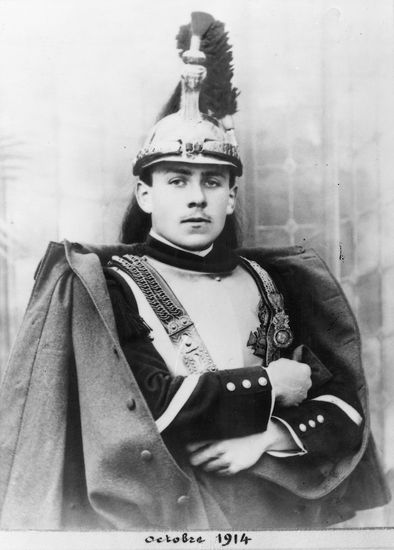 Photograph
Primary source
Céline as a Soldier, 1914
Unknown military photographer · October 1914
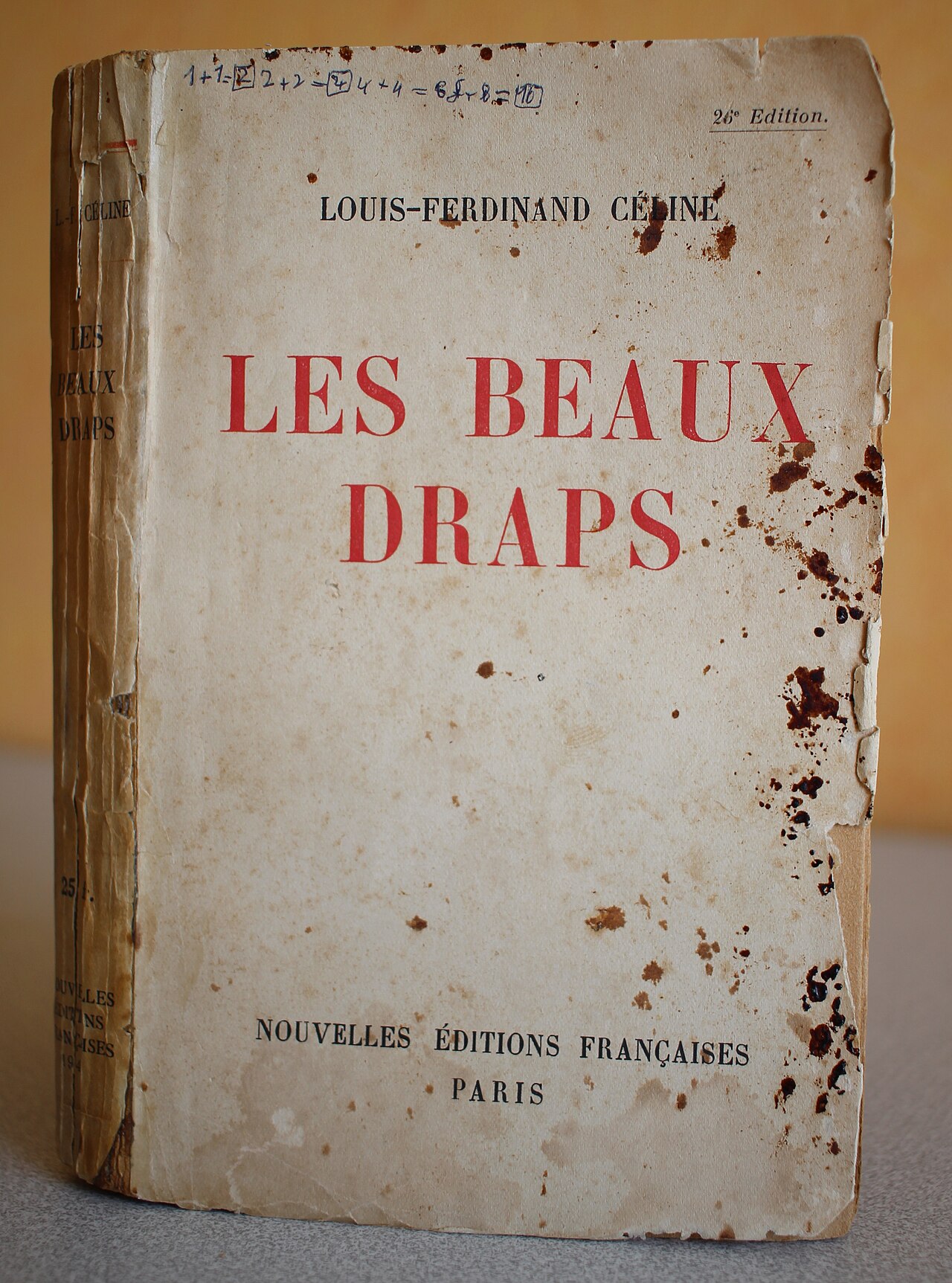 Book
Primary source
Les Beaux Draps
Louis-Ferdinand Céline · 1941
 Newspaper article
Primary source
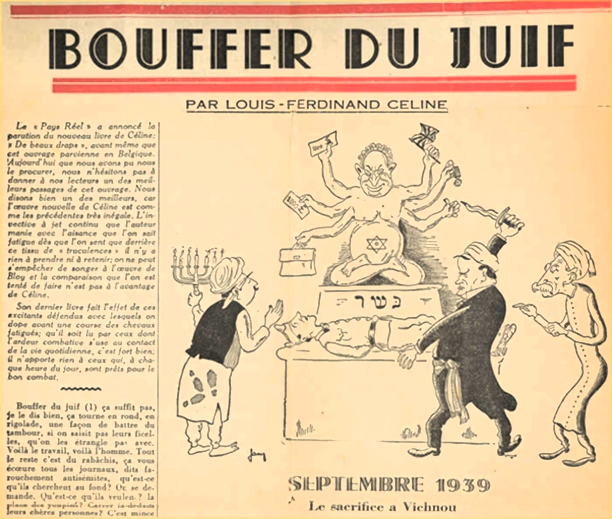
Bouffer du Juif
16 March 1941
Free account
Read every Louis-Ferdinand Céline source
Sign up free →
Ready when you are
Start chatting with Louis-Ferdinand Céline now.
20 messages free · No credit card · Available in 50+ languages.