


Primary sourceDocument3 October 1957
Judge Clayton W. Horn's Decision in People v. Ferlinghetti
Clayton W. Horn · 3 October 1957
The 1957 court ruling that cleared Ginsberg's poem 'Howl' of obscenity charges, declaring it had redeeming social importance.
This ruling on Ginsberg's poem 'Howl' made him famous and established the poem's legal right to be published.
Free Humy account · No credit card · 120,912 sources to read
About this source
What it is
This is the written decision of Judge Clayton W. Horn of the San Francisco Municipal Court, issued on 3 October 1957, in the obscenity trial of publisher Lawrence Ferlinghetti over Allen Ginsberg's poem collection Howl and Other Poems.
Why it matters
The ruling found that the book had redeeming social importance and was not obscene under California law. It became a landmark free-speech decision, protecting the right to publish challenging literature and bringing Ginsberg national fame as the author of the poem at the center of the case.
- Why does the judge spend so much time discussing the legal meaning of words like 'obscene' and 'indecent'?
- What does the ruling tell you about who decides what the public can read?
- Why might this case have mattered beyond just one poem or one poet?
This document is part of the curated material that grounds the AI version of Allen Ginsberg on Humy.ai — when students ask about related events, the AI can quote it and cite it.
More Allen Ginsberg sources
Browse all 25 →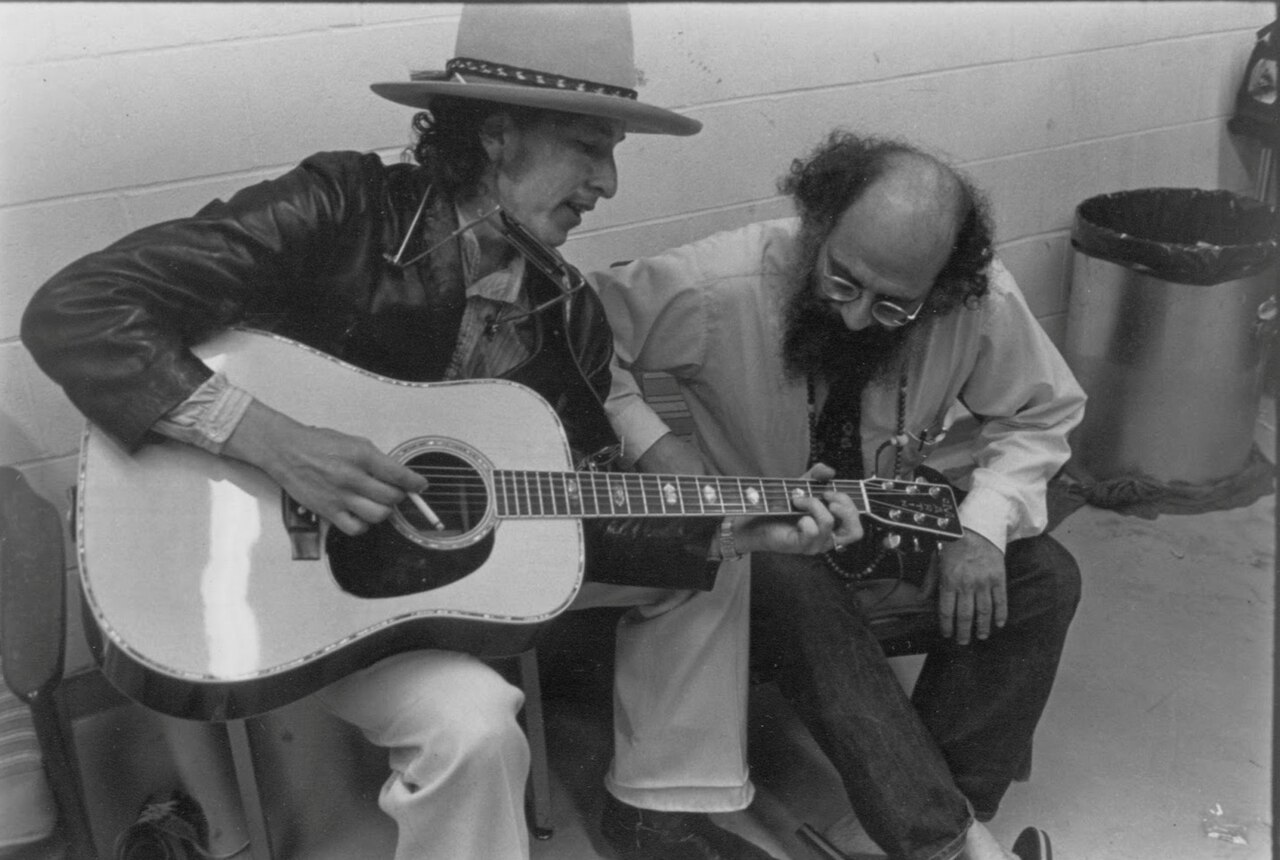 Photograph
Primary source
Allen Ginsberg and Bob Dylan Photograph by Elsa Dorfman
Elsa Dorfman · 1975
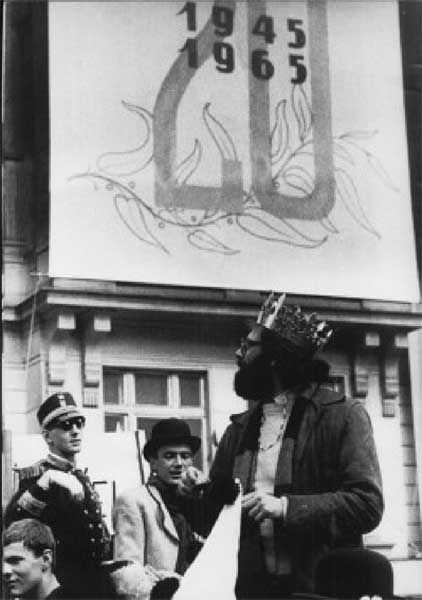 Photograph
Primary source
Allen Ginsberg Elected King of May, Prague
1965
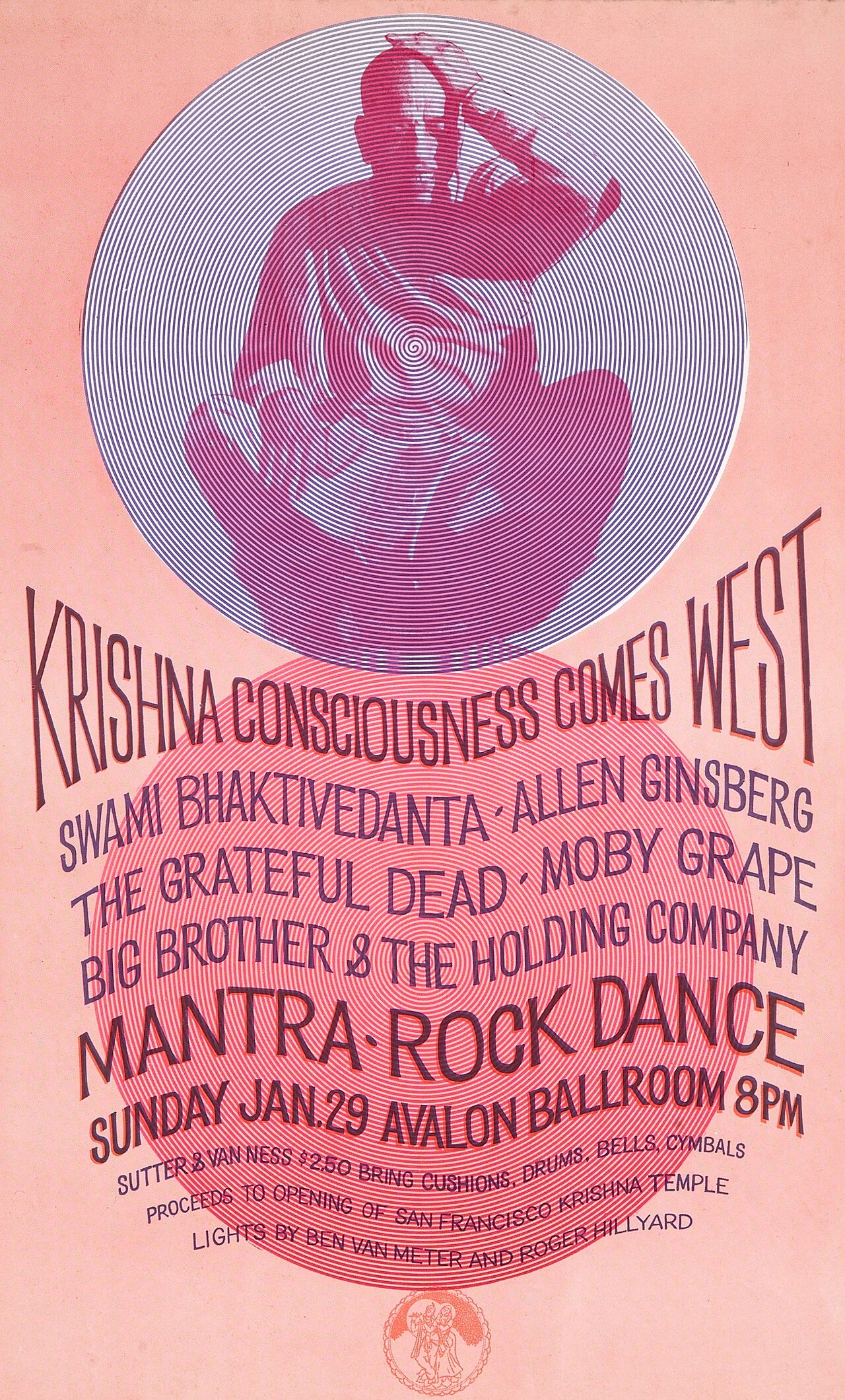 Artifact
Primary source
Mantra-Rock Dance Avalon Poster
Harvey W. Cohen · 1967
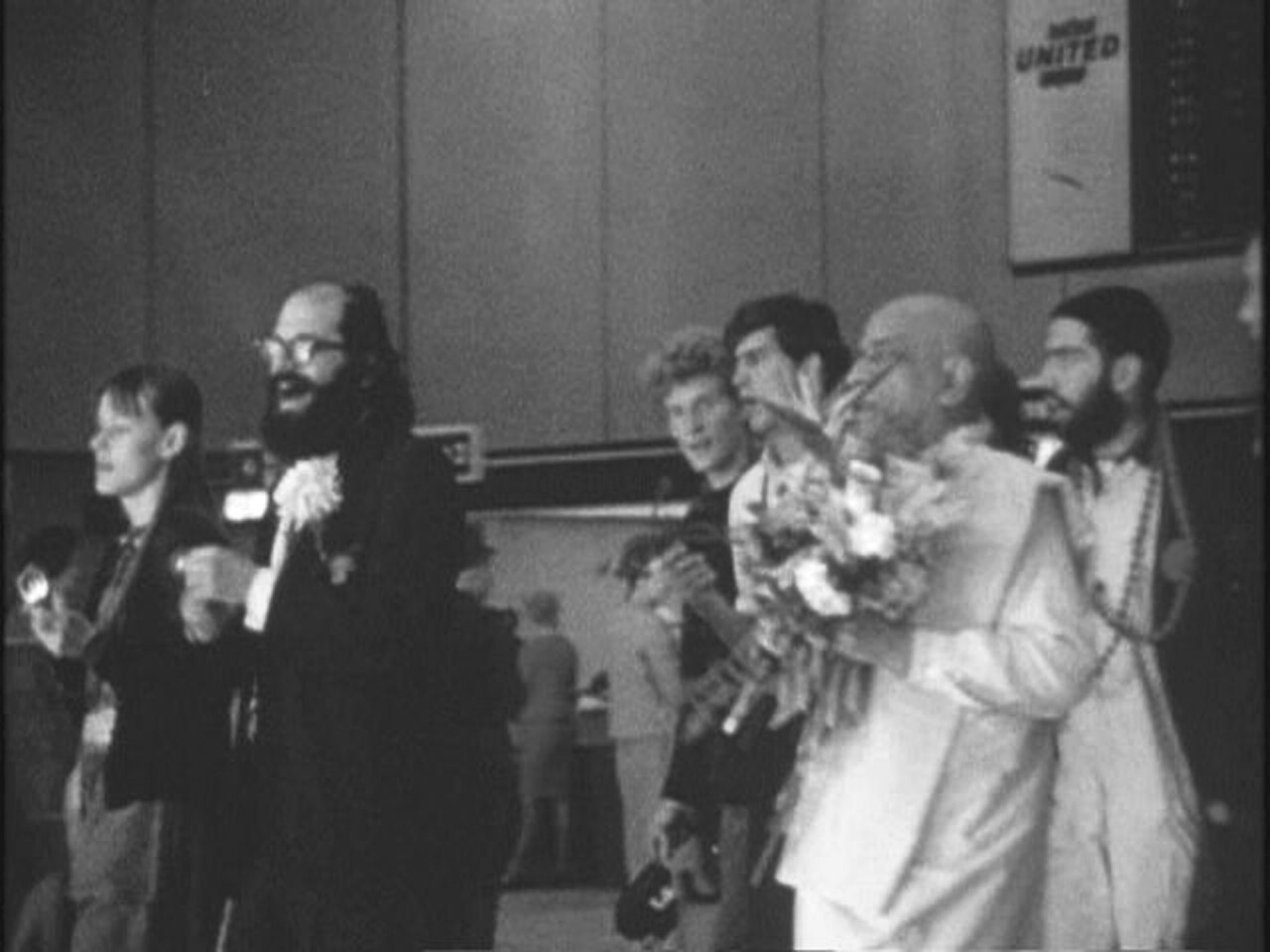 Photograph
Primary source
Bhaktivedanta Swami's Arrival in San Francisco
Yadubara Das · 17 January 1967
Free account
Read every Allen Ginsberg source
Sign up free →
Ready when you are
Start chatting with Allen Ginsberg now.
20 messages free · No credit card · Available in 50+ languages.