


Secondary sourceArtifactbuilt 1727; museum since 1947
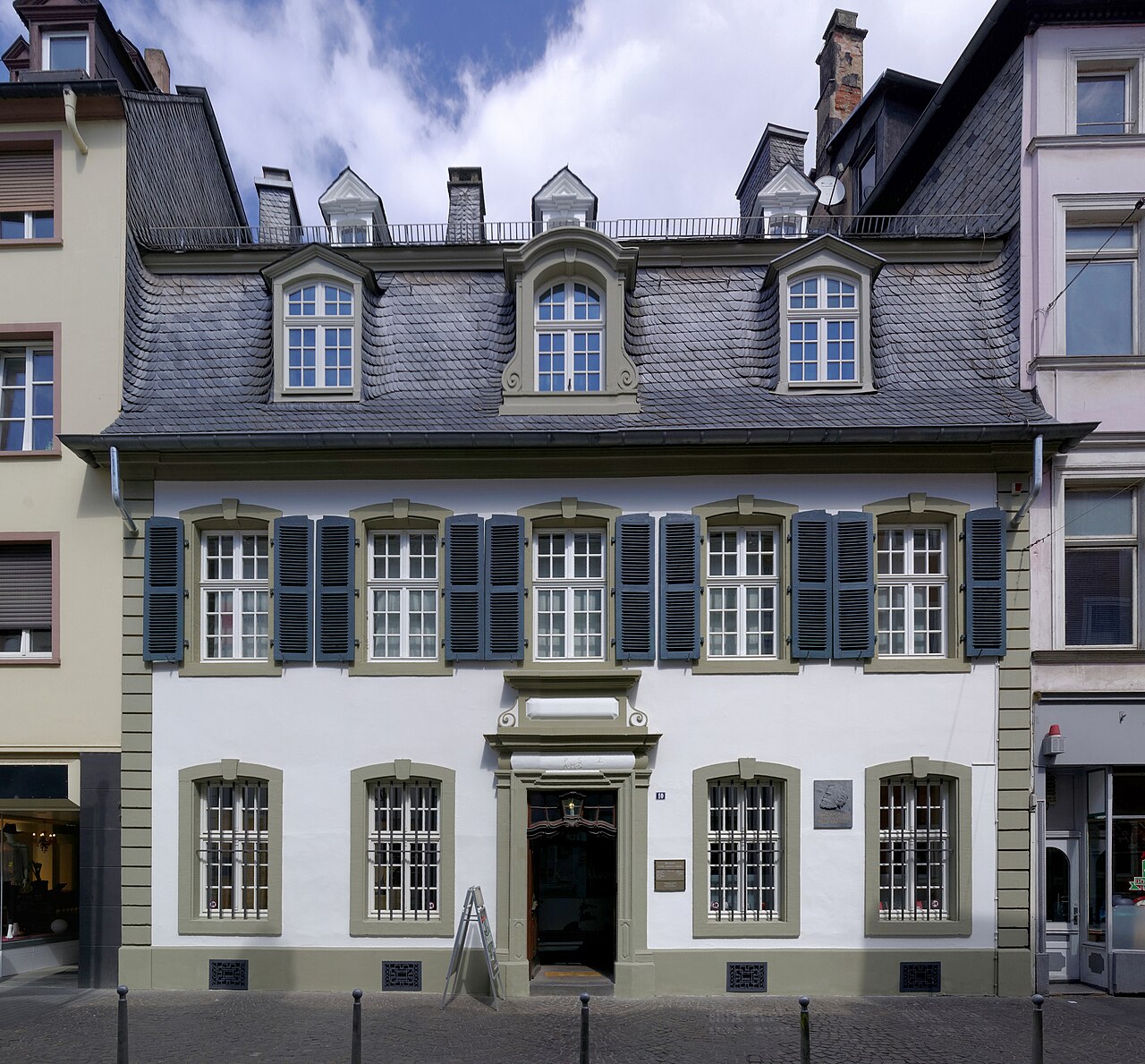
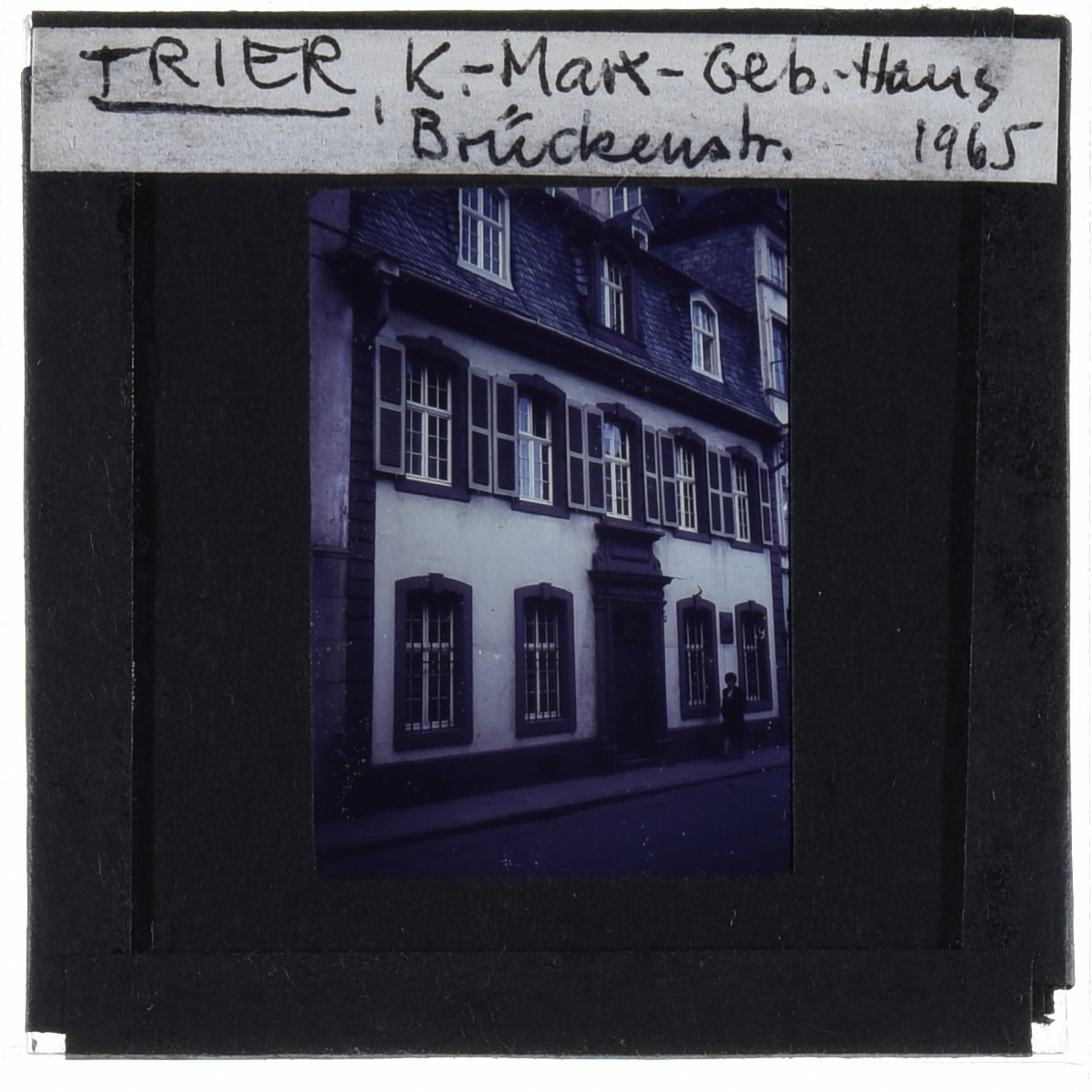
Karl Marx House
built 1727; museum since 1947
The 18th-century house in Trier where Marx was born in 1818, now a museum about his life and writings.
This was Marx's birthplace in 1818, showing the family background he came from before his later life in exile.
About this source
What it is
The Karl Marx House is an 18th-century building in Trier, Germany, built in 1727. Karl Marx was born here in 1818, though his family moved to a smaller house the following year. Since 1947 it has operated as a museum dedicated to his life and works.
Why it matters
The house situates Marx's origins in a comfortable middle-class Rhineland family, long before his years of poverty and exile. Its history as a museum — confiscated under the Nazis, reopened after the war, visited even by East German leader Erich Honecker — also reflects how later generations and political movements used Marx's memory.
Look closer
- What does the size and style of the house suggest about Marx's childhood circumstances?
- Why might a political party have wanted to turn this building into a museum?
- What might the choice of exhibits (like his reading chair or a bust) tell visitors about how Marx is remembered?
This artifact is part of the curated material that grounds the AI version of Karl Marx on Humy.ai — when students ask about related events, the AI can quote it and cite it.
More Karl Marx sources
Meet the AI Karl Marx →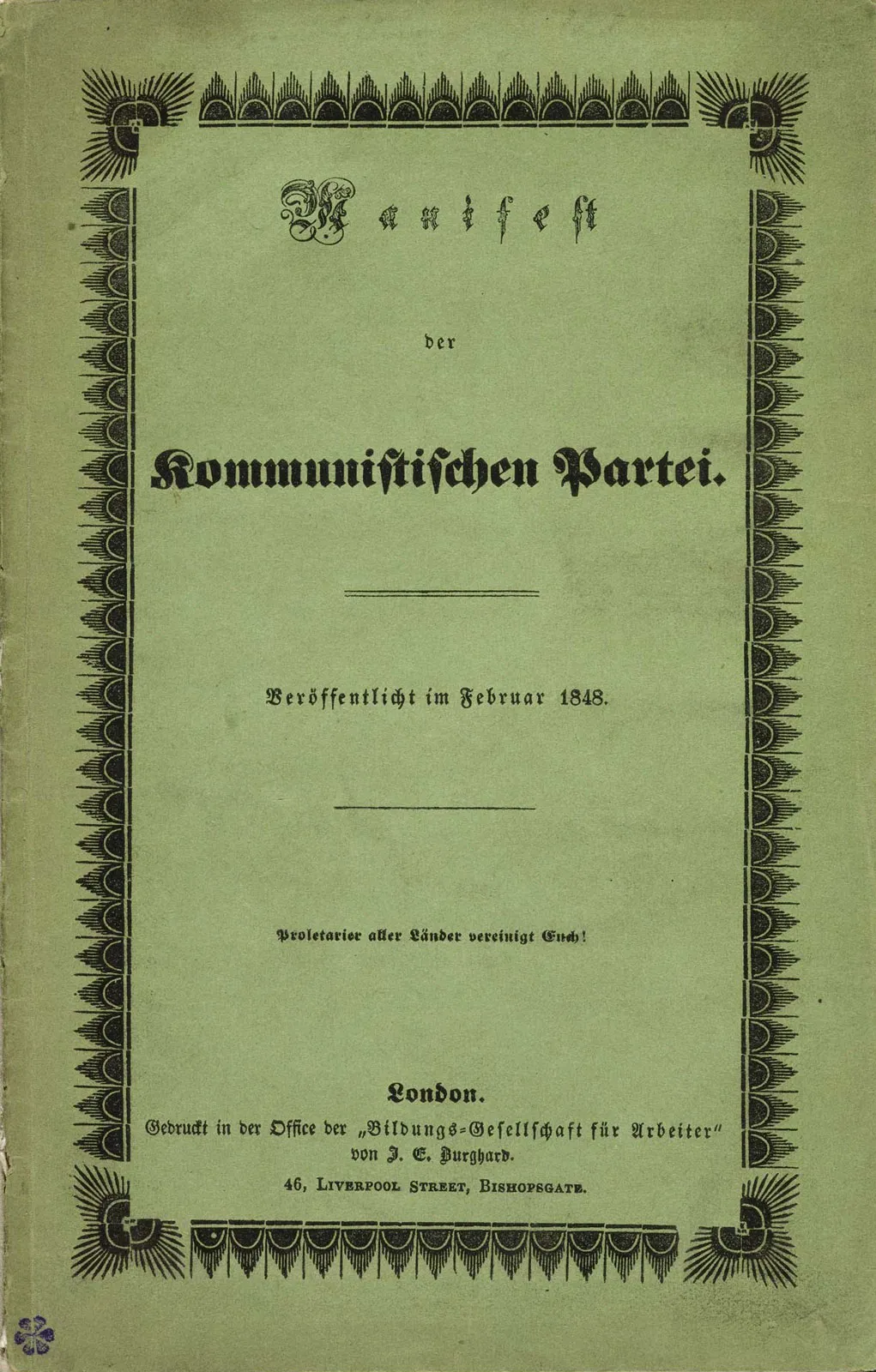 Book
Primary source
The Communist Manifesto
Karl Marx and Friedrich Engels · February 1848
 Book
Primary source
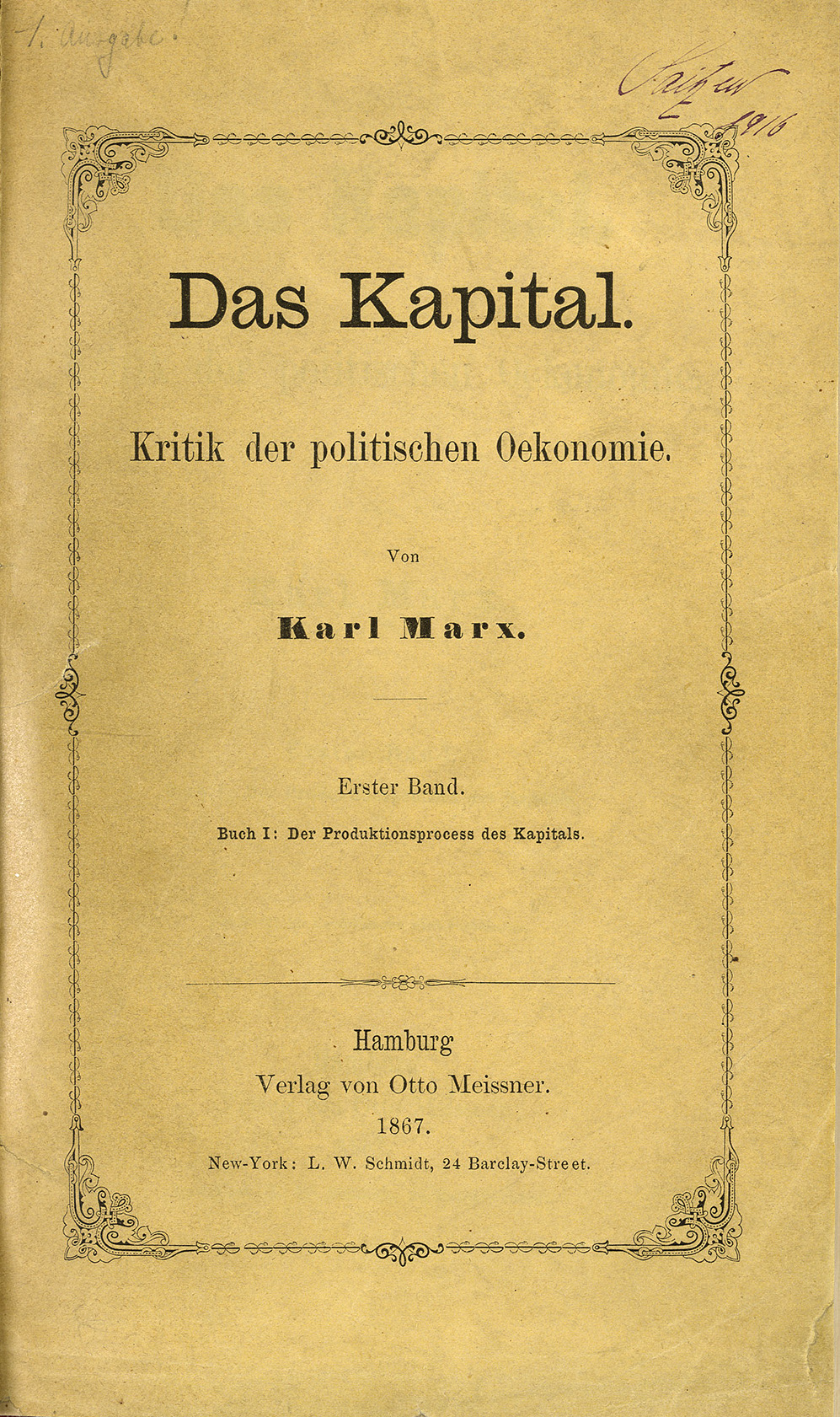
Capital: A Critique of Political Economy
Karl Marx · 1867
 Sculpture
Secondary source
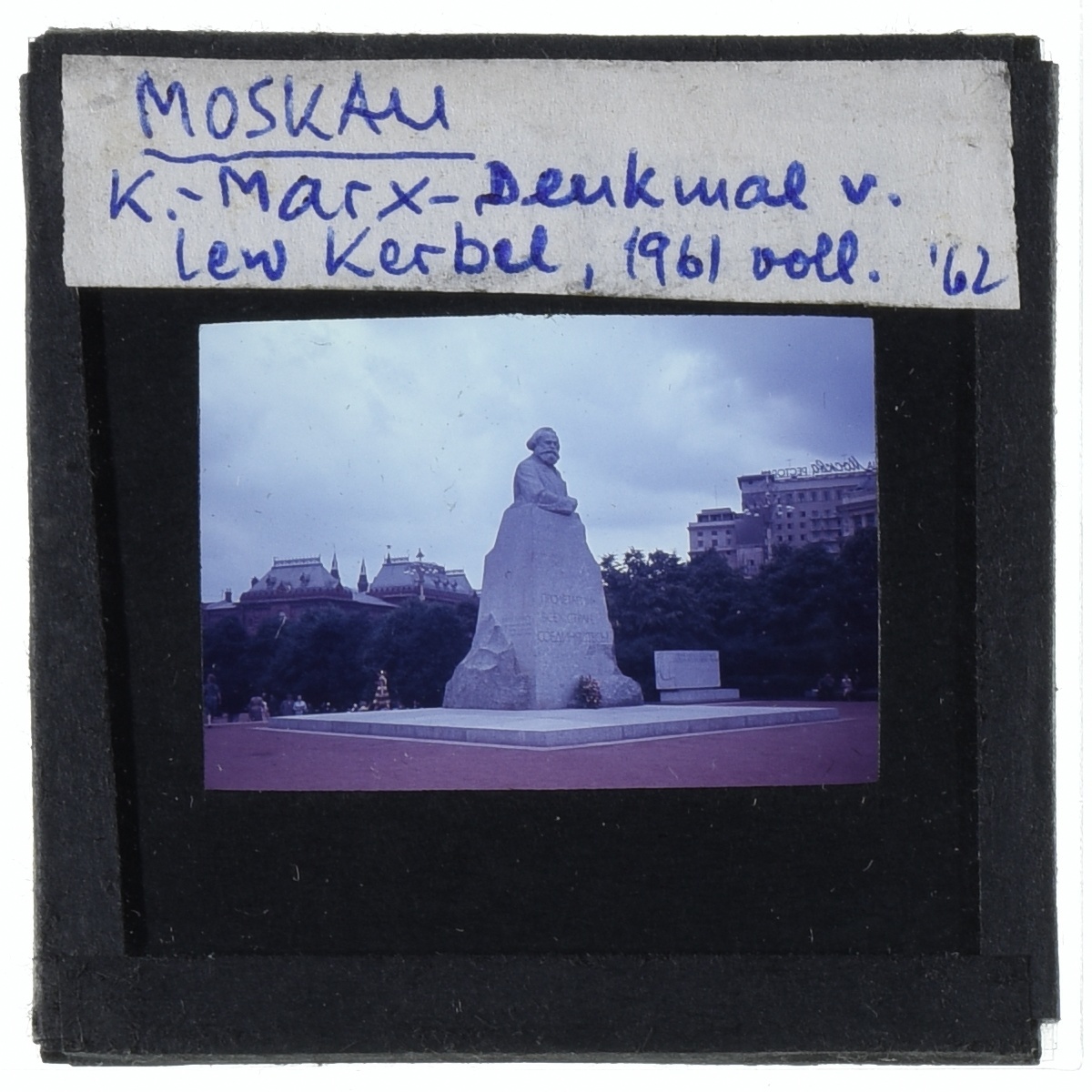
Karl Marx Monument in Moscow
Lew Kerbel · 1961-1962
 Photograph
Primary source
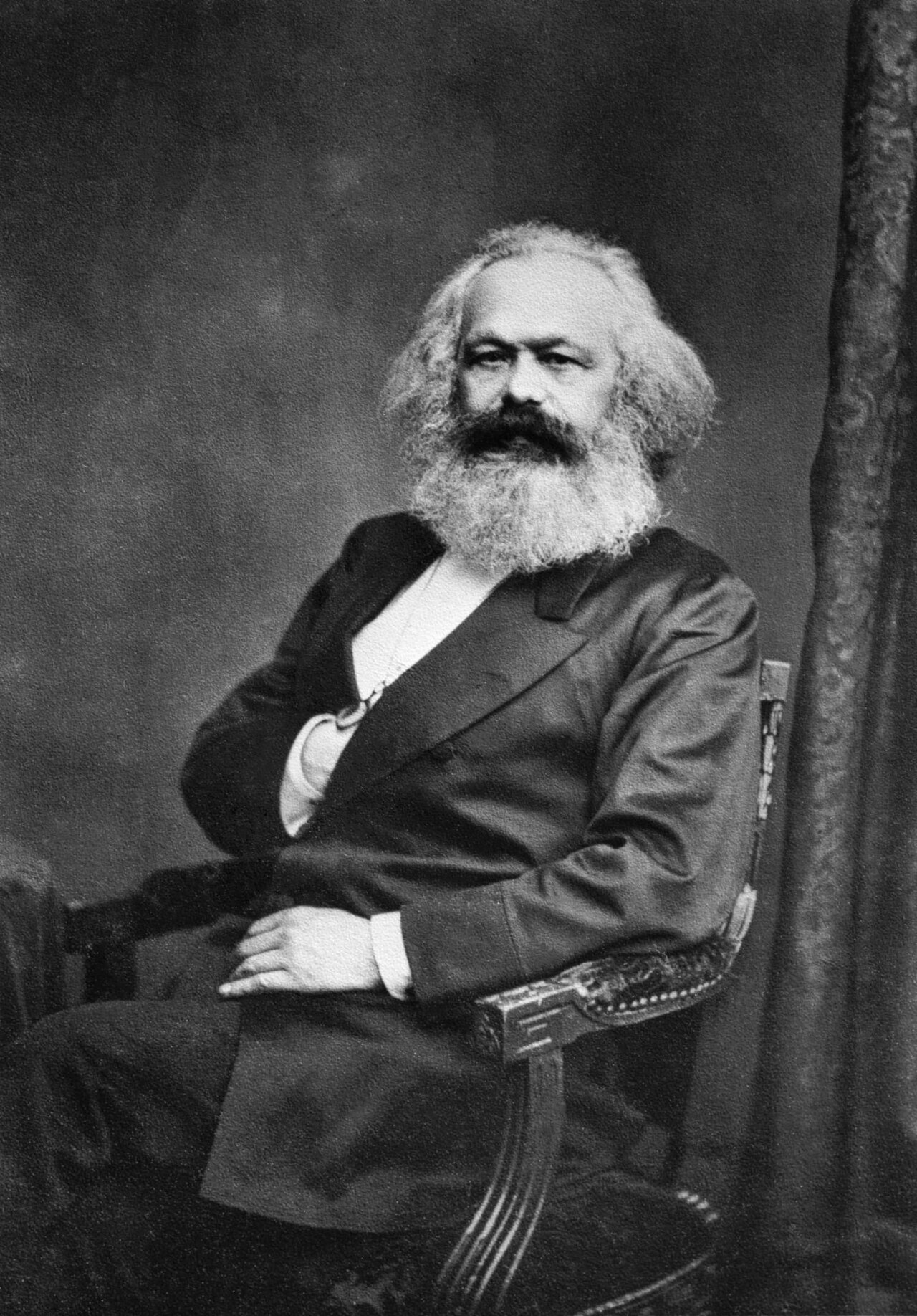
Portrait of Karl Marx
John Mayall · 1875
 Photograph
Secondary source
Karl Marx's Birthplace House in Trier
1965
Ready when you are
Start chatting with Karl Marx now.
20 messages free · No credit card · Available in 50+ languages.