


Primary sourceDocument1838
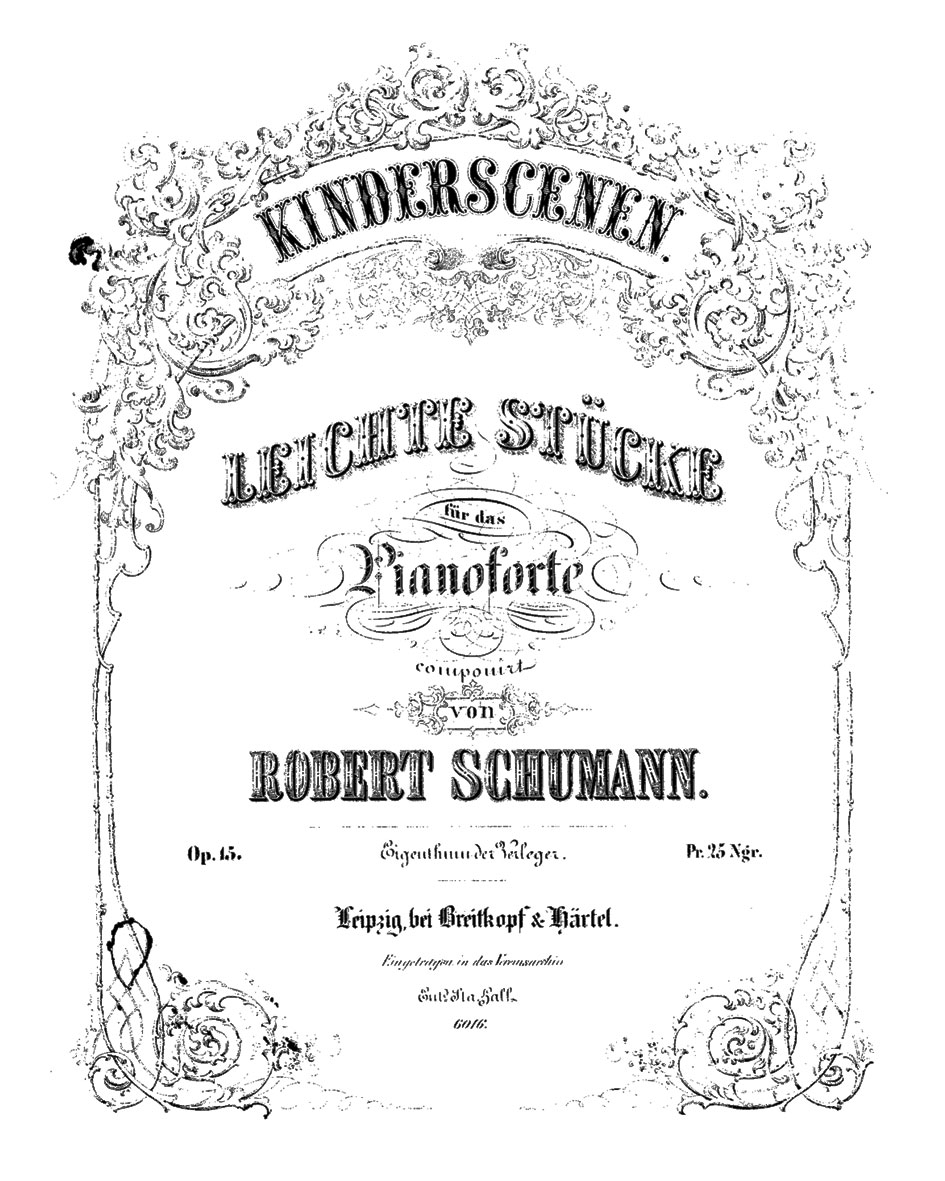
Kinderszenen
Robert Schumann · 1838
A set of thirteen piano miniatures by Robert Schumann recalling childhood, including the famous Träumerei.
Schumann composed these piano pieces, revealing his poetic, character-driven style and habit of adding titles after the music was written.
About this source
What it is
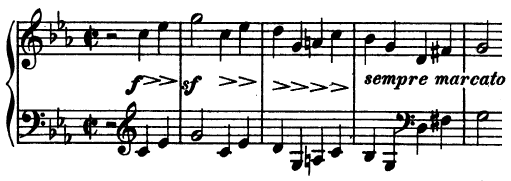
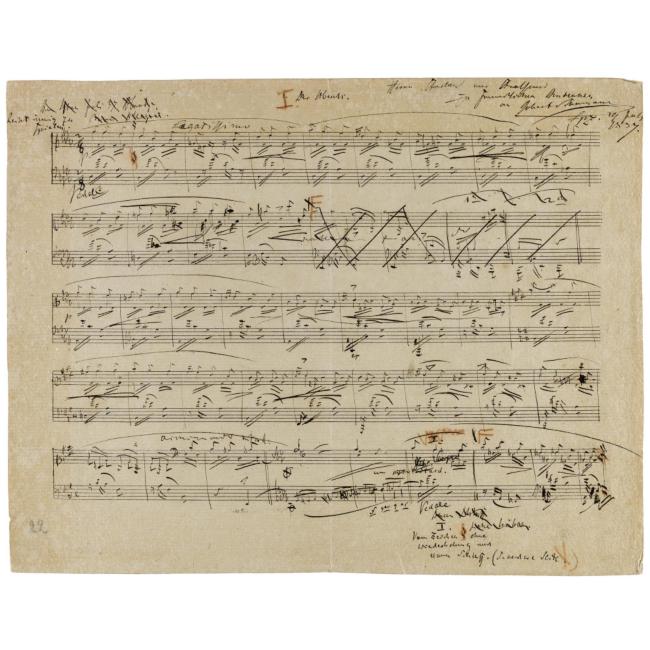
Kinderszenen ("Scenes from Childhood"), Op. 15, is a set of thirteen short piano pieces composed by Robert Schumann in 1838. No complete manuscript survives, but the printed score was published by Breitkopf & Härtel in Leipzig.
Why it matters
Schumann wrote thirty small pieces inspired by his future wife Clara's remark that he sometimes seemed "like a child", and selected thirteen for publication. He only added the descriptive titles after finishing the music, calling them gentle hints rather than strict programs. The best-known movement, Träumerei, later became famous far beyond the concert hall, including as mourning music in Russia.
Look closer
- Why might a composer add titles to music only after writing it?
- What does Schumann's comment about the titles being "hints" suggest about how he wanted listeners to experience the music?
- Why do you think a piece written for the piano became so widely known in other contexts, like film and advertising?
This document is part of the curated material that grounds the AI version of Robert Schumann on Humy.ai — when students ask about related events, the AI can quote it and cite it.
More Robert Schumann sources
Browse all 94 →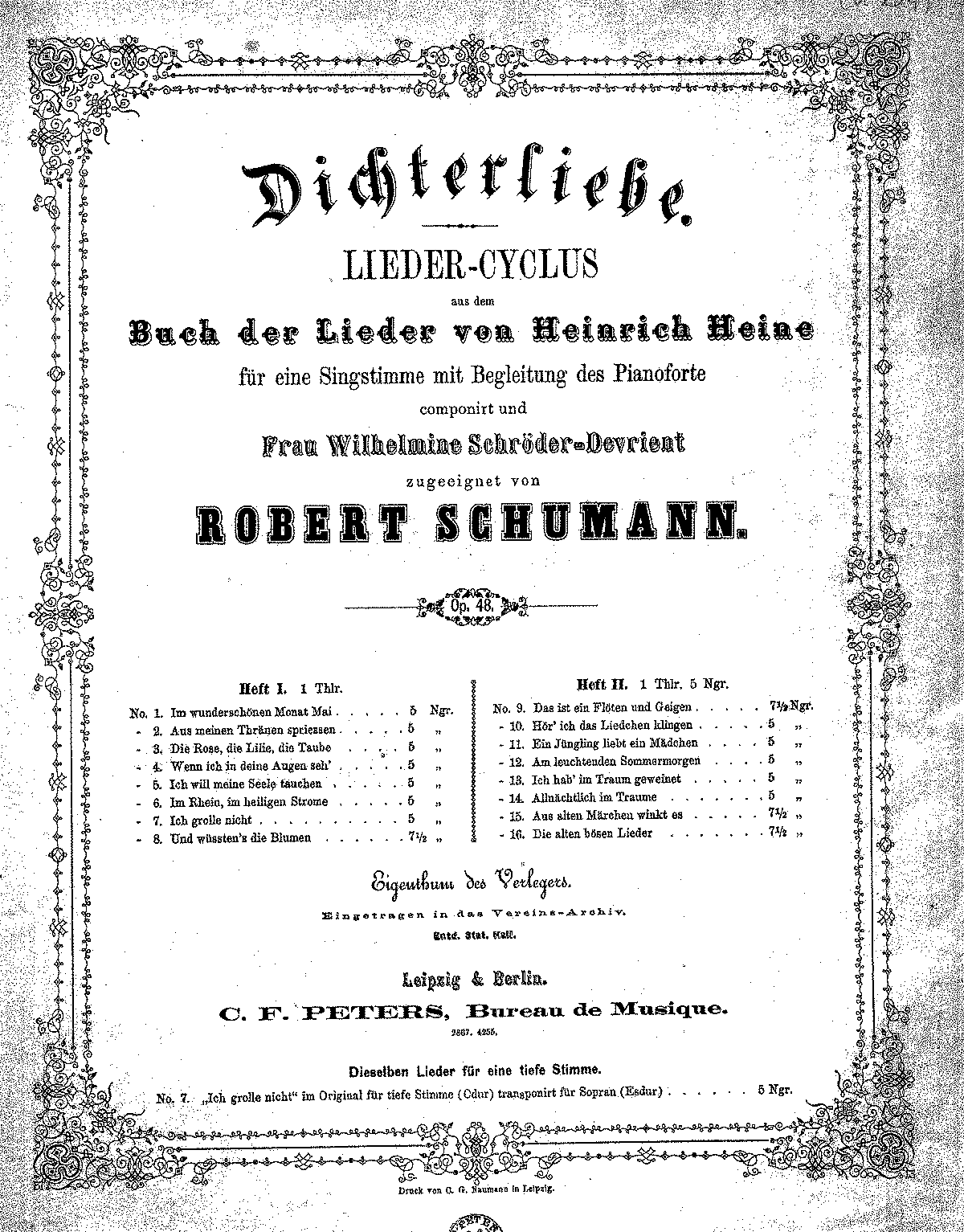 Artifact
Secondary source
Dichterliebe
Robert Schumann · 1840
 Document
Primary source
Piano Concerto in A minor
Robert Schumann · 1841–1845
Primary source
Neue Bahnen
Robert Schumann · 28 October 1853
 Photograph
Primary source
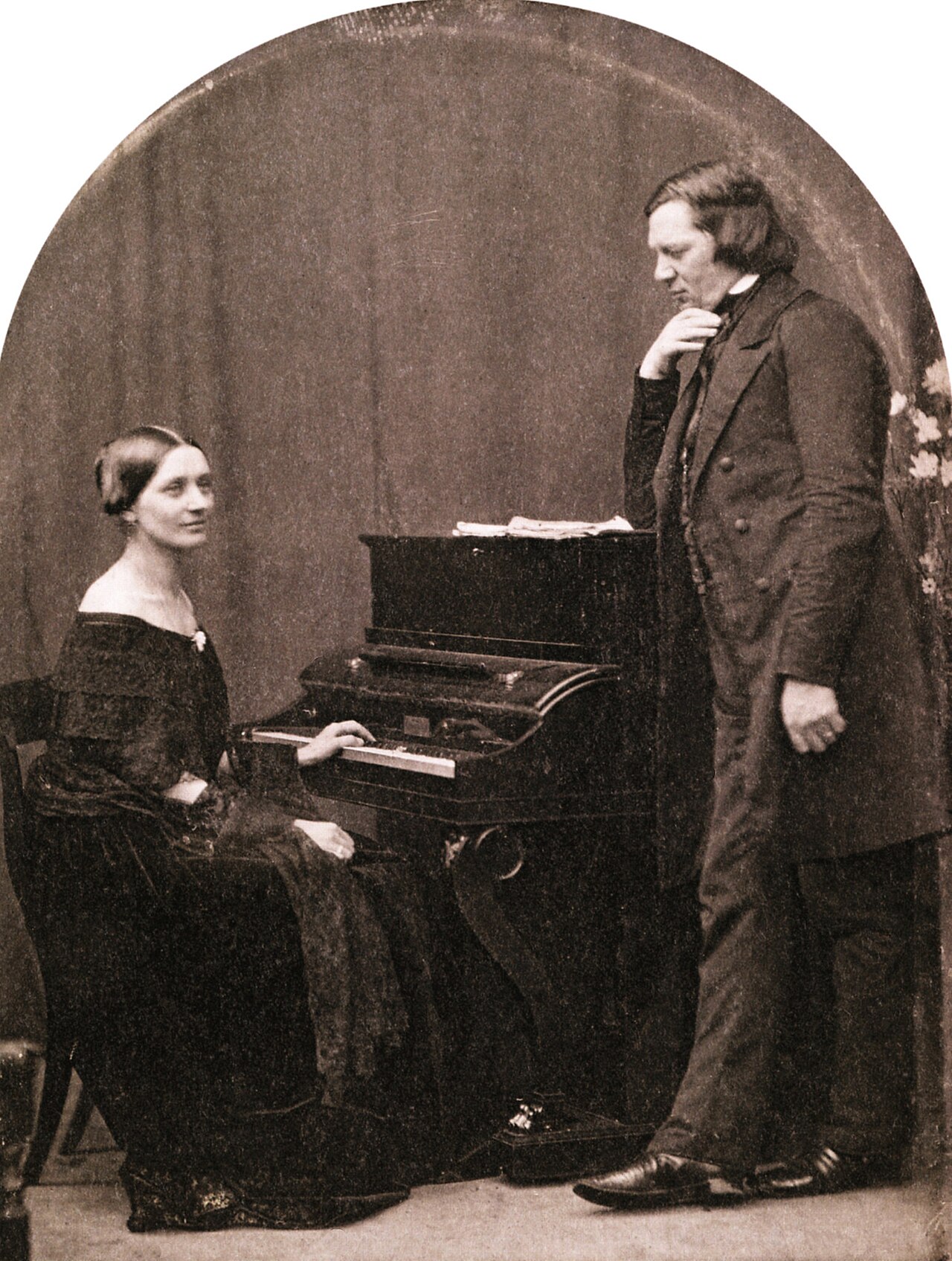
Robert and Clara Schumann Daguerrotype
Johann Anton Völlner · 1850
Free account
Read every Robert Schumann source
Sign up free →
Ready when you are
Start chatting with Robert Schumann now.
20 messages free · No credit card · Available in 50+ languages.