


Secondary sourcePaintingc. 1540
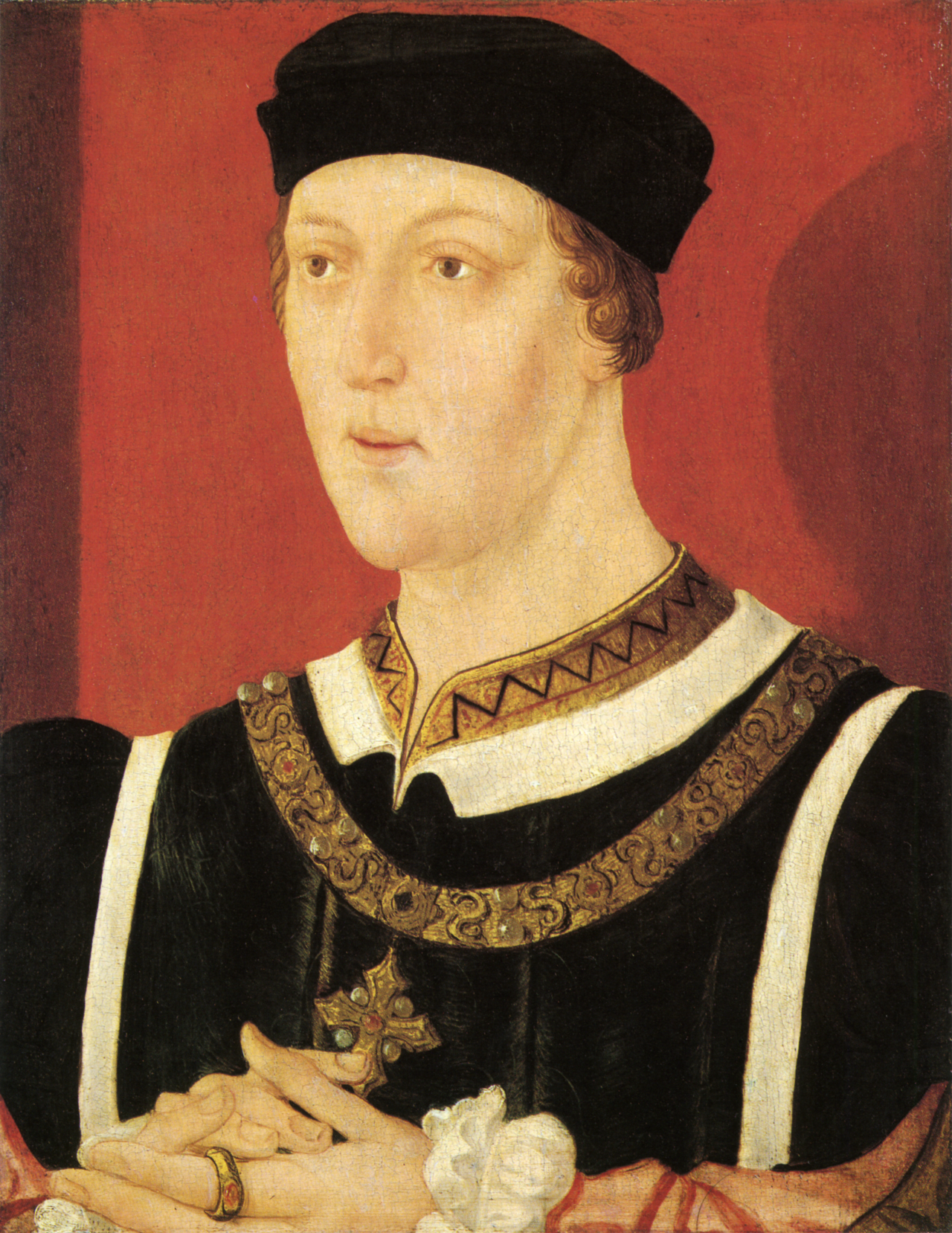
King Henry VI
Unknown English artist · c. 1540
A Tudor-era painted portrait that became the standard likeness of Henry VI, created decades after his death to show him as pious and mild.
This posthumous portrait fixed the enduring image of Henry VI as pious and mild.
About this source
What it is
A panel painting made around 1540 by an unknown English artist, now in the National Portrait Gallery, London. It shows a young man in dark clothing with a gold chain, set against a red background.
Why it matters
Painted long after Henry VI's death, this portrait fixed the image of the king that later generations remembered: gentle, devout and withdrawn from violence. It tells us less about what Henry actually looked like than about how Tudor England wanted to remember him, especially given his reputation for piety.
Look closer
- Since this was painted decades after Henry VI died, what might the artist have based it on?
- What does the clasped-hands pose suggest the painter wanted viewers to think about the king?
- Why might later rulers want a calm, pious image of Henry VI rather than one showing conflict or defeat?
This painting is part of the curated material that grounds the AI version of Henry VI on Humy.ai — when students ask about related events, the AI can quote it and cite it.
More Henry VI sources
Meet the AI Henry VI →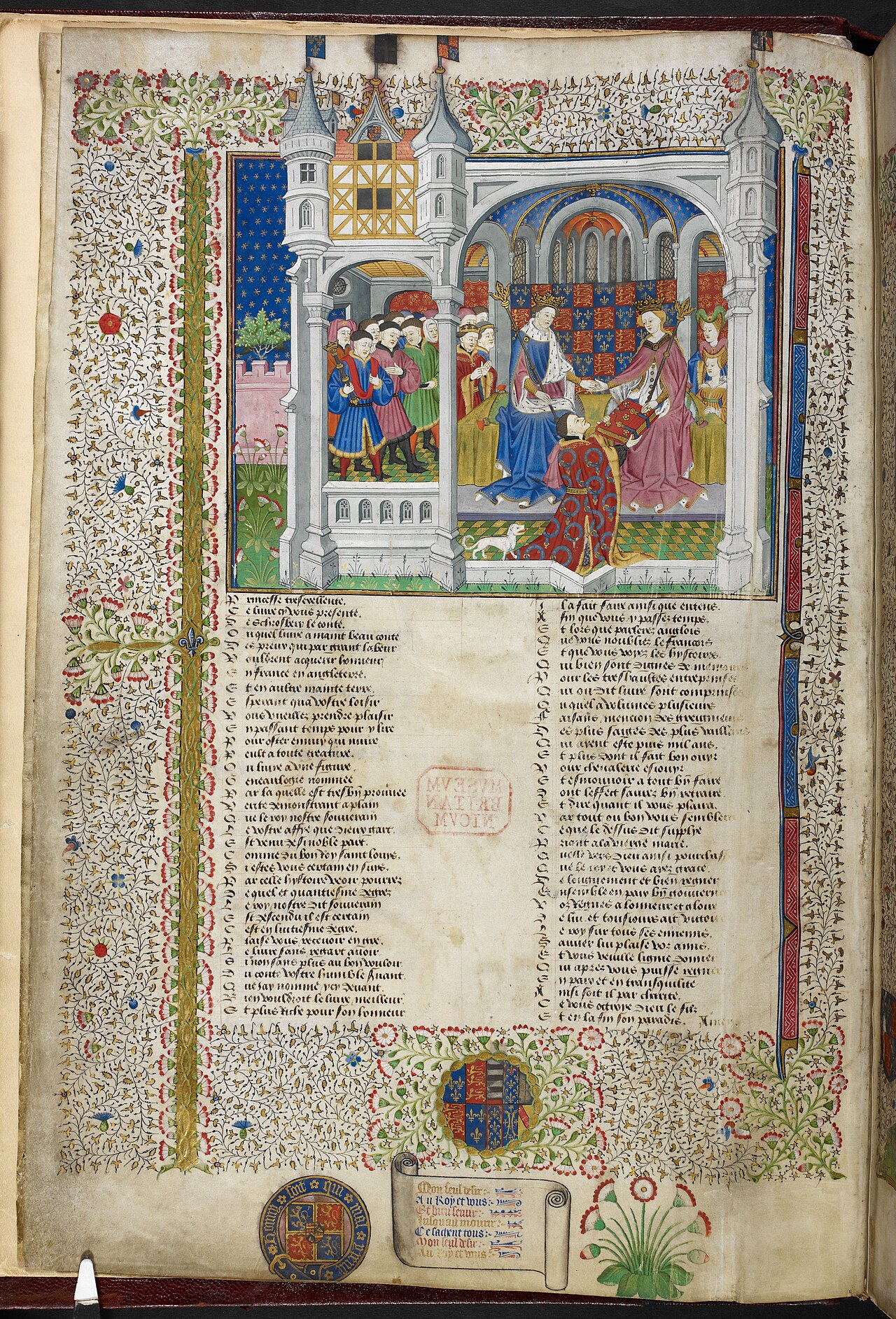 Book
Primary source
Talbot Shrewsbury Book
Master of the Munich Golden Legend · 1444/1445
 Artifact
Primary source
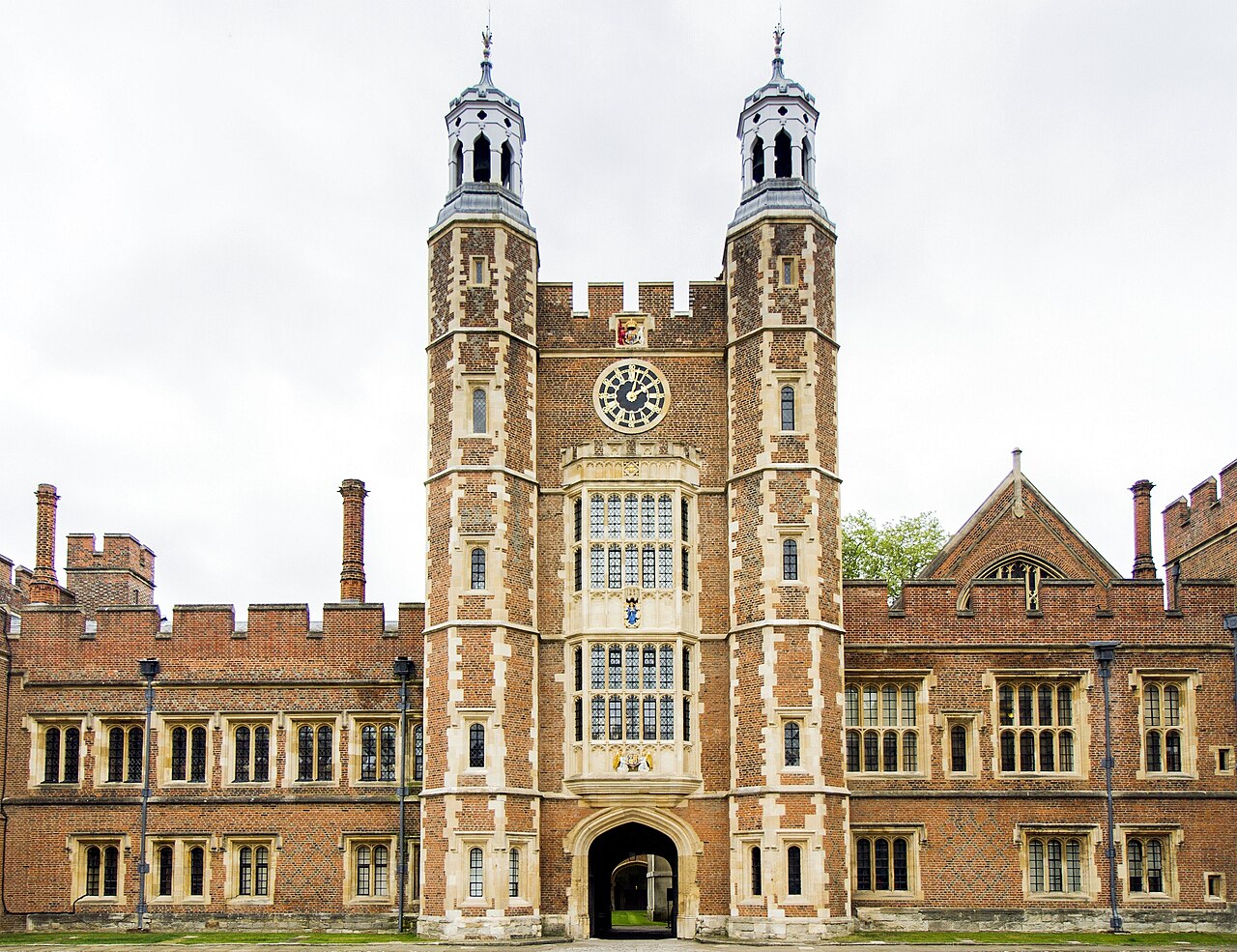
Eton College
1440
 Artifact
Primary source
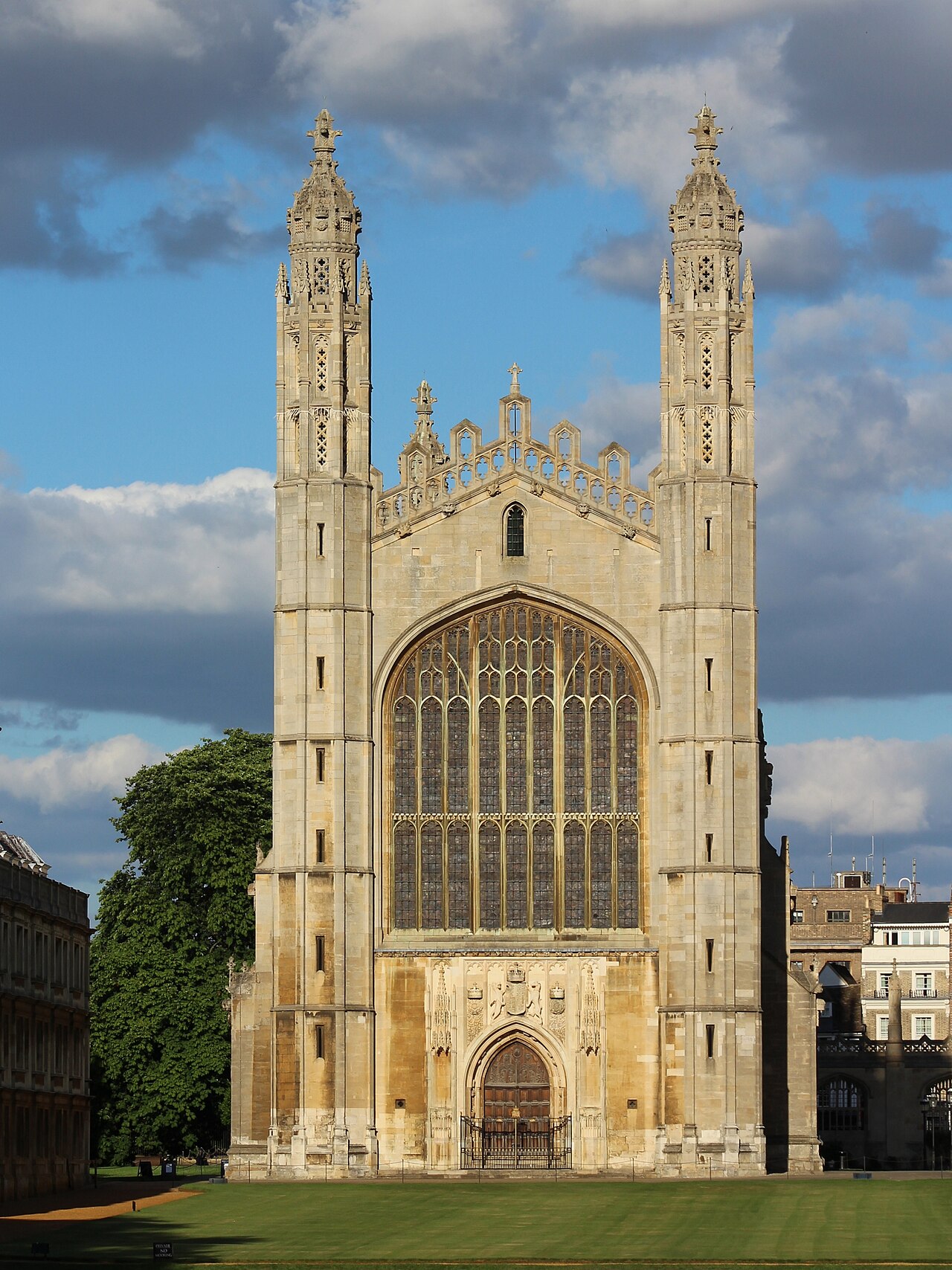
King's College Chapel
1446–1515
 Book
Secondary source
The Historie of the Arrivall of Edward IV
Unknown (servant of Edward IV) · c. 1500
 Artifact
Primary source
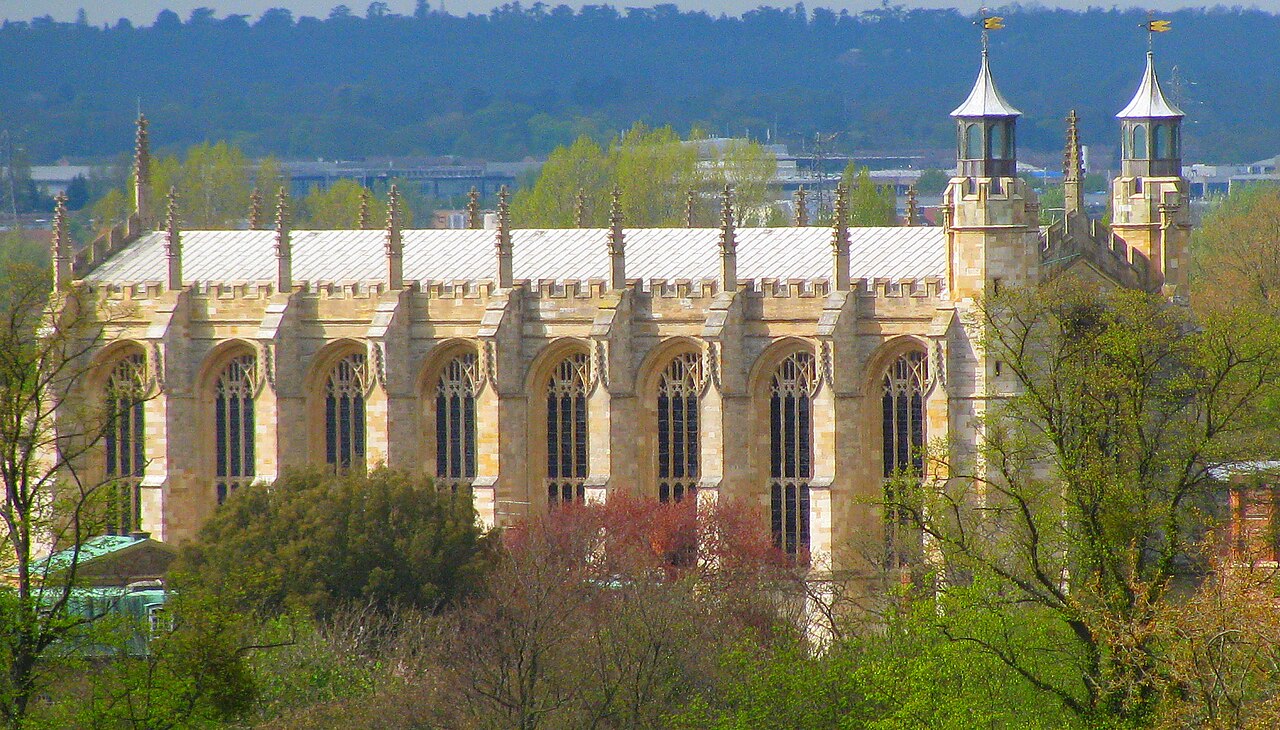
Eton College Chapel
1449–1482
Ready when you are
Start chatting with Henry VI now.
20 messages free · No credit card · Available in 50+ languages.