


Primary sourceArtifact1920
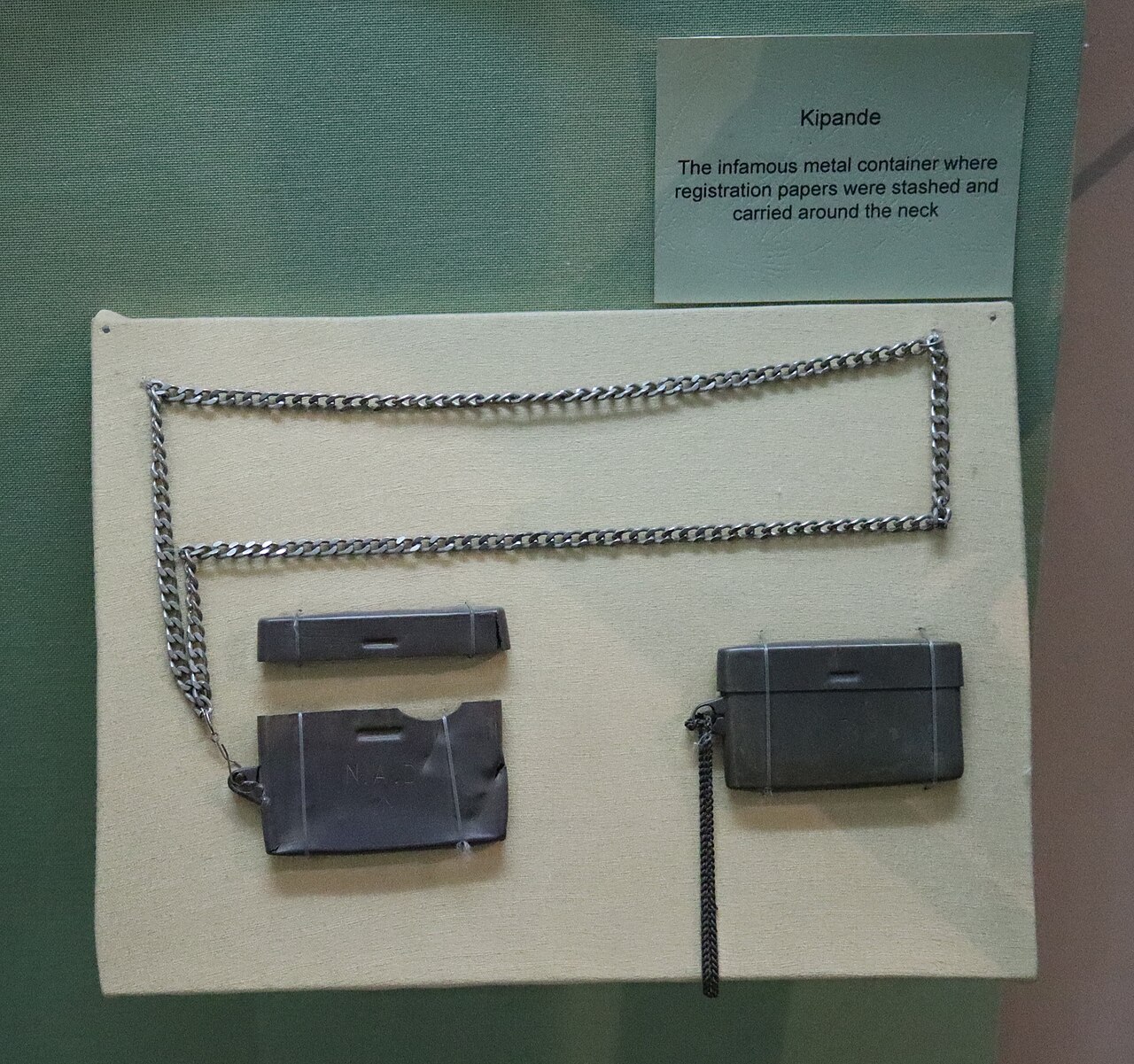
Kipande
1920
The pass document Africans in colonial Kenya were forced to wear, whose imposition was the central grievance of Harry Thuku's protest movement.
The kipande system was the core grievance that drove Thuku's East African Association protest campaign.
About this source
What it is
The kipande was an identity document used in colonial Kenya, containing personal details, fingerprints and employment history. A 1920 ordinance made it compulsory for African males over 15 to wear it at all times in a metal case around the neck. Examples are now held in the Nairobi National Museum.
Why it matters
The kipande system restricted the movement and employment of Africans while white settlers faced no such control. This injustice became the central grievance of the East African Association, the organisation led by Harry Thuku, and fuelled the unrest associated with his activism. The system remained in place for decades before being abolished due to the tension it caused.
Look closer
- Why do you think the colonial government required only Africans, and not settlers, to carry this document?
- What does wearing an identity document around the neck suggest about how the colonial state viewed its African subjects?
- How might an object like this explain why people organised political protest, such as Thuku's movement?
This artifact is part of the curated material that grounds the AI version of Harry Thuku on Humy.ai — when students ask about related events, the AI can quote it and cite it.
Ready when you are
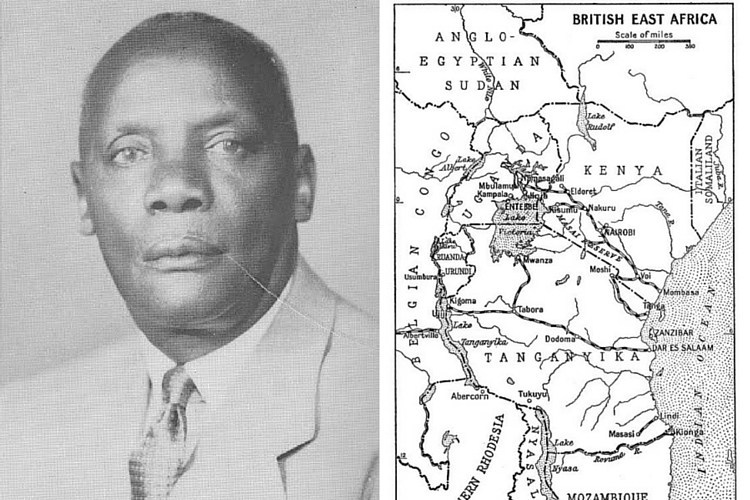
Start chatting with Harry Thuku now.
20 messages free · No credit card · Available in 50+ languages.