


Primary sourceArtifactc. 1034
Kuli Stone
c. 1034
A runestone from around 1034 bearing the earliest known mention of Christianity in Norway, evidence for the conversion era Olaf began.
This runestone's mention of Christianity's duration in Norway provides early evidence for the conversion process Olaf began.
About this source
What it is
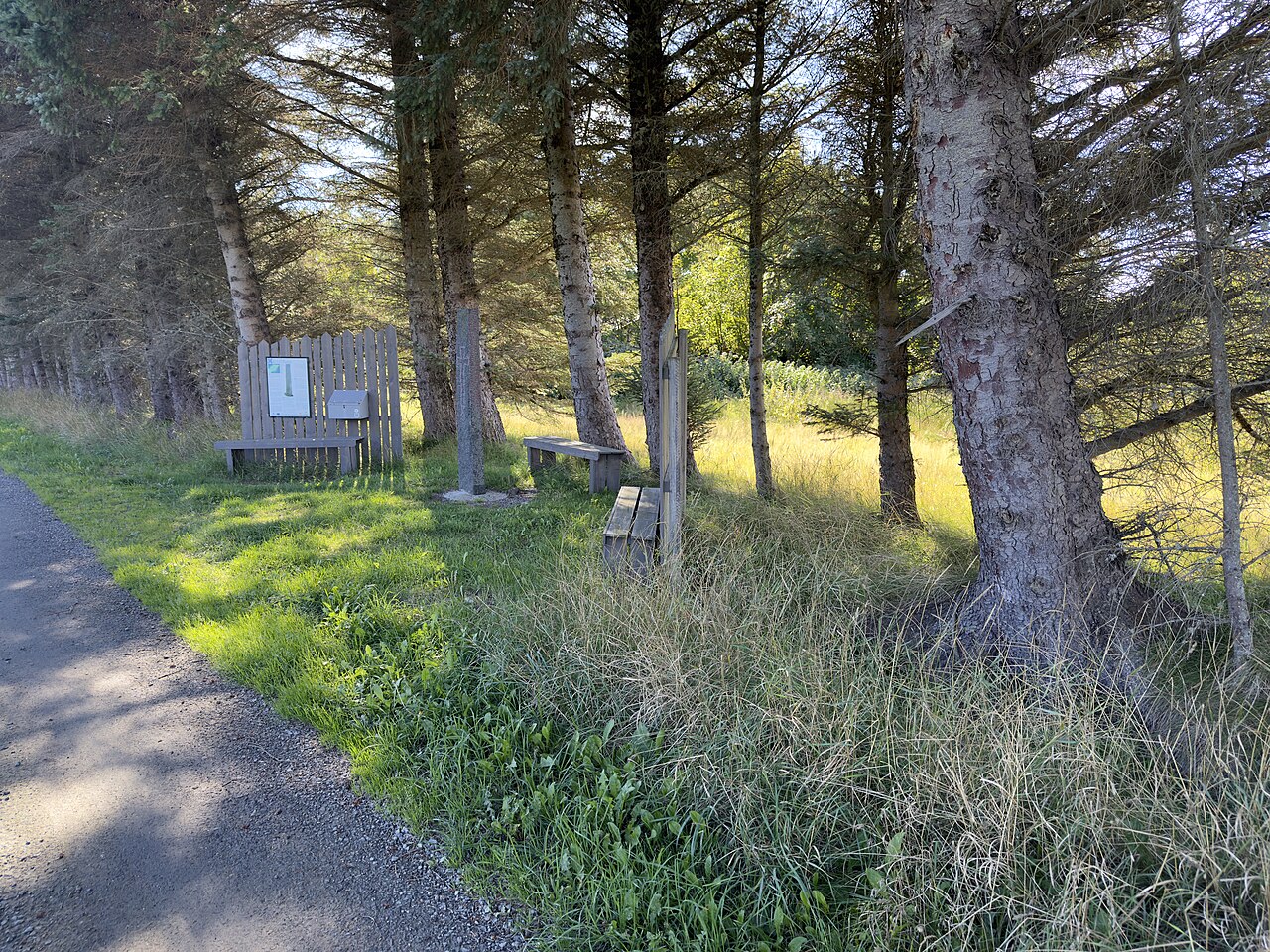
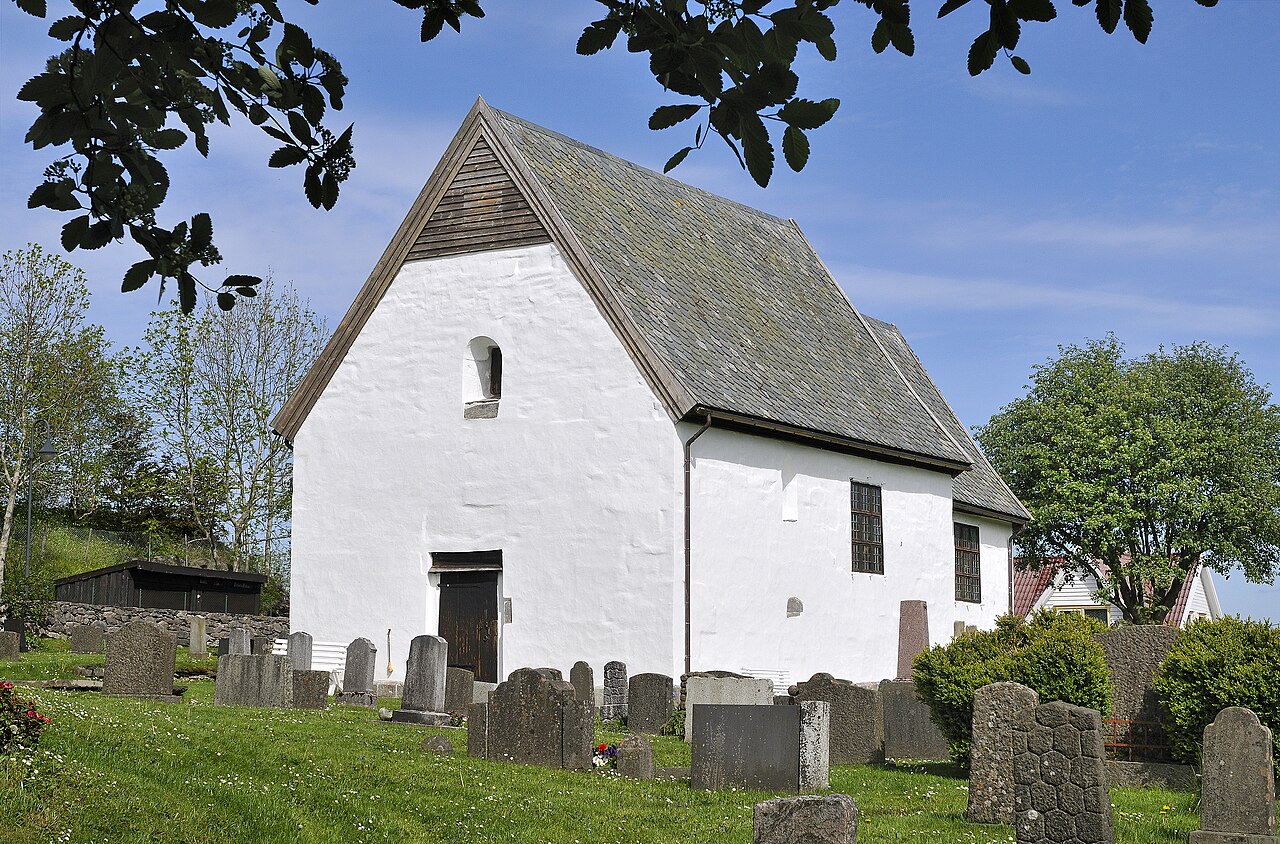
The Kuli Stone is a runestone with a Christian cross carved on one face and a runic inscription on its narrow side. It was found on the island of Kuli in Norway and is now kept at the NTNU University Museum in Trondheim; a copy stands at the original discovery site.
Why it matters
The inscription contains the first known mention of the word 'Christianity' in Norway and states that it had existed there for twelve winters, making it a rare near-contemporary piece of evidence for the conversion period that Olaf began. Because it is difficult to interpret precisely, historians still debate exactly what it tells us about the timing of Christianization, but it remains one of the earliest physical traces of that process.
Look closer
- Why is a short runic inscription harder to interpret than a written chronicle?
- What does carving a Christian cross on a stone suggest about how conversion was announced or remembered?
- Why might historians disagree about what 'twelve winters' of Christianity actually means?
This artifact is part of the curated material that grounds the AI version of Olaf Tryggvason and Olaf II of Norway on Humy.ai — when students ask about related events, the AI can quote it and cite it.
More Olaf Tryggvason sources
Browse all 50 →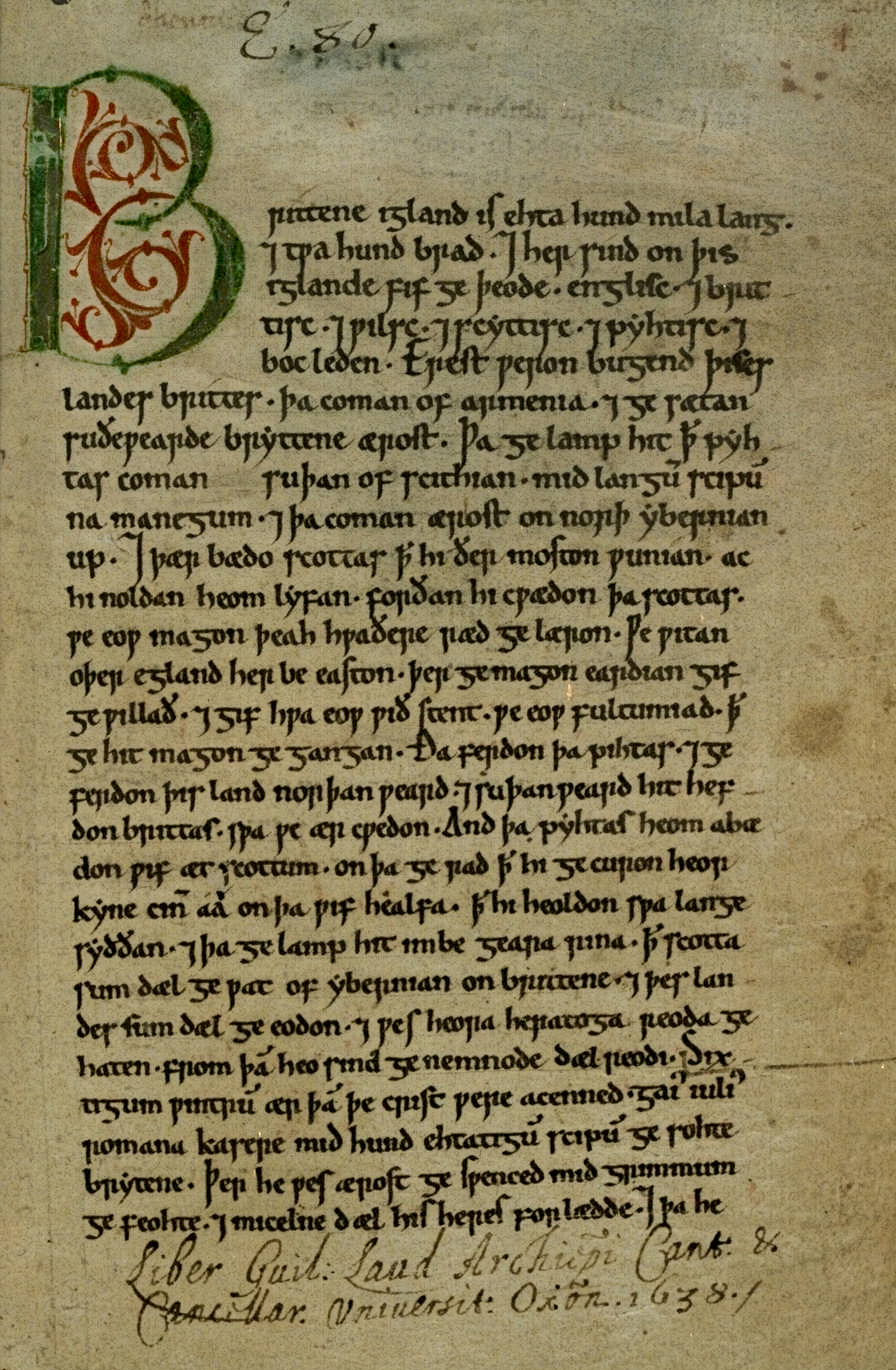 Document
Primary source
Anglo-Saxon Chronicle
c. 890 (Common Stock)
 Book
Secondary source
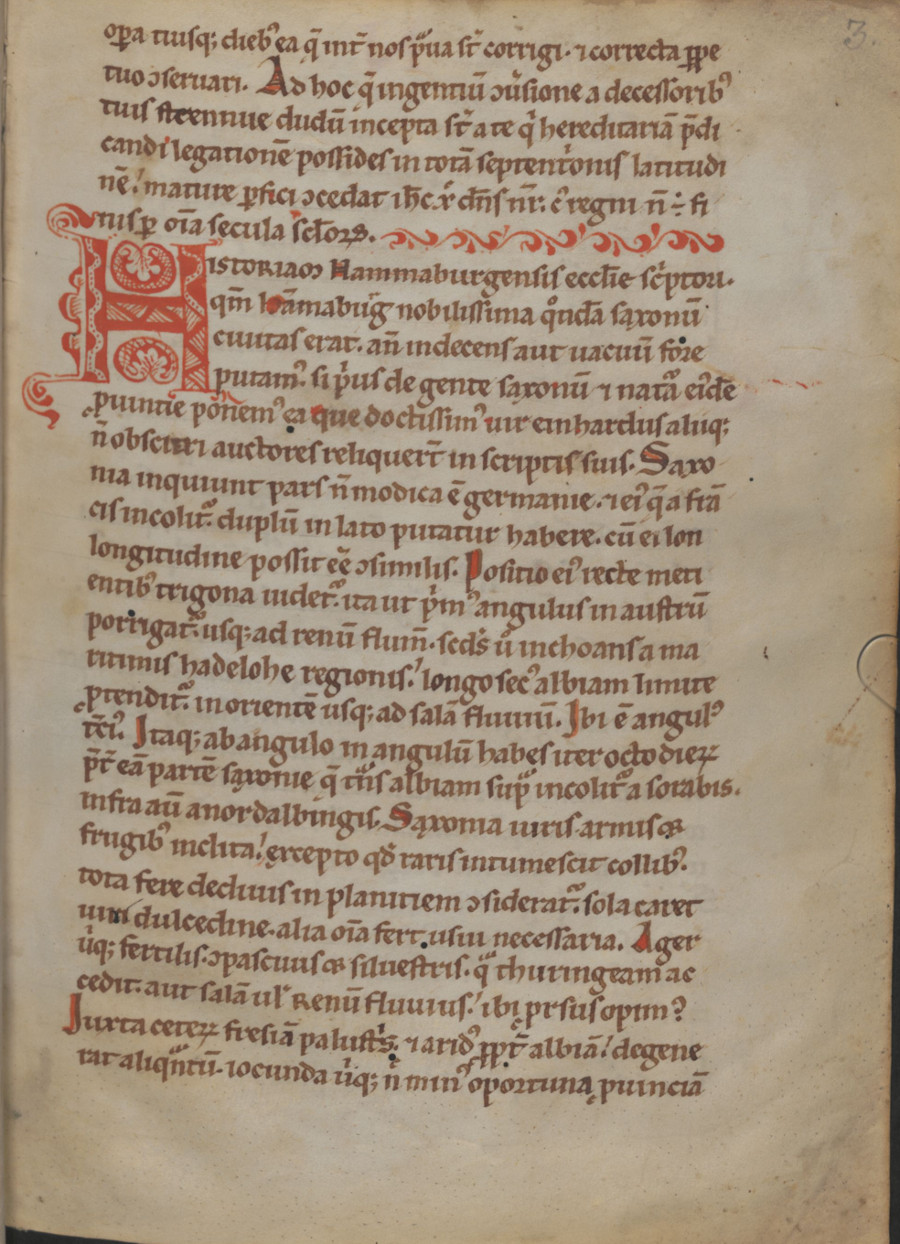
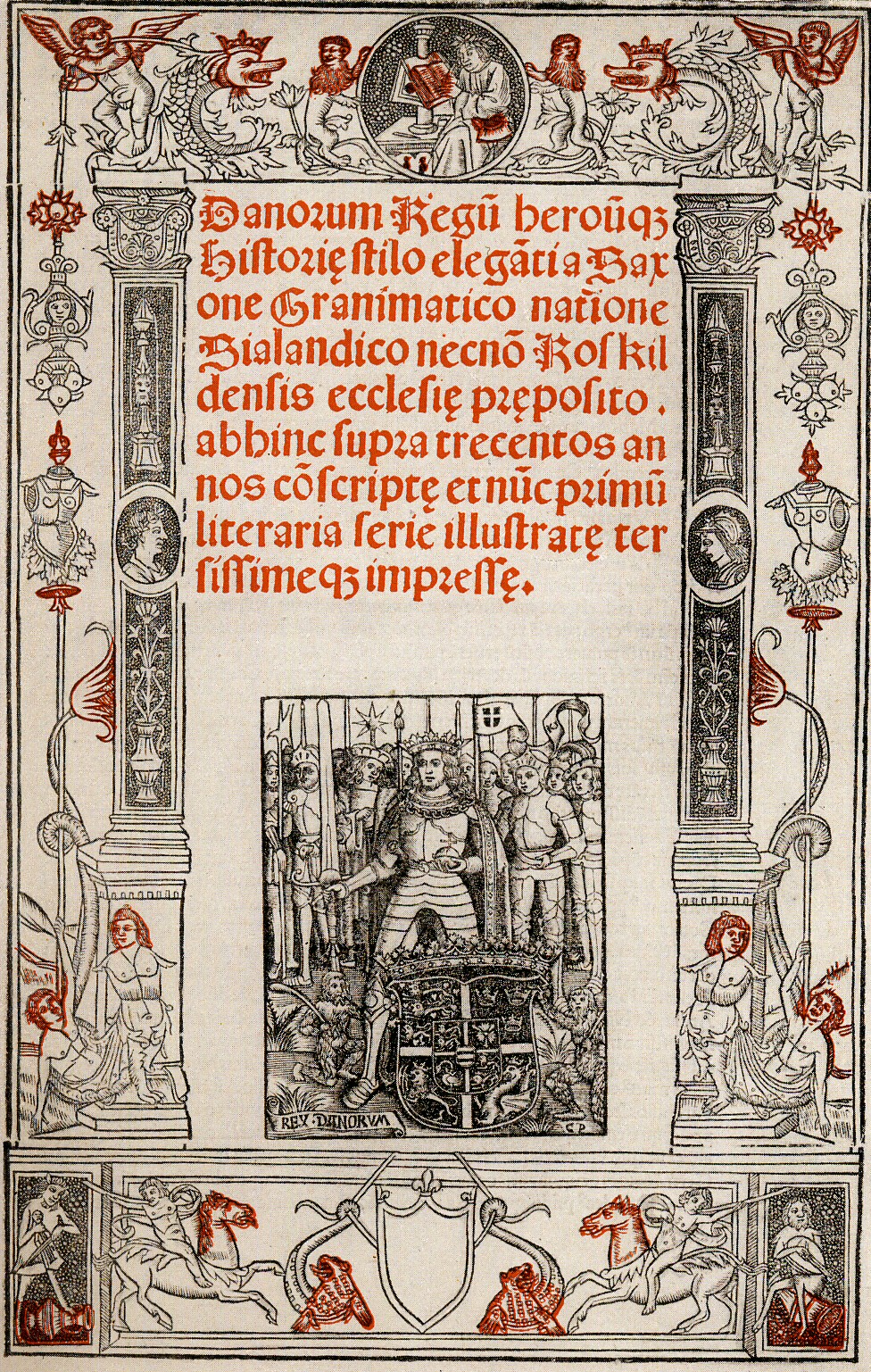
Gesta Hammaburgensis ecclesiae pontificum
Adam of Bremen · 1073-1076
 Book
Secondary source
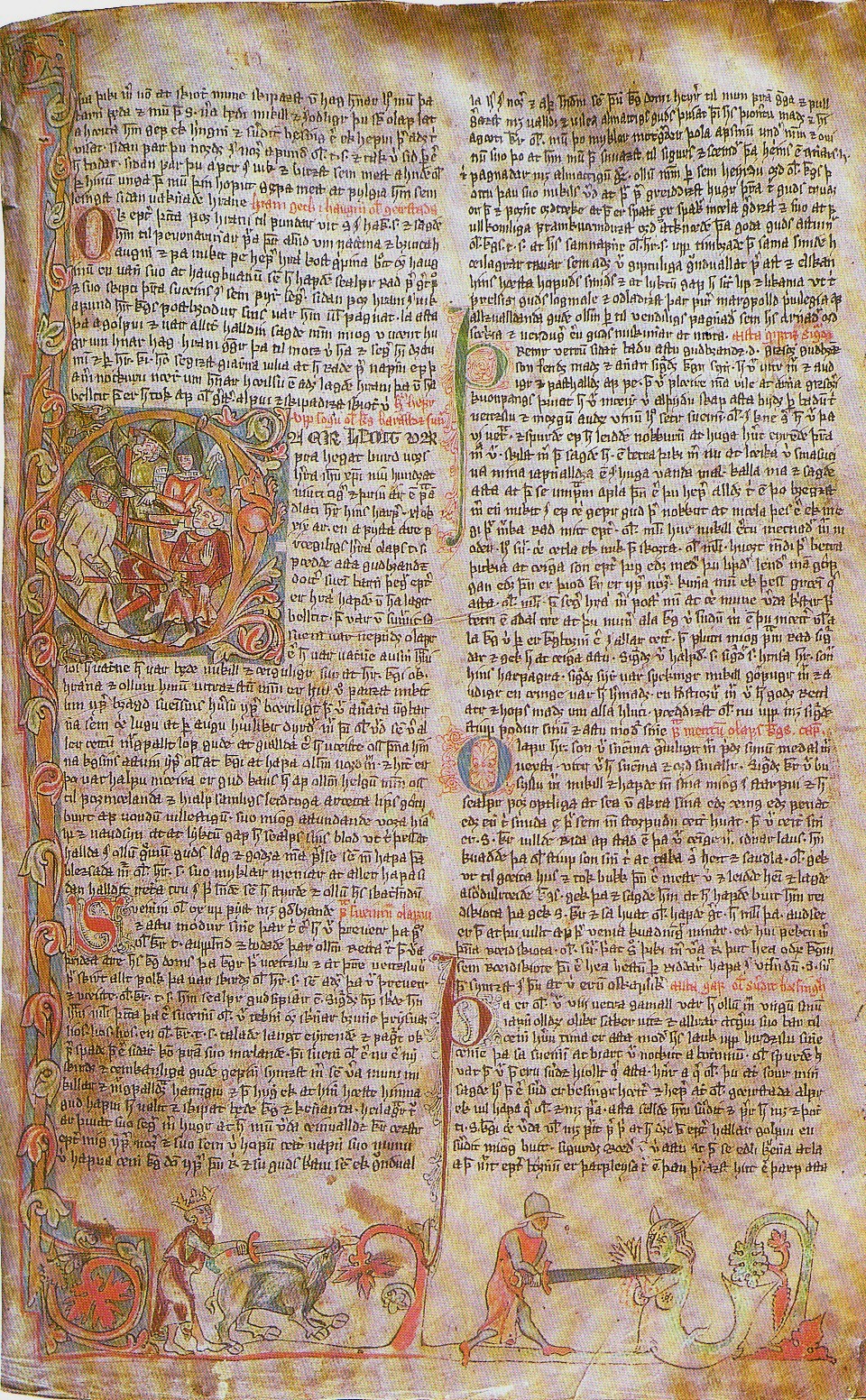
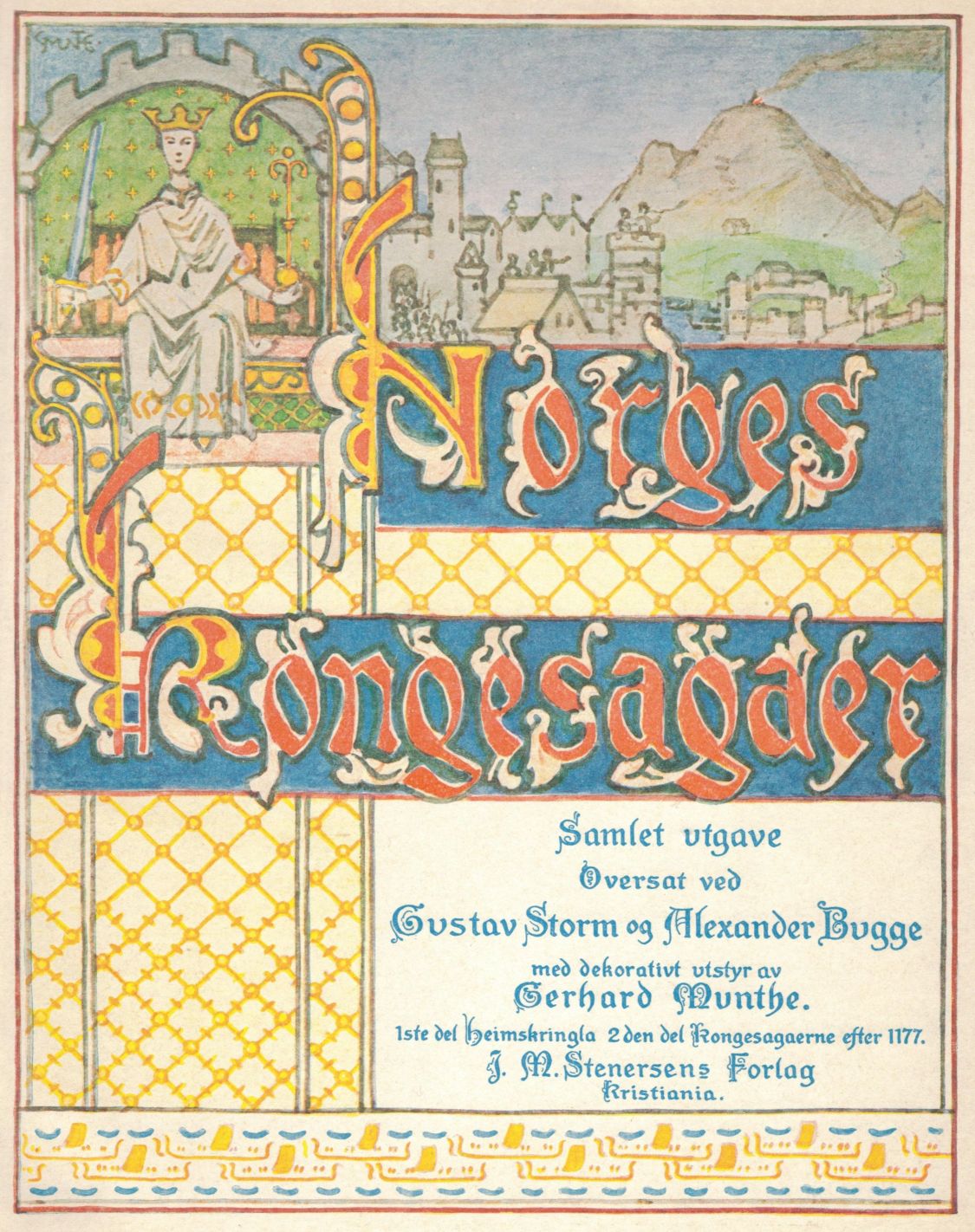
Flateyjarbók
Jón Þórðarson and Magnús Þórhallsson · 1387–1394
 Book
Secondary source
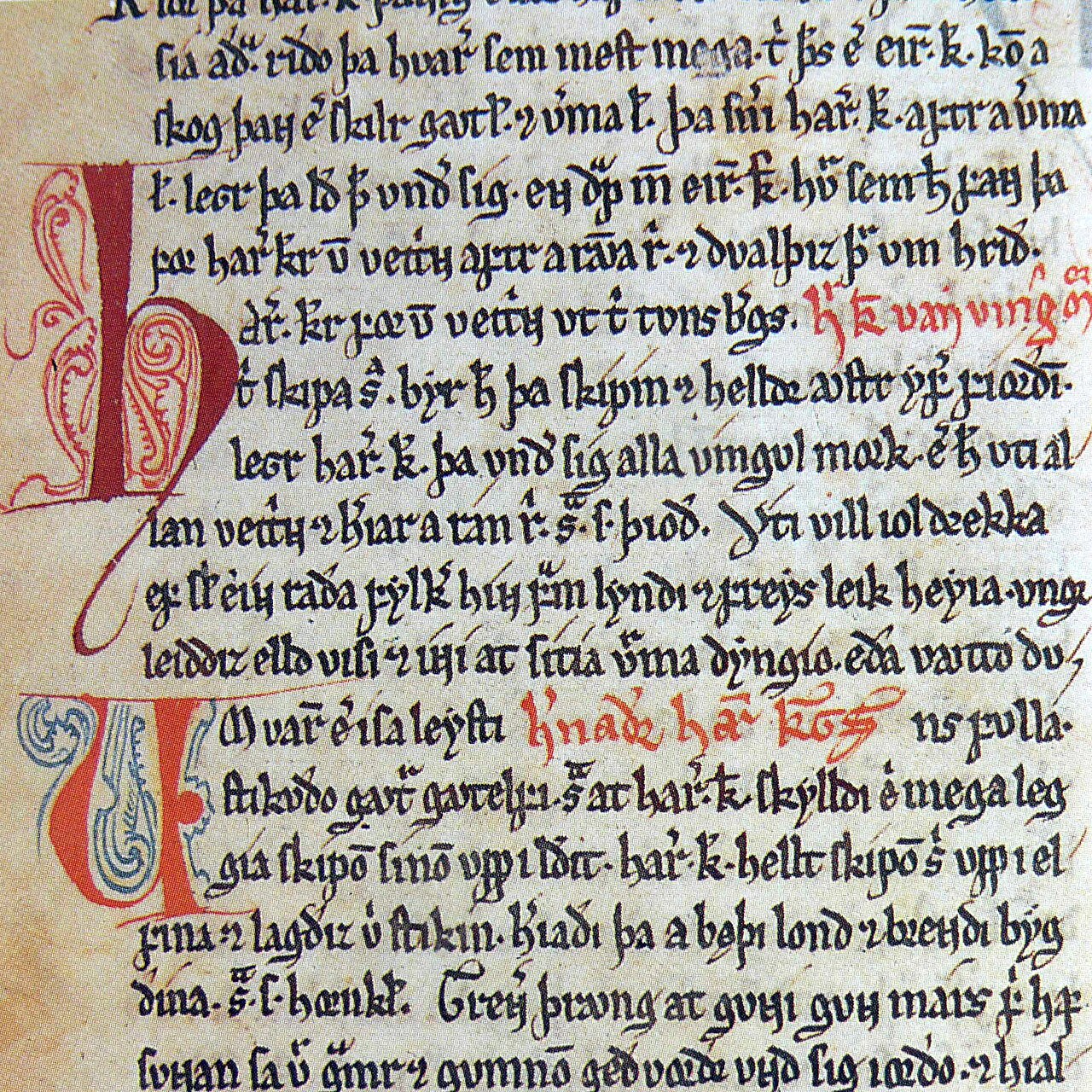
Heimskringla
Snorri Sturluson · c. 1230
Free account
Browse every Olaf Tryggvason source
Sign up free →
Ready when you are
Start chatting with Olaf Tryggvason now.
20 messages free · No credit card · Available in 50+ languages.