


Primary sourceArtifact1932
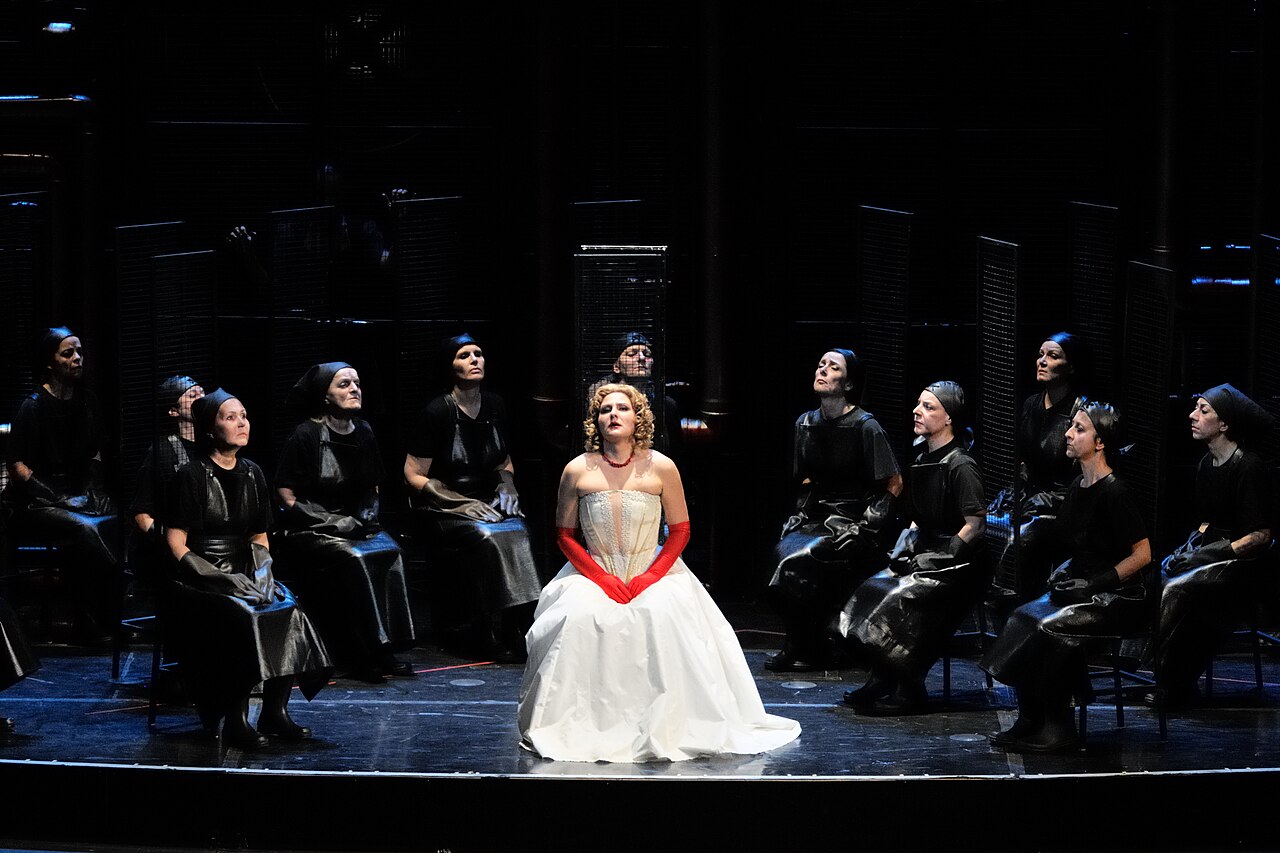
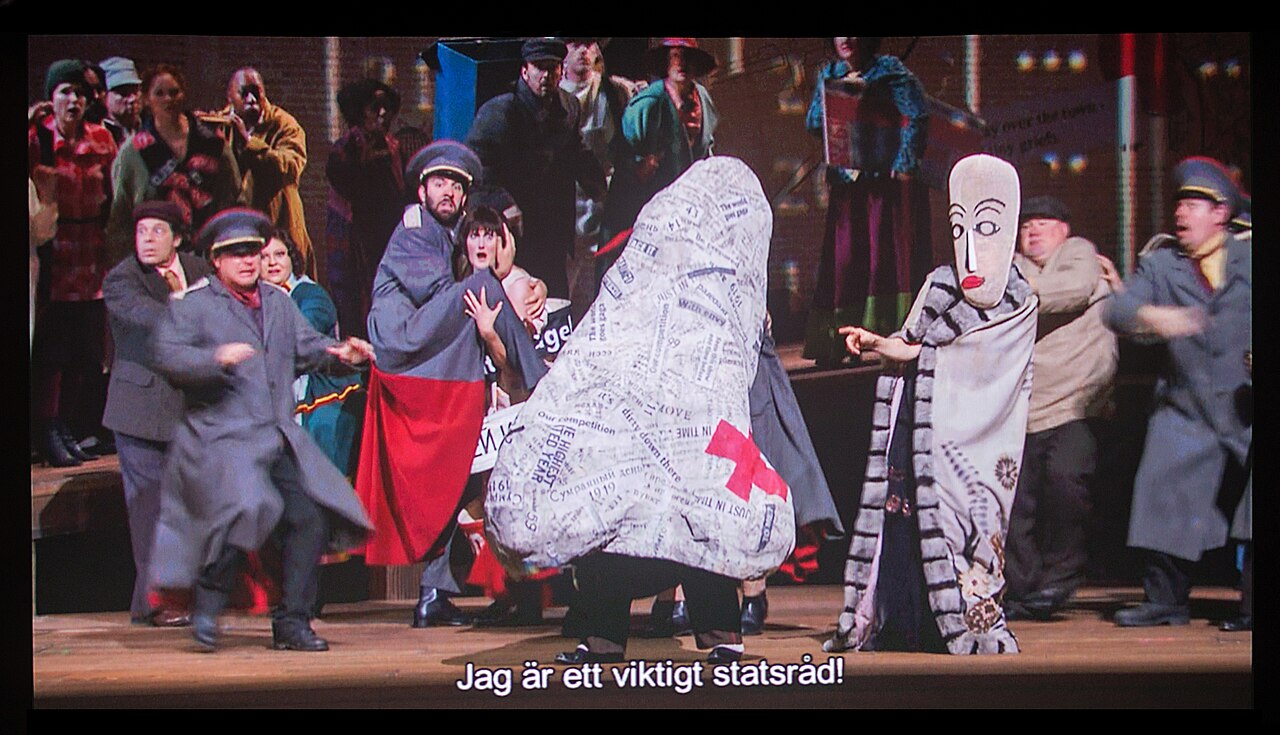
Lady Macbeth of the Mtsensk District
Dmitri Shostakovich · 1932
An opera by Dmitri Shostakovich whose early success and sudden condemnation after Stalin attended a performance became a turning point in his career.
Shostakovich composed this opera; its condemnation after Stalin's attendance reshaped his career.
About this source
What it is
Lady Macbeth of the Mtsensk District is an opera in four acts by Dmitri Shostakovich, with a libretto he wrote with Alexander Preis based on a novella by Nikolai Leskov. It premiered in Leningrad in 1934 and tells the story of a woman in 19th-century Russia who falls into adultery and murder.
Why it matters
The opera was first praised as a triumph of Soviet music and performed hundreds of times at home and abroad. After Stalin attended a performance in January 1936, it was suddenly denounced, and performances stopped for decades. The work shows both the creative freedom composers briefly enjoyed and how quickly that freedom could be crushed by political power.
Look closer
- What does the story's subject matter suggest about why it alarmed Soviet officials?
- Why might an opera be more dangerous to a government than a private diary or letter?
- How did the opera's reception change between 1934 and 1936, and what does that tell you about Soviet cultural politics?
This artifact is part of the curated material that grounds the AI version of Dmitri Shostakovich on Humy.ai — when students ask about related events, the AI can quote it and cite it.
More Dmitri Shostakovich sources
Browse all 64 →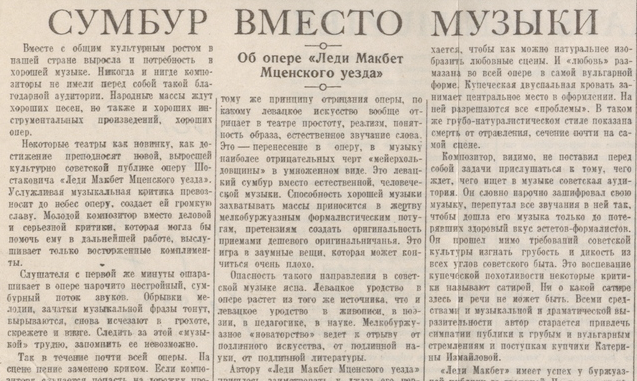 Newspaper article
Primary source
Muddle Instead of Music
28 January 1936
Primary source
Recording of the Voice of Dmitri Shostakovich
Dmitri Shostakovich · September 1941
 Photograph
Primary source
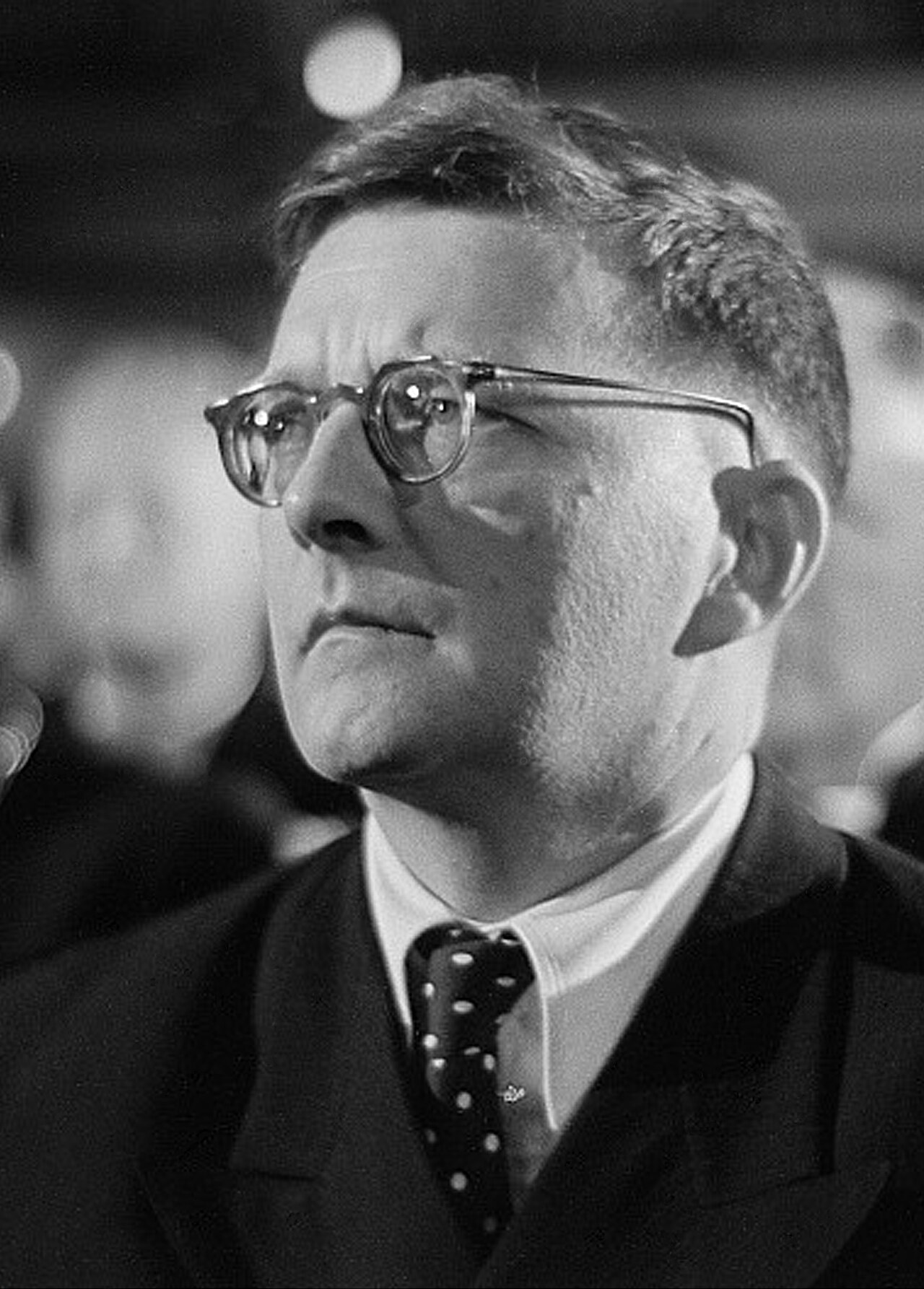
Portrait of Dmitri Shostakovich
Roger & Renate Rössing · 28 July 1950
 Photograph
Primary source
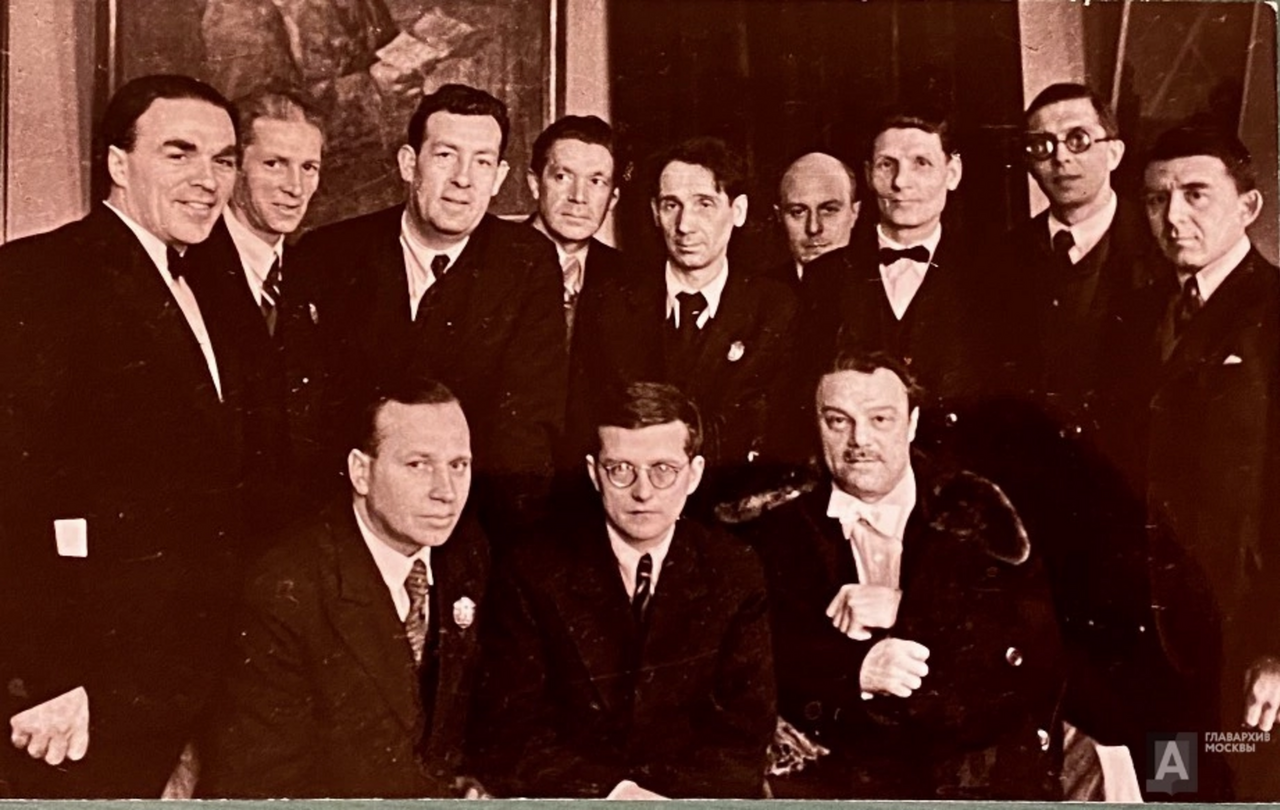
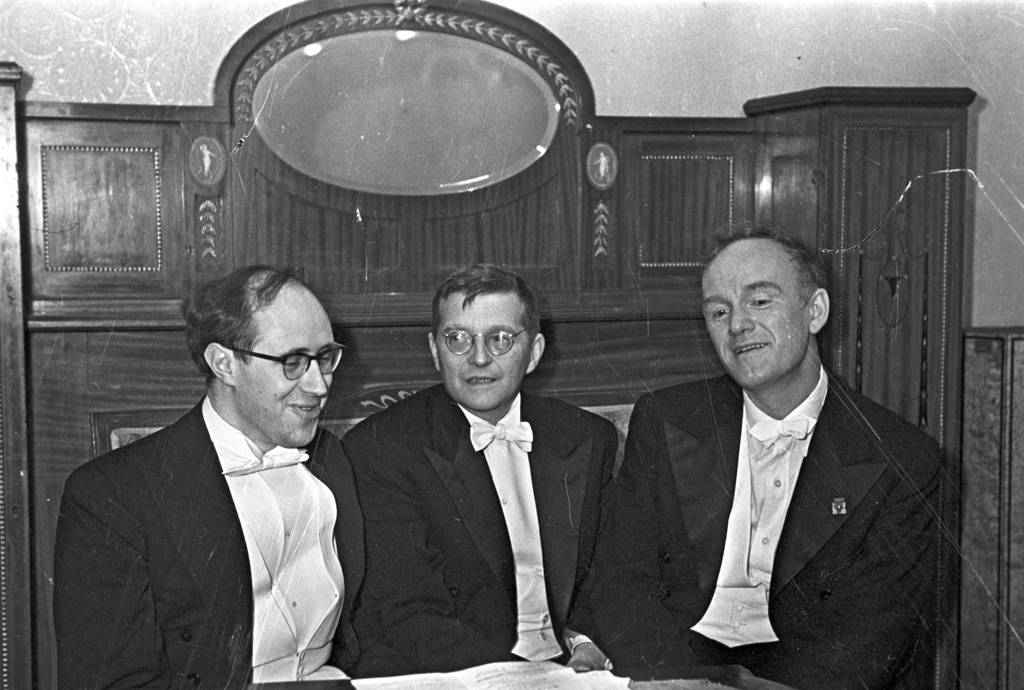
Dmitry Shostakovich at the Premiere of the 7th Symphony
Главархив Москвы · 29 March 1942
Free account
Read every Dmitri Shostakovich source
Sign up free →
Ready when you are
Start chatting with Dmitri Shostakovich now.
20 messages free · No credit card · Available in 50+ languages.