


Secondary sourceSculptureuncertain, Hellenistic to early Imperial period
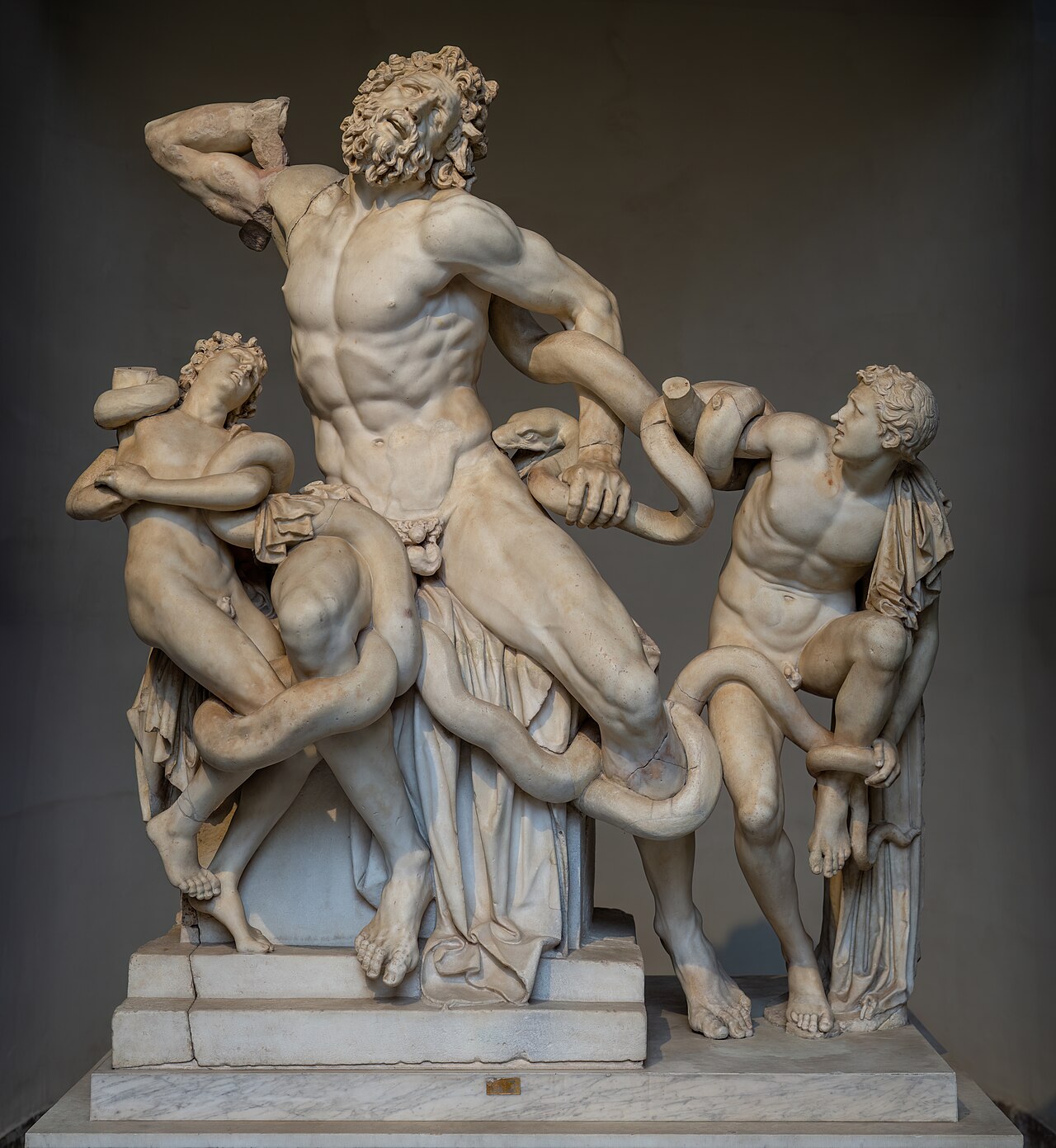
Laocoön and His Sons
Athanadoros · uncertain, Hellenistic to early Imperial period
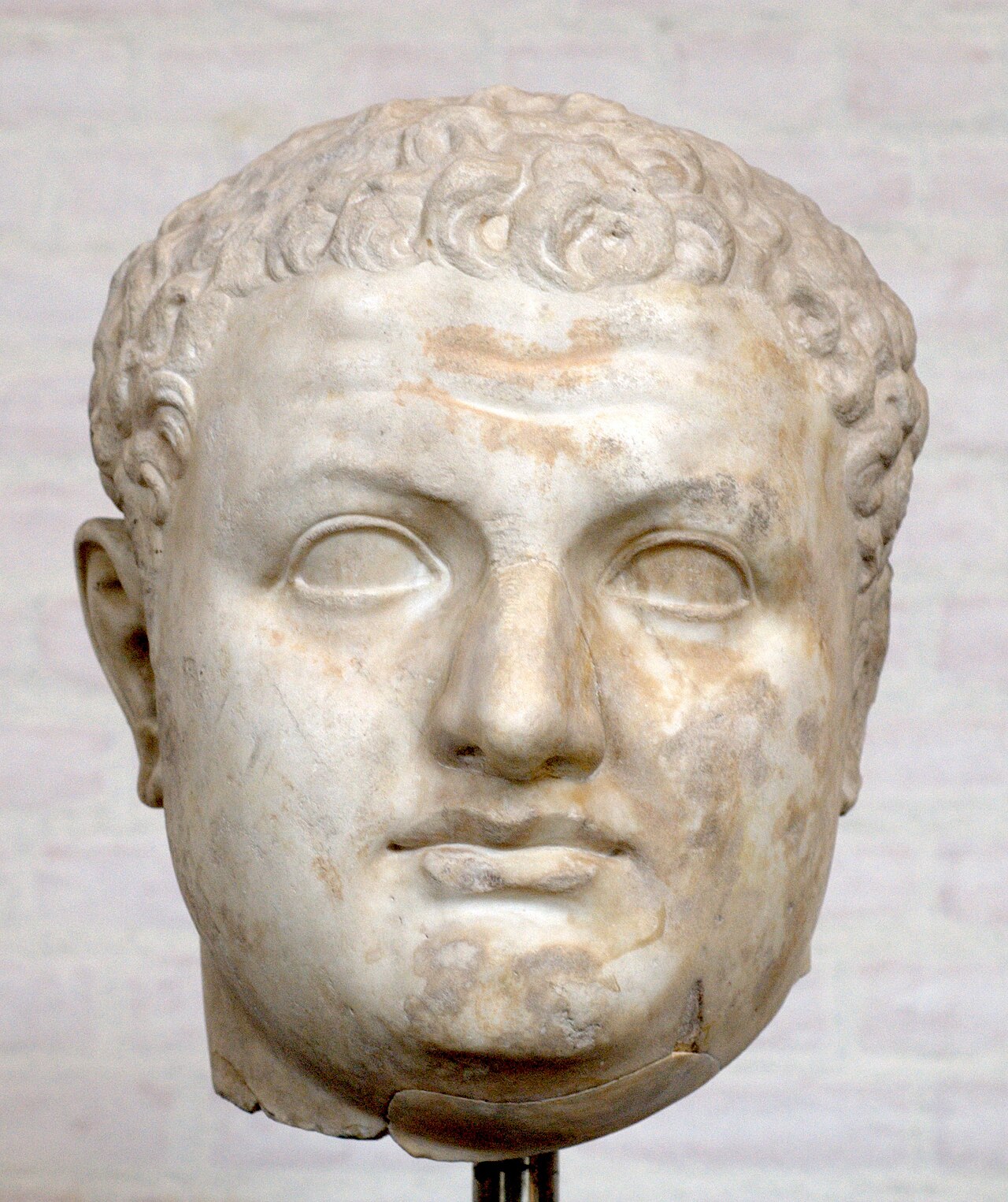
An ancient marble sculpture that, according to Pliny the Elder, once stood in the palace of Emperor Titus.
Pliny the Elder recorded that this sculpture stood in Titus's palace, linking it to his household's art collection.
About this source
What it is
This marble sculpture, attributed by the Roman writer Pliny the Elder to Greek sculptors from Rhodes, shows the Trojan priest Laocoön and his two sons being attacked by sea serpents. It was excavated in Rome in 1506 and is now displayed in the Museo Pio-Clementino at the Vatican.
Why it matters
Pliny recorded that the sculpture stood in the palace of Emperor Titus, making it evidence of the art collected by his household. Although its exact date and original patron remain uncertain, it shows the taste for dramatic Greek-style sculpture among Rome's imperial elite.
Look closer
- What does owning a work like this suggest about the wealth and taste of an emperor's household?
- How does the sculptor use the twisting bodies and faces to show suffering?
- What do we not know about this sculpture's origin, and why does that matter?
This sculpture is part of the curated material that grounds the AI version of Titus and Pliny the Elder on Humy.ai — when students ask about related events, the AI can quote it and cite it.
More Titus sources
Browse all 98 →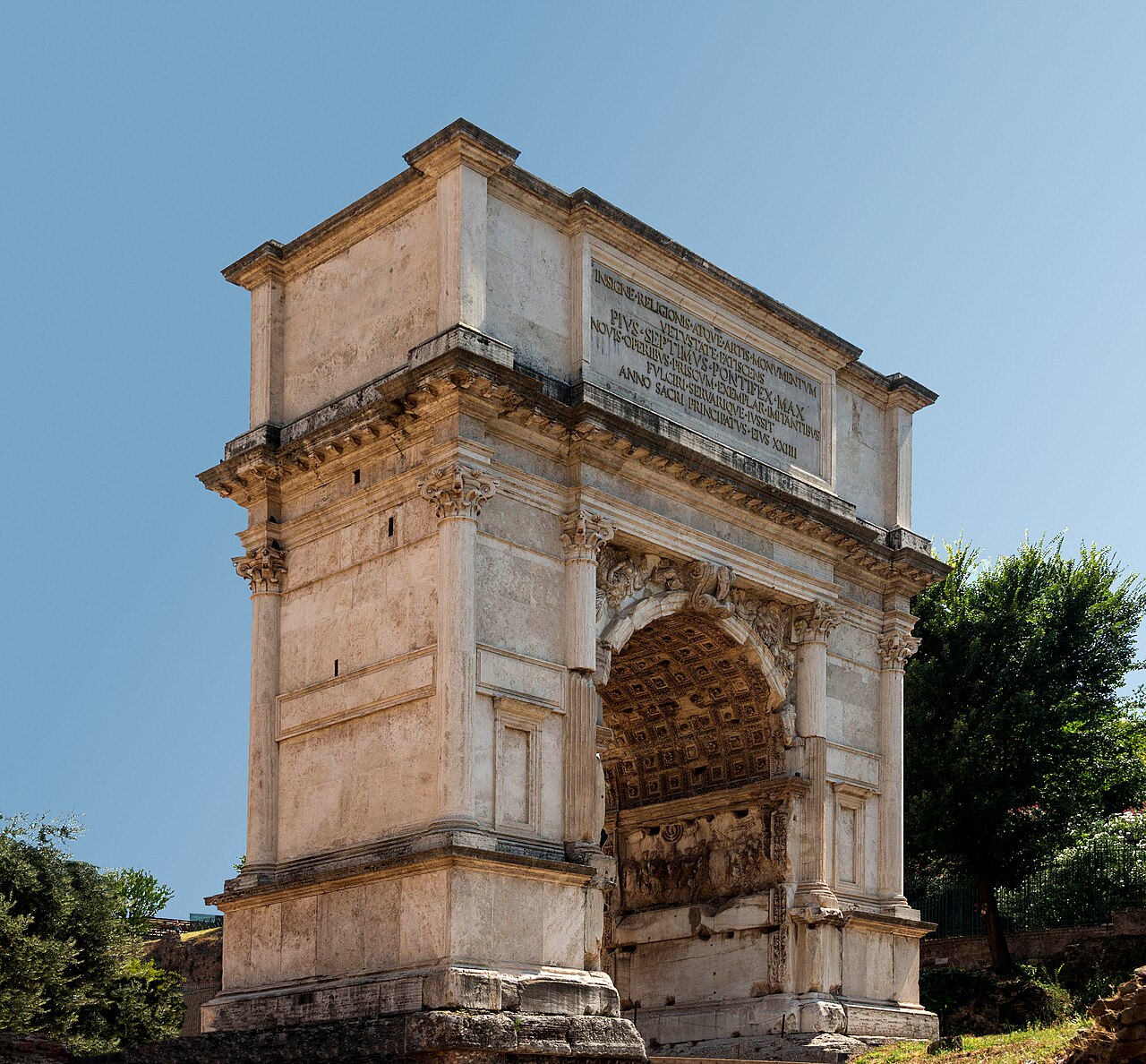 Artifact
Primary source
Arch of Titus
Rabirius · c. 81–82 AD
 Sculpture
Secondary source
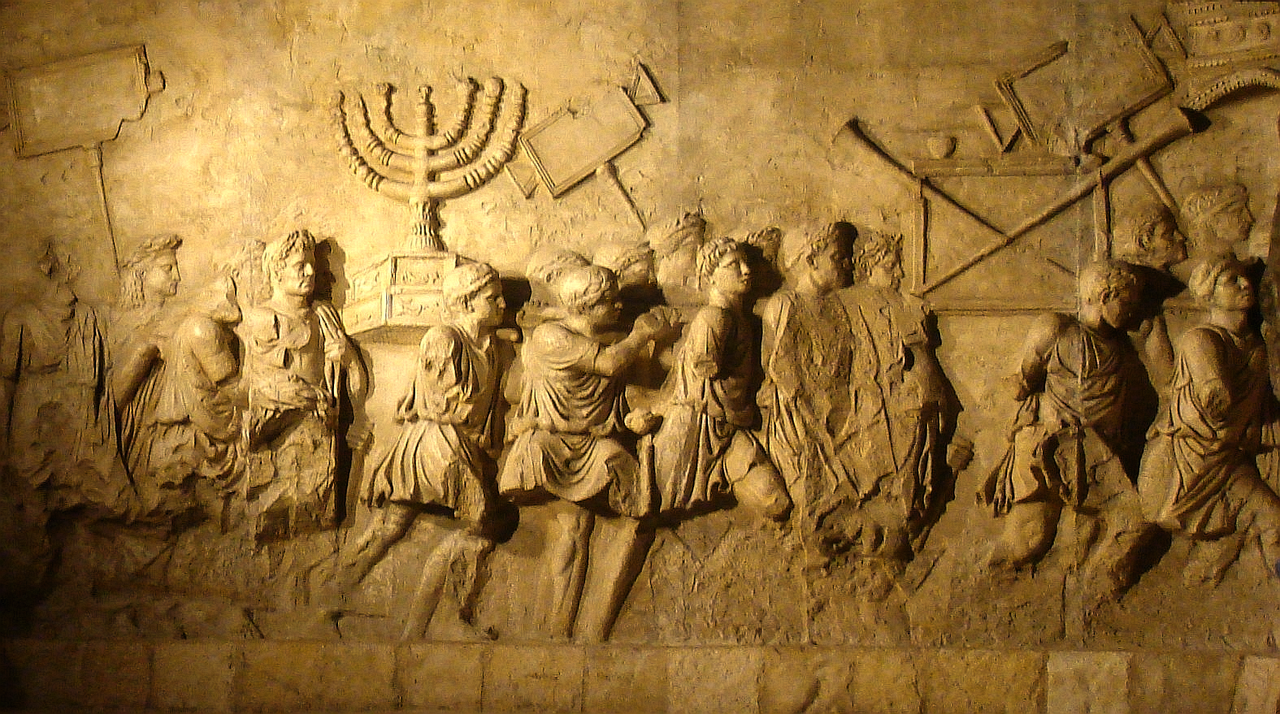
Spoils of Jerusalem Relief (Menorah Panel)
Roman sculptors under Domitian · c. 81–82 AD
 Book
Secondary source
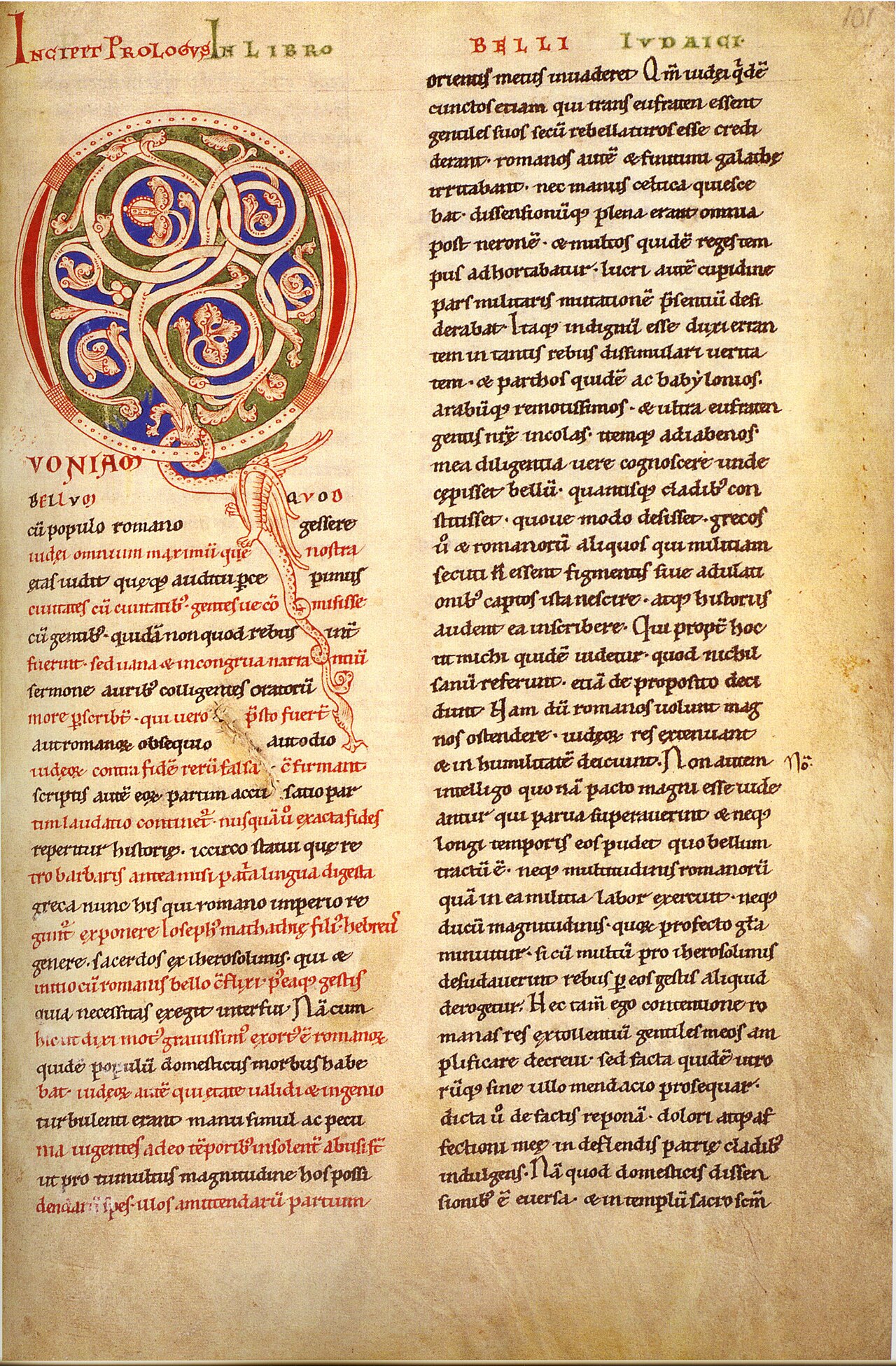
The Jewish War
Josephus · c. AD 75
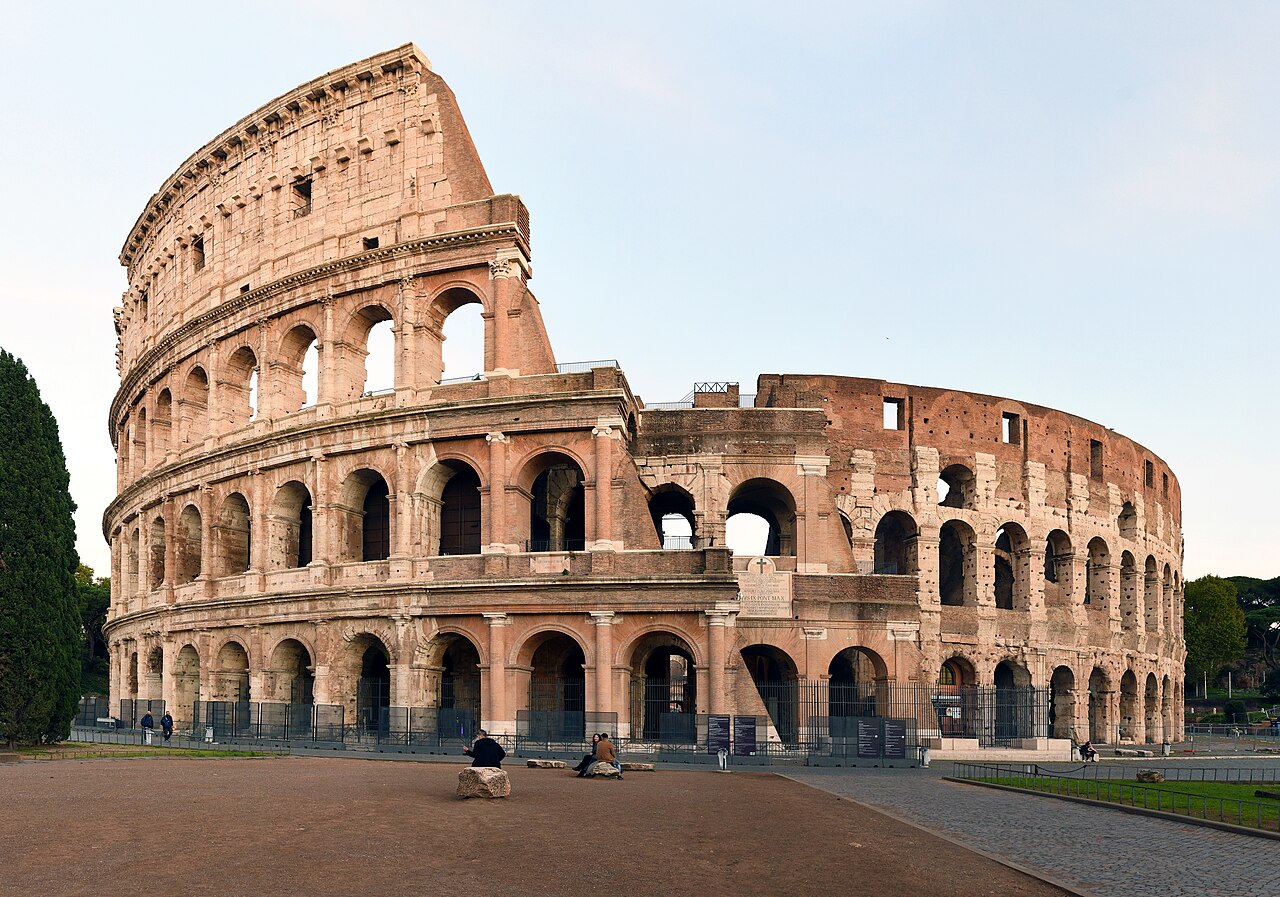 Artifact
Primary source
Colosseum
begun 72 AD, completed 80 AD
Free account
Read every Titus source
Sign up free →
Ready when you are
Start chatting with Titus now.
20 messages free · No credit card · Available in 50+ languages.