


Primary sourceDocument13 May 1888
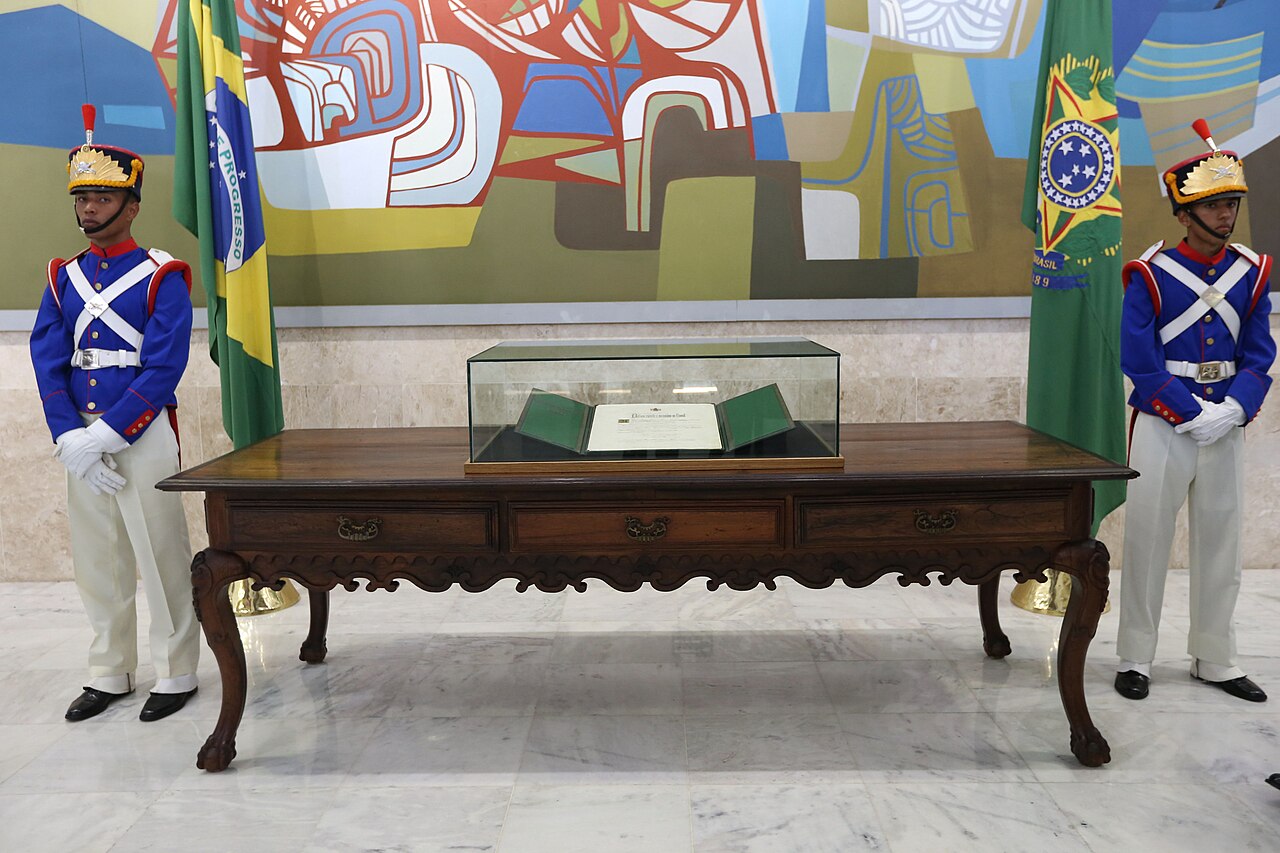
Lei Áurea (Golden Law)
Rodrigo Augusto da Silva · 13 May 1888
The 1888 law that abolished slavery in Brazil, signed by Princess Isabel as regent while Pedro II was in Europe.
Completed the abolition of slavery long associated with Pedro II's reign, though signed by regent Isabel in his absence.
Free Humy account · No credit card · 53,307 sources to read
About this source
What it is
The Lei Áurea, or Golden Law, was signed on 13 May 1888 by Princess Isabel, acting as regent in the name of Emperor Pedro II, who was abroad in Europe at the time. In two brief articles, it declared slavery extinct in Brazil.
Why it matters
Brazil was the last country in the Americas to abolish slavery, after centuries in which its economy depended heavily on enslaved labor. The law followed earlier gradual measures, such as the Law of Free Birth, and completed an abolition long associated with Pedro II's reign, even though he did not sign it himself. The law freed enslaved people without compensation to them or to slaveowners, leaving freed people to face a difficult transition without state support.
Look closer
- Why might it matter that Pedro II was not in Brazil when this law was signed?
- What does the short, unconditional wording of the law tell you about the intentions behind it?
- What does the law leave out — what happened to freed people after 13 May 1888?
This document is part of the curated material that grounds the AI version of Pedro II of Brazil on Humy.ai — when students ask about related events, the AI can quote it and cite it.
More Pedro II of Brazil sources
Browse all 96 →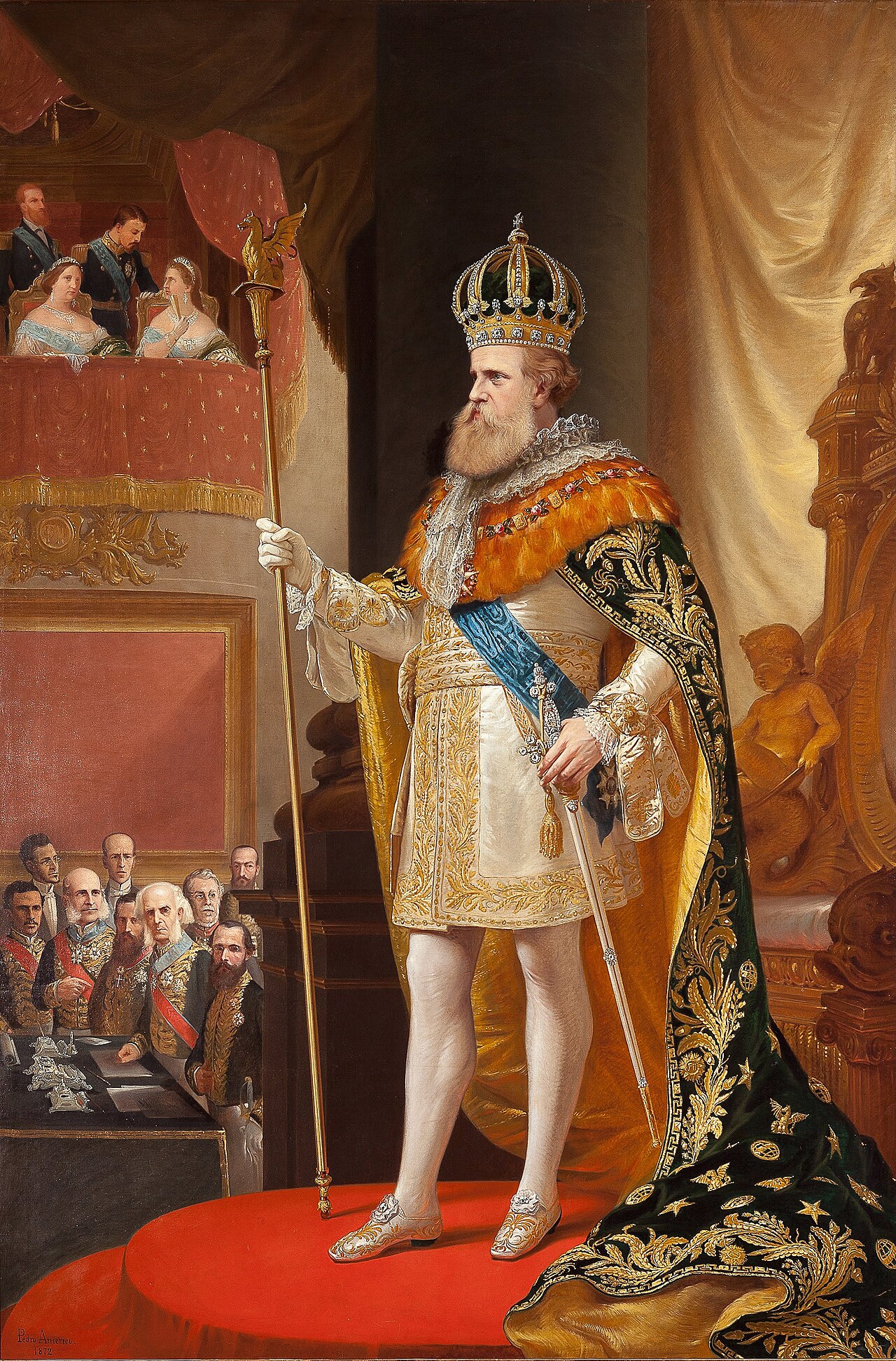 Painting
Secondary source
The Emperor's Speech from the Throne
Pedro Américo · 1872
 Painting
Secondary source
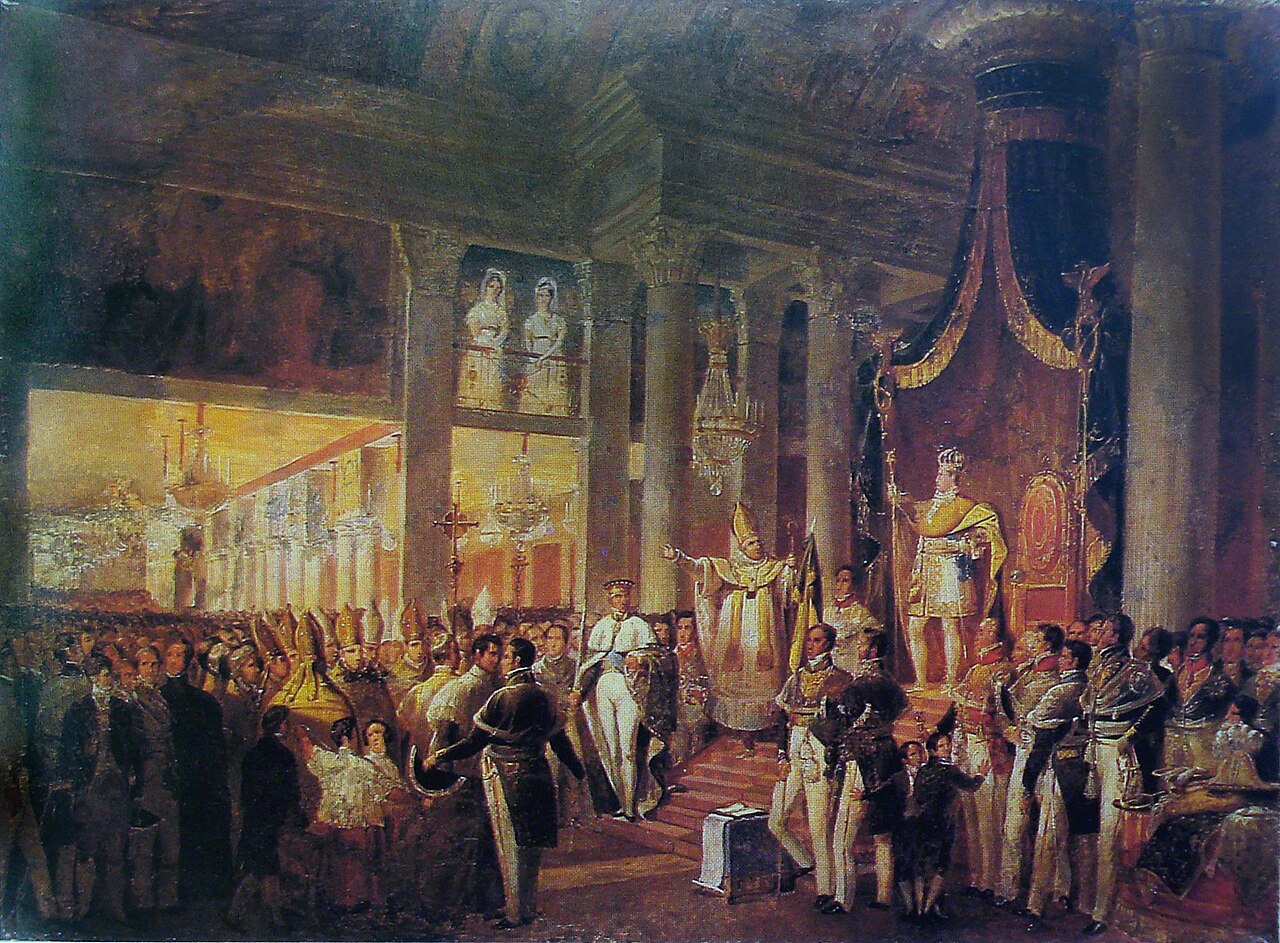
Coronation of Pedro II
Manuel de Araújo Porto-Alegre · 1845
 Photograph
Primary source
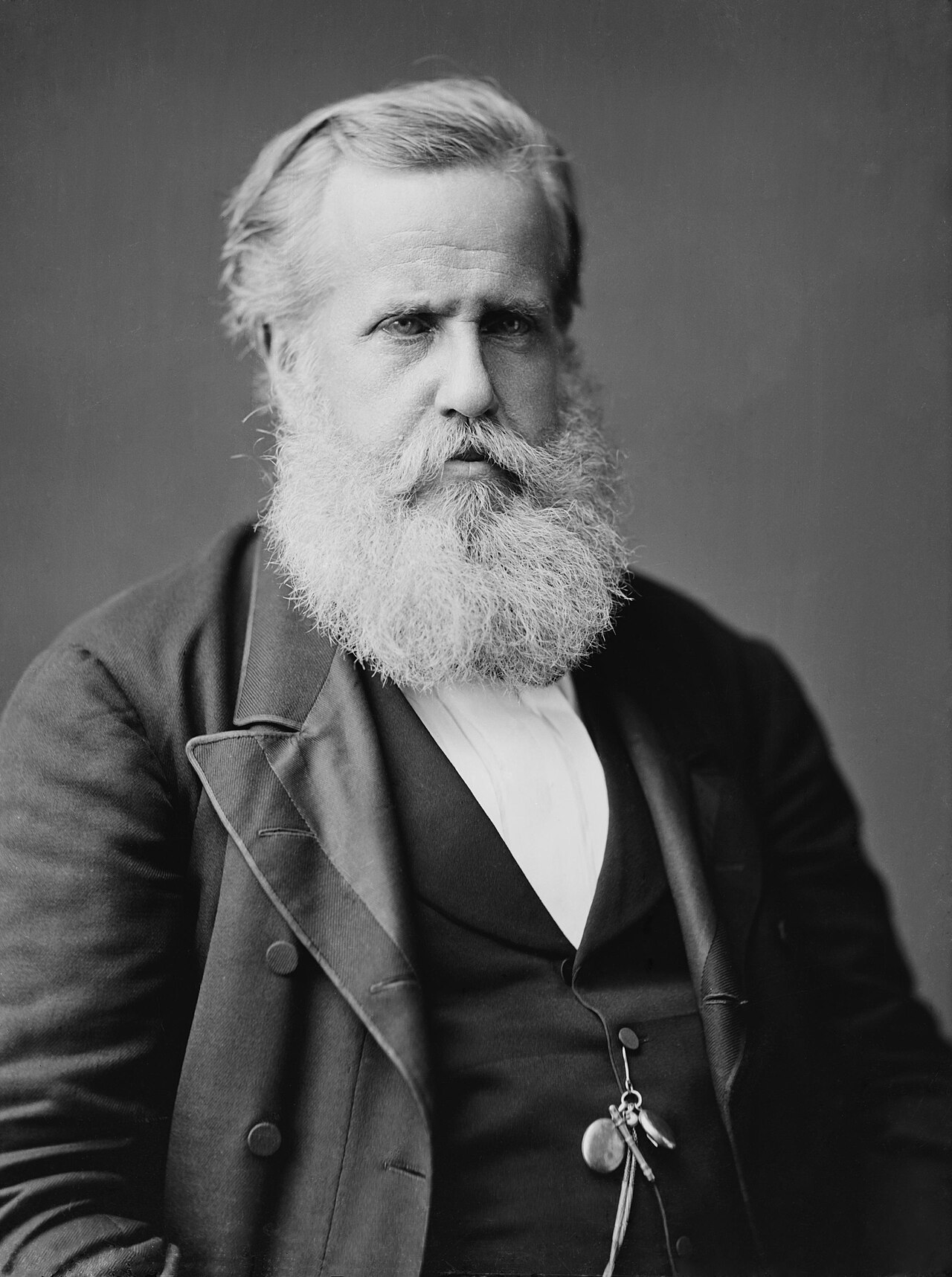
Pedro II of Brazil, Brady-Handy Portrait
Mathew Benjamin Brady / Levin Corbin Handy · 1876
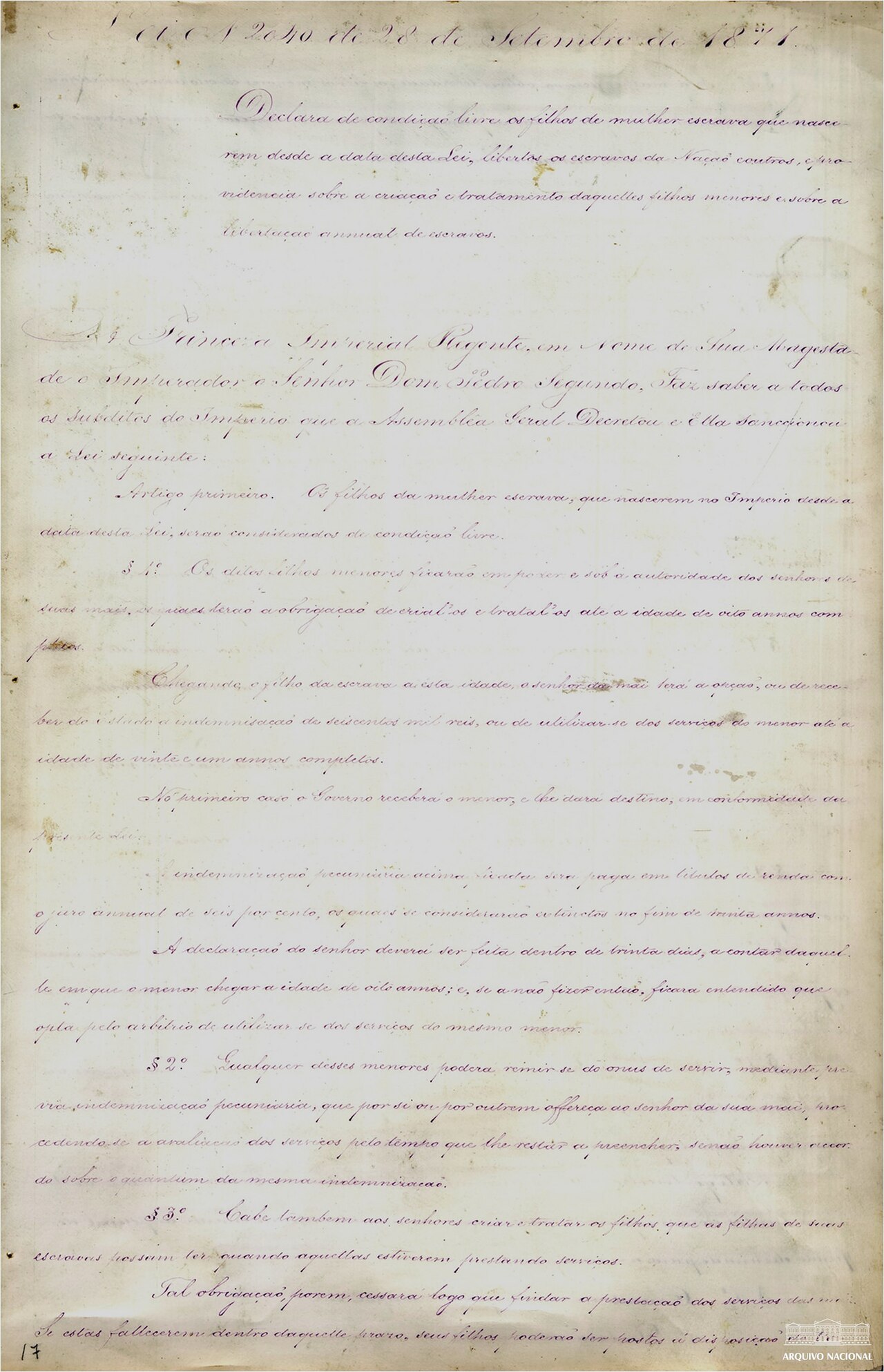 Document
Primary source
Law of Free Birth
José Paranhos, Viscount of Rio Branco · 28 September 1871
Free account
Browse every Pedro II of Brazil source
Sign up free →
Ready when you are
Start chatting with Pedro II of Brazil now.
20 messages free · No credit card · Available in 50+ languages.