


Primary sourceBook1833
Lélia
George Sand · 1833
George Sand's scandalous early novel exploring female sexual frustration and religious doubt, which shaped her reputation as a daring Romantic writer.
Her most scandalous early novel, which cemented her public image as a daring and controversial Romantic writer.
Free Humy account · No credit card · 120,912 sources to read
About this source
What it is
Lélia is a novel written by George Sand, published in 1833, following her earlier novels Indiana and Valentine. In a later preface, Sand described writing it without any fixed plan or literary school in mind, originally intending it only for herself.
Why it matters
The novel's frank treatment of female desire and doubts about religion was shocking for its time and fixed Sand's reputation as a provocative, dangerous Romantic author. It shows how far she was willing to push against the conventions expected of women writers in early nineteenth-century France.
Look closer
- Why might a writer say a book was meant "only for myself," and what does that suggest about her intentions versus its public reception?
- What risks did Sand take by writing so openly about female desire and doubt?
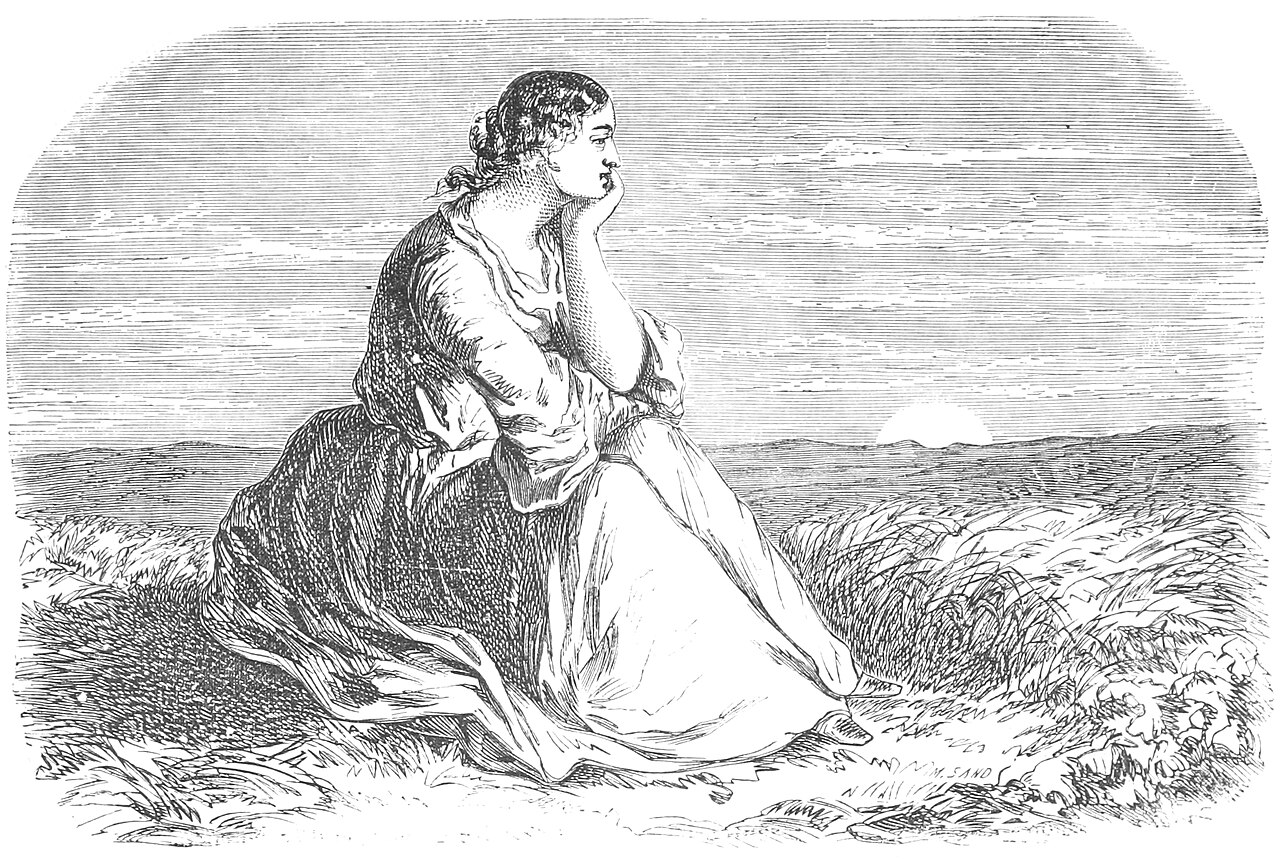
- How might the illustration of the novel's heroine shape a reader's first impression of the story?
This book is part of the curated material that grounds the AI version of George Sand on Humy.ai — when students ask about related events, the AI can quote it and cite it.
More George Sand sources
Browse all 92 →Primary source
Indiana
George Sand · 1832
Primary source
Histoire de ma vie
George Sand · 1854-1855
 Book
Primary source
La Mare au diable
George Sand · 1846
 Painting
Primary source
Portrait of Frédéric Chopin and George Sand
Eugène Delacroix · 1837-1838
Free account
Read every George Sand source
Sign up free →
Ready when you are
Start chatting with George Sand now.
20 messages free · No credit card · Available in 50+ languages.