


Primary sourceSpeech1908
Leo Tolstoy Reads from A Calendar of Wisdom
Leo Tolstoy · 1908
An audio recording of Tolstoy himself reading passages from his book of moral reflections, made in 1908.
Tolstoy's own recorded voice reading from his own book of moral philosophy near the end of his life.
About this source
What it is
This is an audio recording from 1908 of Leo Tolstoy reading aloud from his own anthology of moral writings, known as A Calendar of Wisdom (also called For Every Day). The recording preserves his actual voice.
Why it matters
Tolstoy spent his later years focused on questions of ethics, self-improvement, and the purpose of life, ideas he gathered into this anthology. Hearing him speak these words directly connects students to his own convictions about self-perfection and moral duty, in his own voice rather than through a biography.
Look closer
- What tone or feeling do you notice in how Tolstoy reads these words?
- Why might Tolstoy have wanted to record himself reading this text rather than just publishing it?
- How does hearing his voice change how you think about his ideas compared to reading them?
This speech is part of the curated material that grounds the AI version of Leo Tolstoy on Humy.ai — when students ask about related events, the AI can quote it and cite it.
More Leo Tolstoy sources
Meet the AI Leo Tolstoy →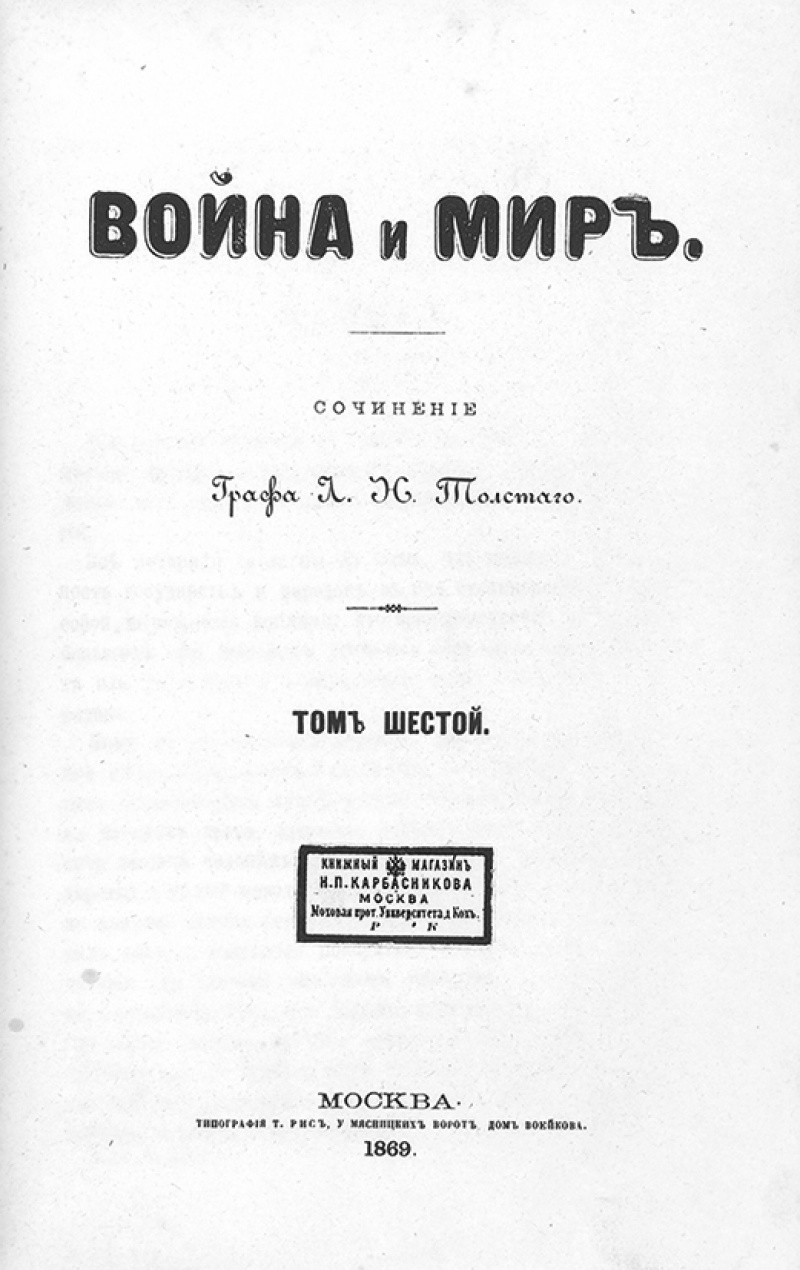 Book
Primary source
War and Peace
Leo Tolstoy · 1863–1869
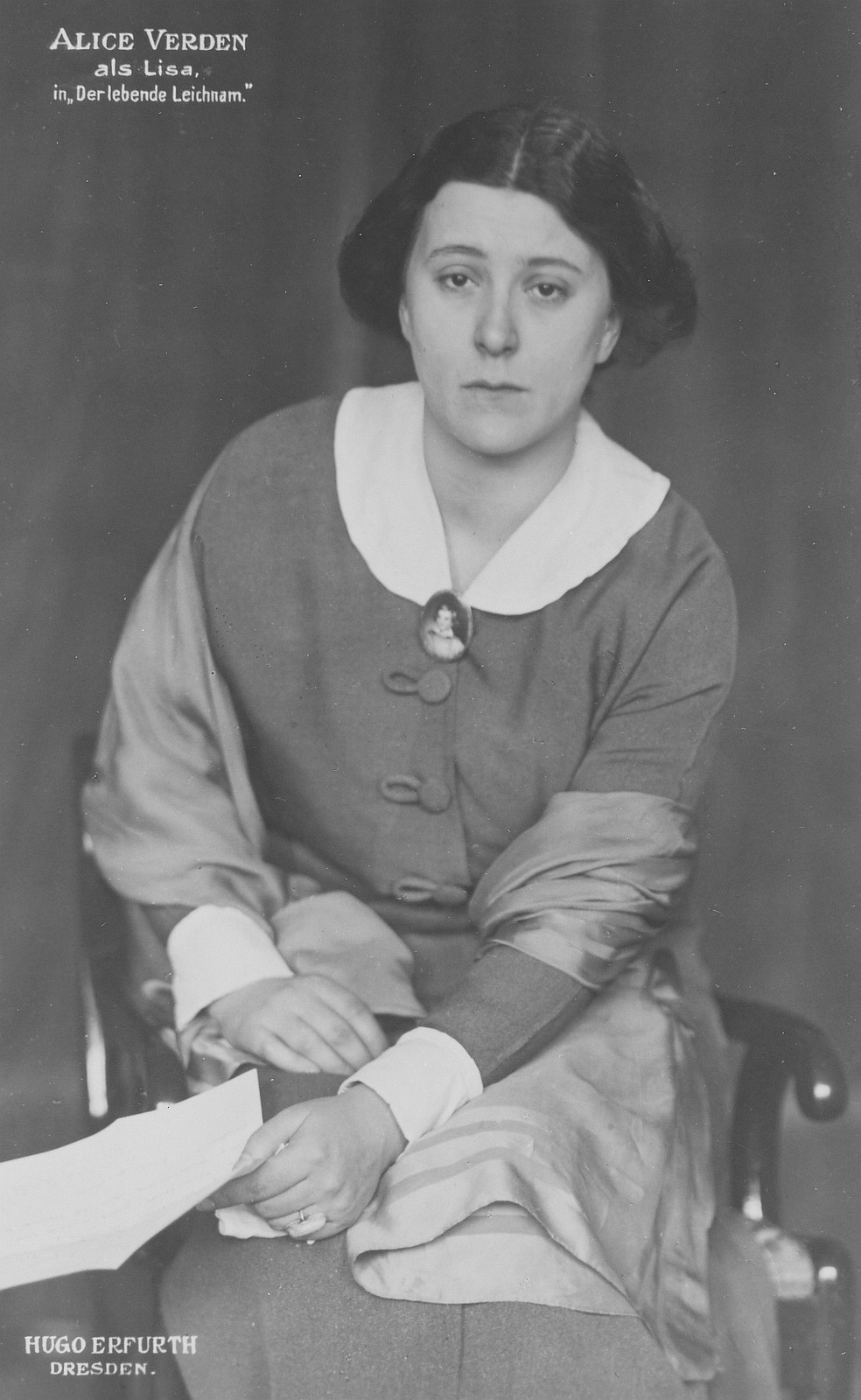 Photograph
Secondary source
Alice Verden as Lisa in The Living Corpse
Hugo Erfurth · 23 December 1913
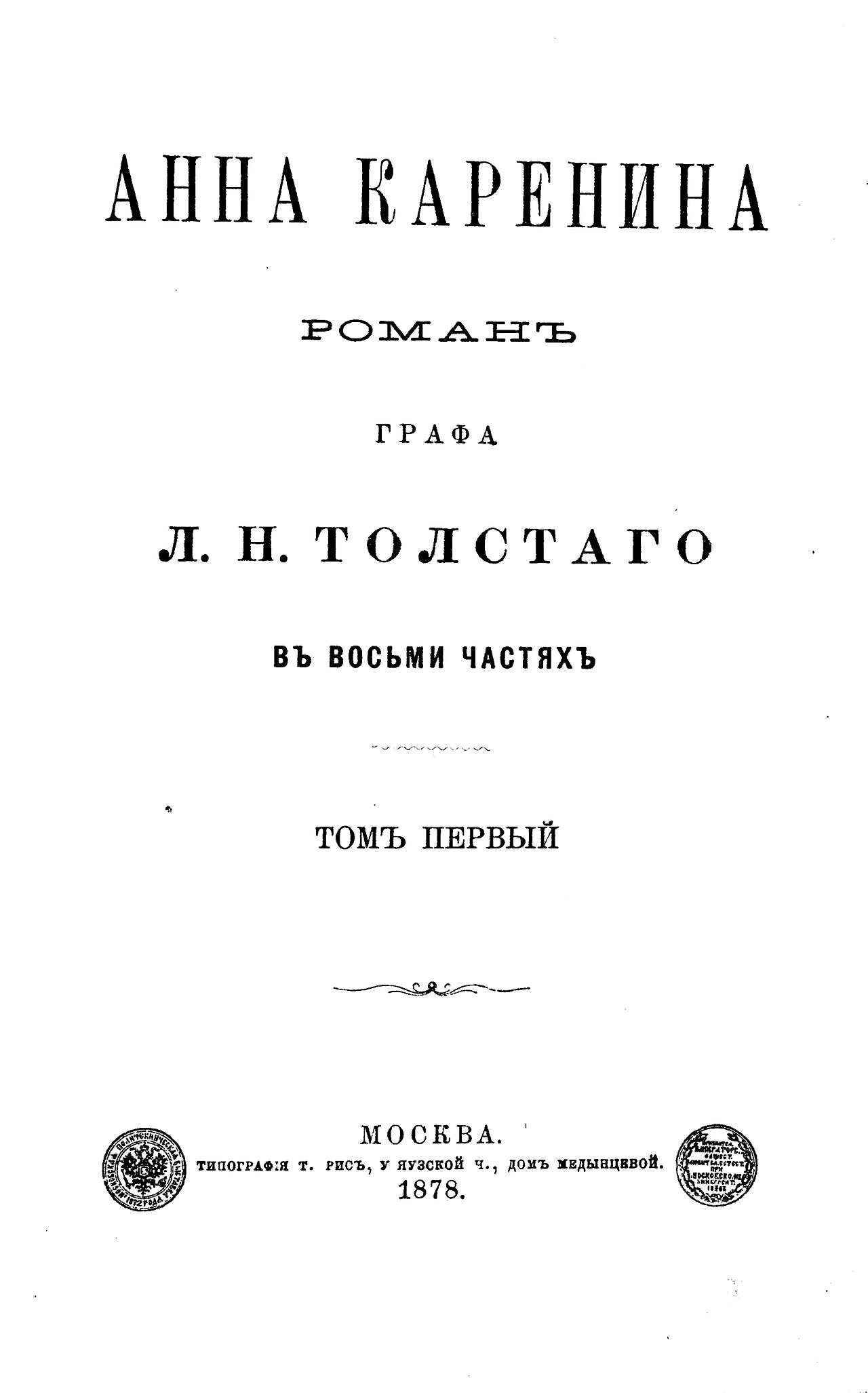 Book
Primary source
Anna Karenina
Leo Tolstoy · 1875–1878
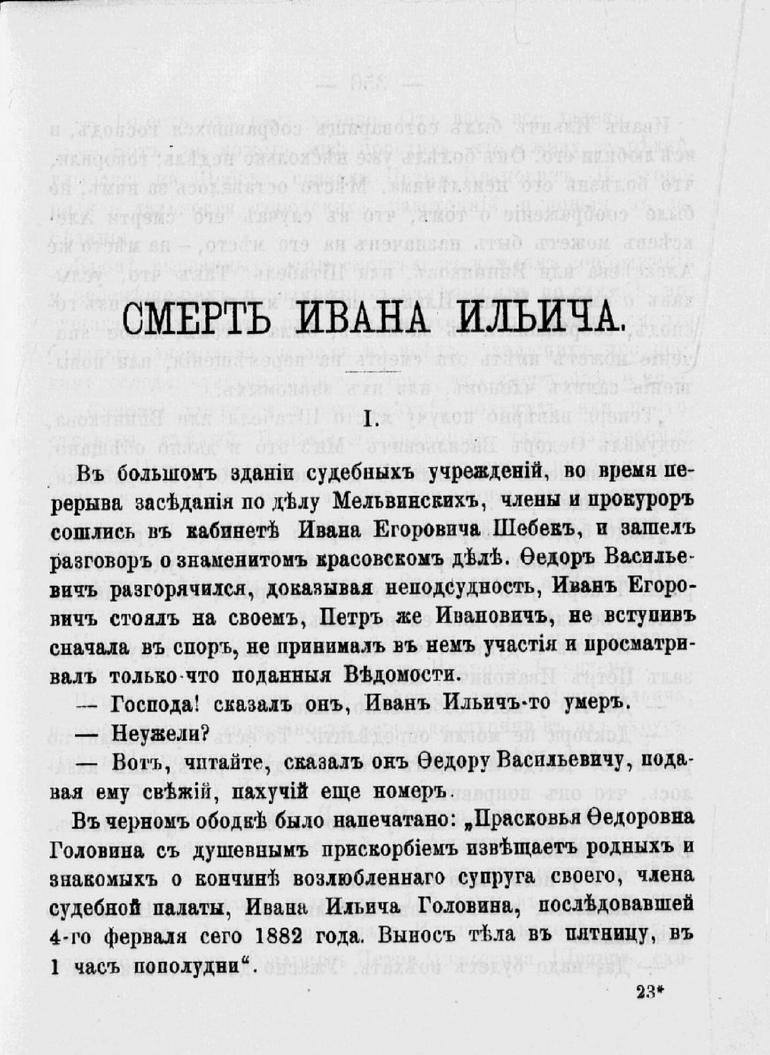 Book
Primary source
The Death of Ivan Ilyich
Leo Tolstoy · 1886 (written 1882)
Primary source
A Confession
Leo Tolstoy · written 1879–1880, published 1882
Ready when you are
Start chatting with Leo Tolstoy now.
20 messages free · No credit card · Available in 50+ languages.