


Primary sourceLetter1 March 1866
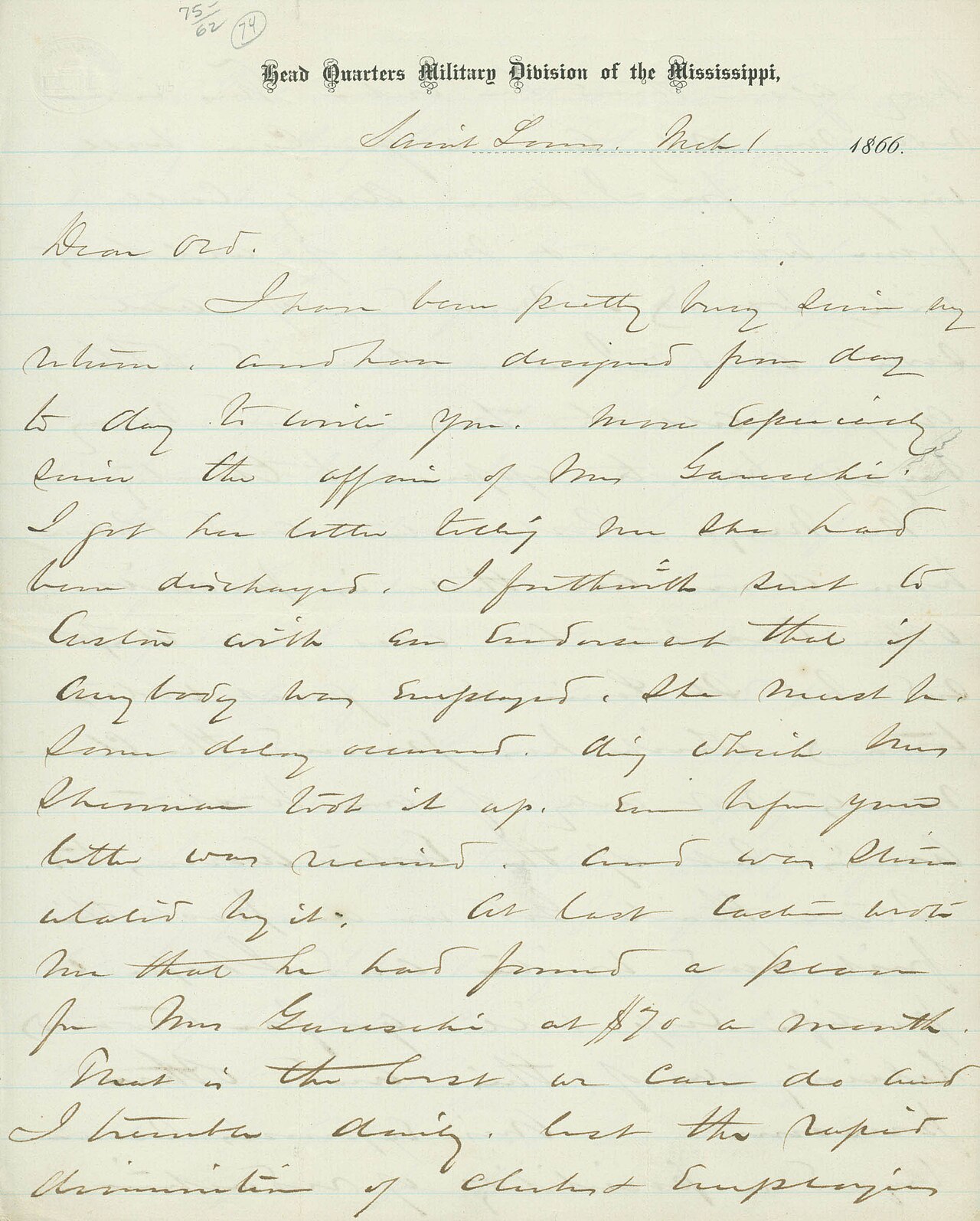
Letter signed W.T. Sherman to E.O.C. Ord, March 1, 1866
William Tecumseh Sherman · 1 March 1866
A handwritten letter from Sherman to E.O.C. Ord from the Military Division of the Mississippi. It discusses requests from veterans and widows and the burdens emigrants placed on the army.
An official letter in which Sherman, as a division commander, writes to fellow officer E.O.C. Ord about veterans' requests and the army's burdens in the West.
About this source
What it is
This is a handwritten letter signed by William Tecumseh Sherman, written from the Head Quarters of the Military Division of the Mississippi in Saint Louis and dated March 1, 1866. It is addressed 'Dear Ord' to E.O.C. Ord. According to the Wikimedia Commons record, the letter discusses requests for help received from veterans and widows, and the burdens that emigrants heading West placed on the military. The image is a photograph of the handwritten original, which has a faint pencil mark in one corner.
Why it matters
The letter comes from the period just after the Civil War, when the army was responding to many claims from former soldiers and their families. It also shows that the army was asked to help people moving west, which added to its work. Reading it lets students see how administrative problems were handled in writing between commanders, and how the army's duties extended beyond fighting.
Look closer
- Who are the people the letter says are asking for help, and what kind of help are they asking for?
- Why might a commander write about these requests to another officer, and what might the letter leave out?
- What does the letter suggest about the army's responsibilities after the war?
This letter is part of the curated material that grounds the AI version of William Tecumseh Sherman on Humy.ai — when students ask about related events, the AI can quote it and cite it.
More William Tecumseh Sherman sources
Meet the AI William Tecumseh Sherman →Primary source
Special Field Orders No. 15
William Tecumseh Sherman · 16 January 1865
Primary source
Letter to James M. Calhoun, Mayor of Atlanta
William Tecumseh Sherman · 12 September 1864
 Book
Primary source
Memoirs of General W.T. Sherman
William Tecumseh Sherman · 1875
 Document
Primary source
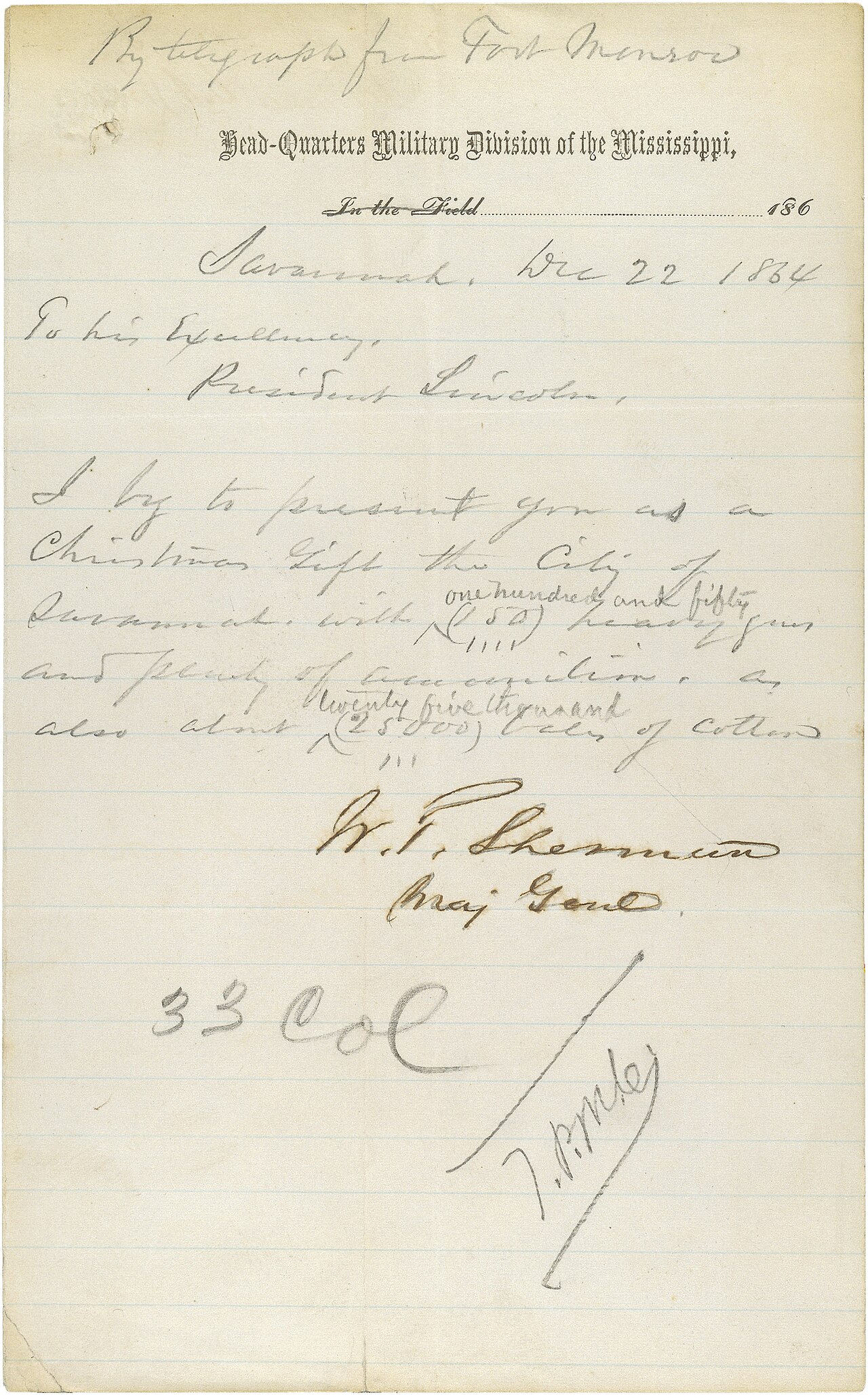
Sherman's Telegram Announcing the Capture of Savannah
William Tecumseh Sherman · 22 December 1864
 Photograph
Primary source
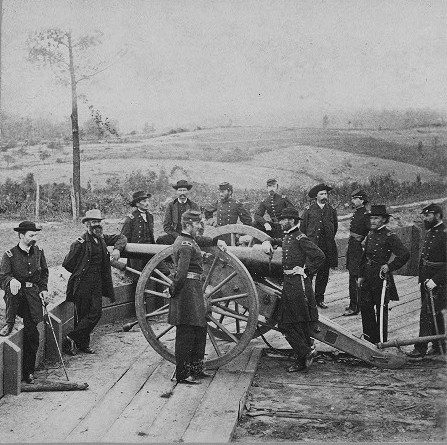
ShermanAtlanta
George N. Barnard · 18 July 1864
Ready when you are
Start chatting with William Tecumseh Sherman now.
20 messages free · No credit card · Available in 50+ languages.