


Secondary sourcePainting1816
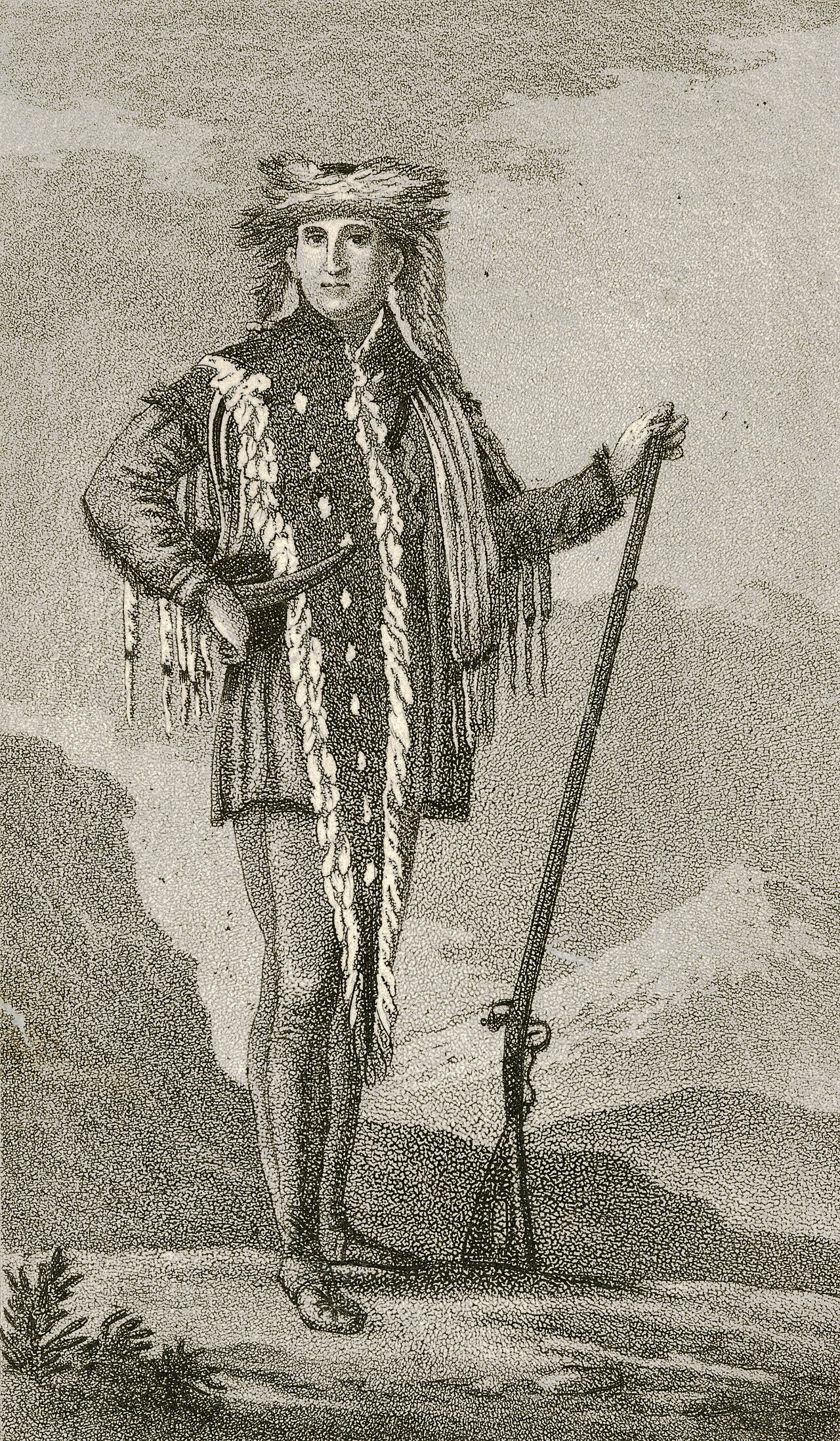
Lewis in Indian Dress (Shoshone)
Strickland after Charles Balthazar Julien Févret de Saint-Mémin · 1816
An 1816 engraving based on an earlier portrait, showing Meriwether Lewis dressed in Shoshone-style clothing.
This engraving depicts Lewis dressed in Shoshone style, shaping his public image after his death.
About this source
What it is
This stipple engraving, made by Strickland after an original portrait by Charles Balthazar Julien Févret de Saint-Mémin, was published in 1816 in the Analectic Magazine and Naval Chronicle. It shows Meriwether Lewis wearing a feathered headband and fringed, ornamented clothing associated with the Shoshone, standing outdoors with a rifle beside him.
Why it matters
This image, created after Lewis's death, helped shape how the American public remembered him—as a frontier explorer connected to Native cultures he encountered. Saint-Mémin's original portrait and this later engraving show how artists and publishers built Lewis's public image for a wide audience.
Look closer
- Why might Lewis have been shown wearing clothing associated with the Shoshone rather than his military uniform?
- What might this image tell us about how Americans in 1816 wanted to remember Lewis?
- What does this image not tell us about Lewis's actual relationship with the Shoshone?
This painting is part of the curated material that grounds the AI version of Meriwether Lewis on Humy.ai — when students ask about related events, the AI can quote it and cite it.
More Meriwether Lewis sources
Meet the AI Meriwether Lewis →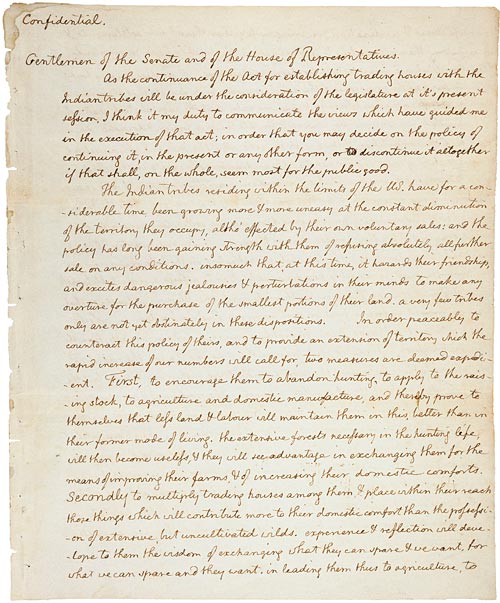 Document
Primary source
Jefferson's Secret Message to Congress Regarding the Lewis and Clark Expedition
Thomas Jefferson · 18 January 1803
Primary source
The Journals of Lewis and Clark
Meriwether Lewis and William Clark · 1804-1806
Primary source
Louisiana Purchase Treaty
30 April 1803
 Painting
Primary source
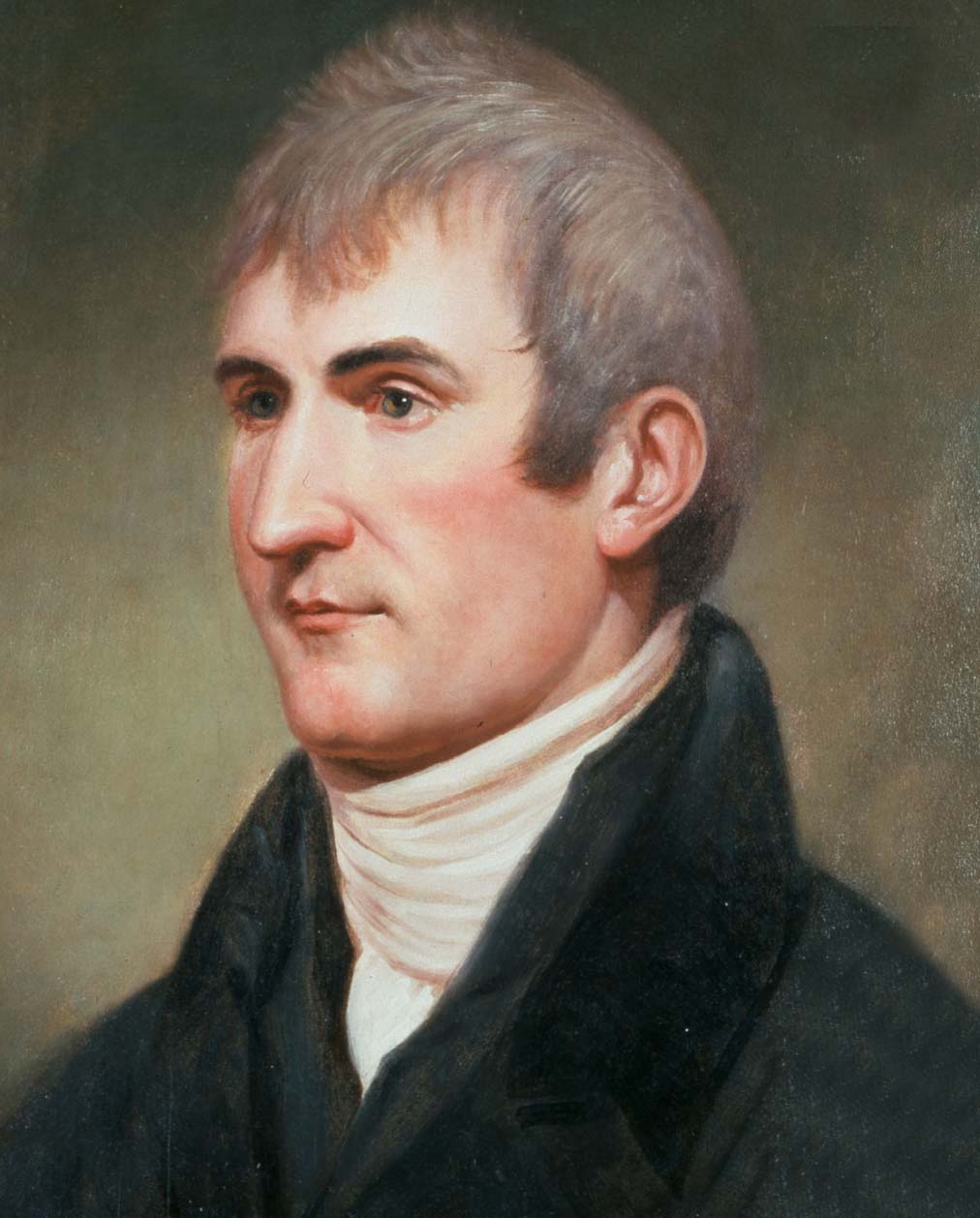
Portrait of Meriwether Lewis
Charles Willson Peale · c. 1807
 Painting
Primary source
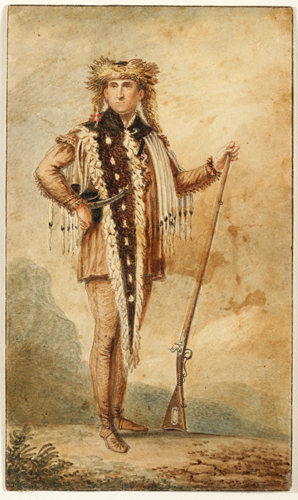
Meriwether Lewis in Frontiersman's Regalia
Charles-Balthazar-Julien Fevret de Saint-Mémin · 1806-1807
Ready when you are
Start chatting with Meriwether Lewis now.
20 messages free · No credit card · Available in 50+ languages.