


Primary sourceArtifact1797; remodeled 1849
Lindenwald
1797; remodeled 1849
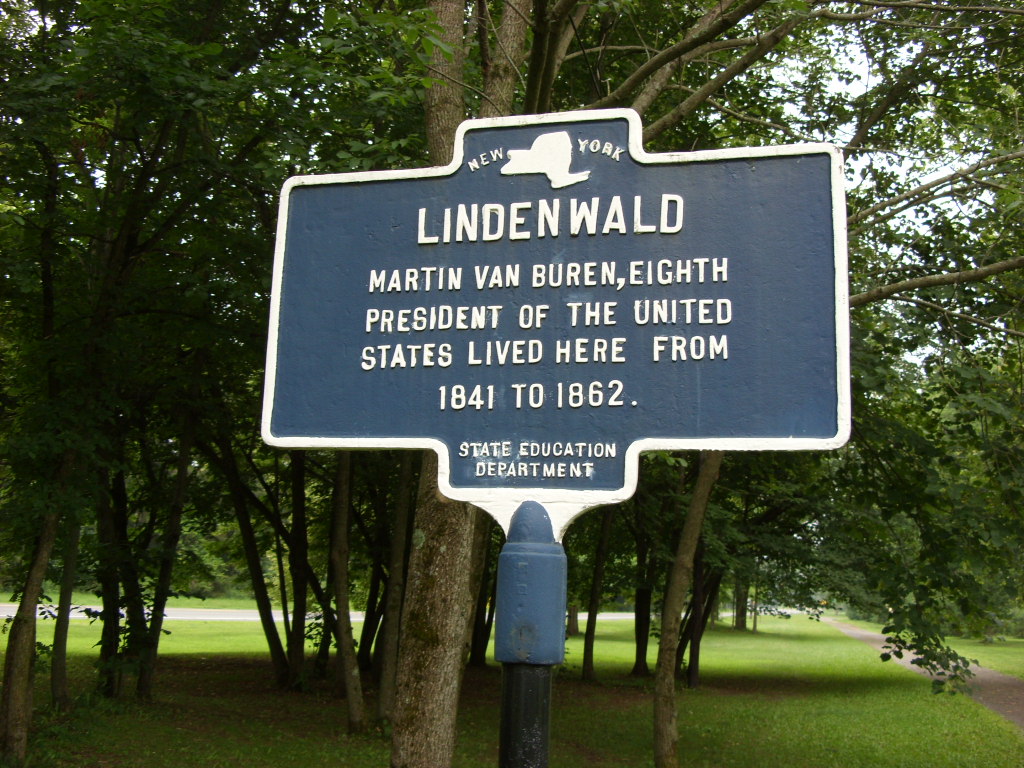
Van Buren's Kinderhook estate, purchased in 1839 and remodeled, was his retirement home and the place where he died.
Lindenwald was Van Buren's retirement home, purchased by him in 1839, and the place where he died.
About this source
What it is
Lindenwald is a 36-room mansion in Kinderhook, New York, built in 1797 and remodeled in 1849. Martin Van Buren bought the estate in 1839 and lived there after leaving the presidency. It is now preserved as the Martin Van Buren National Historic Site.
Why it matters
Lindenwald was Van Buren's home in retirement, the place where he managed his affairs, received visitors, and ultimately died. The house and its history help show how a former president lived once out of office, and how his estate reflected his wealth and status.
Look closer
- Why might a historic marker like this be placed at a former president's home?
- What does the size and remodeling of the house suggest about Van Buren's status after the presidency?
- What questions does a marker like this leave unanswered about daily life at Lindenwald?
This artifact is part of the curated material that grounds the AI version of Martin Van Buren on Humy.ai — when students ask about related events, the AI can quote it and cite it.
More Martin Van Buren sources
Meet the AI Martin Van Buren →Primary source
Inaugural Address of Martin Van Buren
Martin Van Buren · 4 March 1837
 Photograph
Primary source
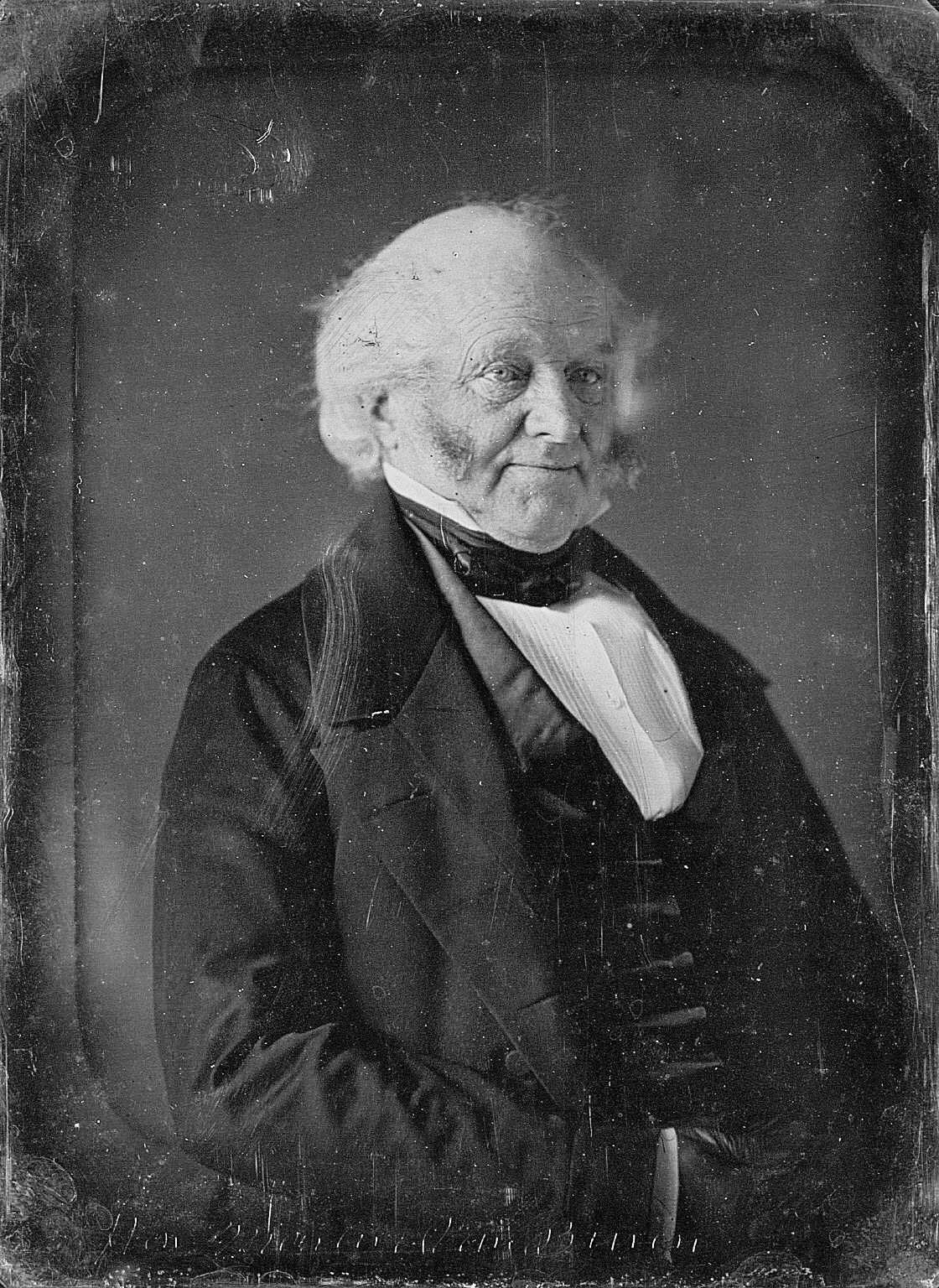
Daguerreotype Portrait of Martin Van Buren
Mathew Benjamin Brady · c. 1849–1850
 Painting
Primary source
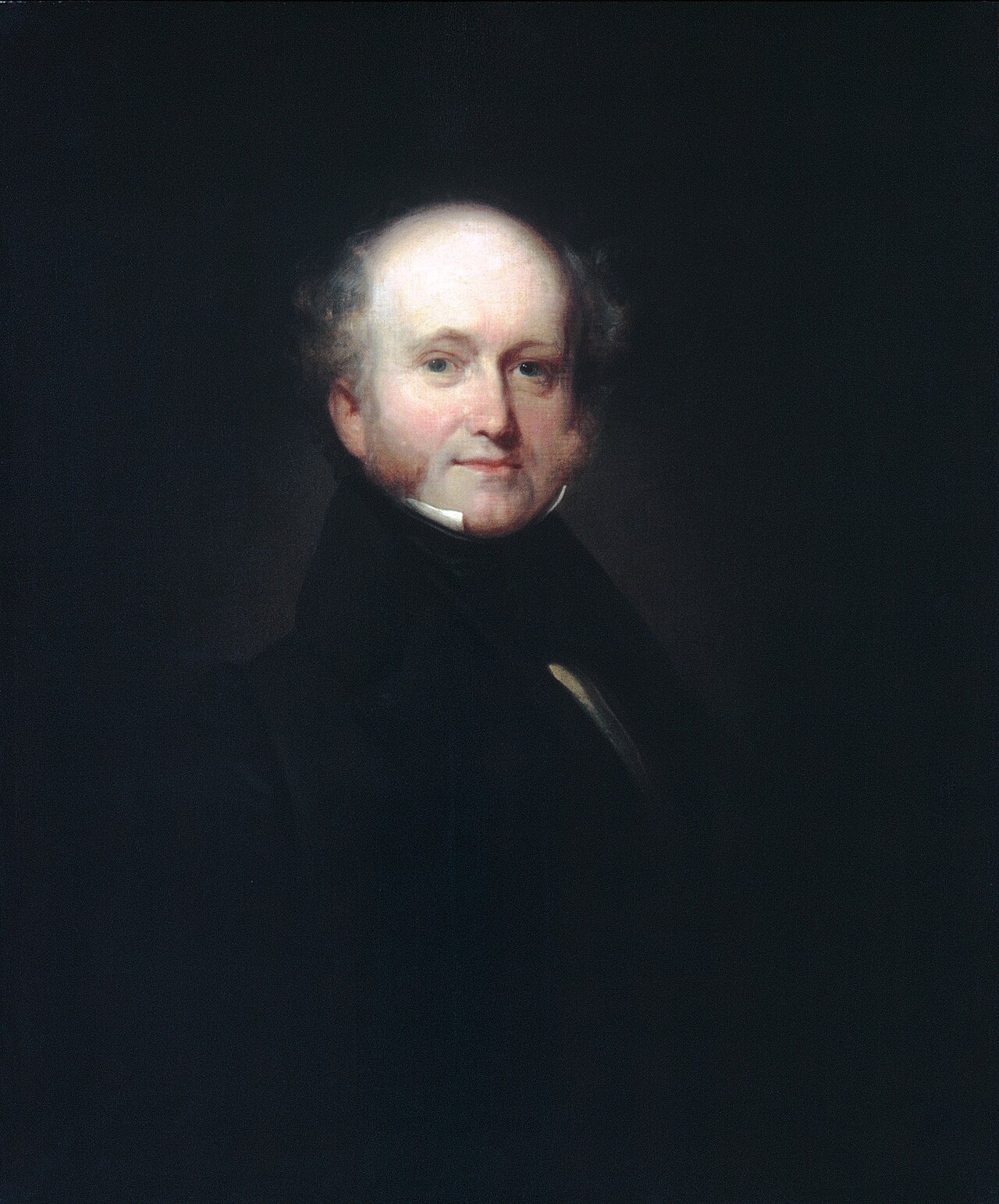
Martin Van Buren
Henry Inman · 1837
 Book
Primary source
The Autobiography of Martin Van Buren
Martin Van Buren · 1854–1862 (published 1920)
 Document
Secondary source
1848 Free Soil and Liberty National Conventions
1848
Ready when you are
Start chatting with Martin Van Buren now.
20 messages free · No credit card · Available in 50+ languages.