


Primary sourceSculpture1881
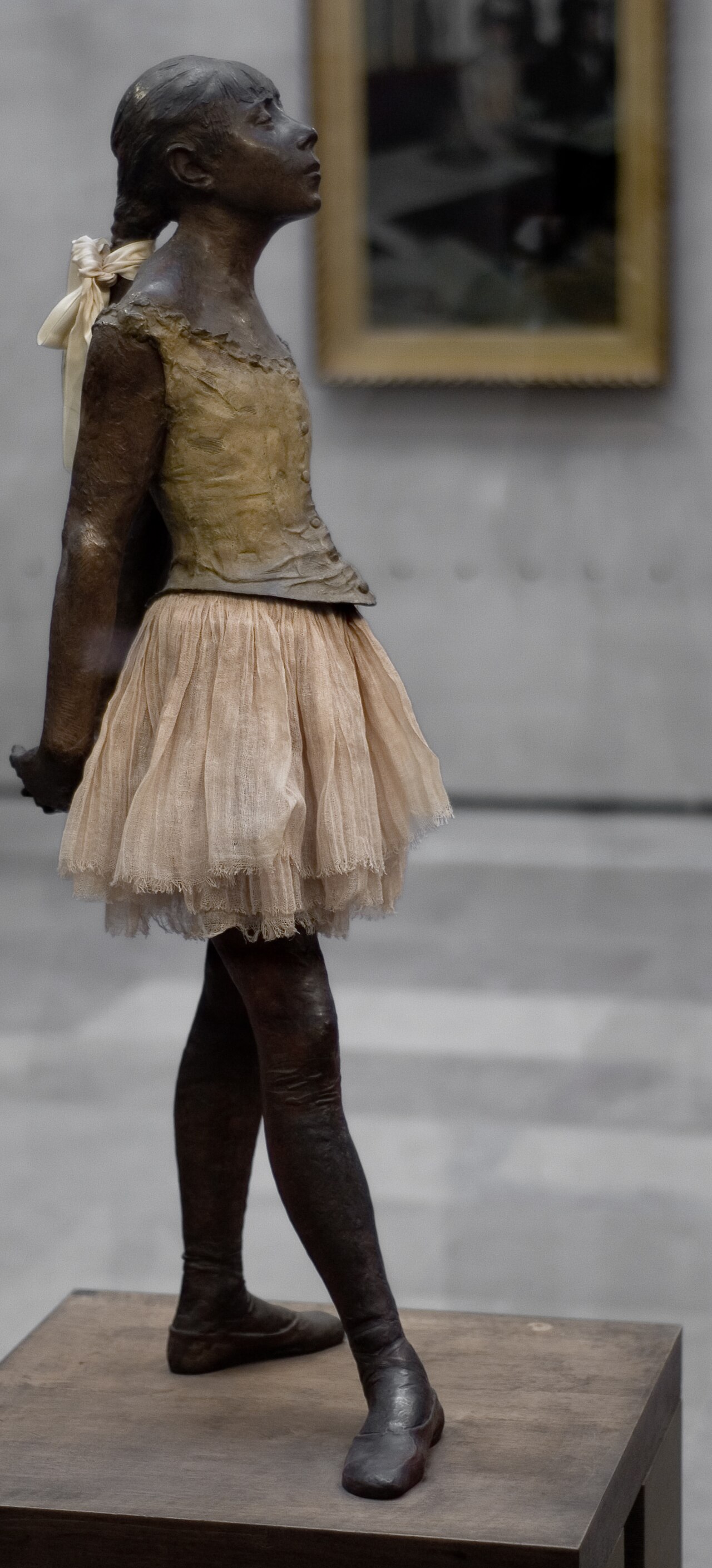
Little Dancer of Fourteen Years
Edgar Degas · 1881
A wax sculpture by Degas of a young ballet student, dressed in real fabric and hair, the only sculpture he exhibited publicly.
Degas created this, his only publicly exhibited sculpture, showing his realist approach to the Opéra's working dancers.
About this source
What it is
This sculpture was made by Edgar Degas around 1881, originally in pigmented wax with a real bodice, tutu and a wig of human hair. It depicts a young student of the Paris Opera Ballet school, Marie van Goethem. After Degas's death, bronze copies were cast from the wax original, which is now held at a major museum collection.
Why it matters
It was the only sculpture Degas ever showed publicly, at the 1881 Impressionist Exhibition, and it scandalised critics who were unsettled by its unusually realistic materials and its subject: a poor, working-class ballet student. The piece reveals Degas's fascination with observing real bodies and ordinary labour rather than idealised beauty.
Look closer
- Why might Degas have chosen wax, real hair and real fabric instead of marble or bronze?
- What does the dancer's pose and expression suggest about her life and work?
- Why do you think critics reacted so strongly to this sculpture in 1881?
This sculpture is part of the curated material that grounds the AI version of Edgar Degas on Humy.ai — when students ask about related events, the AI can quote it and cite it.
More Edgar Degas sources
Browse all 94 →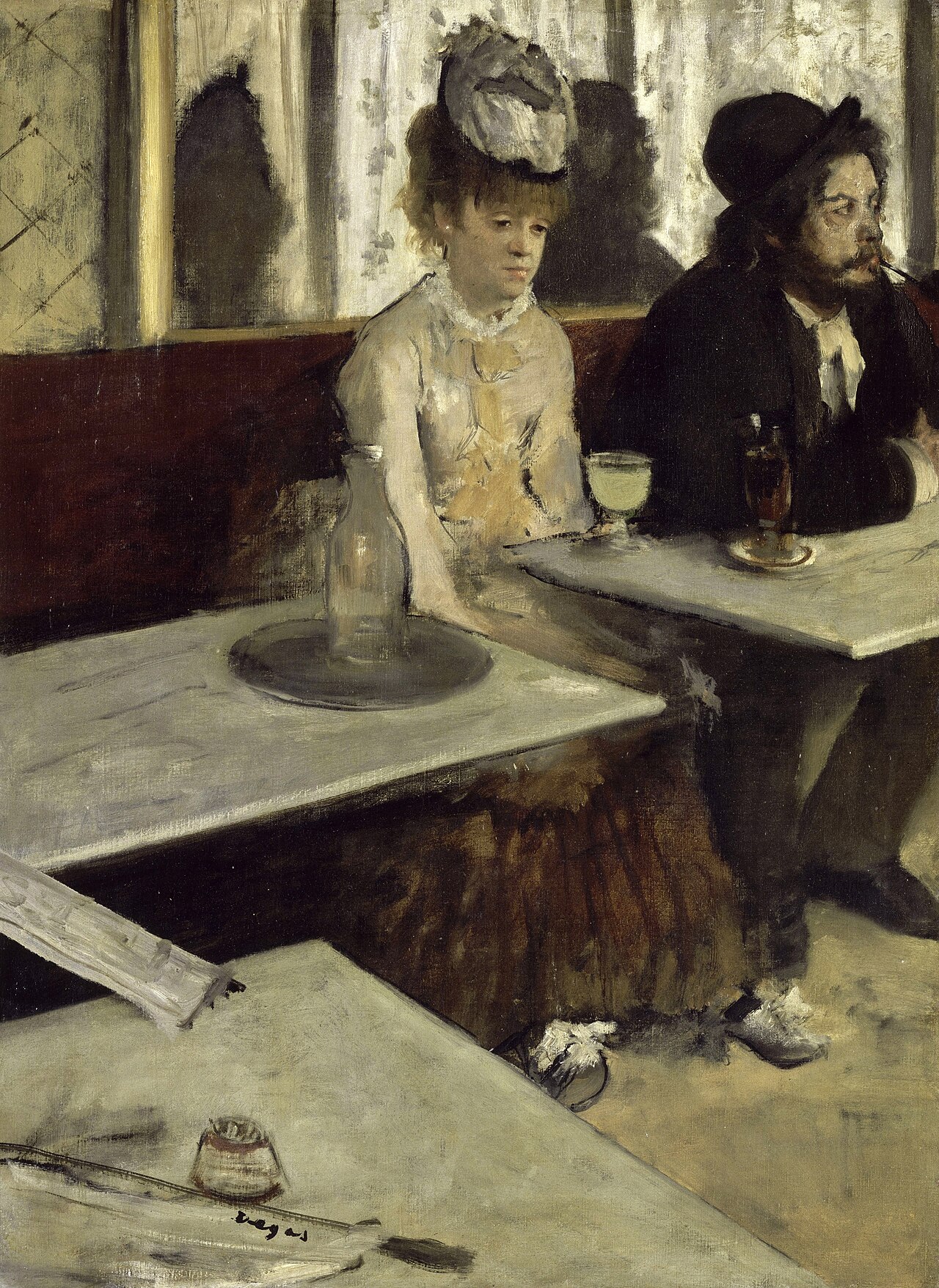 Painting
Primary source
L'Absinthe
Edgar Degas · 1875-1876
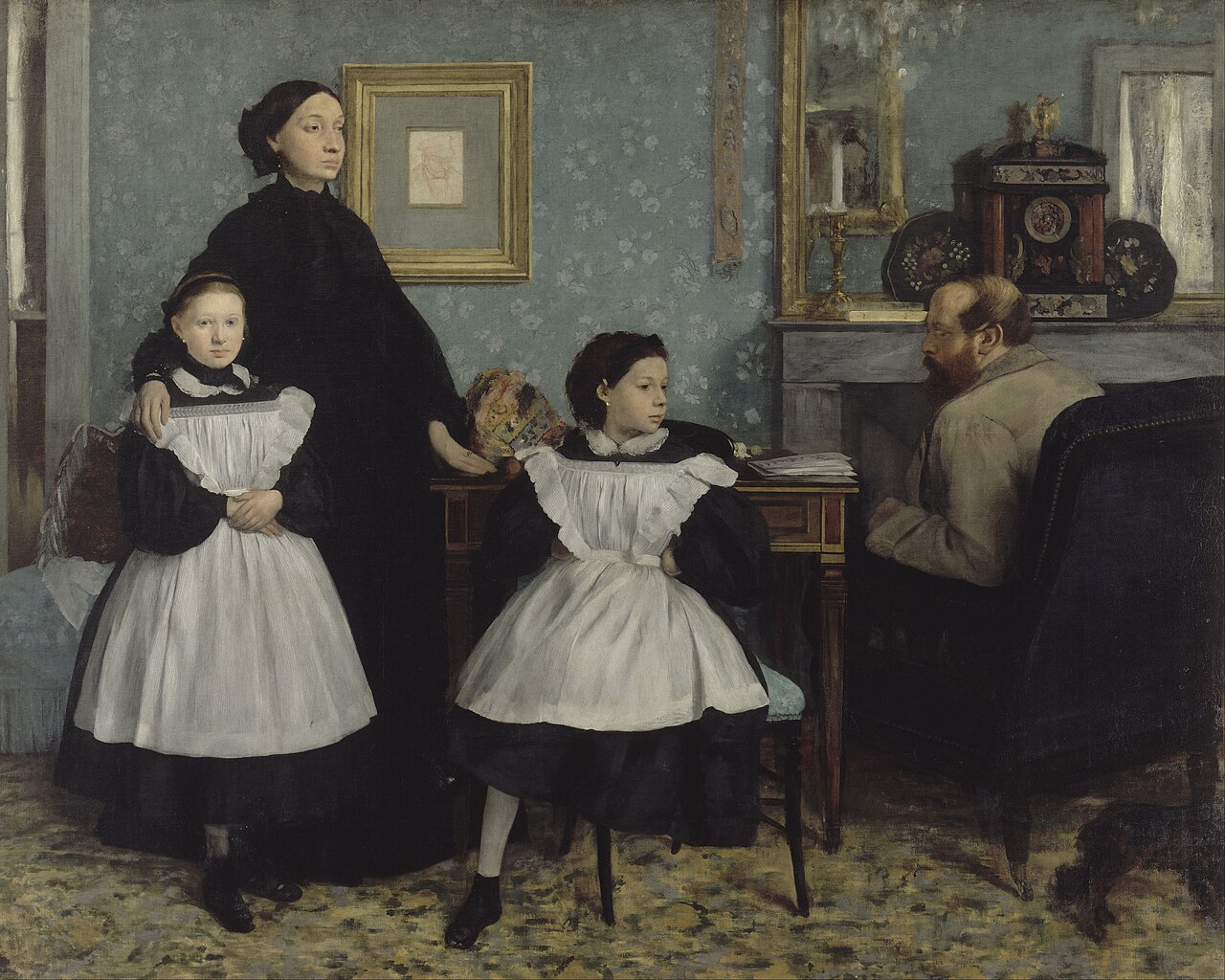 Painting
Primary source
The Bellelli Family
Edgar Degas · c. 1858-1867
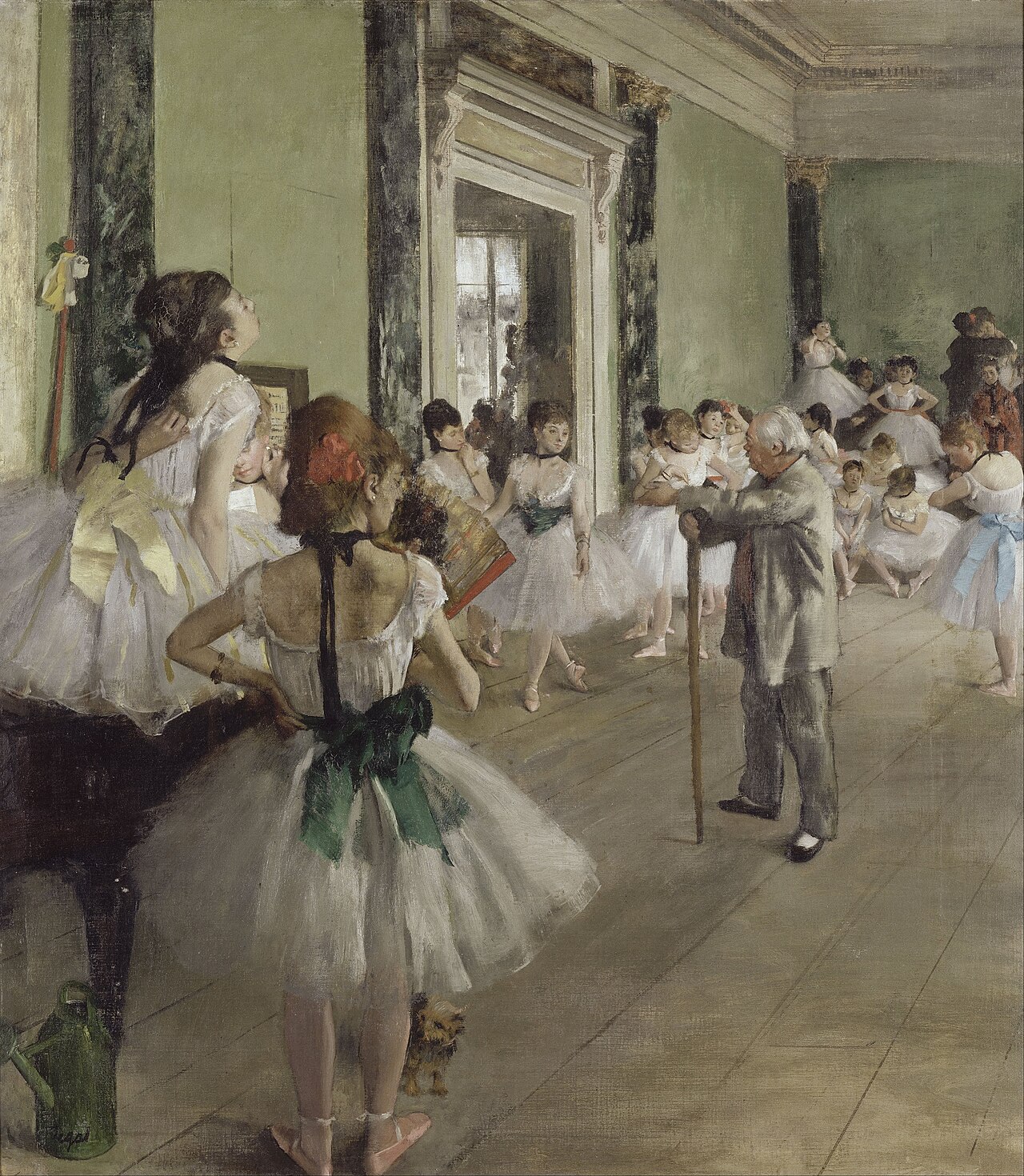 Painting
Primary source
The Ballet Class
Edgar Degas · 1874-1876
 Painting
Primary source
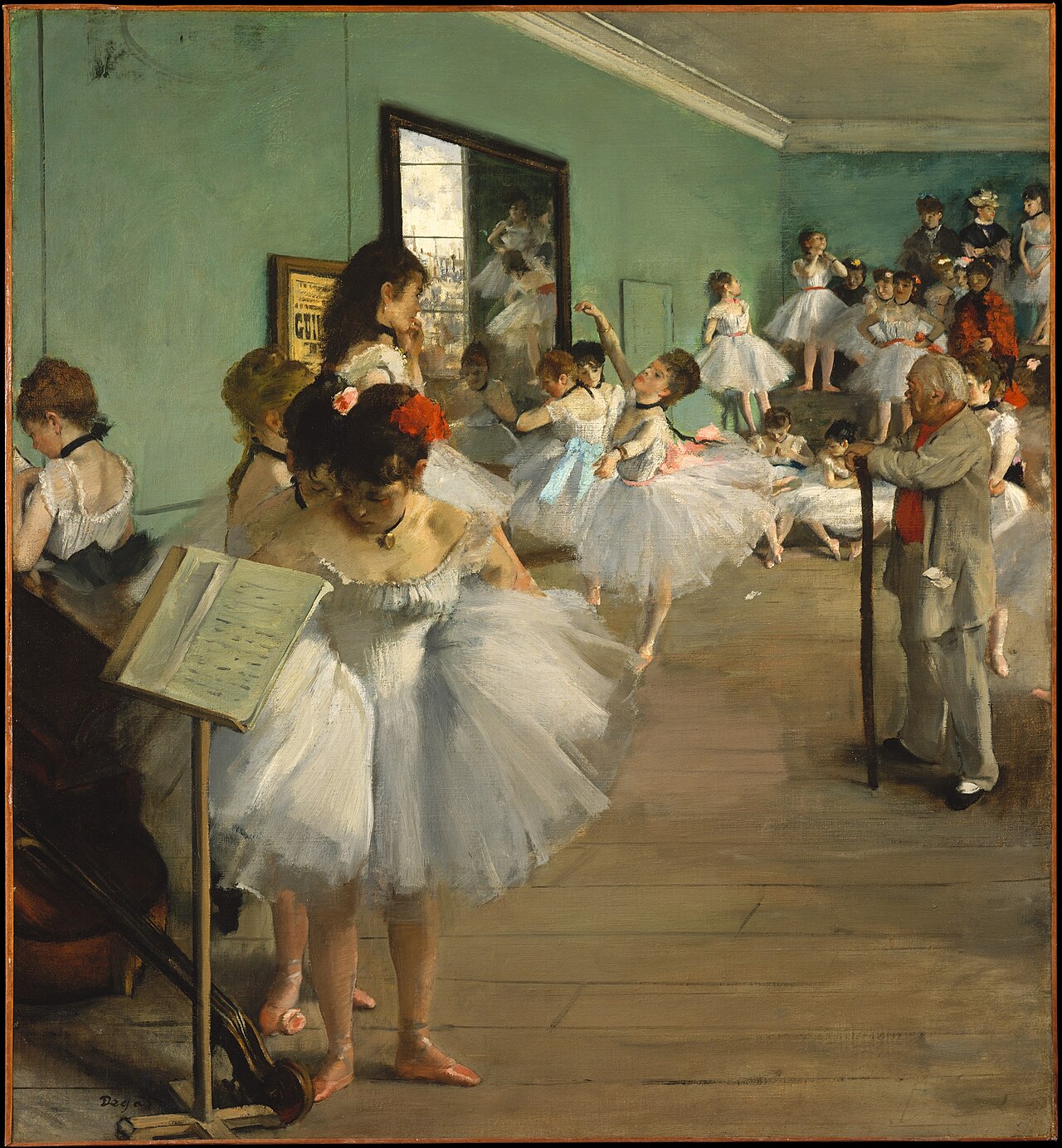
The Dance Class
Edgar Degas · 1874
Free account
Read every Edgar Degas source
Sign up free →
Ready when you are
Start chatting with Edgar Degas now.
20 messages free · No credit card · Available in 50+ languages.