


Primary sourceArtifact1936
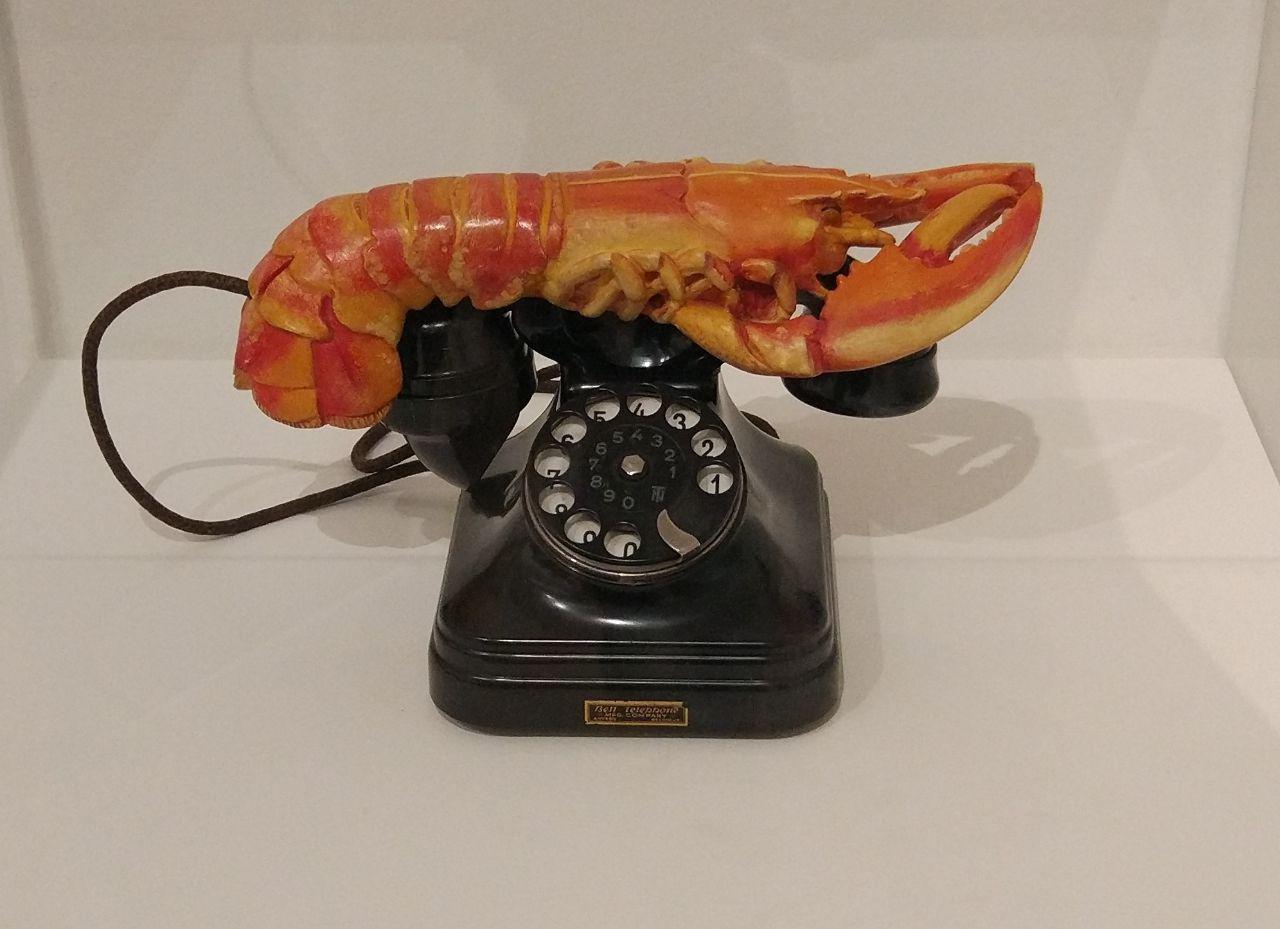
Lobster Telephone
Salvador Dalí · 1936
A 1936 Surrealist object by Dalí combining a working telephone with a plaster lobster, made for collector Edward James.
One of Dalí's most famous Surrealist objects, made by him for patron Edward James.
About this source
What it is
A Surrealist sculpture made by Salvador Dalí in 1936, joining an ordinary telephone with a lobster made of plaster. It was created for the English poet and art collector Edward James. Several versions exist in museums around the world.
Why it matters
The piece is one of Dalí's best-known Surrealist objects, turning an everyday item into something strange and charged with hidden meaning. Dalí wrote about linking lobsters and telephones to desire, believing such odd combinations revealed unconscious impulses. It shows how Surrealism moved beyond painting into sculpture and ordinary objects, and how Dalí relied on wealthy patrons like Edward James to realise his ideas.
Look closer
- What feelings does combining a lobster with a telephone create, and why might that be unsettling?
- Why did Dalí choose everyday objects rather than traditional art materials?
- What does the existence of several copies suggest about how Surrealist objects were made and sold?
This artifact is part of the curated material that grounds the AI version of Salvador Dali on Humy.ai — when students ask about related events, the AI can quote it and cite it.
More Salvador Dali sources
Browse all 99 →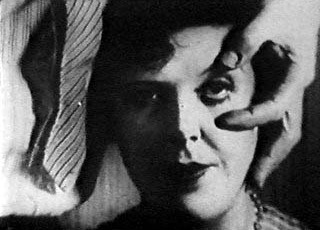 Documentary
Secondary source
Un Chien Andalou
Luis Buñuel and Salvador Dalí · 1929
 Photograph
Primary source
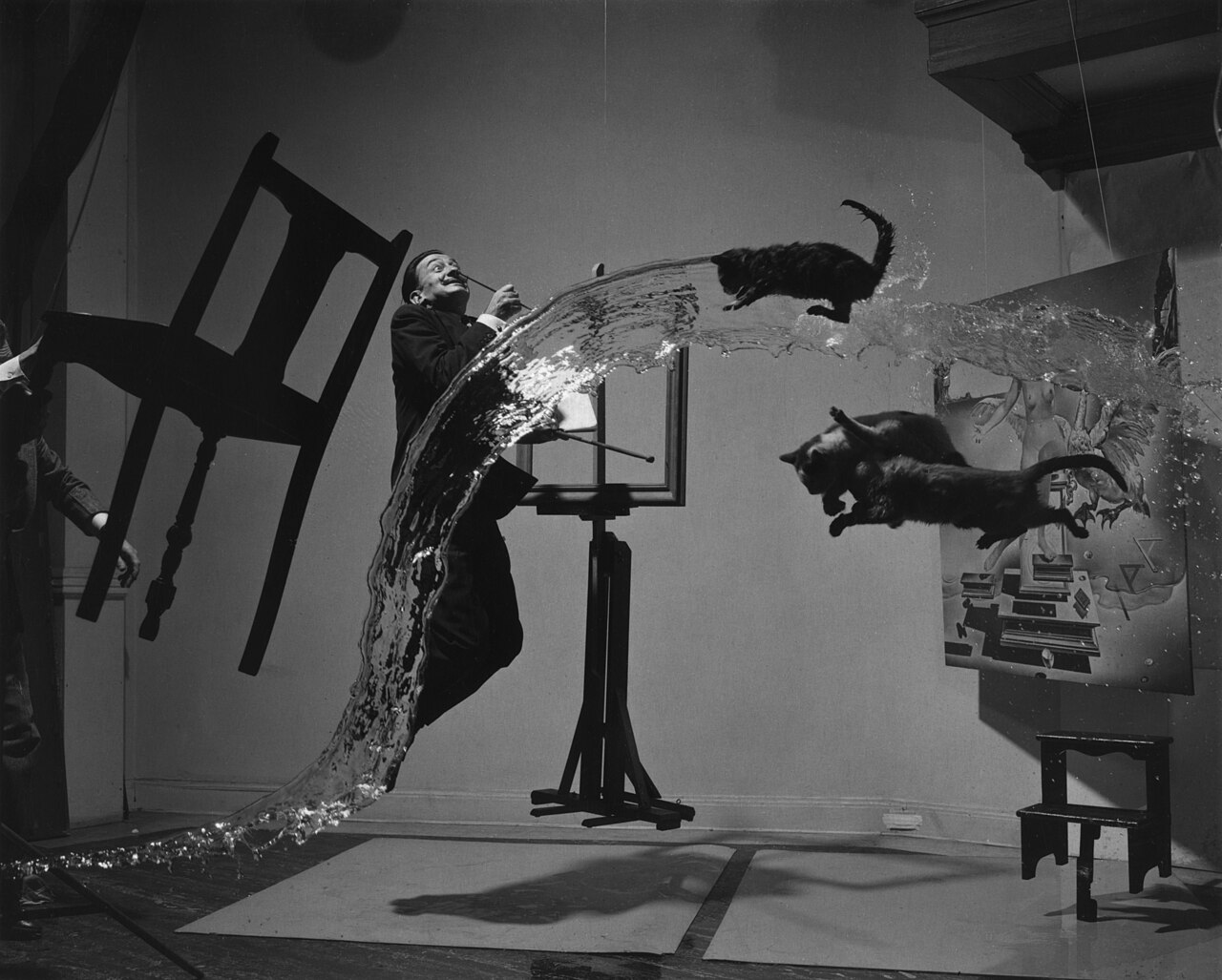
Dalí Atomicus
Philippe Halsman · 1948
 Painting
Primary source
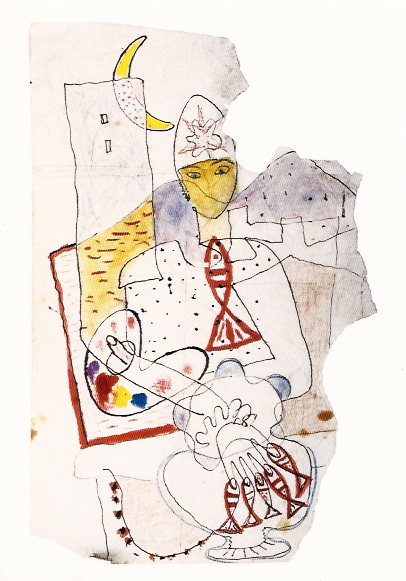
Portrait of Salvador Dalí
Federico García Lorca · 1927
 Photograph
Primary source
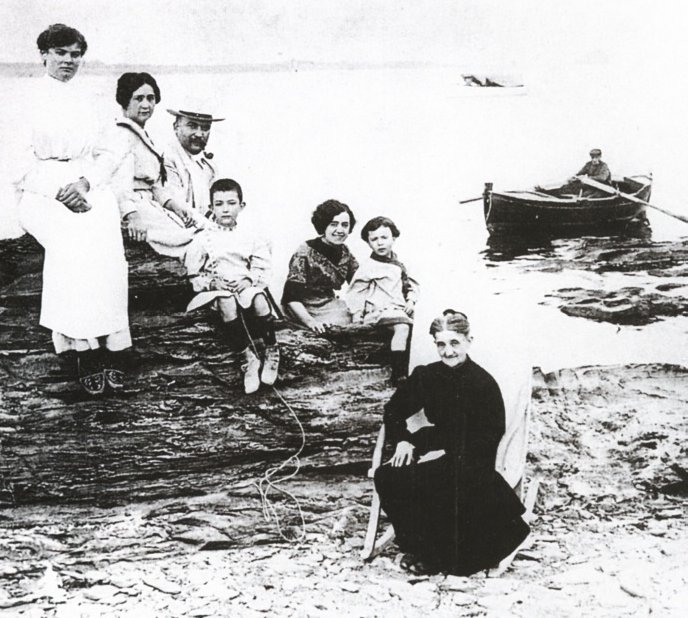
Familia Dalí (h 1910)
Josep Pichot · c. 1910
Free account
Read every Salvador Dali source
Sign up free →
Ready when you are
Start chatting with Salvador Dali now.
20 messages free · No credit card · Available in 50+ languages.