


Primary sourceArtifact1190
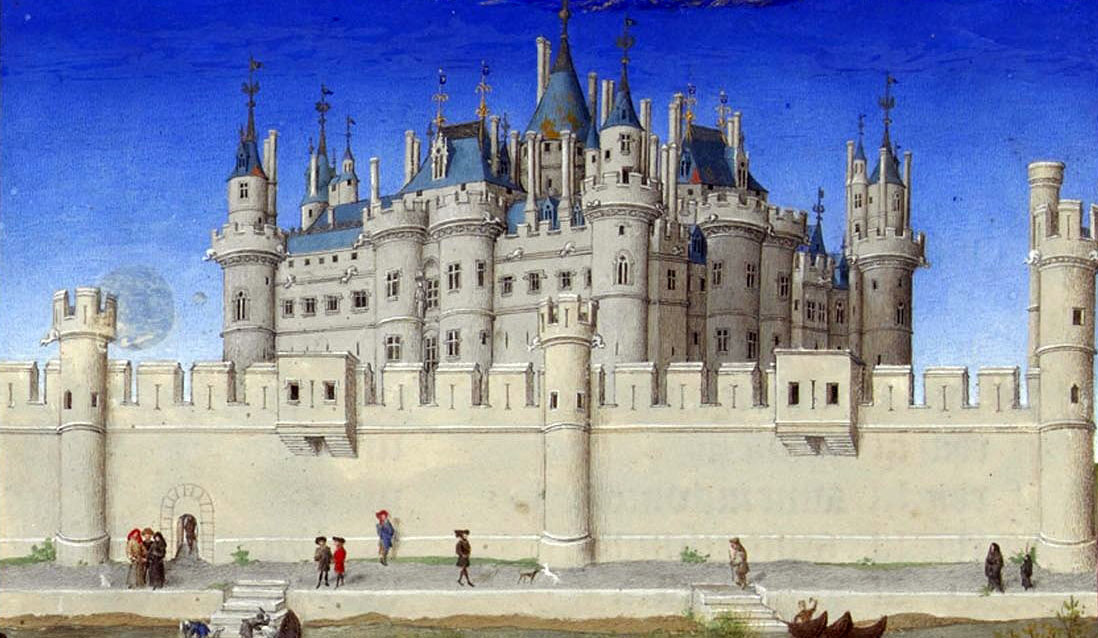
Louvre Castle
1190
The fortress with its great round keep that Philip II built to guard Paris; its foundations now lie beneath the Louvre museum.
Philip built this fortress with its iconic round keep to protect Paris while he was away on crusade.
About this source
What it is
The Louvre Castle was a fortress begun by King Philip II of France in 1190 on the right bank of the Seine, built to reinforce the city wall he had also ordered around Paris. It had a central round keep known as the Grosse Tour. Later kings, including Charles V, turned it into a royal residence, and it was largely demolished from 1528 onward to make way for the Renaissance Louvre Palace. Its foundations survive beneath today's Louvre museum.
Why it matters
Built as Philip prepared to leave on crusade and faced rivalry with the English crown, the castle shows how he secured Paris militarily. Over the following centuries, kings such as Charles V and Francis I transformed it from a dependent feudal fortress into a symbol of royal grandeur, reflecting changing ideas of kingship.
Look closer
- Why did Philip choose a round tower for the keep rather than a square one?
- How does the Louvre's later history as a palace and museum connect back to its origin as a fortress?
- What does the long survival of its foundations tell us about how historians study buried structures?
This artifact is part of the curated material that grounds the AI version of Philip II of France on Humy.ai — when students ask about related events, the AI can quote it and cite it.
More Philip II of France sources
Browse all 96 →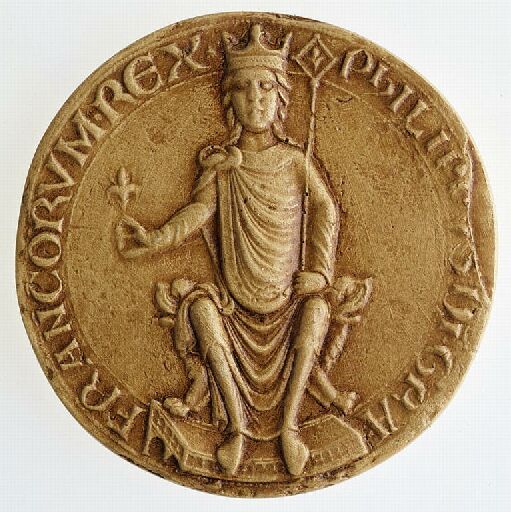 Artifact
Primary source
Great Seal of Philip II of France
 Document
Primary source
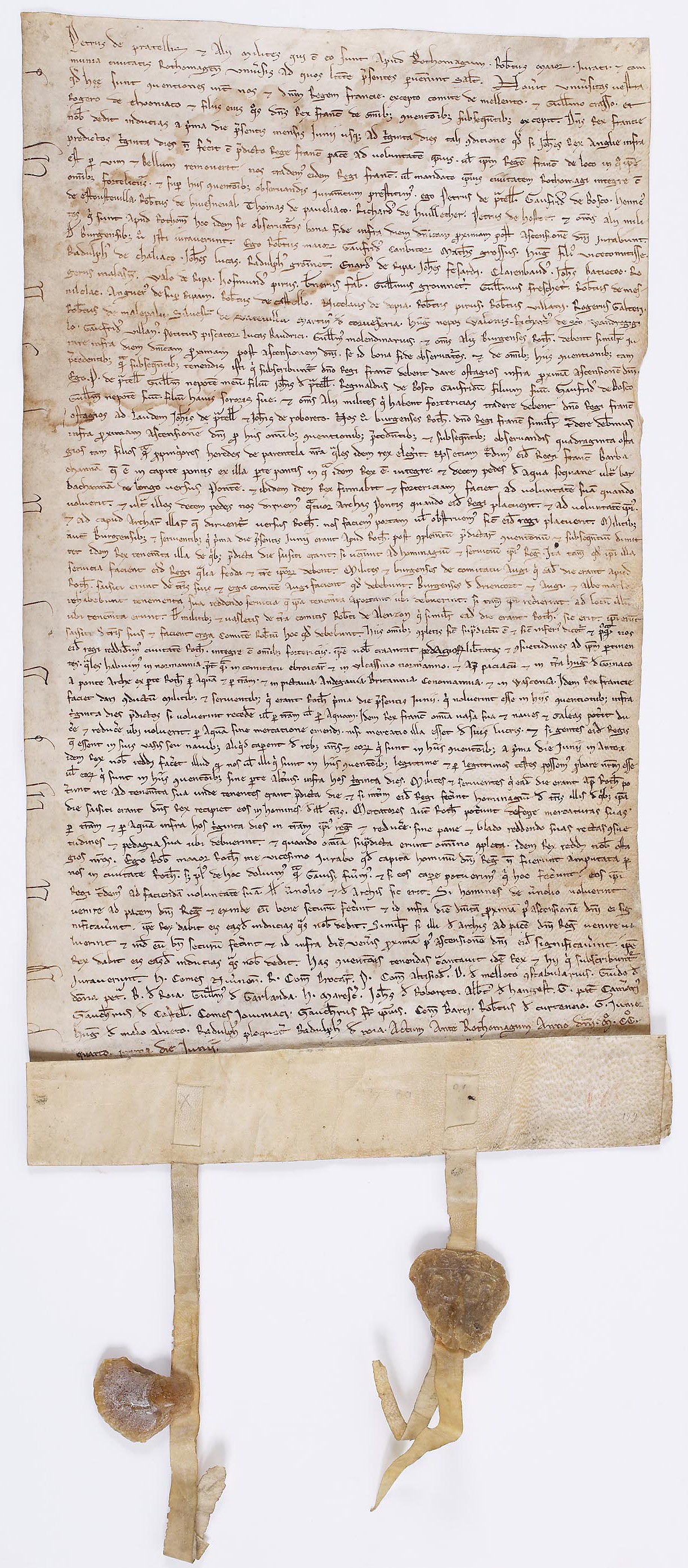
Capitulation of Rouen, 1 June 1204
1 June 1204
 Artifact
Primary source
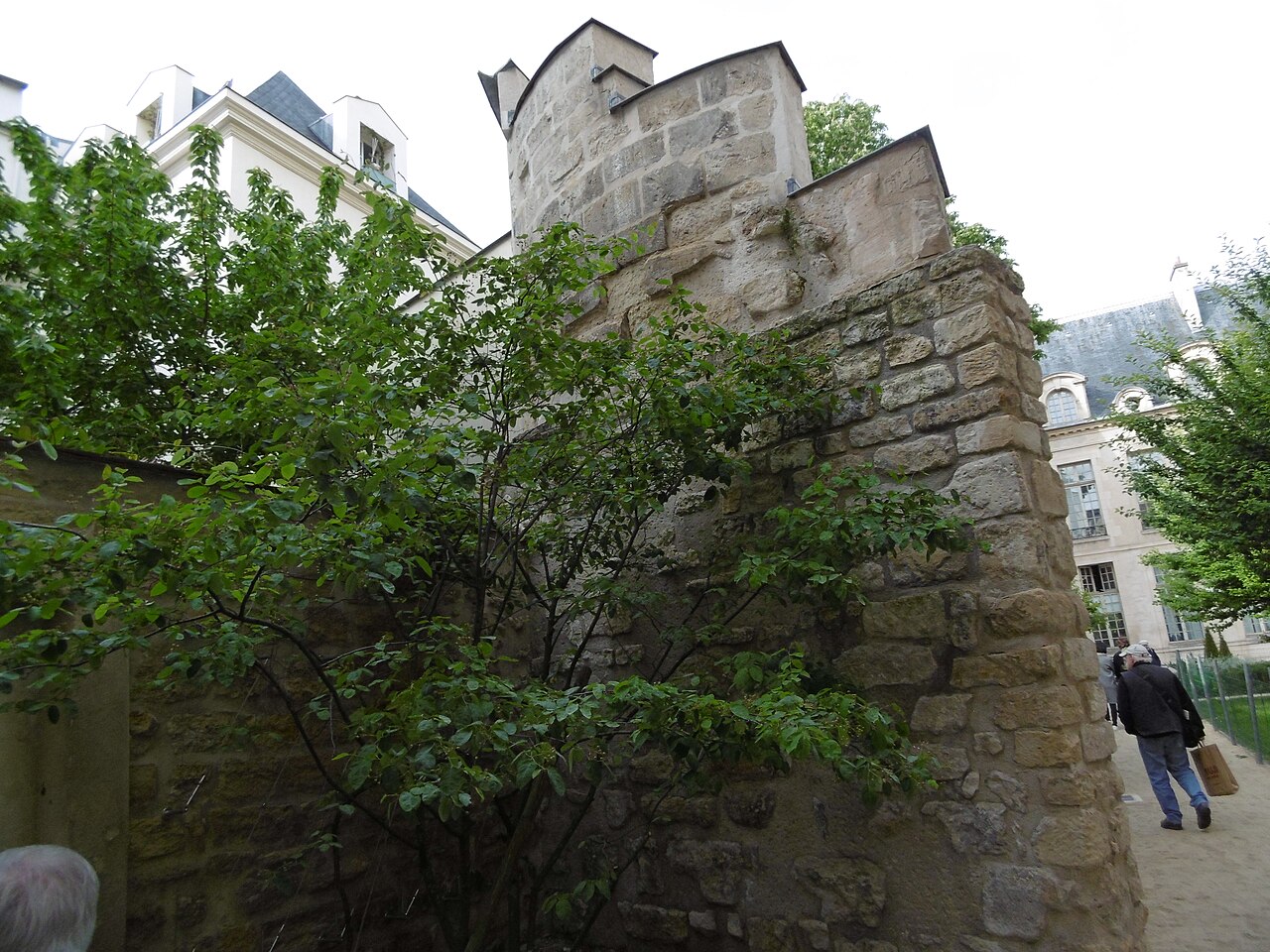
Wall of Philip II Augustus
1190–c. 1215
 Document
Primary source
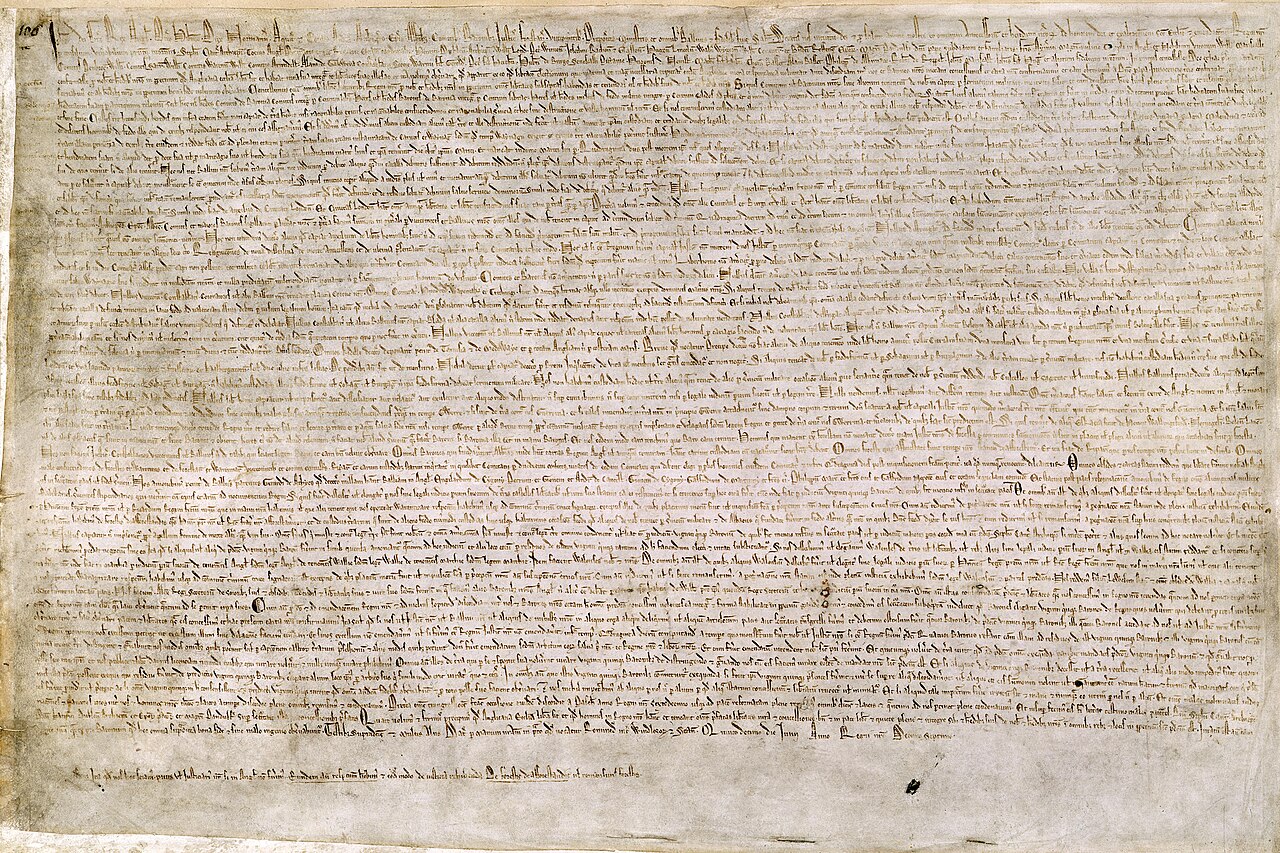
Magna Carta
1215; reissued 1216 and 1225
Free account
Read every Philip II of France source
Sign up free →
Ready when you are
Start chatting with Philip II of France now.
20 messages free · No credit card · Available in 50+ languages.